Some game preservation stories begin with a carefully funded archive plan. This one began because 200 Betacam tapes were taking up space in a producer’s cubicle.
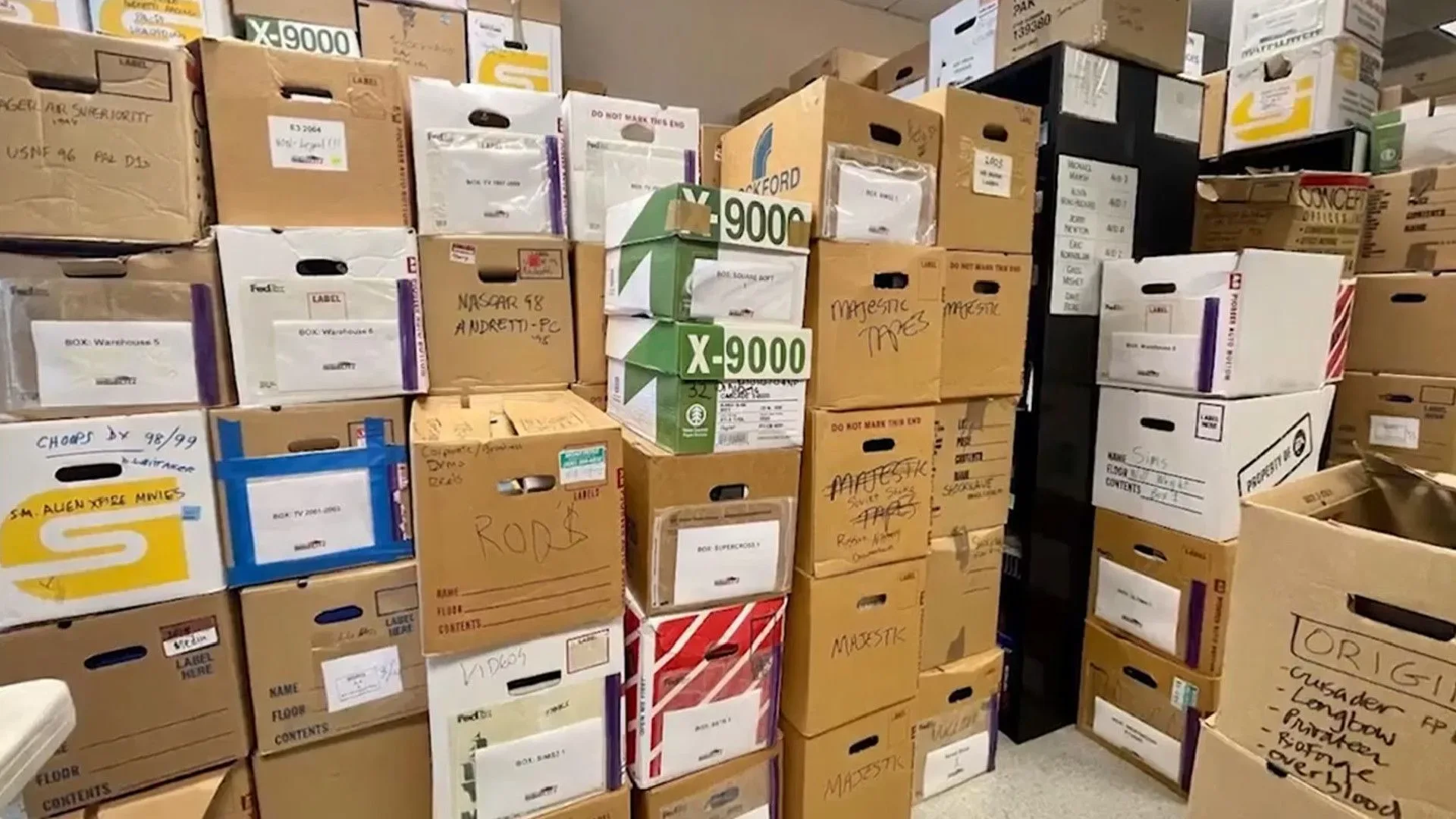
EA has released seven Anniversary Edition remasters on Steam and GOG: Wing Commander 1, Wing Commander 2, Wing Commander 3, Wing Commander 4, Wing Commander Prophecy, Privateer 2, and Road Rash. The releases grew out of a far larger preservation effort after producer Jim Vessella, while looking for storage for restored Command & Conquer Remastered cutscene tapes, was directed to a room in another building.
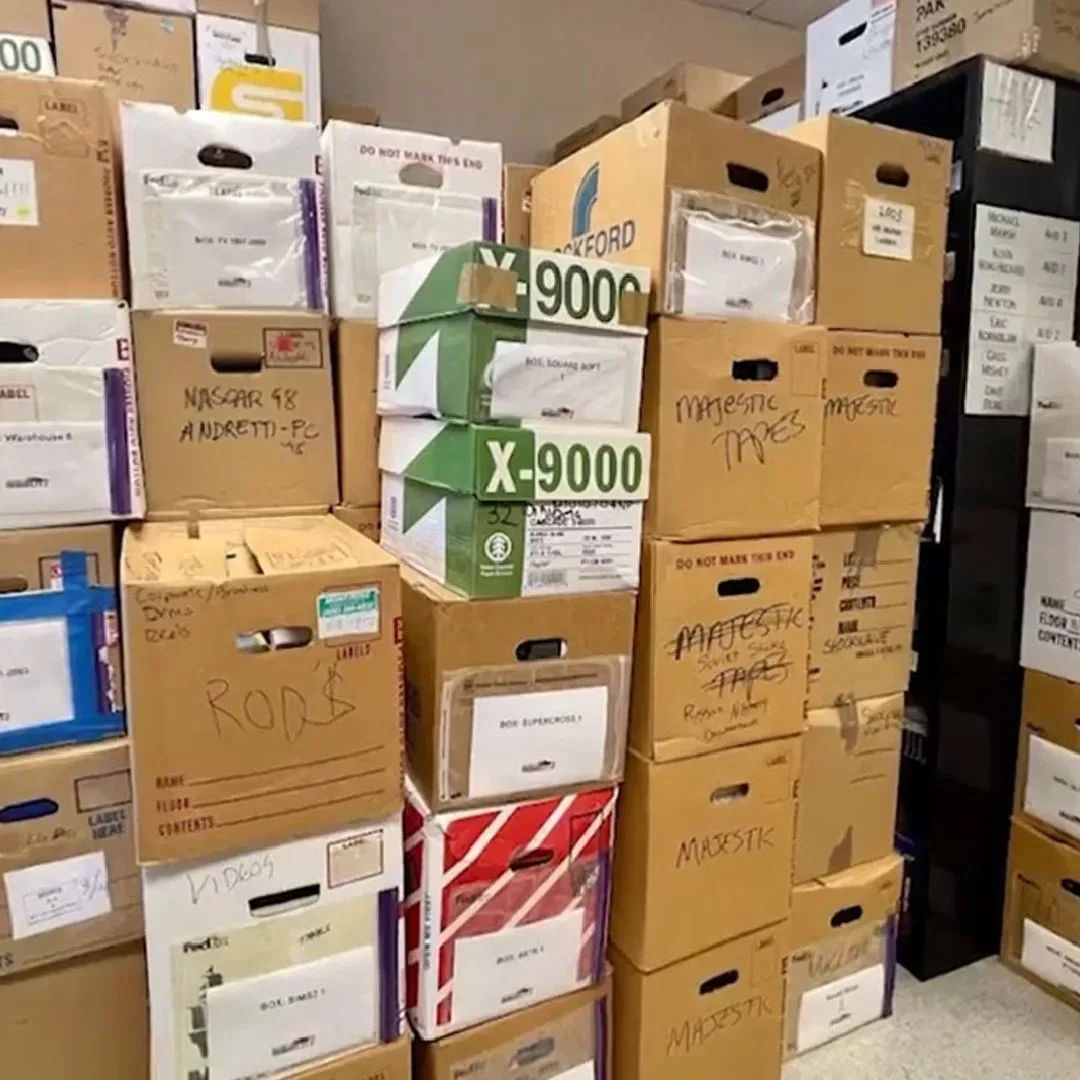
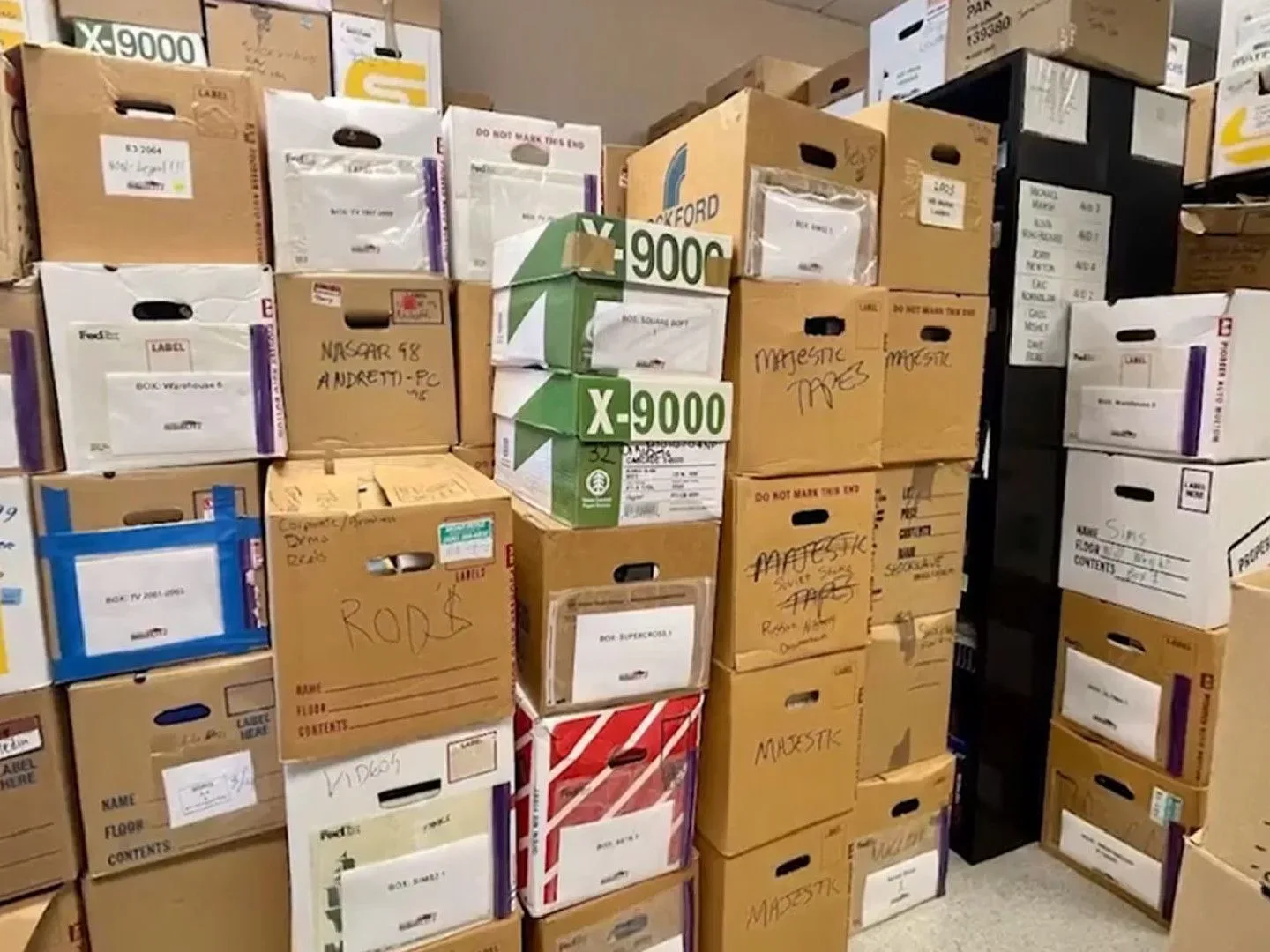
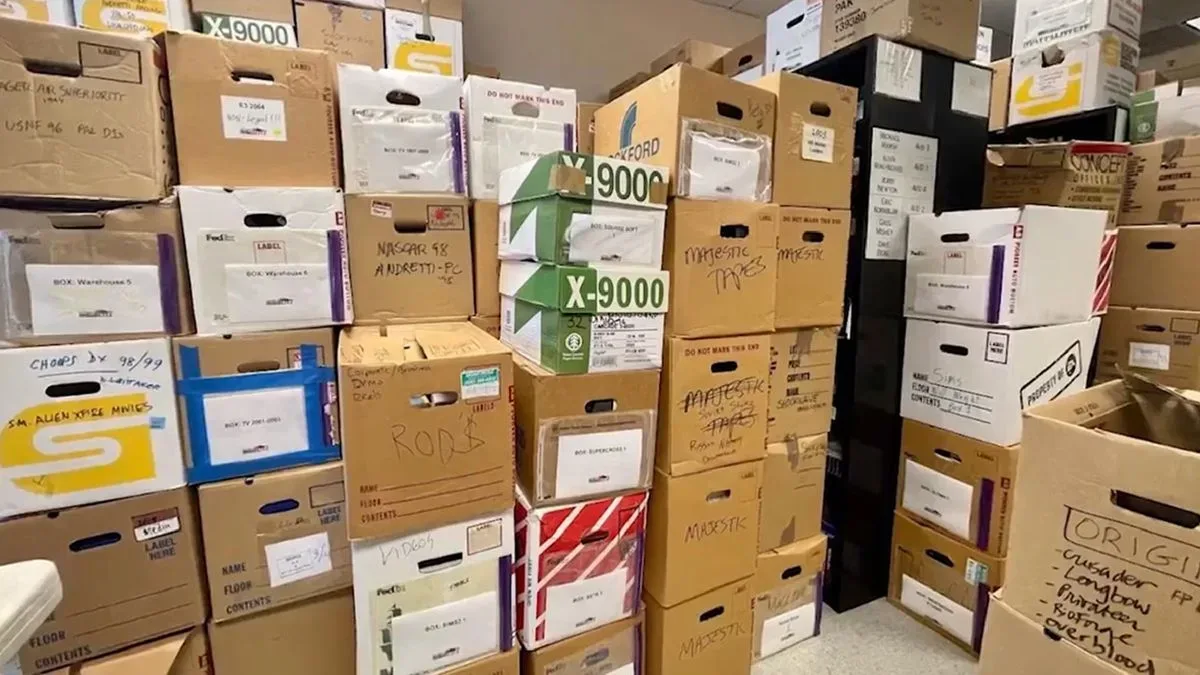
Inside was an archive of nearly 20,000 media assets. The material spanned Betacam, VHS and D1 tapes, alongside film reels, CD-ROMs and other formats. It was not simply a box of old game discs ready to be uploaded. Much of it was aging production media that needed to be identified, catalogued and transferred before its contents could be meaningfully used.
What the archive contained — and why it mattered
Vessella began sorting boxes in off-hours with help from other employees. The eventual digitization push accelerated in early 2024, when a small contracting team was brought in, four Betacam players and a VCR were acquired, and tapes were processed on swing shifts for roughly 17 hours per day across eight weeks.
Some formats required specialist handling. About 500 tapes in rarer formats — including D1, D2, U-matic and film reels — were catalogued and sent to a professional vendor in San Francisco for digitization. In total, the project digitized 6,000 media assets and preserved an estimated 2,500 hours of historical footage.
That work uncovered master-source material for Road Rash and a substantial portion of the Wing Commander series. “Master source” is an important distinction here: it refers to original or high-quality production elements rather than whatever compressed or altered version happened to survive in a prior consumer release. Recovering such assets can give a restoration team a better foundation for presenting old video and other media faithfully, although the newly released editions are also the result of software work, testing and compatibility fixes.
The most striking part of this story is that the release pipeline did not begin with a guarantee that every required asset was already known, organized and usable. The archive first had to become legible. Thousands of physical items had to be inventoried; hardware had to be located or purchased; and obsolete tape formats had to be played back and captured while workable equipment and specialist services were available.
Community modders became part of the restoration effort
Once the material had been preserved, Vessella contacted members of the Wing Commander community. That led to a collaboration with existing modders rather than an attempt to rebuild every solution from scratch.
Related coverage includes EA's Rediscovered Archive Brings Seven Classic Games Back in New Anniversary Editions.
Matt Wells, creator of an Enhancement Patch for Wing Commander 3, was among those contributors. The collaboration involved Wells producing builds, Vessella playtesting them and returning feedback, technical observations and design suggestions through Slack. They also worked through crashes and log files together; Vessella recalled spending hours on one Saturday in 2025 replaying the same mission under differing conditions in an effort to isolate a crash.
That is a useful reminder of what “remaster” can mean for a PC game from an older era. It is not solely an audiovisual upgrade. The practical task often includes making software behave reliably in environments it was never designed to encounter, tracking down edge-case failures, and deciding which adjustments improve access without needlessly changing the original game’s character.
The modders contributed volunteer time, while the publisher supplied access to archival material and an official route to release. Neither side alone necessarily solves every problem. Community projects can possess years of technical knowledge and close familiarity with a game’s quirks; rights holders may have the underlying materials and the ability to distribute a finished edition commercially. This initiative is a notable example of those two forms of stewardship meeting in the middle.
Wing Commander Prophecy presented a different situation because it did not have the same depth of existing community support. GOG partnered on its restoration, spending months assembling elements, fixing smaller issues and adding improvements including controller support and a configuration launcher. A launcher is the front-end program that lets a player set options before starting the game; for older PC software, it can make setup much less opaque than relying on manual configuration changes.
Seven releases, one unusually complicated Road Rash problem
The six Wing Commander releases and Privateer 2 are available as Anniversary Editions on both Steam and GOG. But Road Rash may illustrate the broader obstacles of historical re-releases most clearly.
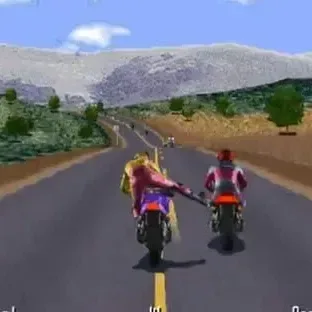
The edition is based on the 1994 3DO game, which had not previously been released on digital platforms. Access to the original game assets was only part of the challenge. Its soundtrack contains licensed tracks from Soundgarden, Paw, Hammerbox, Monster Magnet, Therapy? and Swervedriver, among others. Reissuing that music required new permissions.
Music licensing is separate from restoring a game’s code or video. In this case, the work meant contacting the relevant label and the band members who controlled a “side” of the rights for each of the 14 tracks. A game can be technically ready to ship while still being legally unable to use a piece of its original soundtrack. That distinction is why music can become a decisive preservation barrier rather than a finishing touch.
By summer 2026, agreements had been reached with six of the seven bands, including the biggest name involved. One person connected to the remaining band could not be found despite months of searching. Without that contact, no licence could be completed, and the team was close to removing that band’s music from the 30th Anniversary Edition by September.
A final lead eventually succeeded, and the last licence was finalized in mid-September. The resulting release retains the full licensed soundtrack described for the original 3DO game rather than arriving with that music excised.
For players, that outcome matters beyond nostalgia. Music can set pacing and identity, especially in a game whose remembered atmosphere is tied to a curated soundtrack. For preservation, it demonstrates that a complete reissue is not determined by whether a publisher still owns the game brand. The rights to songs, performers, footage and other contributions may sit elsewhere, with their own approvals and terms.
That basic problem also helps explain why games that look straightforward to revive can remain absent from modern storefronts for years. A digital release is not merely an old executable placed behind a purchase button. It may depend on technical restoration, quality assurance, usable archival assets, platform preparation and a chain of legal permissions. If one link cannot be repaired, the final product may need to change or may not be released at all.
Preservation is a process, not a lucky discovery
The storage-room discovery is cinematic, but the more significant part came afterward. The archive did not preserve itself simply by surviving in a room. People spent substantial time extracting, cataloguing, digitizing and reviewing its contents. The release work then extended into testing, modder collaboration, commercial distribution and licensing.
It also shows why physical production media still deserves attention even when the intended destination is digital. A Betacam tape is not convenient, but it may contain material unavailable in a later consumer build. A film reel may hold footage that has never been properly transferred. CD-ROMs, tapes and other aging formats can be awkward to access, yet they can contain context and quality that disappears if the media becomes unreadable before anyone checks it.
There is no claim here that the seven editions exhaust the archive’s value. The reported totals — nearly 20,000 archival items, 6,000 digitized assets and about 2,500 hours of footage preserved — instead underline the scale of material that may still need identification and care. The immediate result is a concrete one: a set of games, including the first digital release of this version of Road Rash, is now available through Steam and GOG.
The Road Rash licensing effort is also a reminder that game soundtracks can have a long afterlife beyond their original hardware. Licensed music has helped define the cultural reach of other games as well, as seen in MC Eiht’s discussion of how GTA: San Andreas brought his music to new listeners. In this case, finding one last rights holder was the difference between a compromised reissue and one able to preserve the soundtrack’s full role in the game.
These Anniversary Editions are therefore more than a surprise return for a group of PC and 3DO-era favorites. They are the visible outcome of an unusually long chain: an employee needing to move tapes, a storage room full of unexamined media, a major digitization operation, volunteer community expertise, platform-focused restoration work and a last-minute music-rights search. The fact that all of those steps aligned is what made seven old games newly playable.