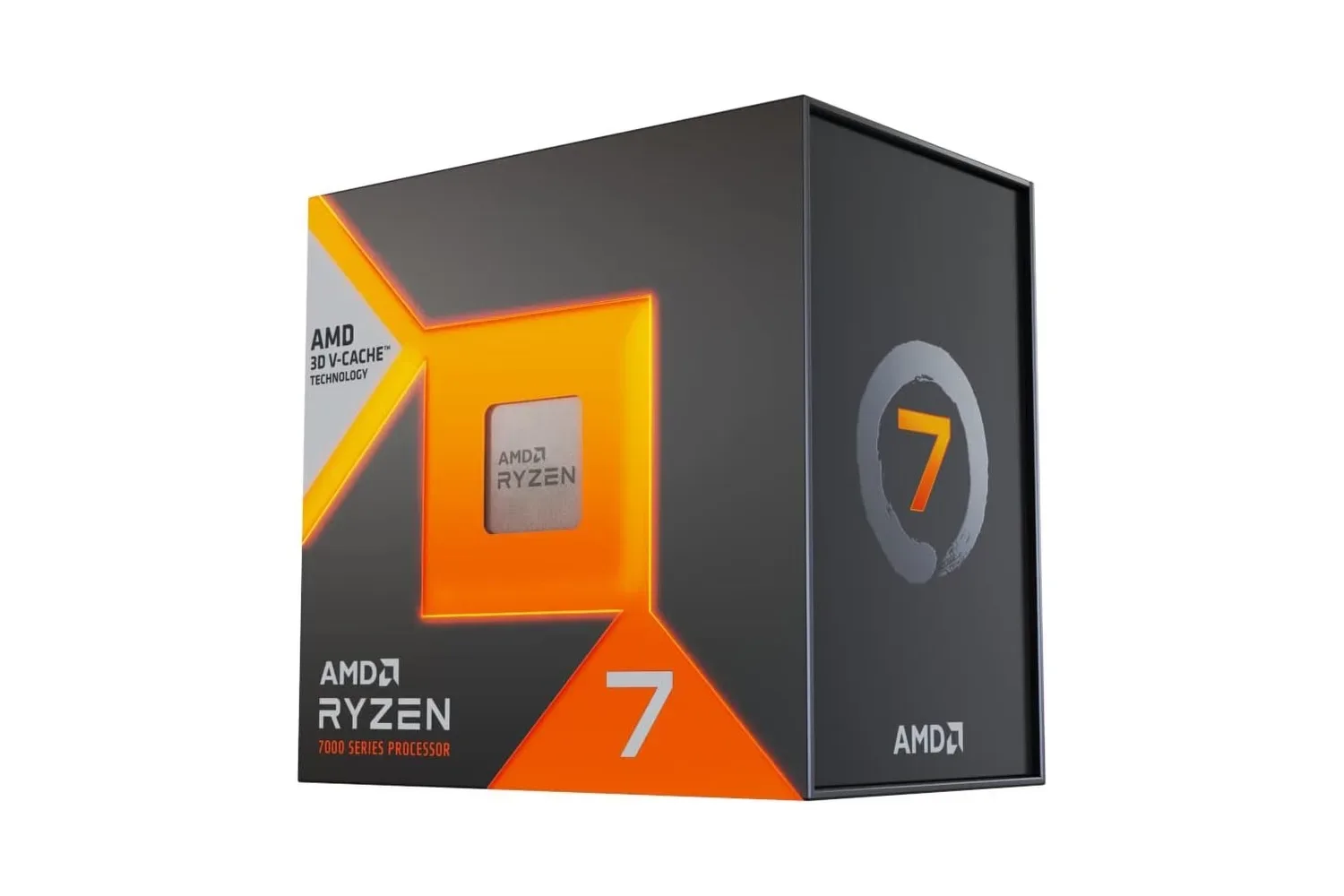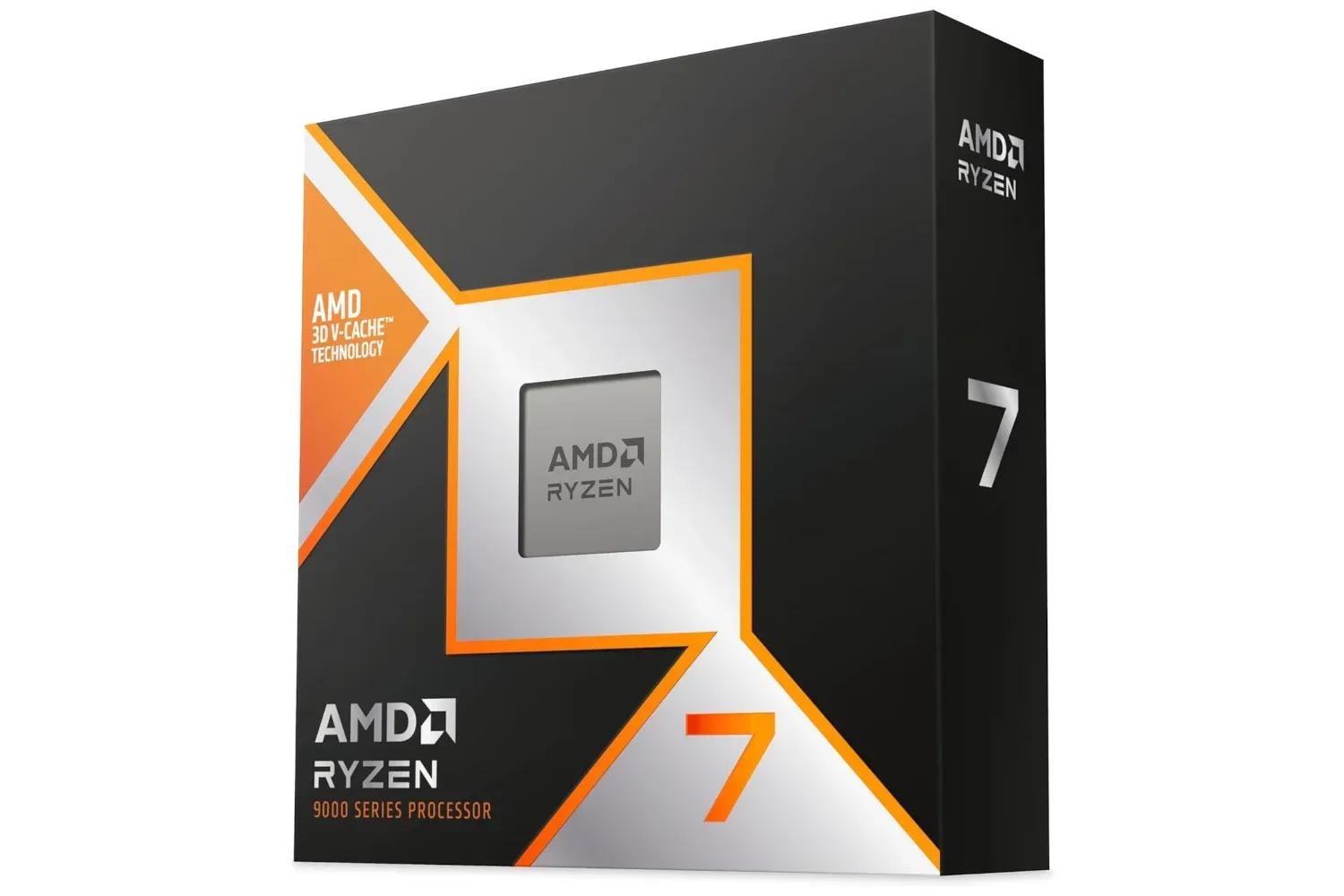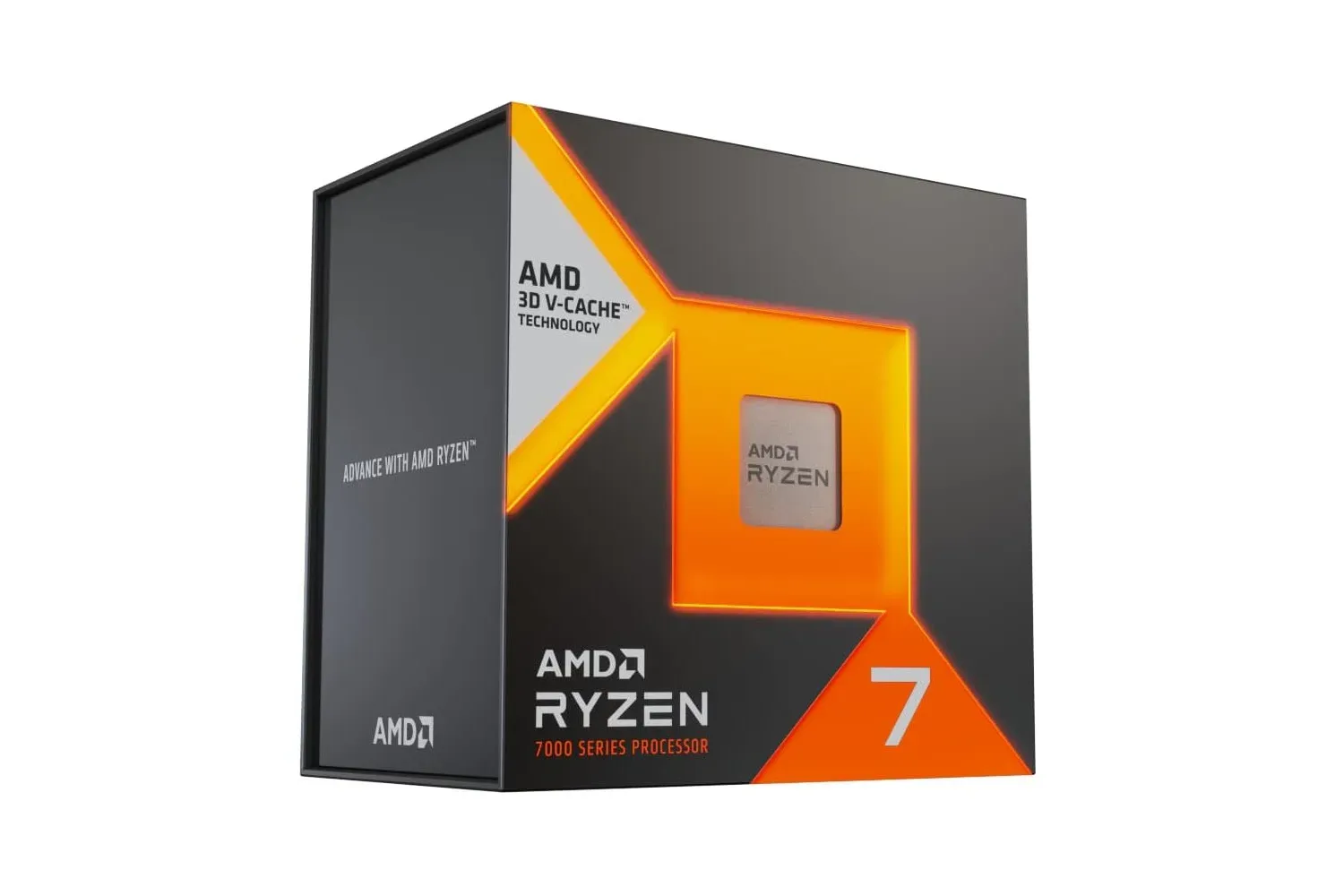
The AMD Ryzen 7 7800X3D is listed at $365, a reduction of $84 from a stated $449 regular price. For people planning a gaming-PC refresh or a new build, that lower entry price puts attention on what the chip is designed to do: combine an eight-core, 16-thread layout with AMD’s 3D V-Cache technology and 96MB of L3 cache.
The offer is available to both Prime and non-Prime shoppers, with standard delivery described as free. As with any component promotion, the important practical detail is that the listed price can change, so prospective buyers should confirm the current total, shipping terms and stock on the product page before committing.
Why the 7800X3D is aimed so directly at gaming
Processor specifications can become a wall of numbers quickly, but the Ryzen 7 7800X3D’s gaming proposition is relatively easy to outline. It has eight CPU cores and 16 threads. A core is a processing unit that handles work, while a thread represents an additional stream of work that can be scheduled on those cores. In broad terms, more available processing resources can help a system juggle several tasks rather than treating a game as the only thing happening on the PC.
That matters for the familiar desktop scenario in which a game shares the machine with a voice chat app, a web browser, recording tools or other background programs. It can also matter outside gaming for demanding creative applications and general multitasking. The source material characterizes the chip as suitable for those wider workloads as well, though its standout feature is particularly relevant to games.
That feature is AMD 3D V-Cache. The processor’s L3 cache totals 96MB, described as three times the otherwise available amount. Cache is very fast memory close to the processor cores. It is not the same as a PC’s main system memory, and it is not storage; instead, it is a small, rapid-access area that can hold frequently needed data. Keeping suitable data nearby can reduce the time the processor spends waiting to retrieve it.
Games can benefit when their working data is easier for the CPU to reach. The result is not a blanket promise that every title will improve by the same amount, nor a guarantee that every slowdown is CPU-related. A gaming PC is a system: graphics performance, memory, storage, game settings and background activity can all shape the experience. Still, the 7800X3D’s large L3 cache is the key technical reason it is framed as a gaming-focused CPU rather than simply an eight-core general-purpose part.
Clock speed and overclocking, explained
The Ryzen 7 7800X3D has a stated 4.2GHz base clock, and it is unlocked for overclocking up to 5GHz. Gigahertz, abbreviated GHz, measures clock frequency: in simplified terms, how rapidly a processor’s clock cycles. It is a useful spec, but it should not be treated as a universal leaderboard. Architecture, cache and the type of workload all affect real performance, which is especially relevant for a model whose cache is a major selling point.
Overclocking means operating a component beyond its default clock behavior in an attempt to gain more speed. The availability of overclocking does not mean it is necessary for every owner, or that it will produce the same result in every PC. Extra frequency can also increase heat-management demands. Buyers who just want a straightforward gaming build may view it as headroom rather than a feature they must use on day one.
Related coverage includes AMD Ryzen 7 7800X3D Falls to $365 for PC Gaming Upgrades.
The more grounded purchase question is whether the CPU’s combination of cores, threads and cache addresses the performance limitation in an existing system. A processor upgrade may be meaningful when the CPU is holding back the tasks a person cares about. But a discount alone cannot identify that bottleneck. It is sensible to consider the broader build and the intended workload instead of assuming that an expensive CPU automatically changes every game or application in the same way.
Integrated Radeon graphics are a stopgap, not the headline
The processor includes an AMD Radeon Graphics controller. That integrated graphics capability is presented as adequate for basic tasks and as a way to keep a machine running before a dedicated graphics card is installed. It is a practical convenience: a display output can be available while a system is being assembled or while a discrete GPU is absent.
For demanding PC games, however, the main graphics workload is normally the job of a dedicated graphics card. Nothing in the available details suggests treating the integrated controller as a replacement for one in a high-end gaming build. Buyers should distinguish between having onboard video for basic use and choosing a complete graphics solution for the games and settings they want to run.
Cooling is an essential part of the purchase
One requirement is explicit: the Ryzen 7 7800X3D does not include a cooler, and a compatible cooler must be purchased separately. That is not an optional footnote. A cooler transfers heat away from the processor so it can operate within safe temperatures during sustained work. The chip is built on a 5nm process and is described as balancing efficiency and heat management, but process technology does not eliminate the need for CPU cooling.
Anyone budgeting around the $365 sale figure should therefore account for that missing part. A prospective upgrade should also be approached as a compatibility exercise: check the rest of the existing PC and ensure the selected cooling hardware is compatible with the planned processor setup. The supplied details do not identify the buyer’s other components, so this is a step to verify rather than an assumption to make.
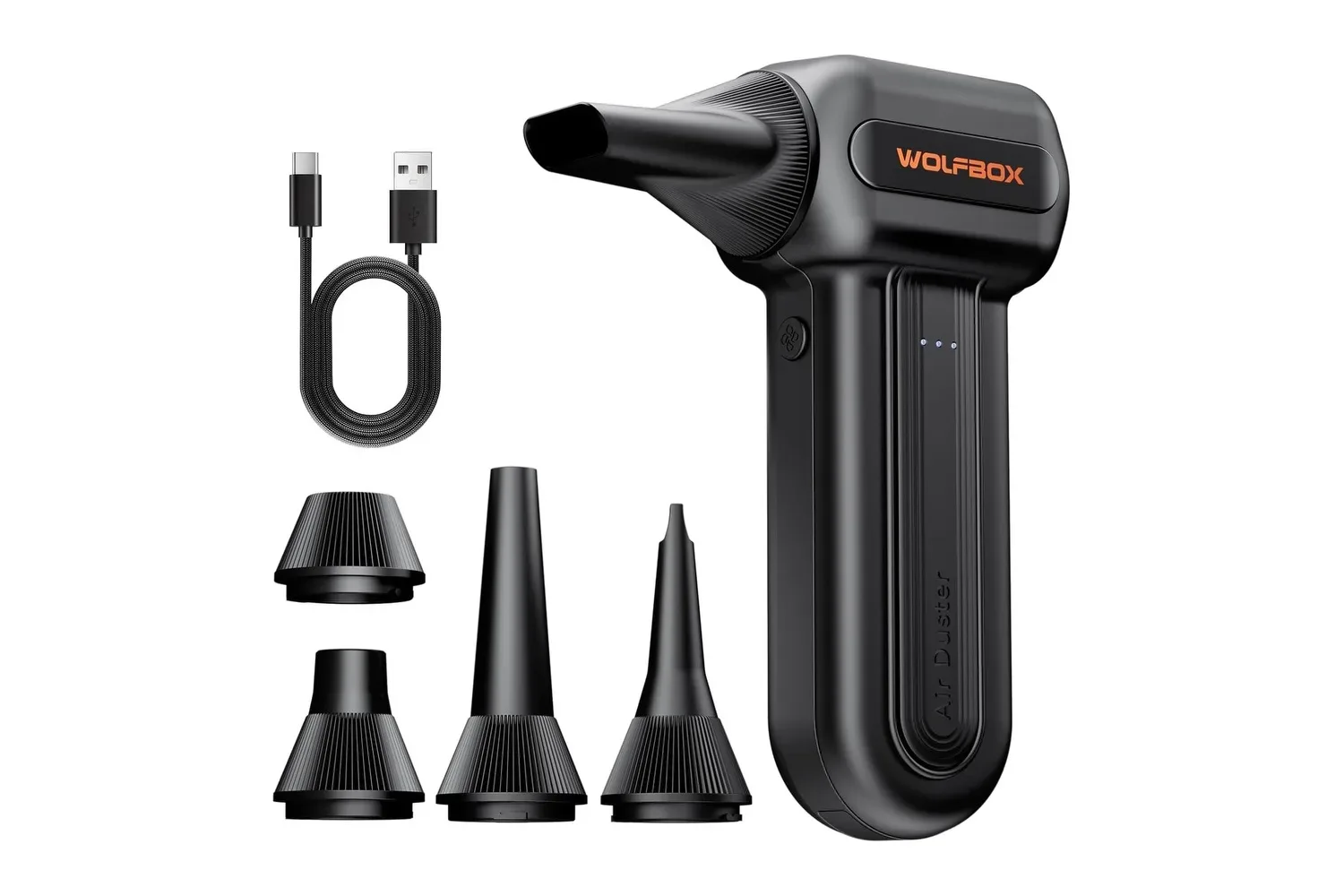
Routine maintenance remains useful once a system is assembled. For readers considering a general tidy-up while working inside a PC, our guide to the WOLFBOX MF60 electric air duster and PC-cleaning tips covers the role of careful dust removal in system upkeep.
Who the $365 listing may suit
At the stated price, the Ryzen 7 7800X3D is most clearly relevant to gamers who are already planning a CPU purchase and value its cache-centric design. It may also interest builders looking for an eight-core, 16-thread chip that can cover demanding everyday multitasking and creative workloads alongside gaming.
It is less useful to frame the offer as a universal upgrade recommendation. Someone who lacks a dedicated GPU, needs to budget for a cooler, or is uncertain whether their current processor is the source of a performance problem has more to assess than the headline discount. Likewise, integrated Radeon graphics are useful for basic operation but do not alter the need for appropriate graphics hardware in a gaming-focused system.
The cleanest reading of the deal is therefore straightforward: $365 is $84 below the stated $449 price for a CPU with eight cores, 16 threads, a 4.2GHz base clock, overclocking support up to 5GHz and 96MB of L3 cache through 3D V-Cache. Those are substantial specifications for a gaming build. The final decision should include the cost and compatibility of a separate cooler, the role of a dedicated graphics card, and whether the rest of the PC is ready to make meaningful use of the upgrade.
Shop the products
Check current price, model and availability at the retailer.