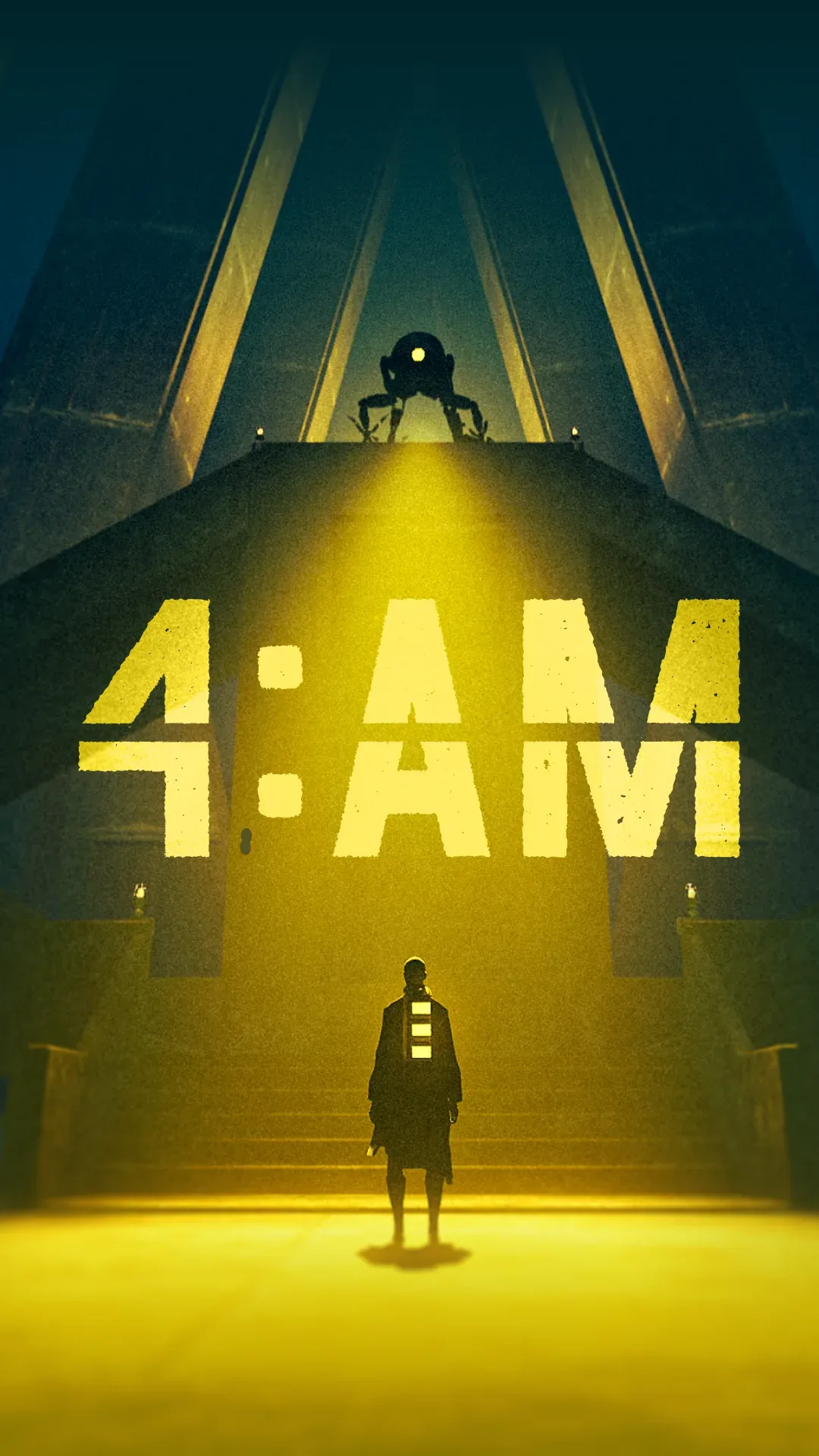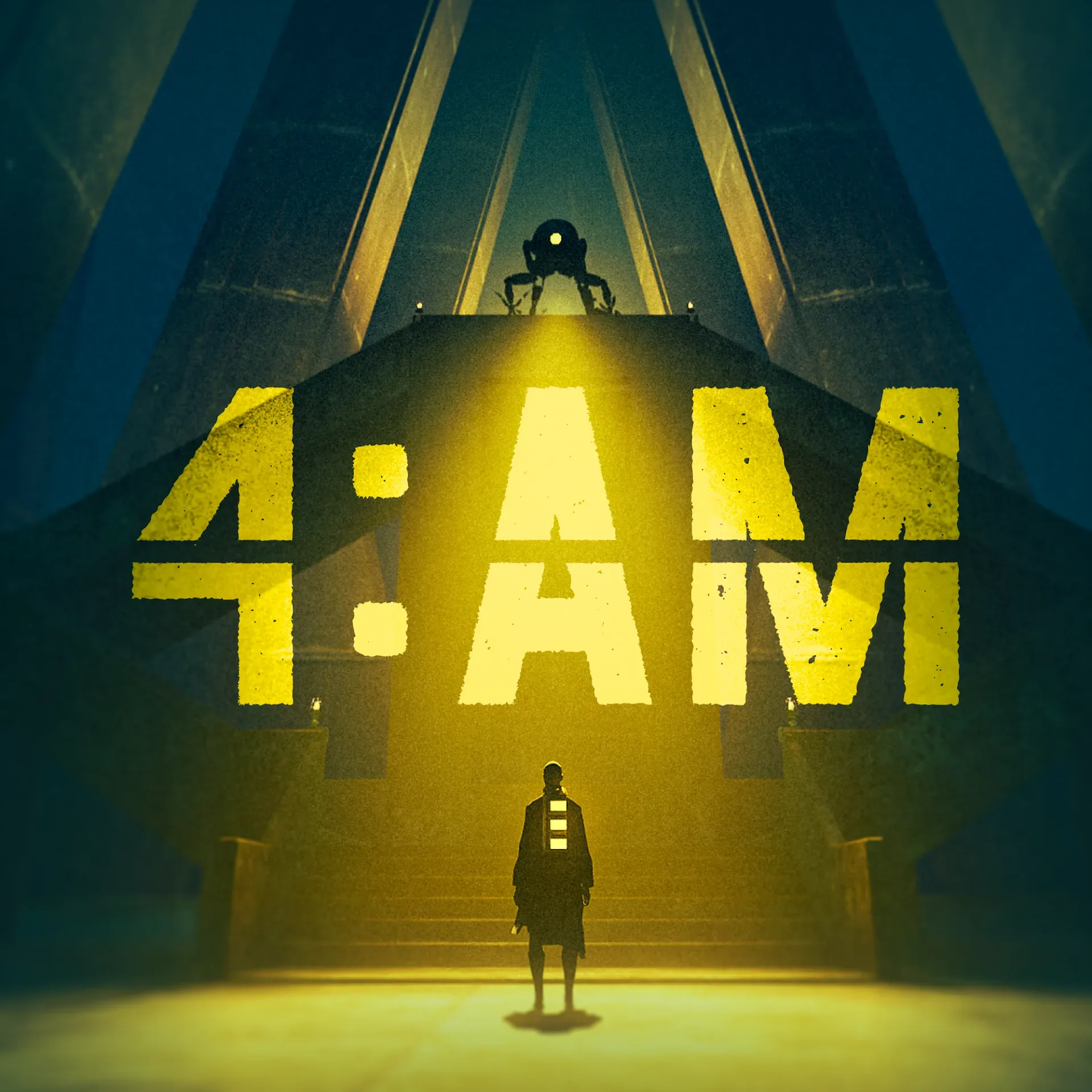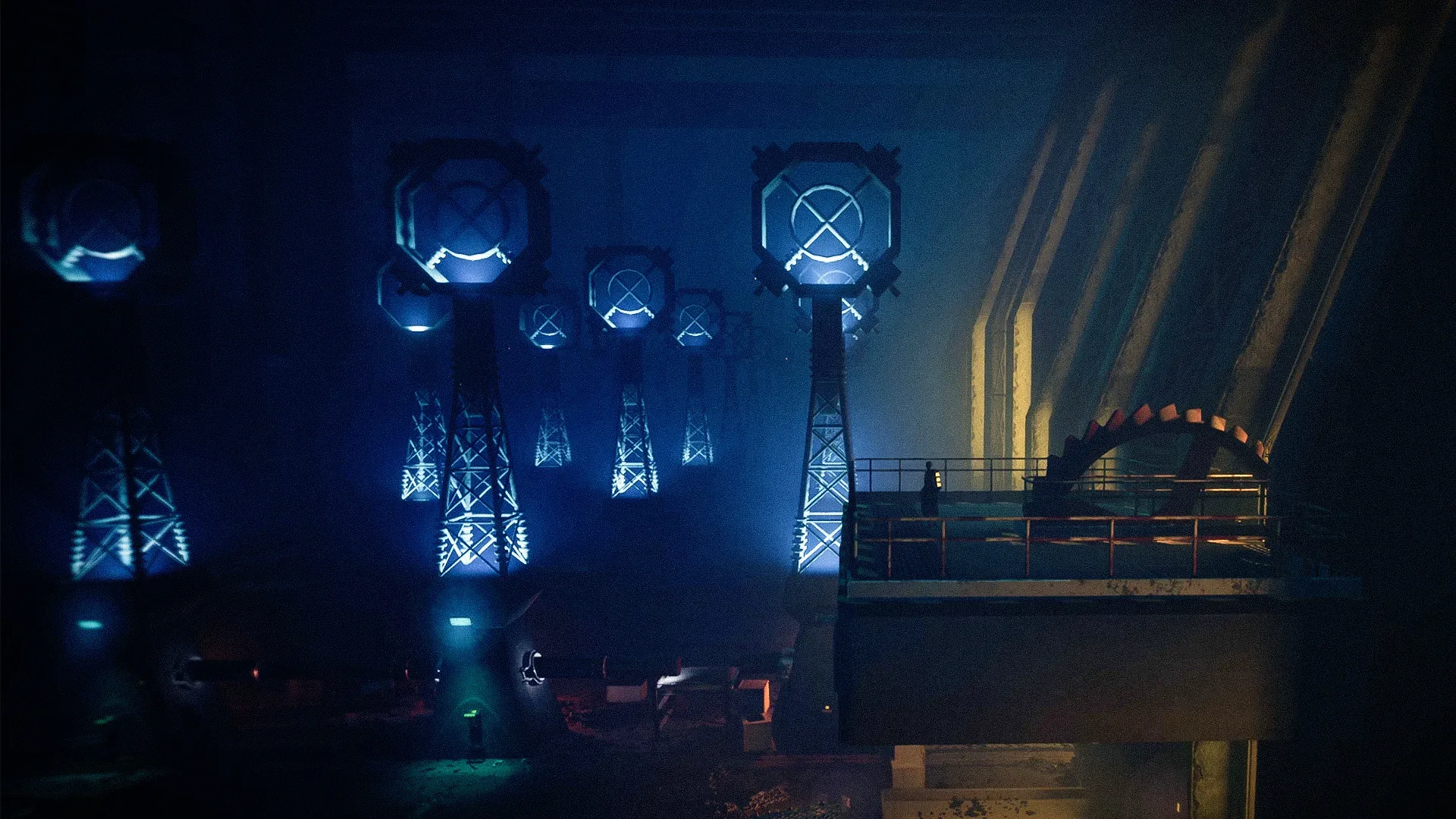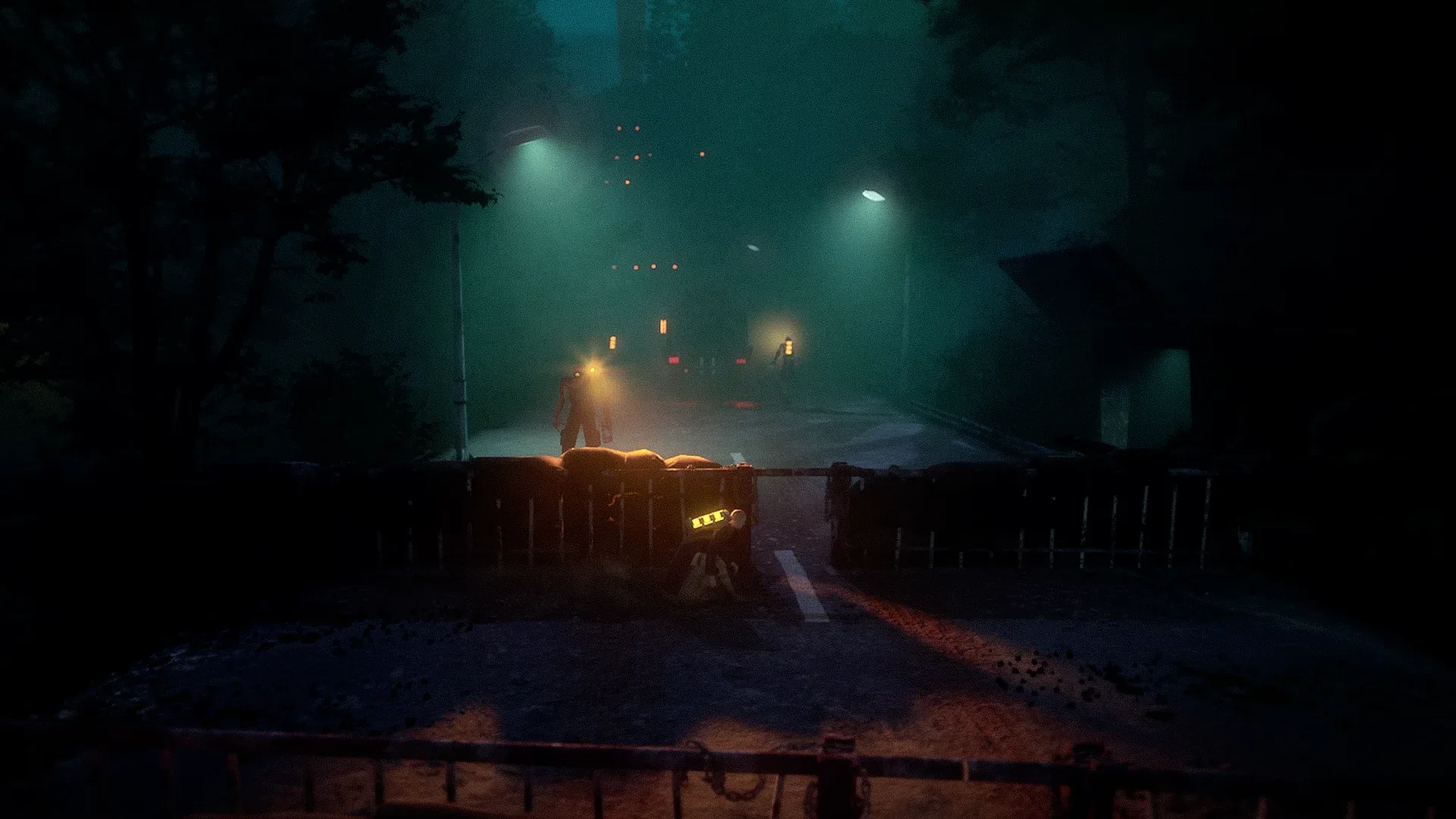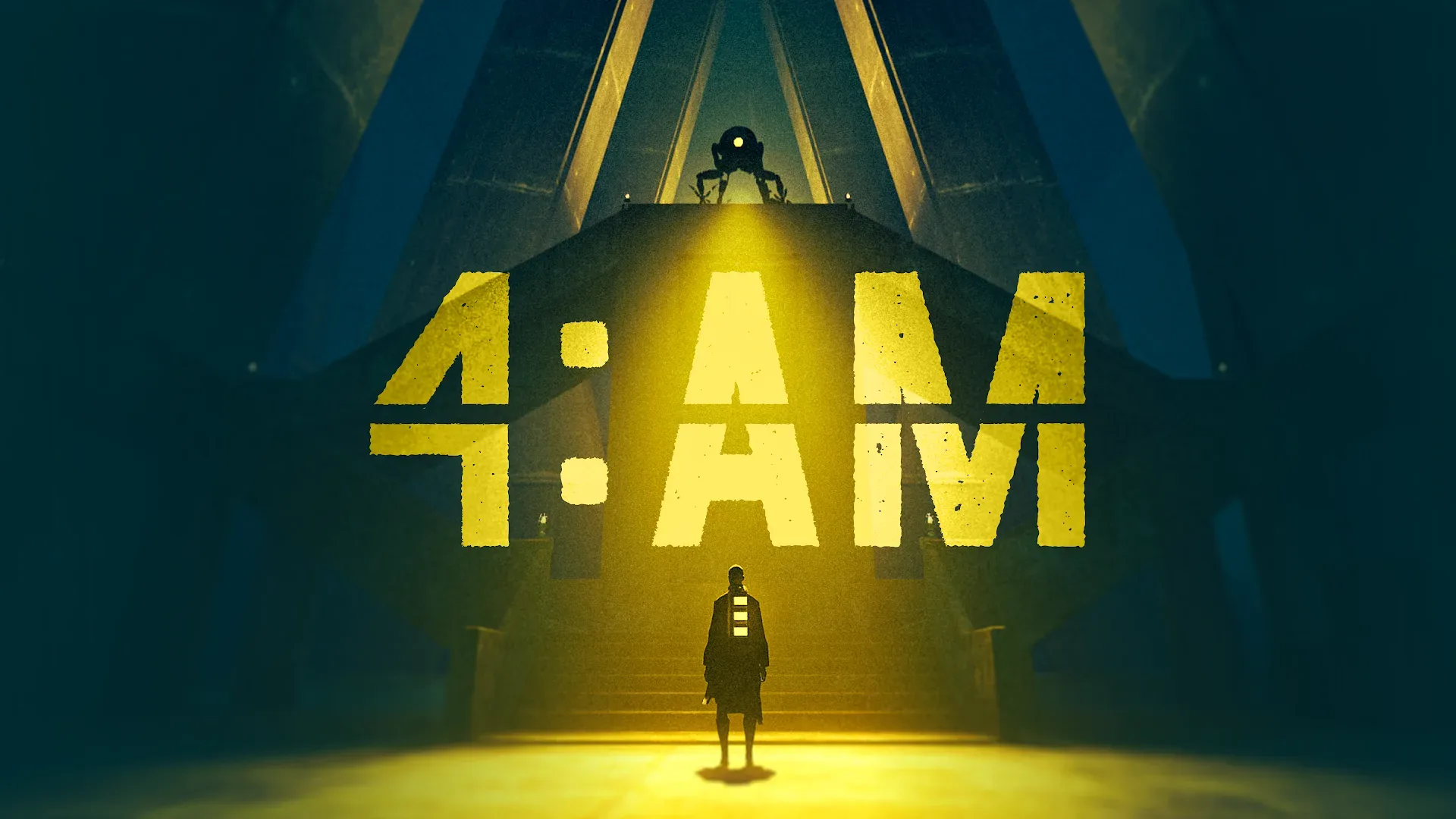
4:AM, a cinematic puzzle platformer from Dark Zone Studios, is scheduled to arrive on PC through Steam on December 10, 2026. A demo is available now, offering an early look at a game whose central idea is not overpowering danger, but rearranging it.
The game follows Aila, an escapee from a facility in a near-future dystopia. Society is divided between people who control a substance known as the Yellow and those exploited as laboratory subjects in its creation. Aila’s route out depends on observation, timing and on-the-fly problem-solving rather than direct combat.
That setup places 4:AM in the tense, wordless-feeling space associated with cinematic puzzle platformers, while its main mechanic gives it a more expressly systemic angle. The game invokes the atmosphere and side-on suspense of INSIDE and Little Nightmares, but asks players to work with the items already inhabiting a threatening environment.
N.O.D.E. turns the environment into a puzzle inventory
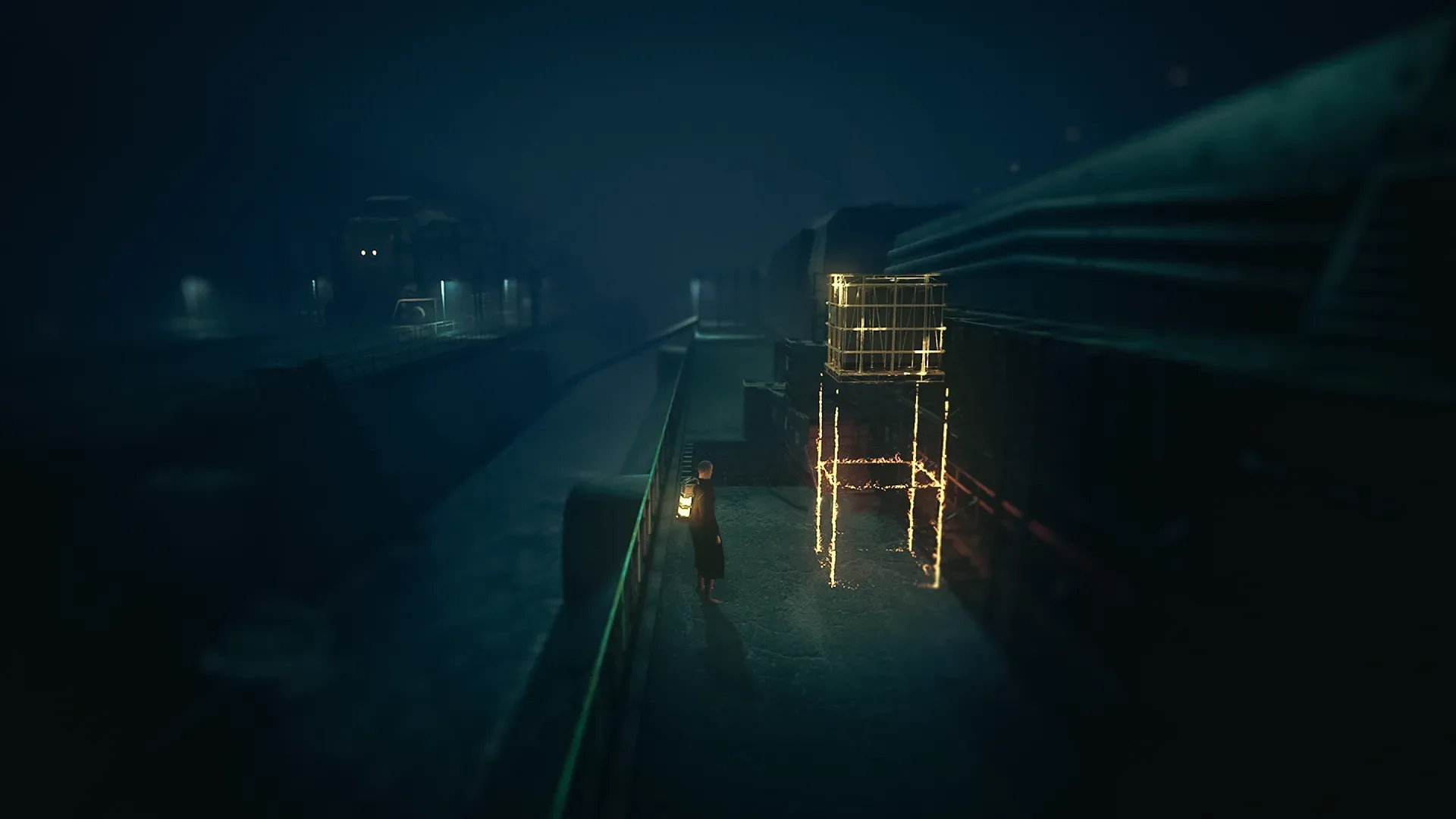
The core system is called N.O.D.E., and it allows Aila to copy objects from the world and place those copies elsewhere. Furniture, loose debris, lights and functional tools are all described as potential materials for an escape plan.
In practical terms, that means an object does not have to remain what it initially appears to be. A piece of furniture might become cover; a light source could work as a distraction; a useful tool may create a route through an obstacle. The interesting question in each space is therefore not simply, “What is the intended item?” but “What can this thing become if it is moved, duplicated, or used to alter attention?”
That distinction matters in a puzzle platformer. Traditional environmental puzzles often ask players to locate a single key, lever or movable box and carry out a prescribed sequence. 4:AM is presenting N.O.D.E. as a way to broaden the range of possible responses. Copying an object from one location and repositioning it in another could support hiding, distraction, traversal or a more dangerous improvised solution.
It also makes the state of the room important. Players are not merely navigating a stage; they are changing its layout and the options available inside it. A carefully placed obstacle may protect Aila, while a misplaced one may block a route or draw unwanted attention. The game’s tension is likely to come from making those decisions under pressure rather than treating them as isolated, consequence-free puzzles.
Fire, water and electricity are part of the equation
4:AM also frames electricity, water and fire as dynamic environmental elements. They respond to materials and context, and can be hazards or tools depending on how they are used.
Related coverage includes 4:AM Sets December 10, 2026 PC Release on Steam.
“Dynamic” here means that these elements are not described as passive scenery. Their effect is tied to what is around them and what the player does with nearby objects. That can make a familiar-looking room less predictable: water may matter because of its relationship to electrical danger, fire may become a problem or an opportunity depending on materials, and an item copied with N.O.D.E. may change how safely Aila can move through a space.
The available details do not establish every interaction or its precise rules, so players should not assume a specific simulation model. What is clear is the intended design direction: environmental hazards are meant to be read as part of a larger puzzle system, not only avoided.
This is where the object-copying concept has the most potential to create meaningful choices. A player can see an obstacle, an enemy and a hazard in the same area, then decide whether to make cover, create a diversion, manipulate the environment or flee. That is a more flexible premise than a single-purpose puzzle item, especially when the game is also built around stealth and response.
Stealth plans can collapse into escapes
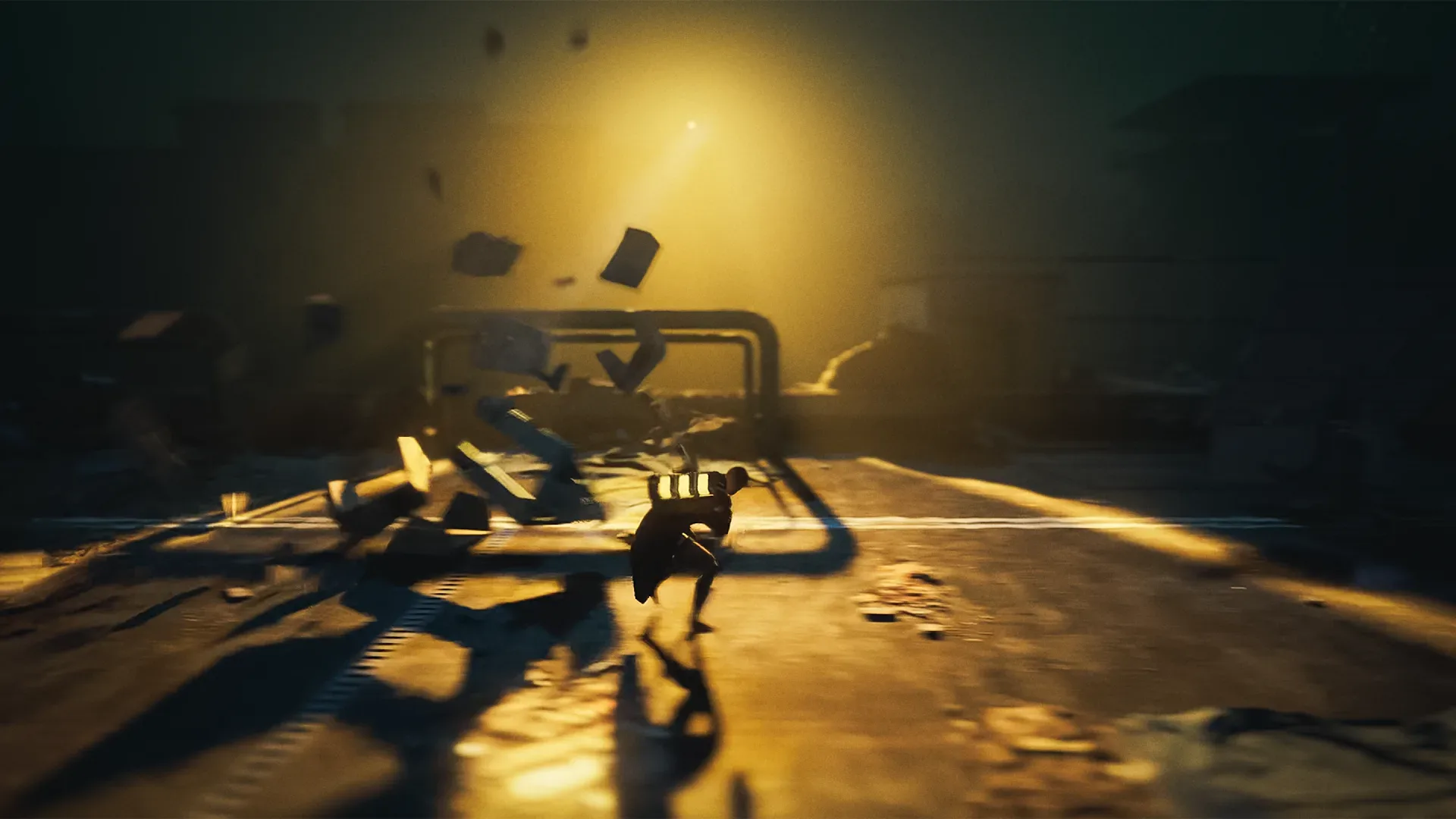
Aila is not positioned as a brute-force protagonist. The stated tools are observation, improvisation and timing, while enemies react to sound, movement and disruption. The immediate implication is that a successful route will be shaped by what guards or other threats notice, not just whether the player reaches a door.
Stealth in this context means reducing exposure and moving around danger without forcing a confrontation. Misdirection means drawing attention away from Aila’s actual path. 4:AM supports both, but it is not promising a perfectly controllable stealth sandbox. Enemies can respond to disturbances, and a constructed plan can rapidly become a desperate escape.
That volatility fits the premise of N.O.D.E. A copied light or a shifted object could create the opening Aila needs, but it could equally make noise, attract attention or turn a calm room into a chase. The game is explicitly designed to support risky improvisation alongside more careful approaches.
For players, the practical takeaway is that experimentation appears to be part of the intended rhythm. An encounter may be handled quietly, but the game also acknowledges that plans can go wrong. Instead of treating any detection as an automatic failure of the design, 4:AM appears to leave room for recovery: turn a mistake into a distraction, use nearby objects as cover, or find an unplanned exit.
No single solution—and consequences beyond the room
Dark Zone Studios says challenges and encounters have no single correct solution. That is a substantial promise for a story-led puzzle platformer because it suggests players are choosing methods, not merely finding the developer’s one required answer.
The listed options include stealth, misdirection and hazardous improvisation, and the environment may continue to develop even if Aila does not intervene. Events unfolding without player input can create urgency: waiting for the safest possible move may itself be a choice, because the situation can change before that move is made.
The game’s choices are also said to affect who survives and how Aila’s story ends. That indicates consequences extending beyond the immediate puzzle screen. However, the currently available details do not define the number of endings, identify specific characters affected, or explain how those decisions are tracked. The safest expectation is that 4:AM will tie some story outcomes to player action, rather than promising a particular branching structure that has not been detailed.
That uncertainty makes the demo particularly useful. It can establish how N.O.D.E. feels in motion, how readable the environmental interactions are, and whether the balance between deliberate stealth and fast recovery suits different play styles. It should not be treated as proof of the scope of the final game’s narrative paths, but it is the available way to assess the moment-to-moment premise before release.
A PC release in a busy late-2026 slate
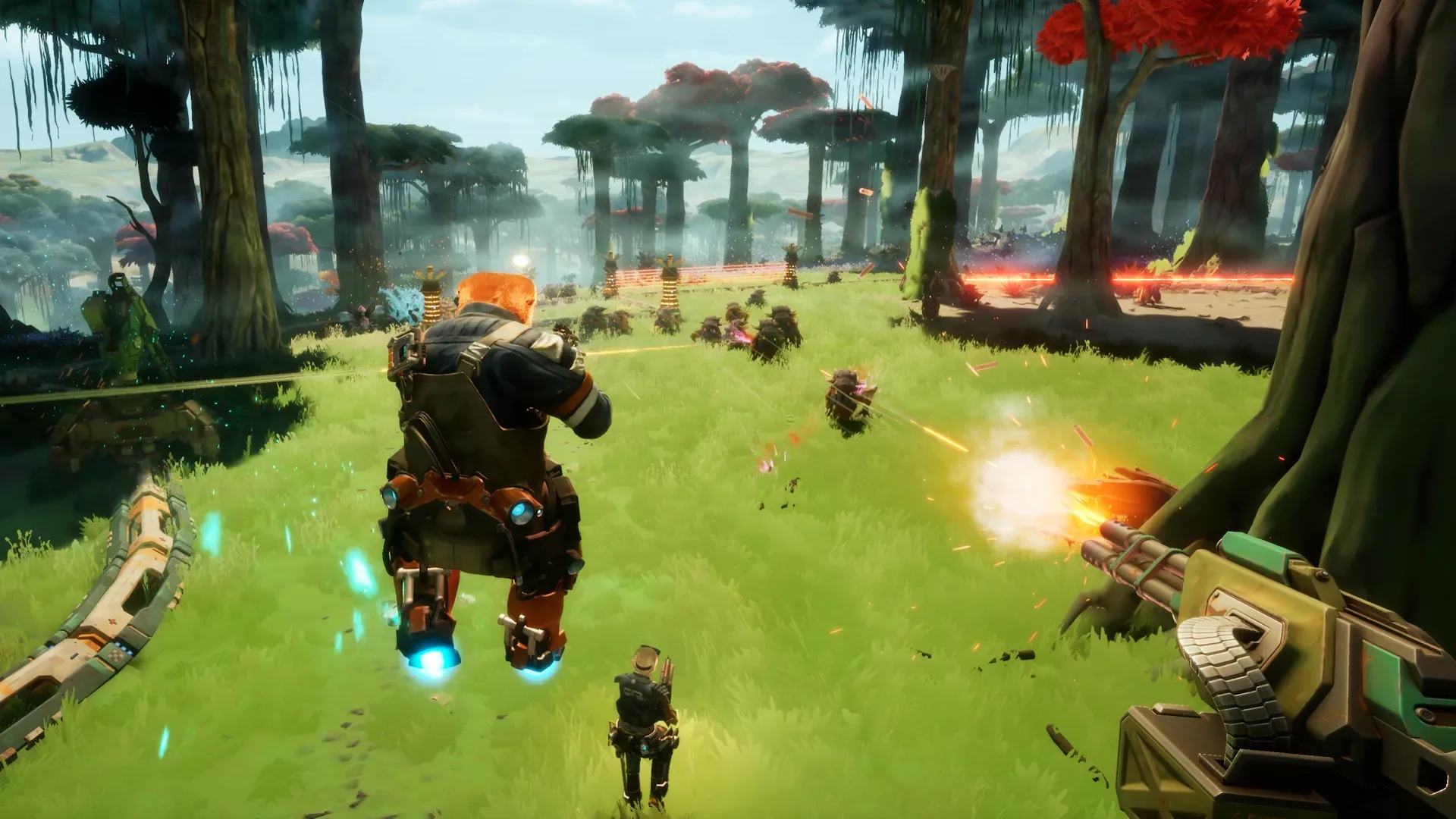
4:AM is confirmed only for PC via Steam on December 10, 2026. No other platform release has been specified in the available announcement. Players looking across the broader PC calendar can also see another forthcoming release in GRAVHOUNDS’ planned early-access debut, though the two projects target very different kinds of play.
For 4:AM, the headline is the combination of a claustrophobic escape story with a mechanical hook that makes ordinary surroundings useful. Its dystopian setting supplies the stakes, but N.O.D.E. supplies the identity: copy what is nearby, reposition it intelligently, and try to stay alive when the room—and the people in it—react.
The full release is due December 10, while the demo is available ahead of launch for players who want to see how Aila’s object-driven escape works firsthand.