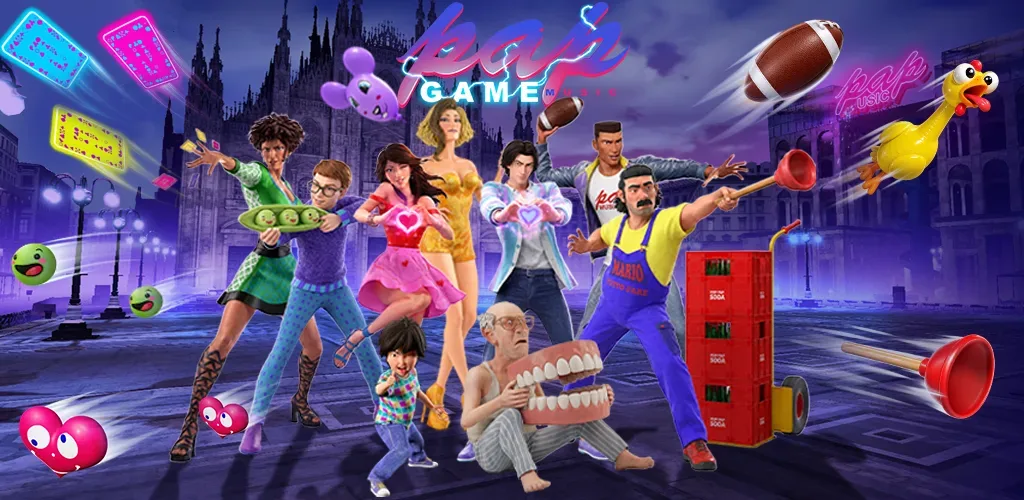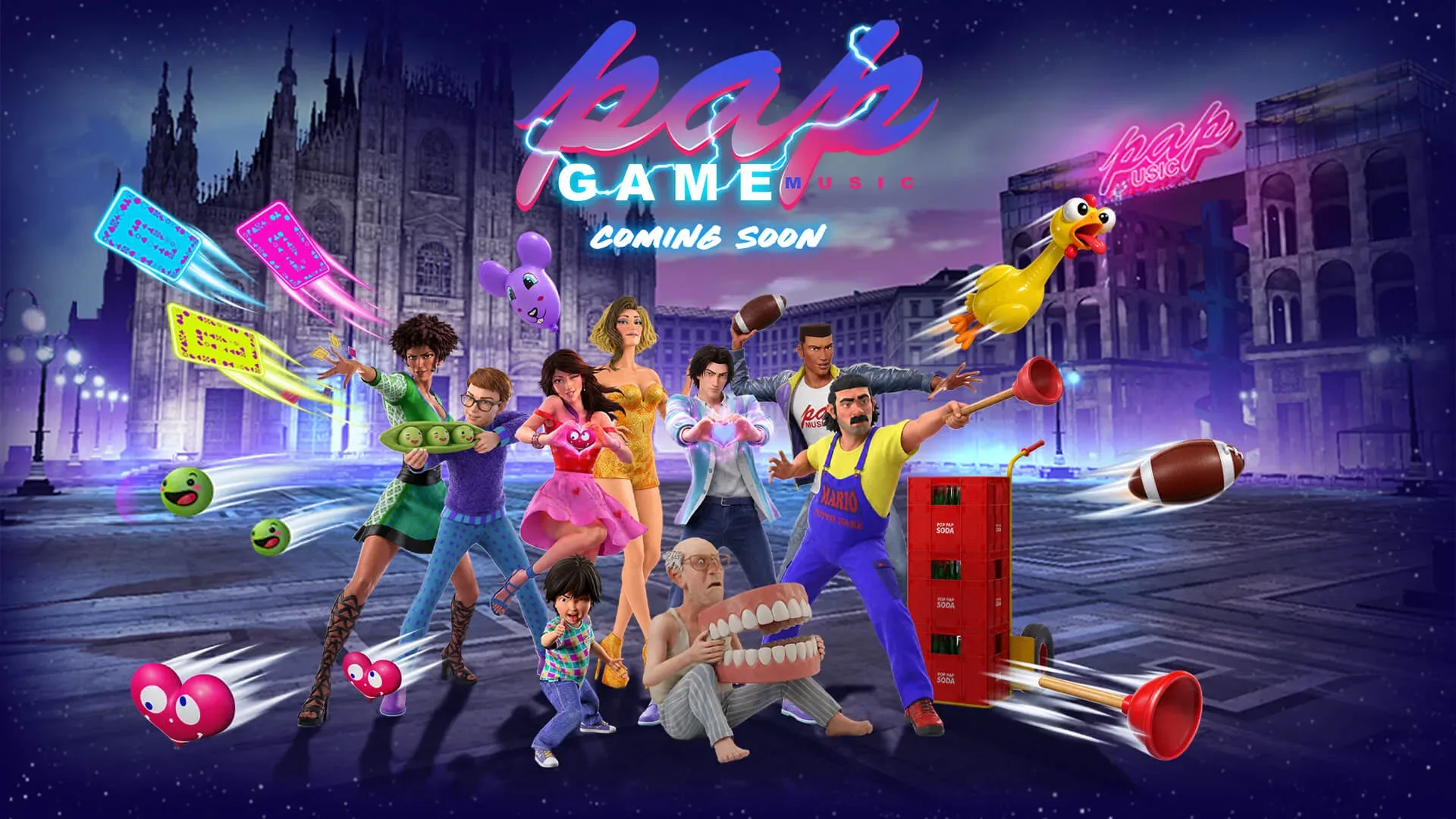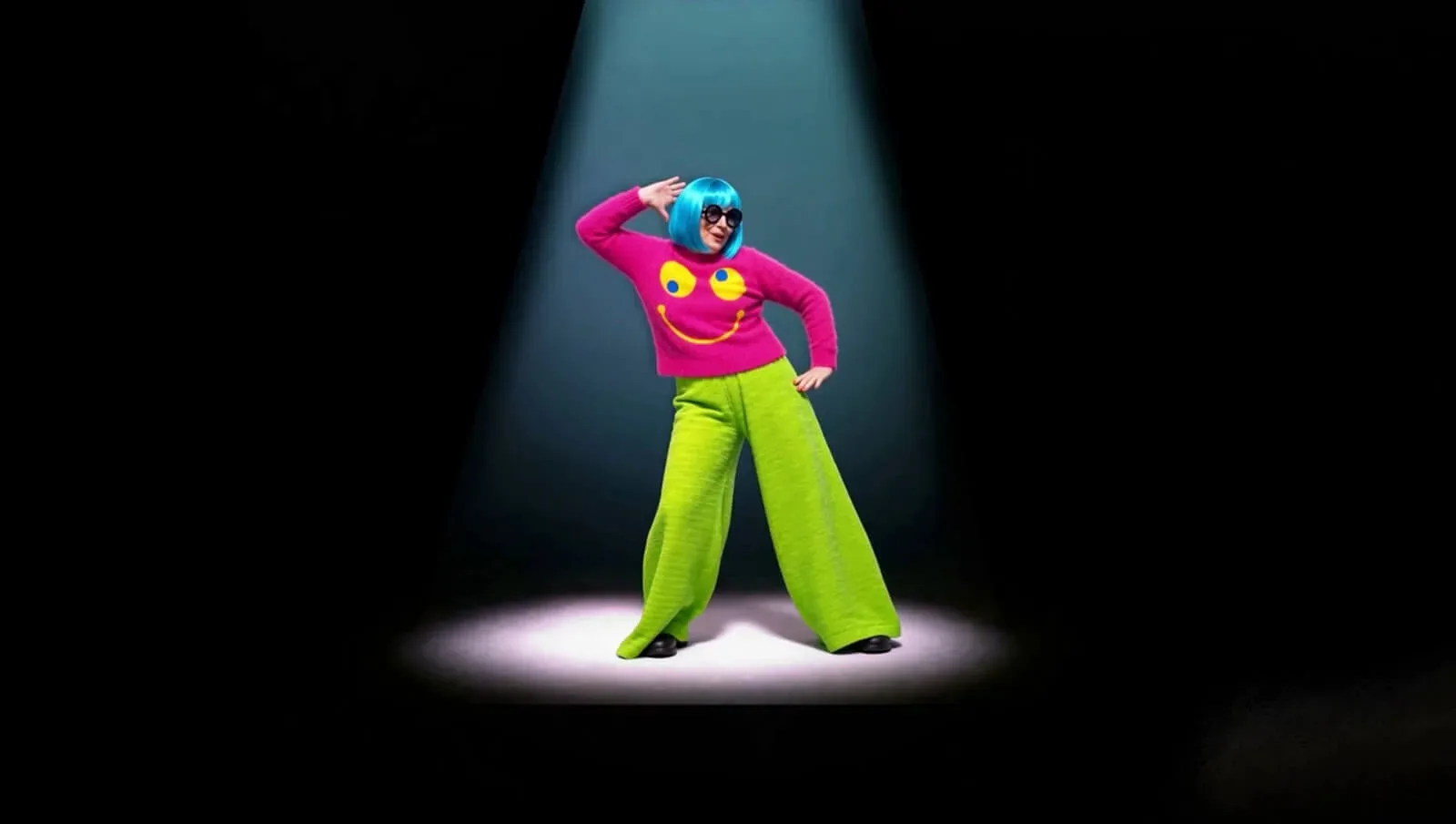
PAPgame is framing its mobile debut around two deliberately different ways to enter PAPworld: PAPcrazy, a surreal first-person arcade adventure, and PAPrhythm, a rhythm game built around musical challenges and track-linked rewards. Developed and published by Not Just Music S.r.l., the Android and iOS game draws on the animated feature PAPmusic – Animation for Fashion, turning its characters, visual identity and songs into interactive systems rather than treating them as background decoration.
The split is meaningful. PAPcrazy appears to be the broader progression-driven mode, full of ranks, trophies, changing environments and repeat runs. PAPrhythm concentrates the project’s music into a more direct performance format. Both modes use the same song library, meaning the game’s playlist is intended to connect its exploration, rewards and musical play rather than sit apart as a menu extra.
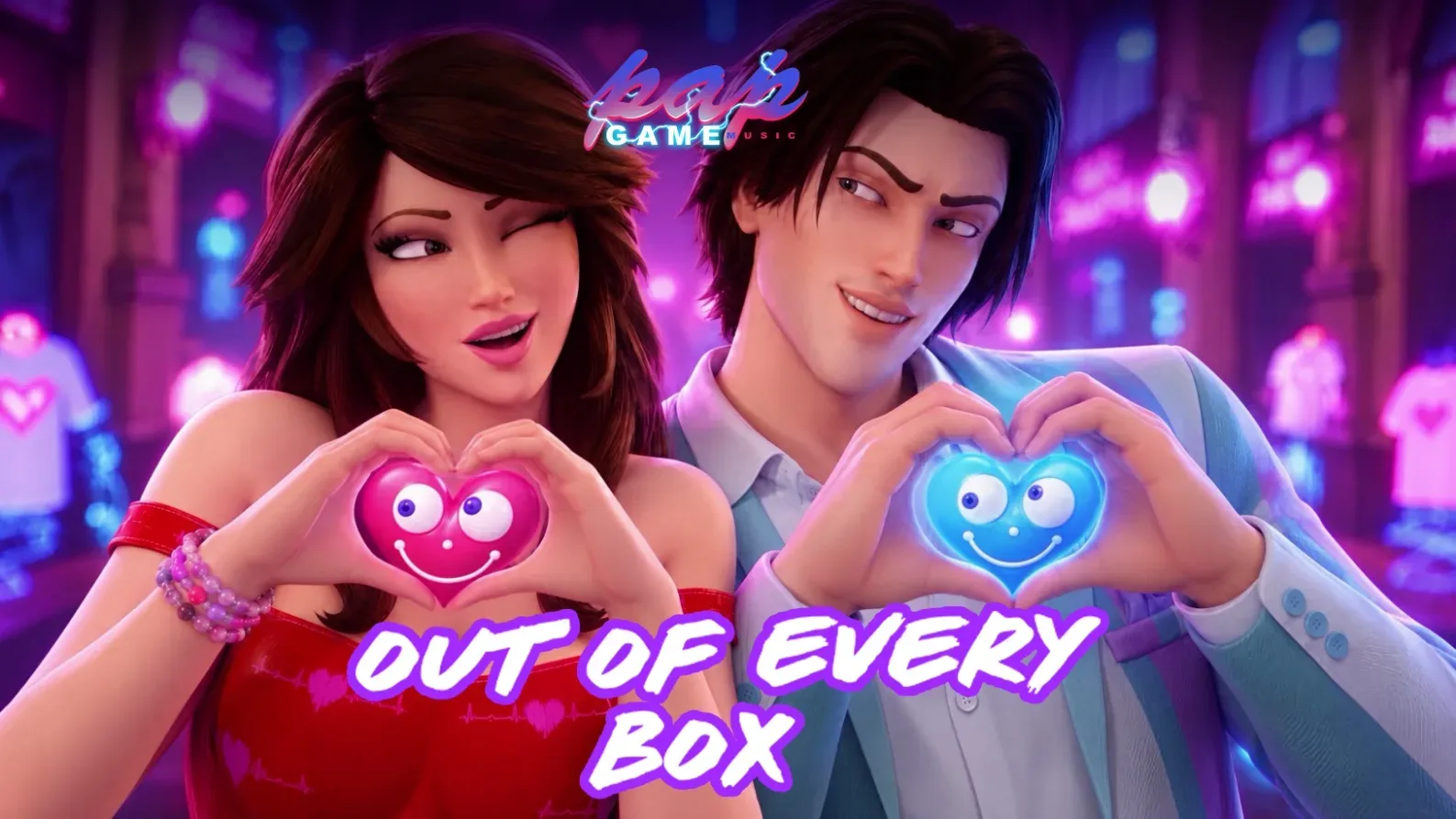
That two-mode structure was introduced with the fourth musical short, PAPmusic Game Out of Every Box. It follows BREAKING PAPnews in June, I Play PAPmusic Game in July and Is It Just a Game? in September. The newest chapter is the one that formally brings PAPrhythm into view alongside PAPcrazy.
PAPcrazy swaps combat for hearts, reactions and absurdity
PAPcrazy is set in a transformed version of Milan’s Piazza Duomo, though the setting is not being presented as a conventional recreation of the landmark. It becomes a launch point for what the game calls PAPchaos: a surreal space populated by unpredictable characters, challenges and rewards.
Its central action is especially unusual for a first-person game. Instead of firing weapons at enemies, players launch hearts at people and objects. Those interactions can set off reactions, jokes and dance animations. The stated goal is a non-violent, comic kind of play in which traditional combat gives way to playful responses and deliberately strange situations driven by “PAPlove.”
That design premise matters because it establishes the likely rhythm of PAPcrazy. The attraction is not simply getting through a level as efficiently as possible; it is finding out what an object or character does when hit with a heart. A floating T-shirt, for instance, is not merely set dressing. Ghost PAPtees release animated graphics after they are struck, making fashion imagery a responsive part of the level.
Interactive environmental design is the key term here. It describes scenery or props that do something when the player engages with them, instead of existing only to establish mood. PAPgame’s announced examples suggest that its fashion-inspired presentation is meant to be mechanical as well as visual. Characters, clothing and objects are all positioned as possible triggers for animation, humor or rewards.
There is an arcade element in PAPcrazy, but the available details point to a structure that blends action with collection and discovery. The game uses 35 PAPranks and 11 trophies over eight levels. Players move through seven environments before an additional stage that leads to the final trophy in the Never-Ending PAPstory.
Related coverage includes PAPgame Unveils PAPcrazy and PAPrhythm for Mobile.
Tracks are rewards, playlist entries and part of the game’s economy
Music is at the center of both experiences. At launch, the PAPshop is planned to offer roughly 50 songs that can be used in PAPcrazy and PAPrhythm. Some will be gifted, while others may be purchased or unlocked through play. PAPcoins and PAPgems are the announced in-game currencies, although no conversion details, earning rates or purchase structure have been specified.
For PAPcrazy’s initial run, every environment rewards a song. Six tracks can be earned for free through gameplay. These tracks feed into the player’s personal PAPlist, giving progression a musical result: advancing does not only produce a rank or trophy, but expands the music available across the game.
This makes the distinction between a reward track and background music important. A reward track is content that enters the player’s usable library through a game action, such as clearing an environment. The song then has a role beyond the moment it was earned, because it can be used in both of PAPgame’s modes. For players who respond more strongly to music than to virtual badges, that could make advancement more tangible.
PAPrhythm turns the same characters and objects into interactive musical challenges. Few rules for those challenges have been detailed, so it would be premature to assume a particular note layout, input method or scoring model. What is confirmed is the rhythm-game focus, the connection to tracks and the presence of rewards linked to them.
In practical terms, the two modes look designed to support different moods of play. PAPcrazy is the mode for navigating unusual spaces, triggering visual gags and working through a larger advancement structure. PAPrhythm should offer a more music-forward activity connected to the same catalogue. The shared song pool provides the bridge: a track won while exploring can have relevance when moving into a musical challenge.
Players looking for another recent mobile-focused oddball premise can also see how a single playful hook can shape an entire game in WHAT THE CLASH?’s first story adventure on Apple Arcade. PAPgame’s announced concept is different, but it likewise leans into humor and a premise that does not resemble standard combat-driven action.
A prestige-style replay loop changes the environments over time
PAPcrazy’s longest-term system is described as a prestige-style loop. In games, prestige generally means voluntarily beginning another progression cycle after reaching a major completion point, while keeping at least some evidence of prior progress. PAPgame’s version lets players restart while retaining their score, earn trophies again and keep a count of how many times each trophy has been won.
The important wrinkle is that a repeat run is not presented as a straightforward reset. The environments and difficulty evolve over successive cycles. The announced sequence moves through evening, rain, snow, a football pitch, planets and galaxies. Those shifts suggest the game intends its repeated play to become more visually and mechanically escalating rather than simply asking players to retrace unchanged stages.
Exactly how each condition affects objectives, controls or scoring has not been outlined. Rain and snow may be visual states, difficulty modifiers, or both; the details are not yet available. But the listed transformations communicate the intended tone clearly. PAPcrazy begins with a recognizable Milanese location and then pushes outward into sporting and cosmic imagery, matching the project’s preference for fashion, music and cartoon surrealism over realism.
Leaderboards add a competitive layer to that loop, while My Collection is intended to house trophies, GIFs and other items. This is an in-game collection feature, not a physical collecting program. Its role is to give players a record of what they have earned and encountered as they revisit the game’s cycles.
The combination of leaderboard rankings and repeatable trophies could appeal to two separate motivations. Leaderboards reward relative performance against other players. A collection screen rewards completion and visible accumulation. The prestige counter adds a third measure: not only whether a trophy has been earned, but how frequently it has been reclaimed. That is a straightforward way to make returning players’ history visible without erasing their previous effort.
Fashion is part of the interaction model, not just the packaging
PAPgame’s fashion connection is rooted in PAPmusic – Animation for Fashion, but the game’s announced systems show an effort to put that identity in motion. Ghost PAPtees are the clearest example. The floating shirts release animated graphics when players hit them, turning an apparel-shaped object into an interactive target.
It is a small detail with a larger implication: PAPgame appears to be using its visual language as a source of actions, effects and comedy. In many licensed or multimedia projects, the visual brand primarily appears in menus, costumes or promotional art. Here, at least from the features described so far, clothing imagery is meant to react within play itself.
The same principle extends to the game’s cast and setting. PAPworld characters and objects serve as rhythm-game material; in PAPcrazy, they can respond to hearts with animations and jokes. The developers are positioning the world as a set of playable prompts. Whether that results in deep systems will depend on the variety of interactions and challenges, which have not yet been fully detailed, but the direction is distinct.
Unreal Engine 5, proprietary tools and cloud-backed systems
On the technical side, PAPgame is being developed in Unreal Engine 5, with proprietary tools made in C++ and Python. Unreal Engine 5 is a game-development engine: a software framework used to build and run games. C++ is commonly used for performance-sensitive game code, while Python is often used for tooling and workflow automation. The announcement does not spell out what the proprietary tools do, so they should not be read as a confirmed gameplay feature in themselves.
The game will also use cloud services for playlists, leaderboards, inventory and digital content. In this context, cloud services are online systems that can store or synchronize data beyond a single device. That supports the announced PAPlist, competitive ranking, My Collection inventory and distribution of digital items. Specific account requirements, offline options and data-handling policies have not been provided.
For players, the practical takeaway is that PAPgame’s music library, progression records and collection features are designed as connected systems. A song catalogue usable in two modes, leaderboards and an inventory of earned items all benefit from being managed through shared online services. At the same time, the announcement does not establish how much of the game will require a connection, so that remains an open question.
Android pre-registration is open; iOS release is planned
Not Just Music S.r.l. plans to release PAPgame for Android and iOS. Android pre-registration is open. No specific release date, iOS pre-registration status, device requirements or regional availability have been detailed.
What has been outlined is an unusually defined creative foundation for a mobile game: a heart-launching first-person adventure, a companion rhythm mode, a shared song library, replay cycles that reshape environments and a fashion aesthetic designed to react to the player. PAPgame is not pitching violence or realism as its primary draw. Its promise is that the stranger, more musical and more animated an interaction becomes, the more it belongs in PAPworld.