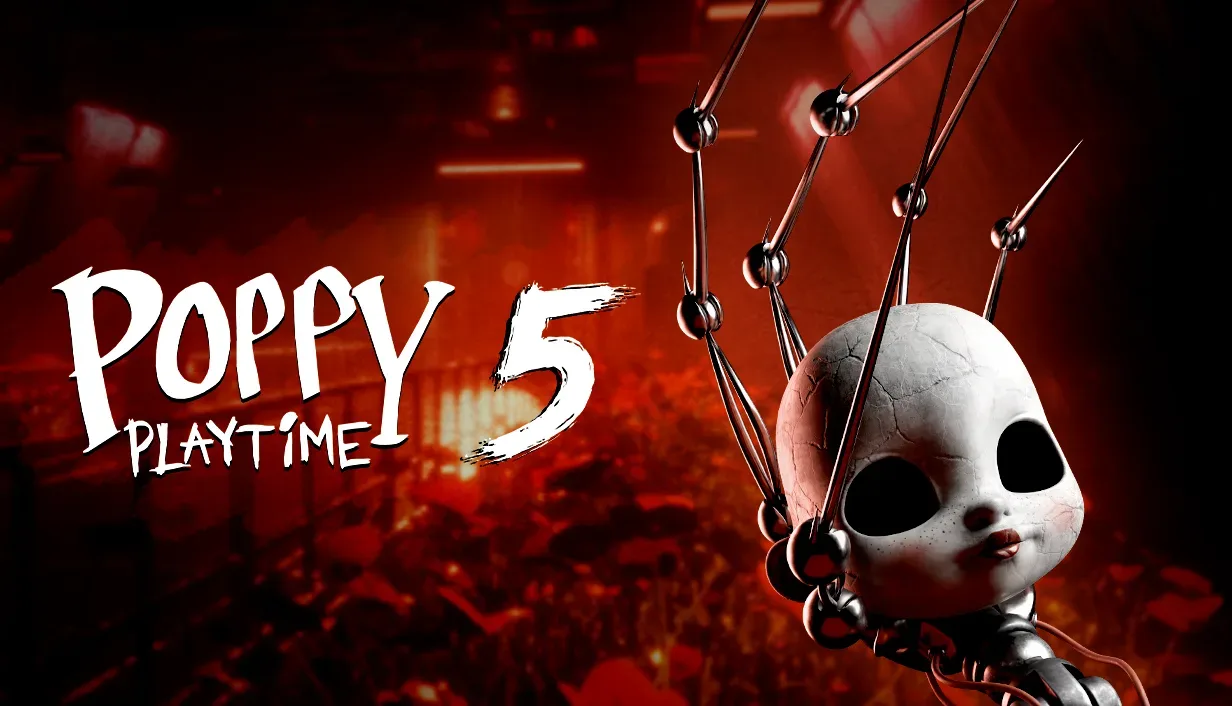
Poppy Playtime: Chapter 5 - Broken Things is now available worldwide on iOS and Android as of November 12, 2026. The mobile launch puts the latest mainline chapter of the Playtime Co. horror story on the App Store and Google Play, joining its existing releases on PC, Nintendo Switch, PlayStation 5 and Xbox Series X|S.
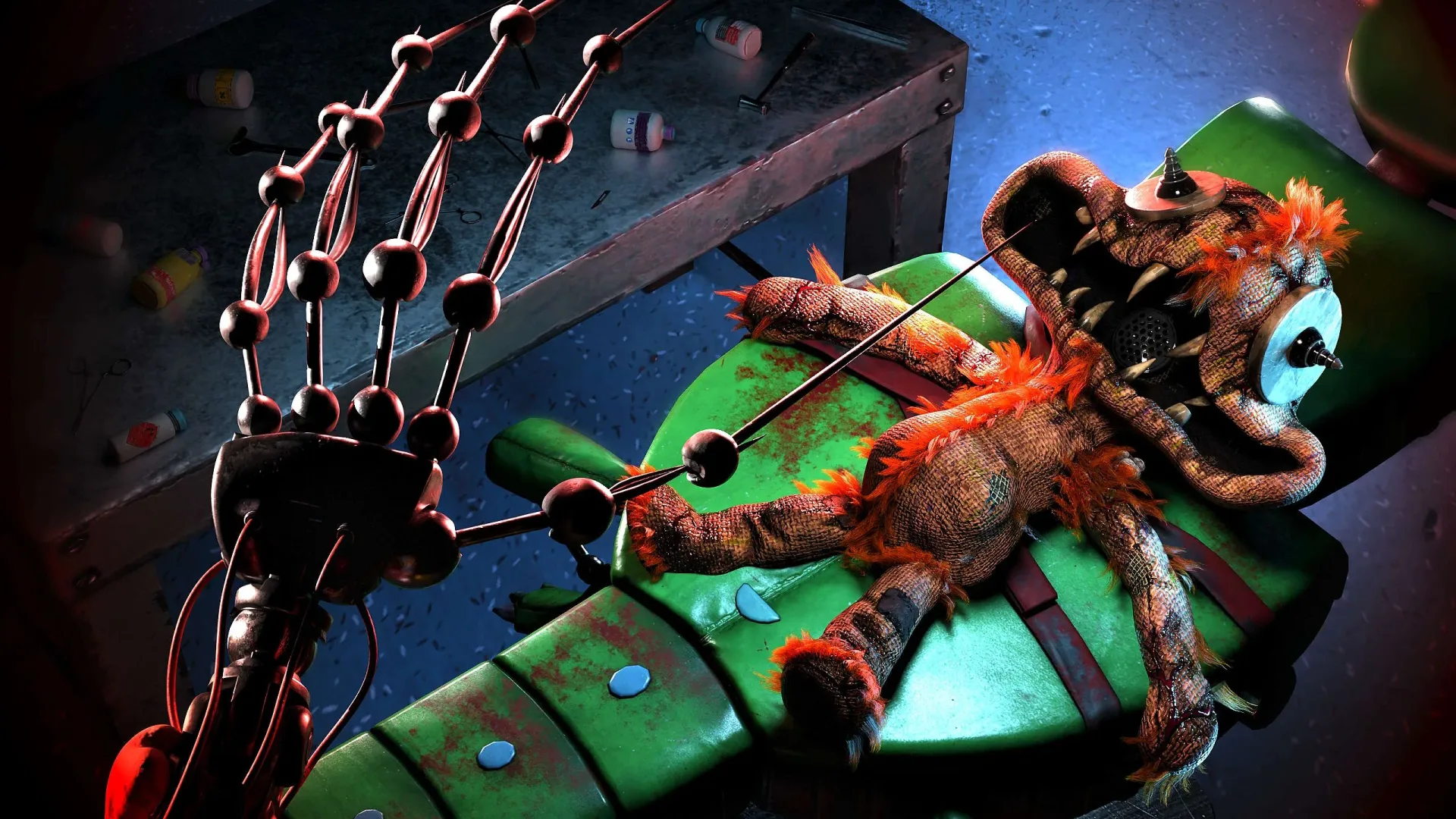
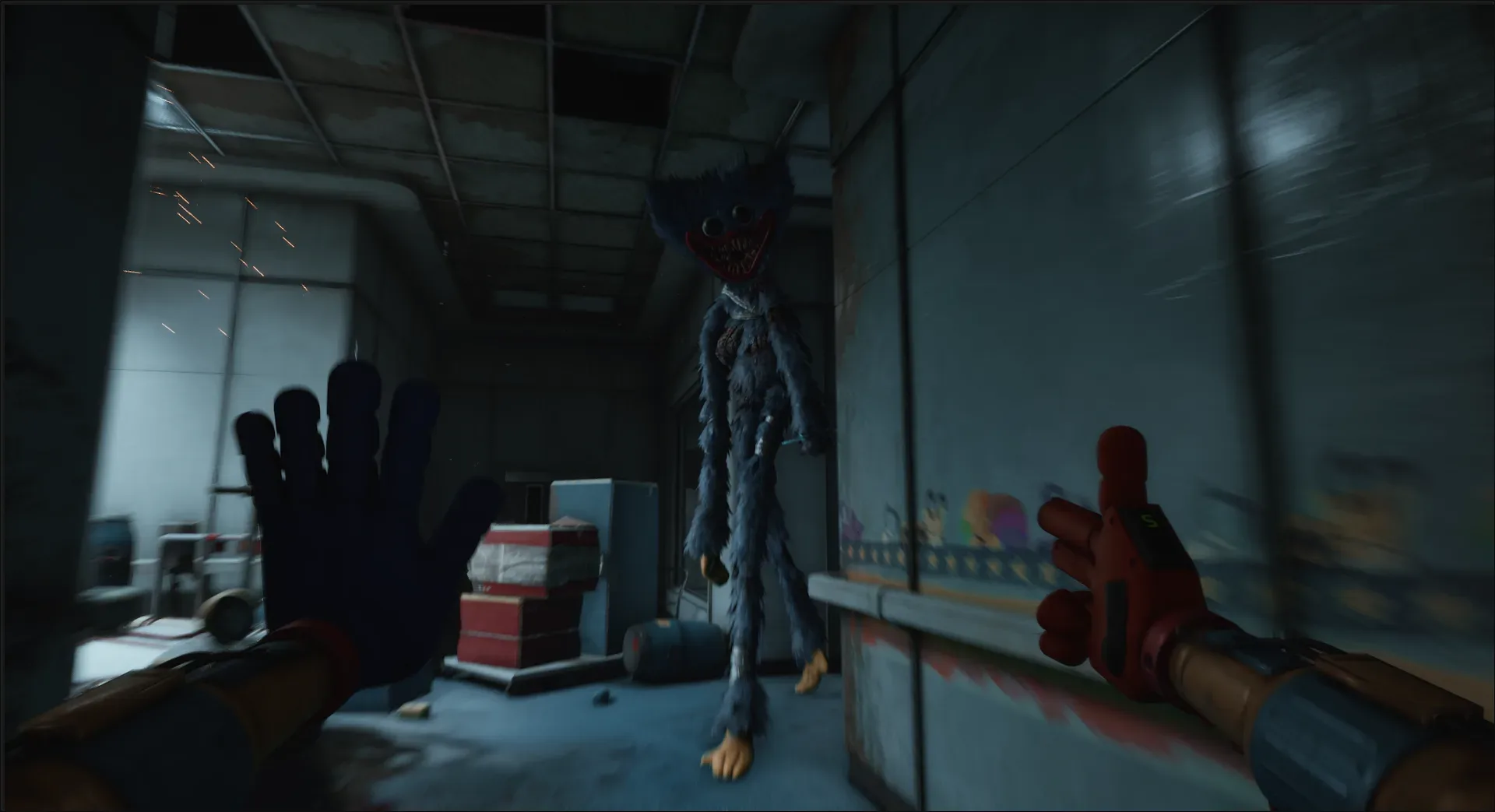
Chapter 5 continues directly from the events of Chapter 4. The player returns to the Playtime Co. factory while separated from allies, heading deeper into territory connected to the Prototype. That journey is not presented as a simple return trip through familiar halls: the chapter centers on a newly explored factory section hidden within the Prototype’s domain, with Huggy Wuggy hunting the player along the way.
For players who have followed the series through its chapter-by-chapter mysteries, the mobile release matters because it opens the current continuation of that story to a much broader set of devices. It is also a significant moment for a franchise that began in 2021 and has now drawn more than 50 million players.
A new mobile route into Playtime Co.’s deepest secrets
Broken Things sends players into forgotten factory spaces and the ruined aftermath of Playtime Co.’s experiments. The setting is important to the chapter’s premise: the factory is not merely a backdrop, but the place where its secrets, abandoned projects and surviving threats remain physically embedded in the environment.
The Prototype is the central force tied to this new descent. While the chapter’s setup points toward a confrontation with it, players are also immediately under pressure from a vengeful Huggy Wuggy. That arrangement gives the chapter two distinct sources of tension. The Prototype’s domain represents the larger mystery and destination, while Huggy Wuggy functions as an immediate pursuit threat during exploration.
New characters also appear during the journey. Some may offer aid, but the story’s factory setting is explicitly built around secrecy and betrayal, so help is not automatically the same thing as safety. That uncertainty is particularly fitting for a horror-puzzle game: interactions can potentially advance survival, reveal lore or complicate the player’s situation. The available details do not identify which characters are friendly or hostile, leaving those encounters as part of the chapter’s discovery.
Puzzles, hazards and the evolving GrabPack
Like earlier Poppy Playtime chapters, Broken Things combines horror with environmental problem-solving. Its listed gameplay elements include intricate puzzles, environmental hazards and new GrabPack tools and abilities.
The GrabPack is the series’ signature tool system: a wearable device with extendable hands used to interact with the surrounding environment. In practical terms, that kind of tool makes the factory itself part of the puzzle design. A player may need to reach distant mechanisms, manipulate objects or use the setting’s equipment in order to move forward. New tools and abilities suggest that Chapter 5 expands the player’s interaction options rather than relying only on the established GrabPack approach.
Related coverage includes Poppy Playtime: Chapter 5 - Broken Things Arrives on iOS and Android.
Environmental hazards are dangers created by the spaces and systems around the player rather than by a character directly chasing them. In a factory horror setting, this means progress can be gated not only by locks or riddles, but by dangerous obstacles that must be understood and overcome. The chapter’s combination of hazards and puzzles indicates that advancement depends on reading the environment as well as avoiding its creatures.
That distinction helps explain what mobile players are getting. Broken Things is not described as a separate side story or a reduced narrative detour. It is a mainline continuation with exploration, pursuit, puzzle-solving and new player abilities all tied to the same factory descent. The story objective and gameplay loop remain intertwined: reaching the truth about Playtime Co.’s experiments requires navigating the dangerous places those experiments left behind.
What Chapter 5 adds to the larger story
The Playtime Co. factory has long supplied the framework for the franchise’s mysteries. Broken Things moves further into that history by promising long-buried information about the company’s experiments. Its title and premise both point toward damaged remnants of those projects, but the announced details stop short of revealing the specific answers players will find.
That restraint is useful for anyone arriving on mobile without wanting plot revelations in advance. The essential setup is clear: Chapter 5 begins after Chapter 4, allies are out of reach, the Prototype’s domain lies ahead, and Huggy Wuggy is a live threat. Beyond that, the new characters, the factory’s forgotten areas and the secrets surrounding Playtime Co. are meant to be encountered through the chapter itself.
There is a broader storyworld component alongside the main games, too. Escape From Playtime entered Steam Early Access on October 21, 2026. It is a canonical co-op adventure for two to eight players, set after The Hour of Joy and before Poppy Playtime: Chapter 1. It features the Smiling Critters and includes lore intended to expand the Playtime Co. narrative.
Canonical here means the events are presented as part of the official continuity, rather than as an unrelated alternate scenario. Its placement before Chapter 1 means Escape From Playtime occupies an earlier point in the timeline than Broken Things, even though it launched in 2026 alongside the current wave of releases. Players interested in the fiction’s chronology can therefore distinguish between the mainline Chapter 5 continuation and a multiplayer story set much earlier in the company’s disastrous history.
The two projects also serve different play styles. Broken Things is a solo chapter focused on the player’s journey into the Prototype’s territory. Escape From Playtime is structured as a co-op adventure, with a two-to-eight-player format. Both are connected to Playtime Co., but neither should be mistaken for a replacement for the other.
Strong launch numbers set the context for the mobile release
Chapter 5 reached mobile after a notably large initial response on PC and consoles. It sold 110,000 copies in its first three hours and held the top position on Steam’s Global Top Sellers chart for more than 24 hours. It also led Twitch viewership on its launch day.
Those measures refer to different kinds of attention. Sales measure copies purchased. A Global Top Sellers placement reflects commercial performance on Steam’s worldwide chart over a period of time. Twitch viewership, meanwhile, represents audience attention around streams and videos on that platform rather than game ownership. Taken together, the figures show that Broken Things quickly became a major release both commercially and socially among viewers.
Across platforms, Chapter 5 has sold more than 800,000 copies to date. That total sits within a much larger franchise footprint: more than 50 million players have engaged with Poppy Playtime since the series debuted in 2021. Player counts and copy sales are not interchangeable measures, but both figures underline the series’ scale. One captures the broader audience reached by the franchise, while the other reflects purchases of this particular chapter across its available platforms.
The iOS and Android launch is therefore less a fresh start than an expansion of access for a chapter that has already established momentum elsewhere. Mobile players can now enter the same Chapter 5 storyline, rather than being left behind the PC and console versions.
Where Broken Things is available
Poppy Playtime: Chapter 5 - Broken Things is available on iOS through the App Store and on Android through Google Play. It is also available on PC via Steam and the Epic Games Store, Nintendo Switch, PlayStation 5 and Xbox Series X|S.
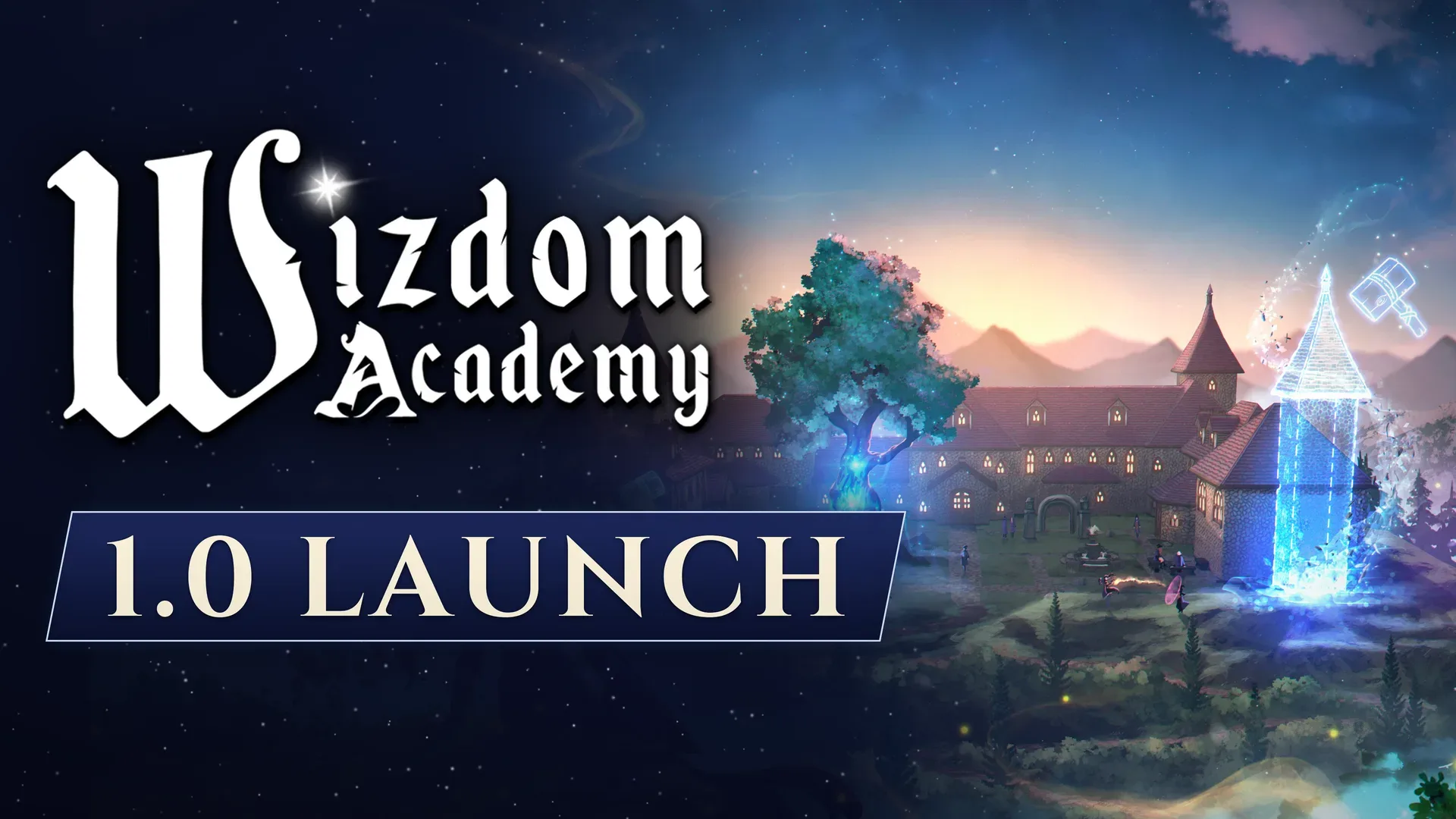
That spread gives the chapter a presence across mobile, PC and current console ecosystems. For coverage of another upcoming PC release, see Wizdom Academy’s planned Early Access departure on PC.
For Poppy Playtime fans specifically, the key point is straightforward: the latest chapter’s route into the Prototype’s domain is no longer limited to PC and consoles. iOS and Android players can now take on its factory puzzles, environmental dangers, new GrabPack capabilities and the threat of Huggy Wuggy while pursuing the next layer of Playtime Co.’s secrets.