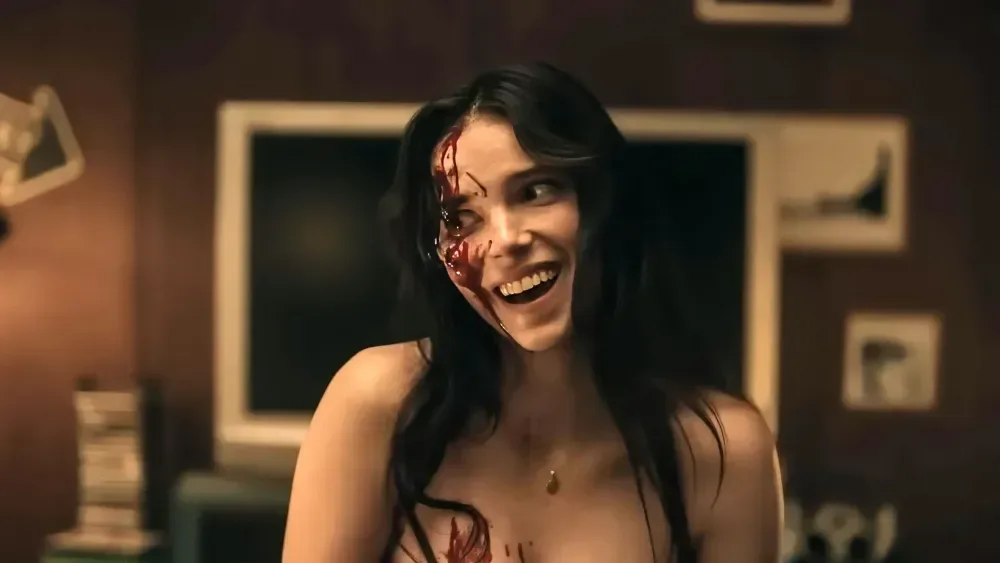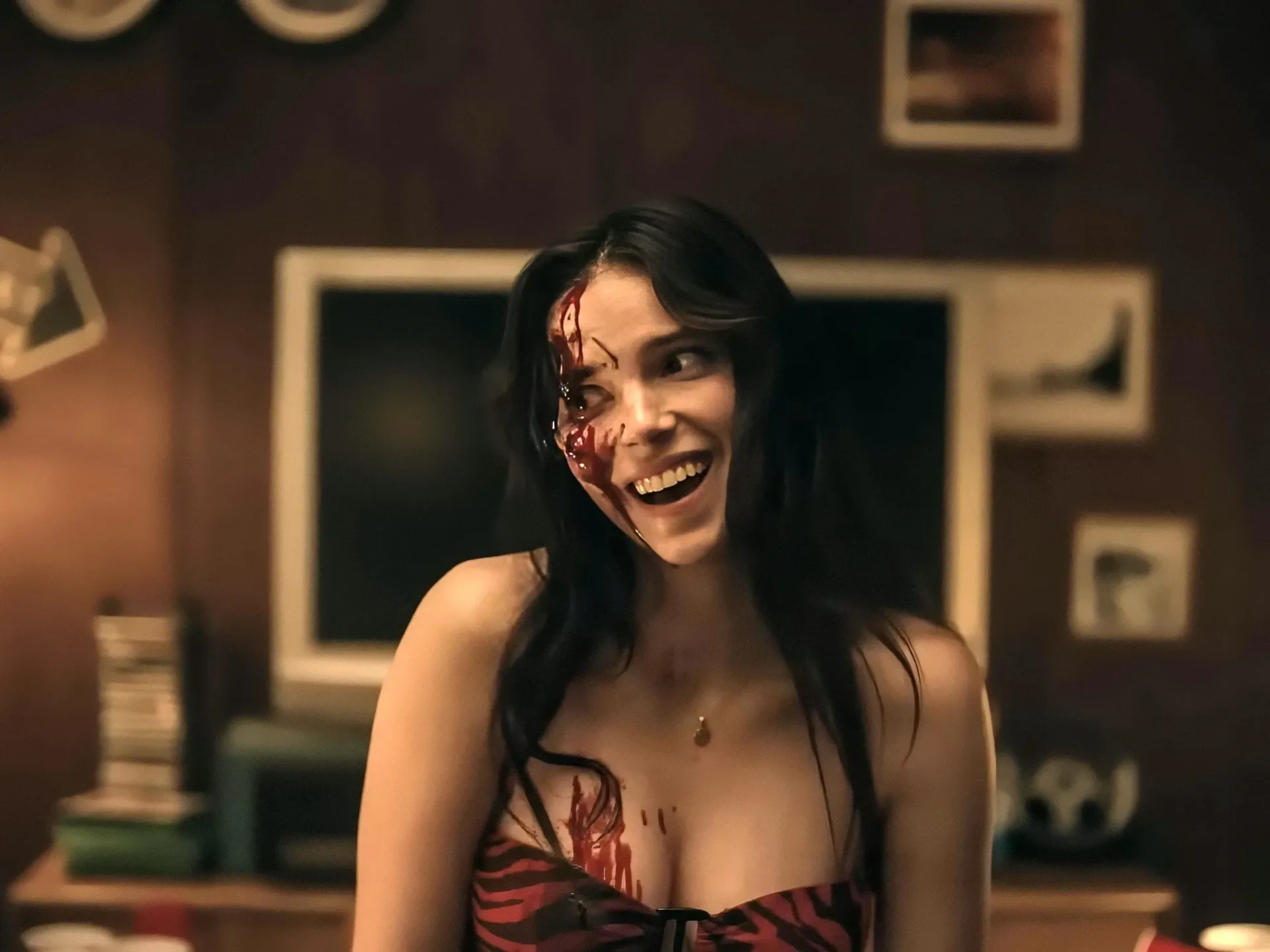
“Obsession” was the dominant winner at this year’s Fangoria Chainsaw Awards, taking five prizes including Best Wide Release, Best Director and Best Screenplay for Curry Barker, Best Lead Performance for Inde Navarette, and Best Kill for its “Brick Kill.” The fan-voted ceremony also made room for horror games: “Resident Evil: Requiem” won Best Video Game, finishing ahead of “Fatal Frame II: Crimson Butterfly Remake,” “Little Nightmares III,” “No, I’m Not A Human” and “Silent Hill f.”
The awards cover horror across film, television and games, an unusually broad remit that matters to players as much as movie fans. Rather than treating games as an afterthought in a film-first ceremony, the category put several different kinds of horror side by side: a remake, a sequel, and titles that suggest distinct approaches to unsettling players. The final result gives “Resident Evil: Requiem” a fan-voted genre accolade in a field that also included “Silent Hill f,” another major name in horror gaming.
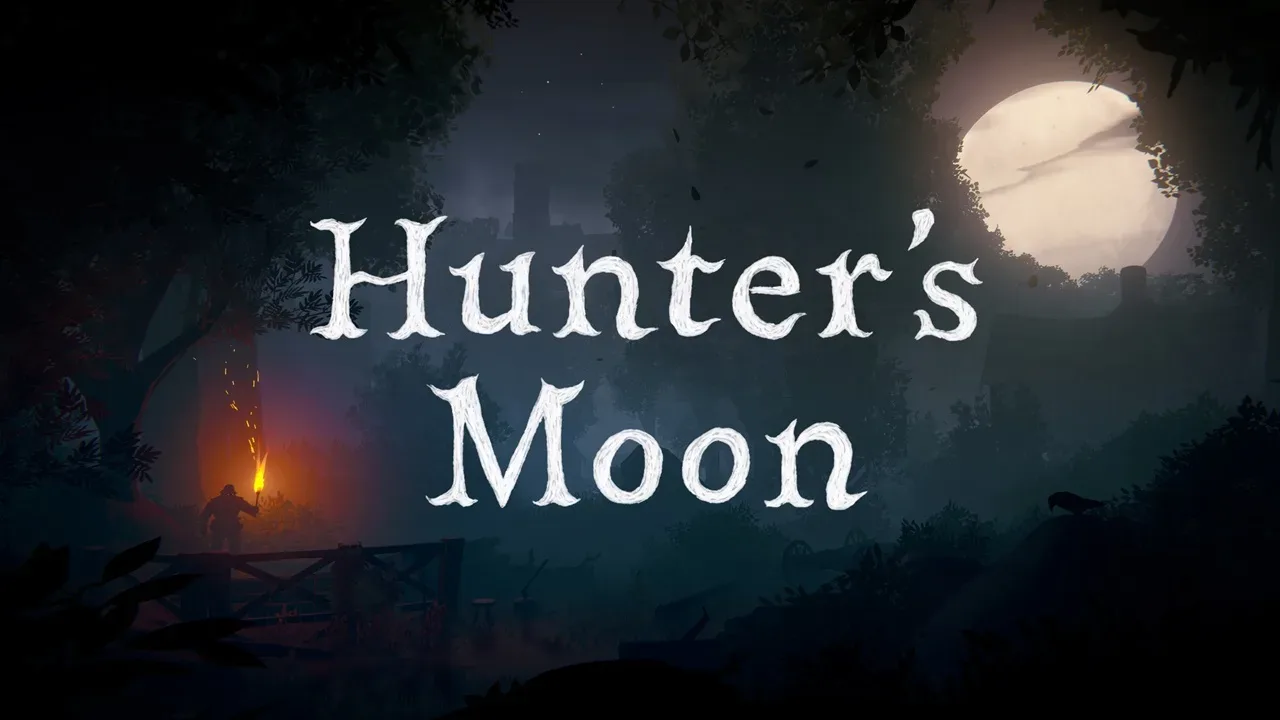
For readers tracking the genre on PlayStation, the win arrives alongside a crowded horror conversation that also includes games with more regional or folklore-driven setups, such as the PS5-focused “Hunter’s Moon”. Awards are not a replacement for a game’s own critical response or a player’s taste, but a fan-voted prize is a useful signal of which projects have connected most visibly with an engaged horror audience.
‘Obsession’ leads a ceremony built around horror fandom
“Obsession” finished with the evening’s highest total: five awards. Curry Barker’s wins for directing and screenplay put the film’s creative leadership at the center of its success, while Navarette’s Lead Performance award recognizes the work in front of the camera. The Best Wide Release prize gives the film the ceremony’s major release-level honor, and Best Kill singles out the “Brick Kill” as the winning individual death scene.
That spread is notable because the categories reward separate crafts. Best Director points to the overall creative direction of a film, while Best Screenplay concerns the writing: its story construction, scenes and dialogue as represented by the script. Best Lead Performance recognizes a central on-screen role. Best Kill, meanwhile, is a distinctly horror-specific category, celebrating a memorable elimination rather than a conventional craft discipline. Together, the wins indicate that voters responded to “Obsession” at both the broad-film level and in the genre’s more gleefully specific territory.
“Backrooms” was next with three awards: Best First Feature, Best Cinematography for Jeremy Cox, and Best Score for Kane Parsons and Edo Van Breemen. A first feature is a filmmaker’s debut feature-length work, making the award an early-career marker rather than simply another general best-picture-style prize. Cinematography refers to the visual photography of a production—how images are captured and composed—while score means the original music written for it. “Backrooms” therefore won across debut, image-making and music.
Other major film awards were distributed across a wide slate. “Dust Bunny” won Best Limited Release Movie, “V/H/S/Halloween” won Best Streaming Premiere, and “Exit 8” won Best International Movie. Amy Madigan took Best Supporting Performance for “Weapons.” “Frankenstein” collected awards for Best Costume Design, won by Kate Hawley, and Best Makeup FX, won by Mike Hill. Jim Henson’s Creature Shop won Best Creature FX for “Five Nights at Freddy’s 2.”
What the Best Video Game field says about horror’s range
The game category was compact, but its nominees make the scope clear. “Resident Evil: Requiem” won over “Fatal Frame II: Crimson Butterfly Remake,” “Little Nightmares III,” “No, I’m Not A Human” and “Silent Hill f.” The supplied results do not give vote totals, judges’ comments, platform information or a rationale for the choice, so it would be a mistake to read the victory as proof of a particular design trend or a quality ranking across every aspect of those games.
Related coverage includes ‘Obsession’ Leads Fangoria Chainsaw Awards With Five Wins.
What can be said is simpler and more useful: the award places “Resident Evil: Requiem” at the top of this particular fan-voted horror ballot. For a genre whose appeal can vary dramatically from player to player, that is meaningful but specific. Some players seek survival pressure, others psychological unease, stylized monsters, cooperative panic or narrative dread. A single award can identify enthusiasm within an audience; it cannot tell every player whether a game’s pacing, themes, difficulty or scares will fit them.
The category also avoids collapsing horror games into a single series or format. “Fatal Frame II: Crimson Butterfly Remake” identifies a remake—an updated version of an existing game—while “Little Nightmares III,” “Resident Evil: Requiem” and “Silent Hill f” are entries in established horror game franchises. “No, I’m Not A Human” sits in the same ballot without the supplied material defining its format. The common denominator is horror, not a claim that these games deliver fear in identical ways.
That distinction is worth keeping in mind whenever awards lists become shopping lists. The strongest practical takeaway is not that every nominee should appeal to the same audience. It is that all five were visible enough within horror fandom to reach the ballot, with “Resident Evil: Requiem” ultimately earning the prize. Players deciding what to follow next should use the winner and nominees as a shortlist for further research, then look at the particulars that matter to them.
TV, documentaries and the people recognized beyond the main competition
Television awards also emphasized the breadth of the ceremony. “Widow’s Bay” won Best Series over “Alien: Earth,” “The Creep Tapes,” “Something Very Bad Is Going to Happen” and “The Vampire Lestat.” “The Last Drive-In with Joe Bob Briggs” was named Best Non-Fiction TV Series or Miniseries. The documentary prize went to “In Search of Darkness: 1995-1999,” while the nominees included “1000 Women in Horror,” “Chain Reactions,” “The Last Sacrifice” and “Strange Journey: The Story of Rocky Horror.”
The non-fiction categories acknowledge that horror culture is more than new fictional releases. Documentaries can examine the people, productions and eras around the genre; non-fiction television can provide criticism, hosting, performance or other programming rooted in horror fandom. Their presence alongside Best Video Game reinforces the awards’ cross-media structure.
Joe Bird received an Editor’s Eyeball Award recognizing a rising horror career. James A. Janisse and Chelsea Rebecca also received an Editor’s Eyeball Award for creating the horror YouTube channel “Dead Meat.” These are special honors rather than competitive craft-category wins, and they broaden the ceremony’s attention from individual films and shows to people contributing to the surrounding horror community.
“Good Boy” lead canine Indy, a Nova Scotia retriever, won the Chainsaw Award for Goodest Boy. Dee Wallace presented the award. Lin Shaye presented the final award of the night, which went to “Obsession.” Devon Sawa hosted the ceremony, which premiered on Shudder.
Full winner list
- Best Wide Release: “Obsession”
- Best Limited Release Movie: “Dust Bunny”
- Best Streaming Premiere: “V/H/S/Halloween”
- Best International Movie: “Exit 8”
- Best First Feature: “Backrooms”
- Best Lead Performance: Inde Navarette, “Obsession”
- Best Supporting Performance: Amy Madigan, “Weapons”
- Best Director: Curry Barker, “Obsession”
- Best Screenplay: Curry Barker, “Obsession”
- Best Cinematography: Jeremy Cox, “Backrooms”
- Best Score: Kane Parsons and Edo Van Breemen, “Backrooms”
- Best Costume Design: Kate Hawley, “Frankenstein”
- Best Makeup FX: Mike Hill, “Frankenstein”
- Best Creature FX: Jim Henson’s Creature Shop, “Five Nights at Freddy’s 2”
- Best Documentary Feature: “In Search of Darkness: 1995-1999”
- Best Non-Fiction TV Series or Miniseries: “The Last Drive-In with Joe Bob Briggs”
- Best Series: “Widow’s Bay”
- Best Video Game: “Resident Evil: Requiem”
- Best Kill: “Obsession,” Brick Kill
- Editor’s Eyeball Award: Joe Bird; James A. Janisse and Chelsea Rebecca, “Dead Meat”
- Chainsaw Award for Goodest Boy: Indy, “Good Boy”
For games specifically, “Resident Evil: Requiem” is the headline winner, but the category’s complete nominee list remains the more useful record of the year’s fan-facing horror landscape. “Fatal Frame II: Crimson Butterfly Remake,” “Little Nightmares III,” “No, I’m Not A Human” and “Silent Hill f” all shared that ballot. The Chainsaw result gives “Resident Evil: Requiem” the trophy; the full field shows how many forms horror gaming was bringing to the table.