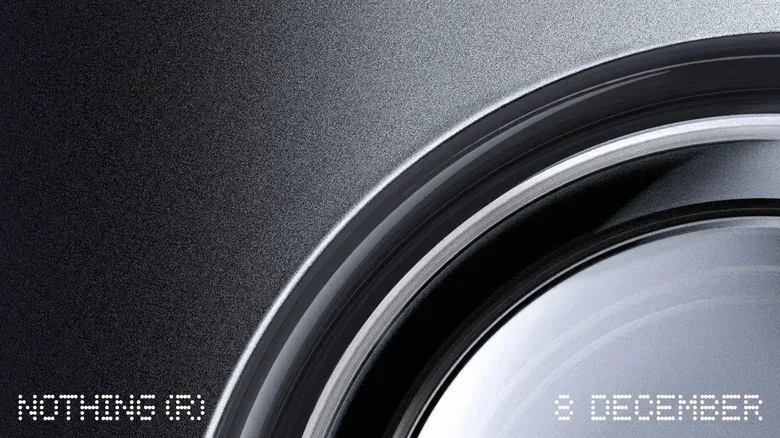
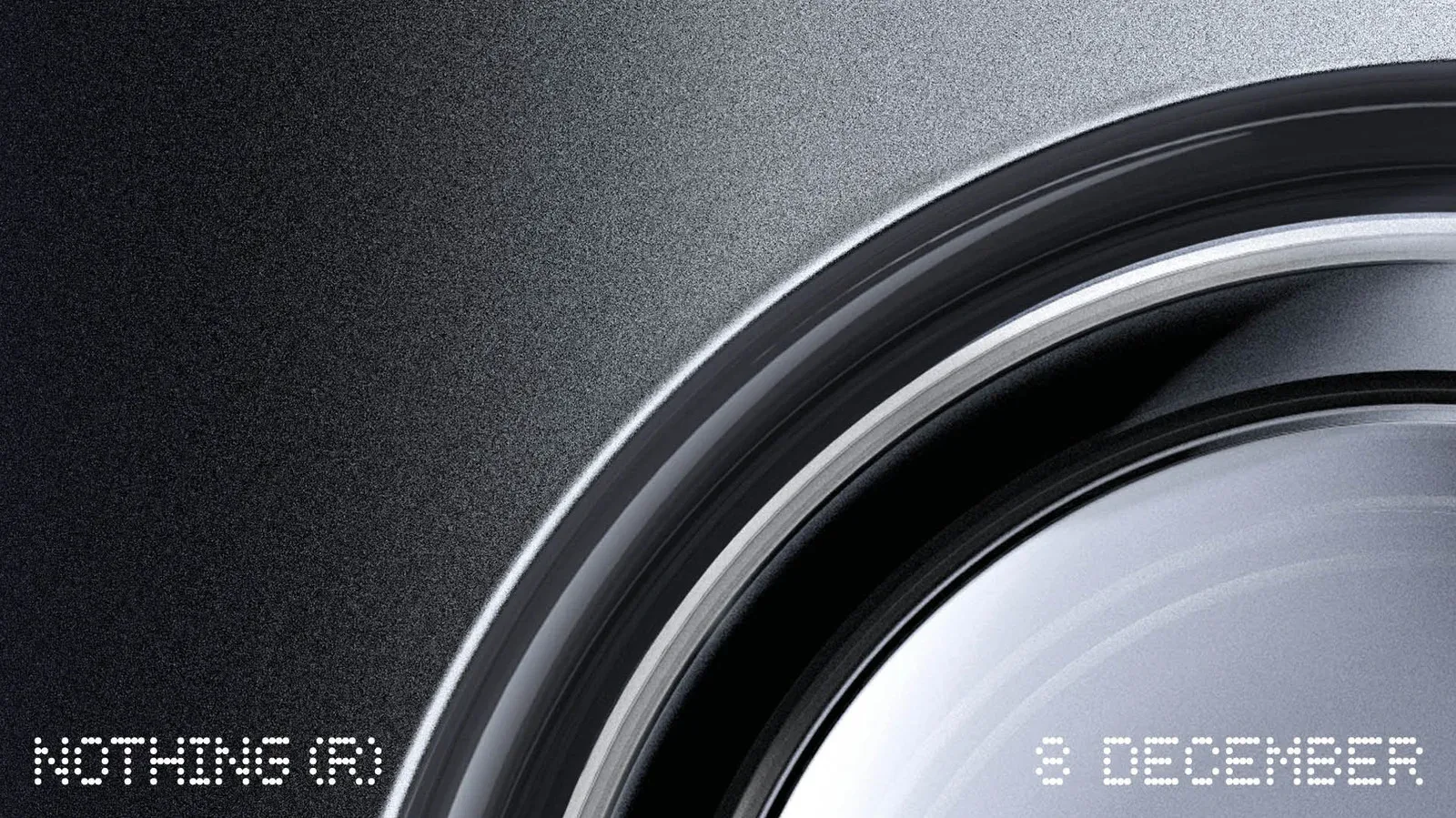
Nothing has put a date on its next hardware reveal: December 8. The company describes the product as an “AI-native device” with no new screen, and says the experience could not have been built as an app. That is a deliberately broad pitch, but it establishes the central idea: this is not being framed as another conventional phone, tablet, or wearable display.
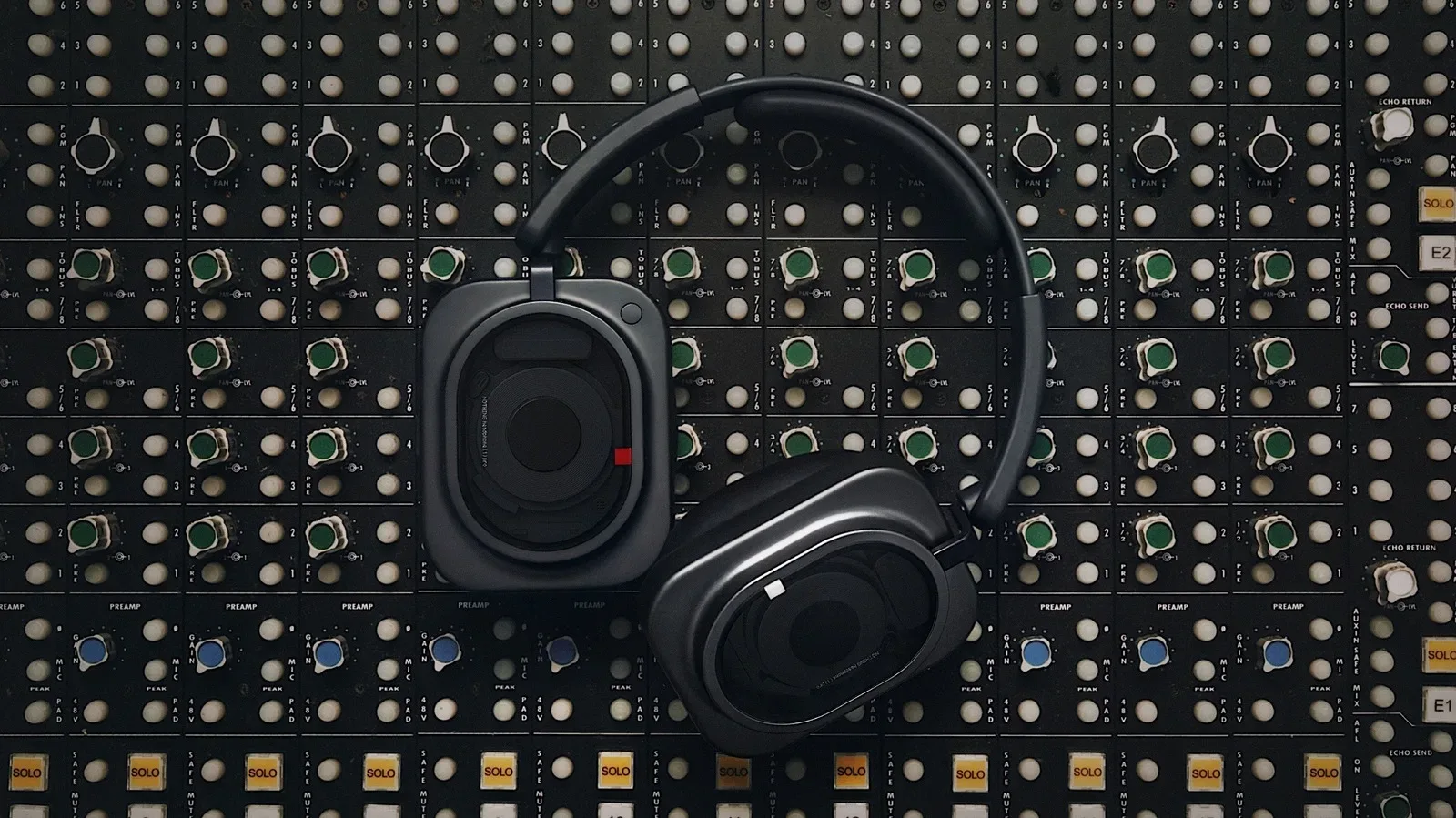
The more revealing clue came through an image posted to social media by Sebastian Ingrosso of Swedish House Mafia, with Nothing’s official X account tagged. The pictured object sits beside Nothing Headphone 1 Pro headphones and a MacBook Pro. It appears to match the company’s description of a screenless device, though neither the image nor the teaser provides a confirmed product name, specifications, or a detailed explanation of what it does.
There is, however, one immediately legible quality: the hardware’s silhouette has invited comparisons to two vape-like objects joined together. Nothing is a company closely associated with conspicuous industrial design, so the unusually blunt reaction to this particular shape may be part of the intended conversation. Whether it is clever provocation or simply an unfortunate first angle will have to wait until the full reveal.
What Nothing has actually said
The confirmed information is scarce but meaningful. Nothing intends to debut the device on December 8; it calls the product AI-native; it says there will be no new screen; and it argues the intended experience would not work as an app. The company has also shared teaser material that appears to show at least one camera.
“AI-native” is not a fixed technical standard. In everyday product language, it generally means artificial intelligence is supposed to be fundamental to the device’s interactions rather than a single extra feature layered onto familiar software. That could involve handling spoken requests, interpreting what a camera sees, or taking action from contextual information. It does not, by itself, reveal what tasks the hardware can complete, where processing happens, how much user control it offers, or whether the device depends on another product.
Likewise, “screenless” should not be confused with “interface-free.” A device without a display still needs ways to communicate with its owner: audio, buttons, lights, vibration, a companion system, or some combination of them. Nothing has not yet detailed its interaction model. That missing explanation is more important than the unusual casing, because it will determine whether removing the screen makes an activity faster and simpler or merely harder to understand.
The camera is the biggest functional clue
The teaser’s apparent camera is the strongest hint at a possible visual-intelligence role. Visual intelligence is a loose term for AI systems that use imagery to identify or interpret things in view. In a consumer gadget, that can theoretically mean answering questions about an object, reading information, recognizing a scene, or providing contextual assistance. At present, those are possibilities suggested by the hardware rather than confirmed functions.
A camera also raises practical questions that a launch presentation will need to answer. Users will want clarity on when it records, what visible indicators show that it is active, where images are processed, whether material is retained, and what control exists over the data. Those questions are not unique to Nothing, but they become especially important for a small ambient device that may be used in public or shared spaces.
Related coverage includes Nothing Sets December 8 Reveal for Screenless AI-Native Device.
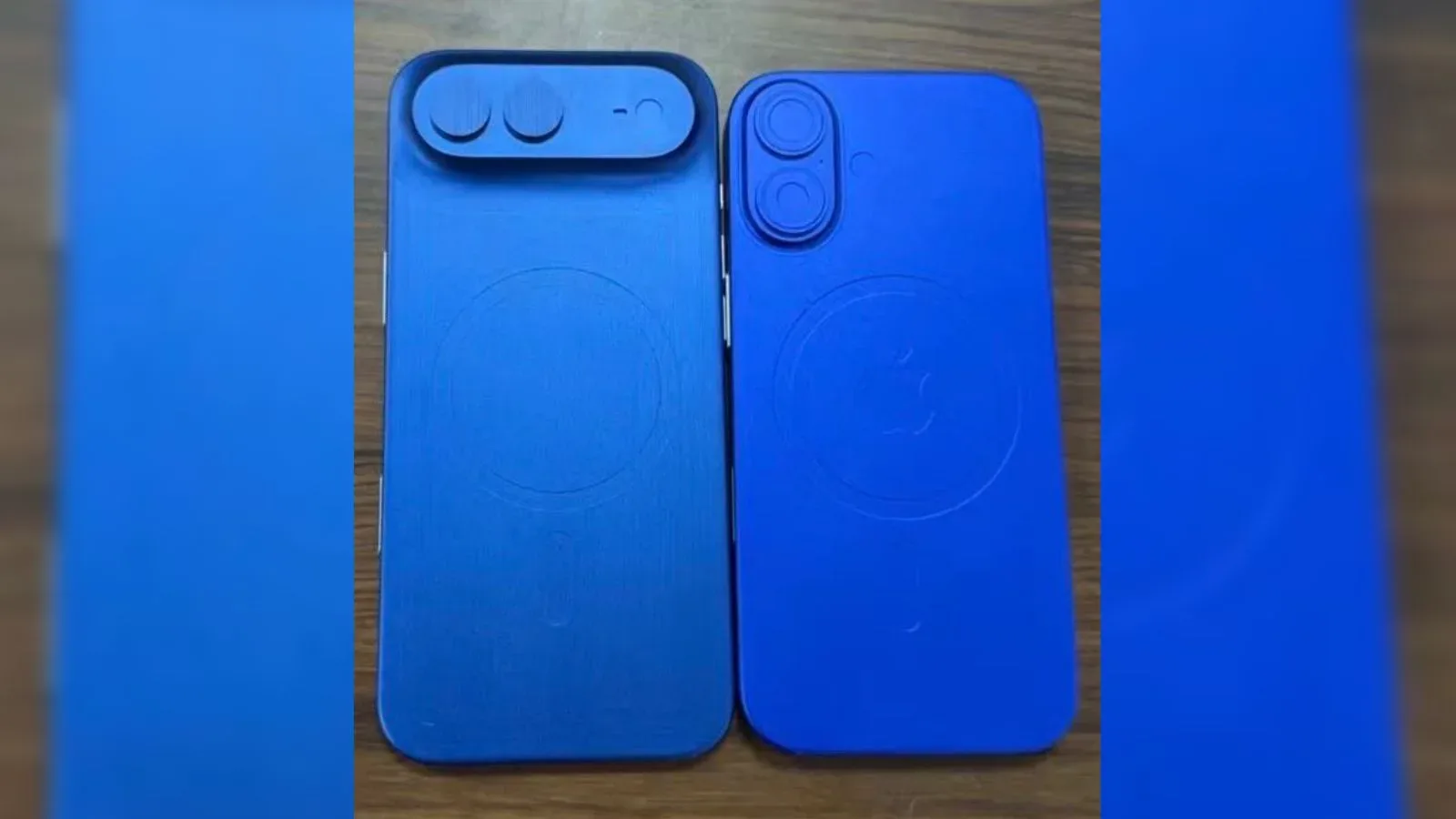
Camera design has become an especially visible part of gadget identity, even before a device’s capabilities are known. That is evident in the broader scrutiny around leaked hardware forms, including recent discussion of iPhone dummy models and their camera layouts. Nothing’s teaser offers far less detail, but it is already producing the same split between aesthetic speculation and the more consequential question of what the camera is meant to enable.
A difficult category with an even harder value proposition
The company is entering a category with an unsettled recent record. Dedicated AI gadgets have struggled to establish why people need separate hardware for tasks already available through phones and computers. The source material notes that Humane went out of business early last year, while Rabbit has continued after the release of its R1 but without ending skepticism around the segment.
That history does not prove that a new product cannot work. It does mean a December reveal needs to do more than present an attractive object or demonstrate a conversational assistant. The crucial case is practical: what routine does the device improve, why is a screenless form better for that routine, and why can the job not be handled adequately by an app on hardware people already own?
Nothing’s wording directly confronts that last question by claiming the experience could not have been built as an app. It is an ambitious promise because apps are adaptable, familiar, and usually require no buyer to carry another dedicated object. To justify distinct hardware, the device will need a meaningful advantage in immediacy, awareness, input, privacy, or physical convenience. Until Nothing supplies specifics, the phrase is a statement of intent rather than evidence of a solved problem.
Why the design reaction matters
The vape comparison is funny because it is visually direct, but it has a real product-design implication. For portable electronics, appearance affects how comfortable a person feels using a device in public, whether onlookers recognize it as a camera-capable gadget, and whether it reads as purposeful or confusing. A design that is instantly memorable can help a new category stand apart. A design that is mistaken for an unrelated product can create friction before anyone understands its benefit.
Nothing’s recognizable hardware language makes the image worth watching even in the absence of specifications. The company appears willing to make the physical object a major part of the pitch, rather than hide its AI concept inside a standard phone-shaped slab. That is potentially the right instinct for a product that says it cannot be reduced to an app. If the interaction is genuinely different, a different form can help communicate that difference.
Still, the early photo cannot settle questions of scale, materials, controls, comfort, durability, or even the device’s precise layout. Nor does it establish whether the social-media appearance was an accidental leak or a coordinated teaser. Nothing has not provided a clear confirmation of either interpretation. Treating the image as a preview, rather than a complete hardware reveal, is the sensible approach.
What to watch on December 8
- The core use case: A clear, repeatable task the gadget performs better than a phone app will be the most important detail.
- How it works without a screen: Nothing needs to show how users give commands, receive information, correct mistakes, and understand the device’s current state.
- The role of the camera: Any visual feature should come with straightforward explanations of activation, feedback, and data handling.
- Whether it stands alone: The reveal should clarify how much the device relies on other hardware or services.
- The reason for the form factor: The distinctive twin-cylinder look will make more sense if it serves controls, sensors, audio, battery capacity, or another concrete need.
For now, Nothing has successfully created curiosity without offering enough information to judge the product. The December 8 presentation is where the company has to convert a cryptic slogan, a possible camera, and a highly discussable shape into a persuasive reason for a new AI device to exist. The concept may prove more substantial than its first vape-adjacent impression. But in a category already short on convincing answers, the burden of explanation is high.