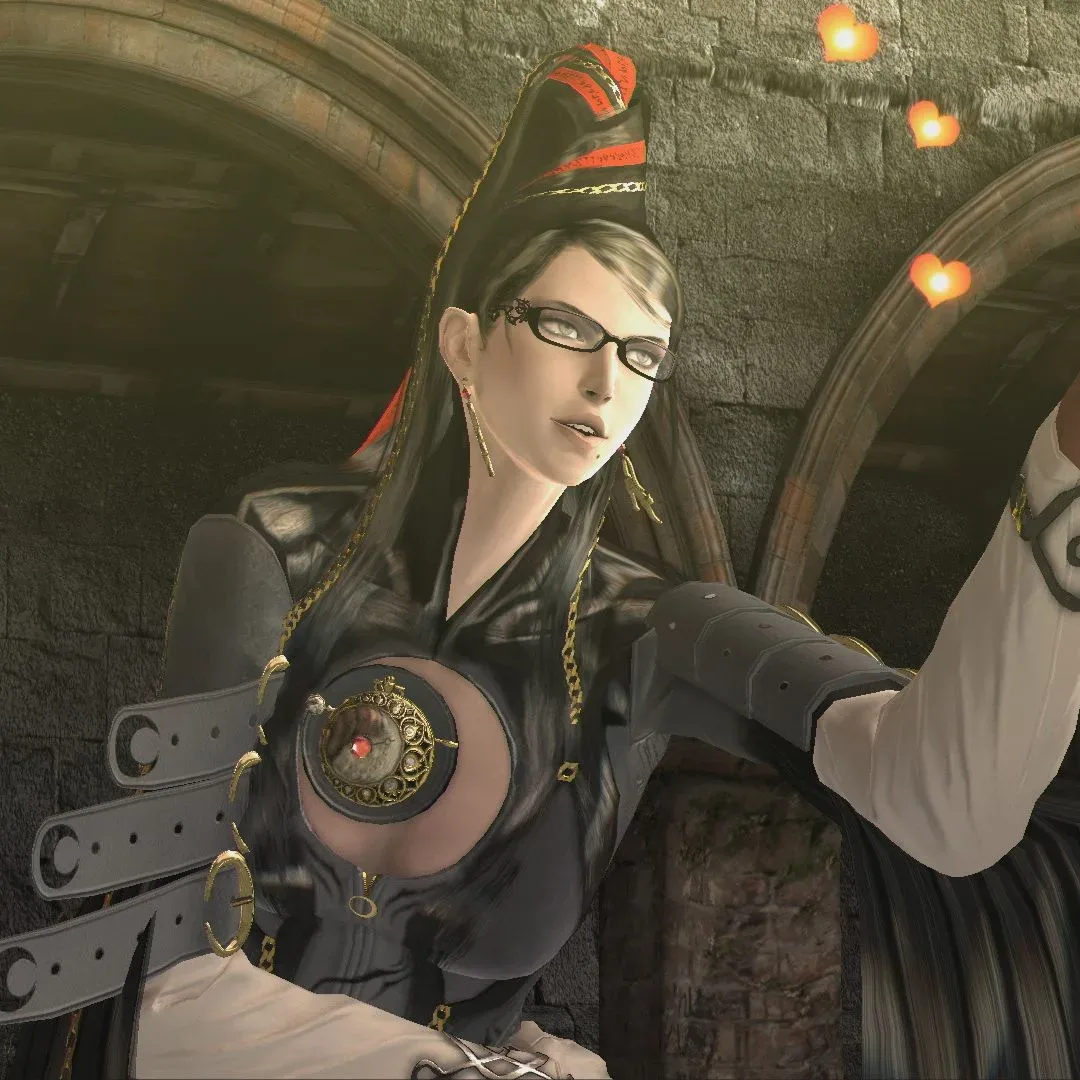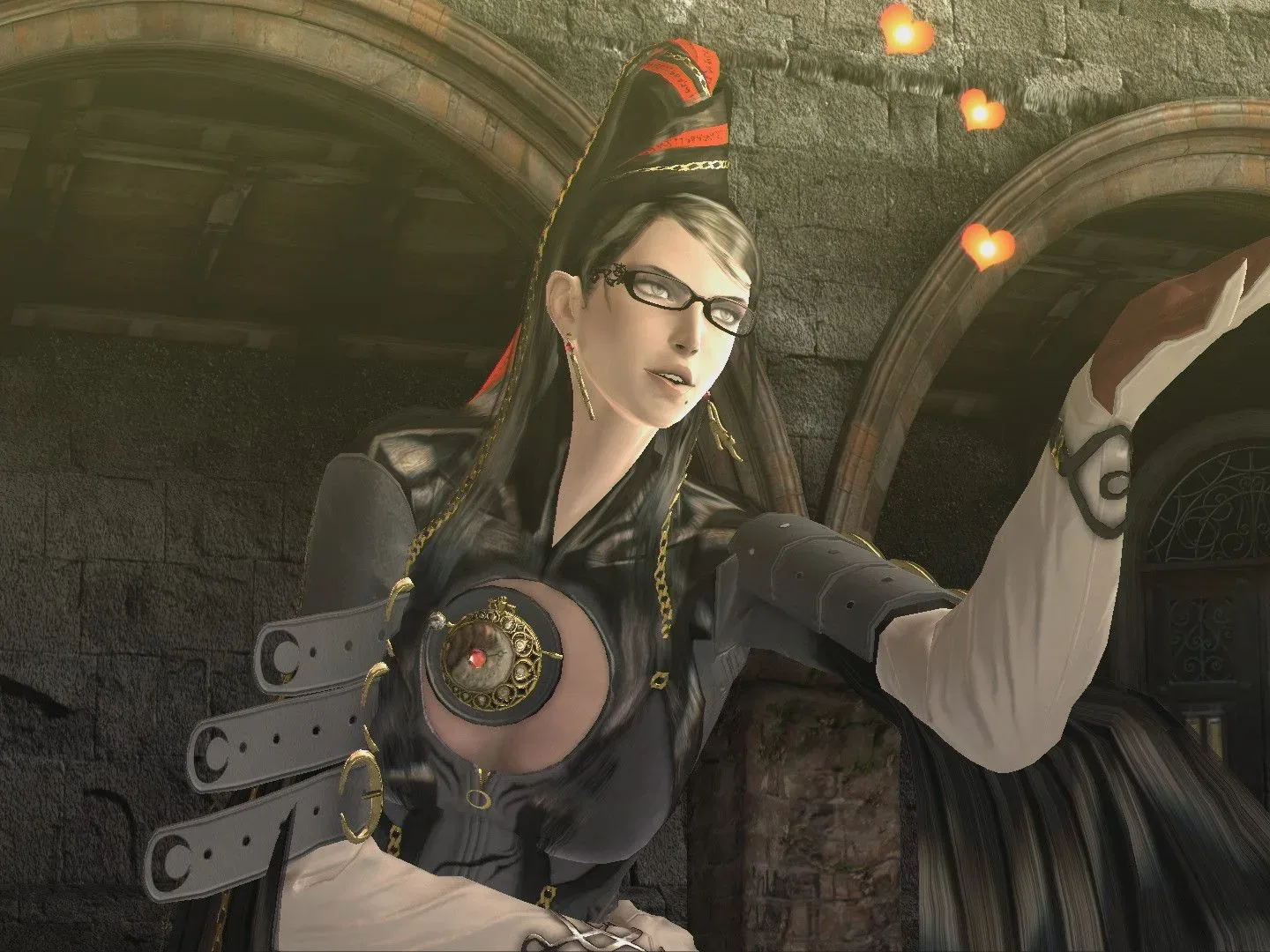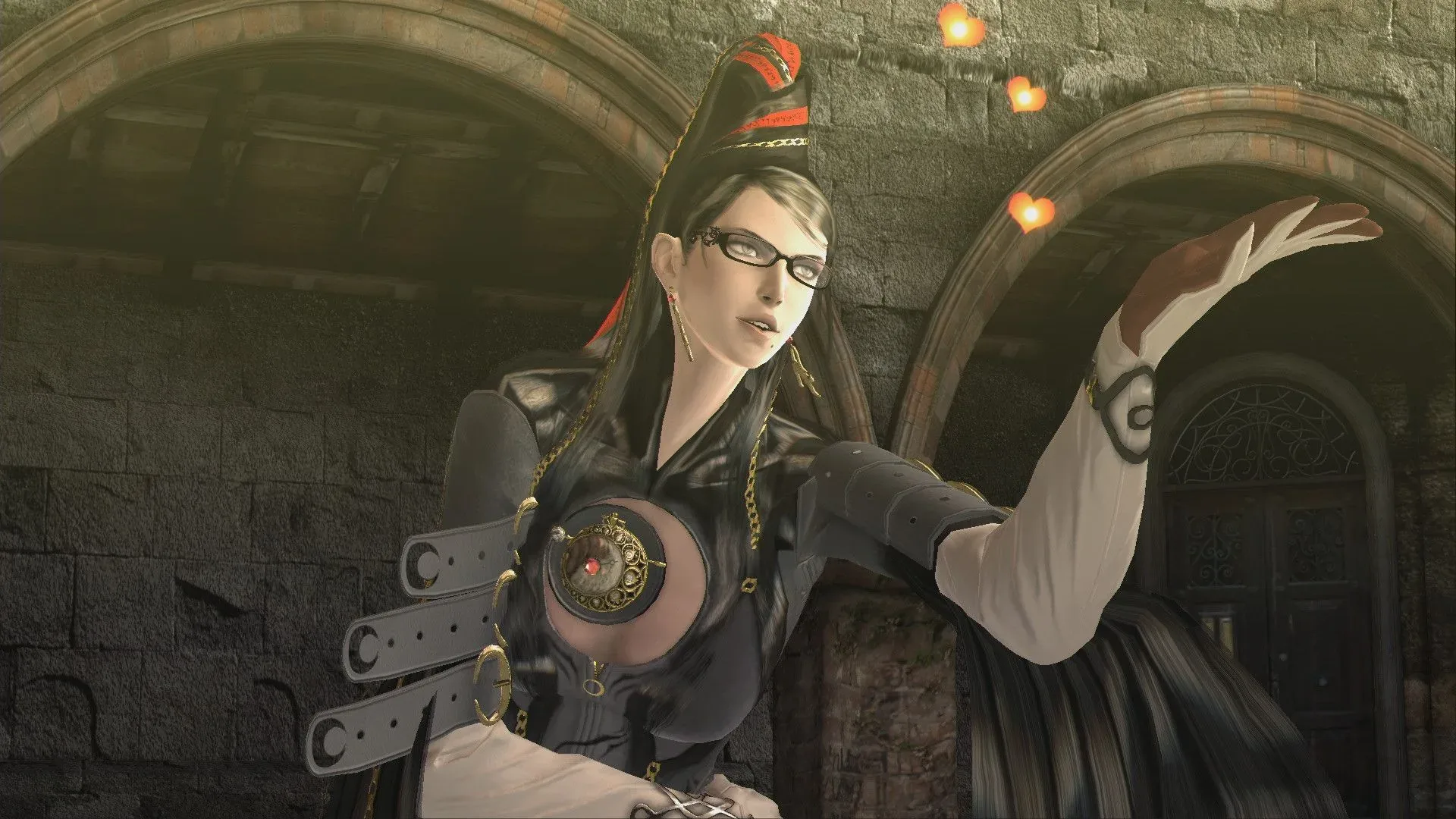
Bayonetta may still have another dance card waiting in the wings. PlatinumGames head Atsushi Inaba has said the studio has a “strong desire” to develop the character further and expand her world, offering its clearest recent indication that the action series remains part of the company’s ambitions.
That is not a game announcement. Inaba did not confirm a new Bayonetta title, name a platform, identify a release window, or describe a project in development. When asked directly about additional games, he said he could not properly answer at present. But his accompanying statement matters because it frames Bayonetta as a character and setting PlatinumGames still wants to build on, rather than a closed chapter following Bayonetta Origins: Cereza and the Lost Demon in 2023.
“We have a strong desire to further develop the character of Bayonetta and expand her world. Please look forward to seeing what form that takes in the future.”
What PlatinumGames has actually said
The important word in Inaba’s comments is not “game,” because he did not use the statement to promise one. It is “form.” That deliberately broad language leaves room for a conventional sequel, a side story, a project with a markedly different structure, or another kind of expansion involving the character and her setting. None of those possibilities has been confirmed, and readers should treat them as interpretations of the wording rather than announced plans.
Still, the comment establishes two useful facts. First, PlatinumGames sees value in continuing to develop Bayonetta herself. Second, it is thinking beyond a single installment and toward the wider fictional world around her. The distinction is especially relevant for a series that has already moved between direct action-game sequels and the more storybook-like prequel approach of Bayonetta Origins.
“Expanding a world” is common game-industry language, but it can mean many things. In practical terms, it describes building outward from an established setting: new characters, different points in a chronology, alternate gameplay perspectives, or stories that explore places and relationships previously kept at the margins. It does not automatically mean an open-world game, a shared universe, or a particular gameplay format. Inaba’s comments do not provide enough detail to establish any of those specifics.
A franchise with room to change shape
Bayonetta became a prominent name in character-action games during the Xbox 360 and PlayStation 3 era. Character action is a loose genre label for combat-focused games built around a playable hero’s moveset, timing, evasions, combos and performance mastery. In its most demanding form, the appeal is not only reaching the end of a battle, but learning systems well enough to execute them with style and control.
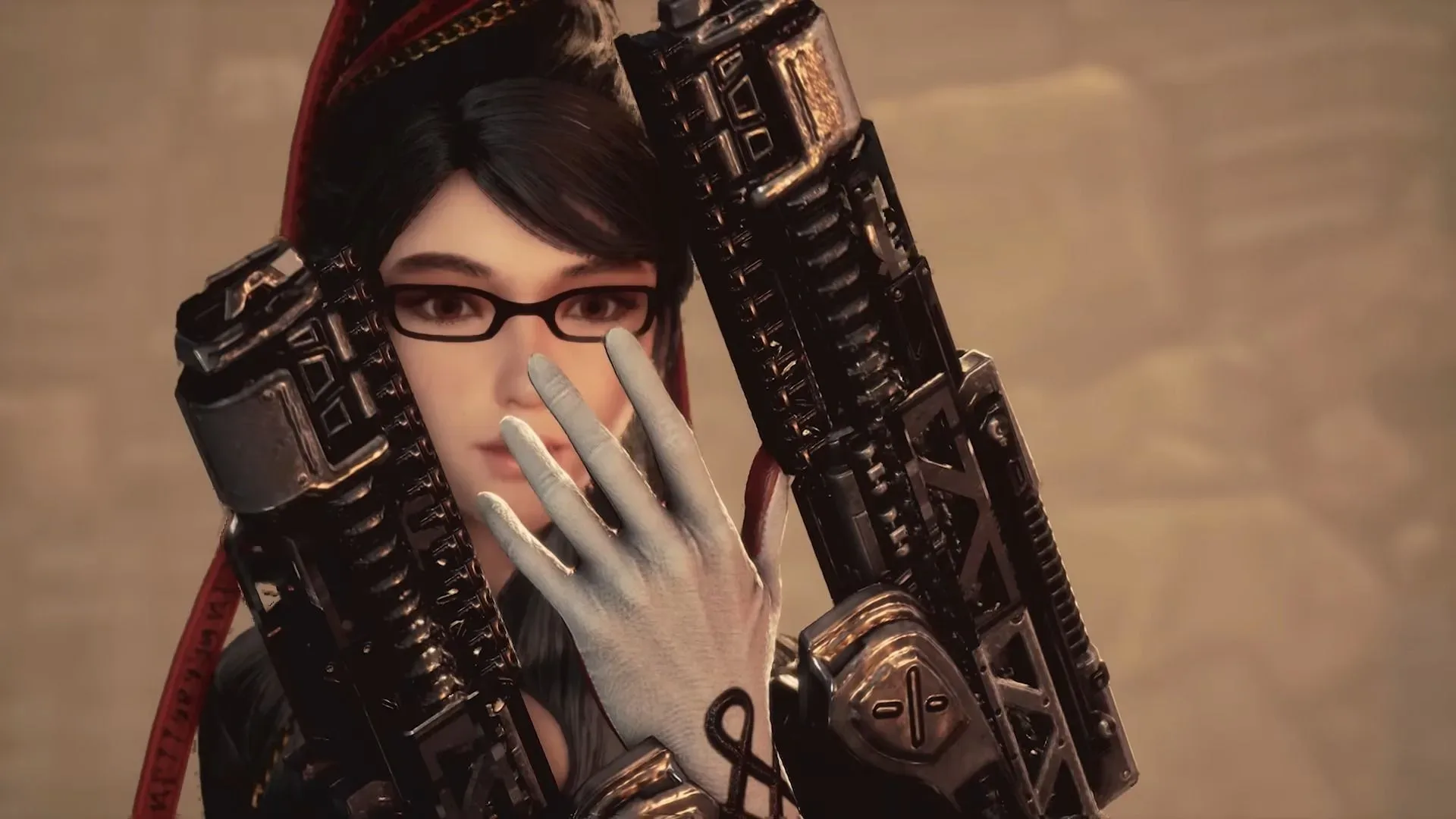
The series went on to receive two direct sequels, alongside Bayonetta Origins: Cereza and the Lost Demon, a spin-off prequel released for Nintendo consoles. Bayonetta has also had appearances outside her own games, including Super Smash Bros. Ultimate and Stellar Blade. Those cameos help explain why discussion around the character continues even during periods without a newly announced mainline entry: Bayonetta has remained visible as a recognizable figure beyond the core series.
Related coverage includes PlatinumGames Signals Bayonetta Could Return in Future Projects.
Bayonetta Origins is particularly useful context for Inaba’s wording. Its very existence showed that the property could support something other than a direct numbered continuation. A future project could still be an action game, and no one should assume it will be anything else without an announcement. But the franchise’s history gives PlatinumGames precedent for treating Bayonetta’s universe as flexible rather than locking it to one exact sequel template.
The major complication: personnel have changed
The statement arrives after substantial change among developers associated with PlatinumGames and its action-game output. Hideki Kamiya, Bayonetta’s co-creator and a widely recognized director, left the company in 2023. He subsequently established a separate development studio to work on Okami 2, the sequel to Capcom’s cult adventure game. Kamiya cited disagreements with PlatinumGames’ direction as the reason for his departure.
His exit naturally makes any possible continuation a major point of interest. A co-creator is not merely a public-facing name; on a long-running game series, that role can be tied to creative foundations, design priorities and how audiences understand the identity of the work. That does not mean a franchise cannot continue after a co-creator leaves. It does mean any continuation would be created under a changed set of circumstances.
Kamiya is also not the only notable figure to have departed. Abebe Tinari, associated with Bayonetta Origins; Yusuke Miyata, associated with Bayonetta 3; Takahisa Taura, associated with Astral Chain; and Kenji Saito, associated with Metal Gear Rising, are among the high-profile developers no longer at PlatinumGames.
It would be a mistake to reduce that list to a simple prediction about quality or to assume it tells audiences exactly what an eventual Bayonetta project would be. Game development is collaborative, and public credits or leadership roles do not by themselves reveal every contributor, every internal team structure or every later staffing decision. The more grounded takeaway is straightforward: PlatinumGames has signaled interest in Bayonetta’s future while operating without several people closely linked to its recent history.
What a “future Bayonetta project” does and does not mean
For fans, the phrase is promising but necessarily incomplete. There is no confirmed title, no known development status, no official genre description and no release date. There is likewise no confirmation that the next project, if one exists, would be Bayonetta 4. Calling it that now would turn a broad expression of interest into a specific announcement PlatinumGames has not made.
There is also no reason to treat Inaba’s remarks as a guarantee that a reveal is imminent. Studios can have a strong creative desire to revisit a property long before a project is greenlit, staffed, publicly presented or ready to ship. “Greenlit” is an industry term for a project receiving the approval and backing needed to advance into production. Inaba did not say that a particular Bayonetta game had reached that stage.
The most responsible reading is somewhere between dismissal and overreaction: Bayonetta is not being positioned as finished, but its exact next step is unknown. That is meaningful news for a series whose most recent dedicated release was the 2023 prequel, yet it remains an early signal rather than a roadmap.
Voice casting remains another open question
Jennifer Hale, who voiced Bayonetta in the third game, has separately said that she would love to play the character again. Her comments carry extra context because the casting around Bayonetta 3 became controversial, and Hale said she felt she had been “thrown under the bus” during that period.
That willingness should not be read as casting confirmation. A performer’s interest in returning and a studio’s final casting choice are different matters, particularly when there is no publicly confirmed new production. For now, it simply means the actor who portrayed Bayonetta in the third installment has expressed an appetite to return should an opportunity arise.
Why the studio’s wording matters now
PlatinumGames’ statement is valuable chiefly because it identifies the franchise as a live creative priority despite uncertainty around its form and despite a notable shift in personnel. It also leaves space for the company to define the next project on its own terms, rather than committing publicly to a numbered sequel before it is ready to show one.
That tension—between continuity and reinvention—is central to what makes the comments interesting. Bayonetta has a recognizable protagonist and established action-game pedigree, but it has already demonstrated an ability to branch into a prequel with a different framing. A new entry could try to reinforce the series’ familiar strengths, explore a different corner of its universe, or attempt both. The evidence so far does not tell us which route PlatinumGames will choose.
There is a wider industry angle, too. Franchises often outlive individual creators, while audiences reasonably watch for whether the values that made a series distinctive endure through changes in leadership and staff. That conversation is not unique to Bayonetta; recent discussion around creator identity and new studio work shows why public attention frequently follows the people behind major games as closely as the brands themselves.
For Bayonetta, the next concrete milestone will need to answer questions Inaba’s statement cannot yet settle: what the project is, who is making it, how closely it follows prior entries, and where it will be released. Until then, the clearest confirmed position is also the simplest one: PlatinumGames says it wants Bayonetta’s character and world to continue growing, even as the studio enters that potential future with a changed creative lineup.