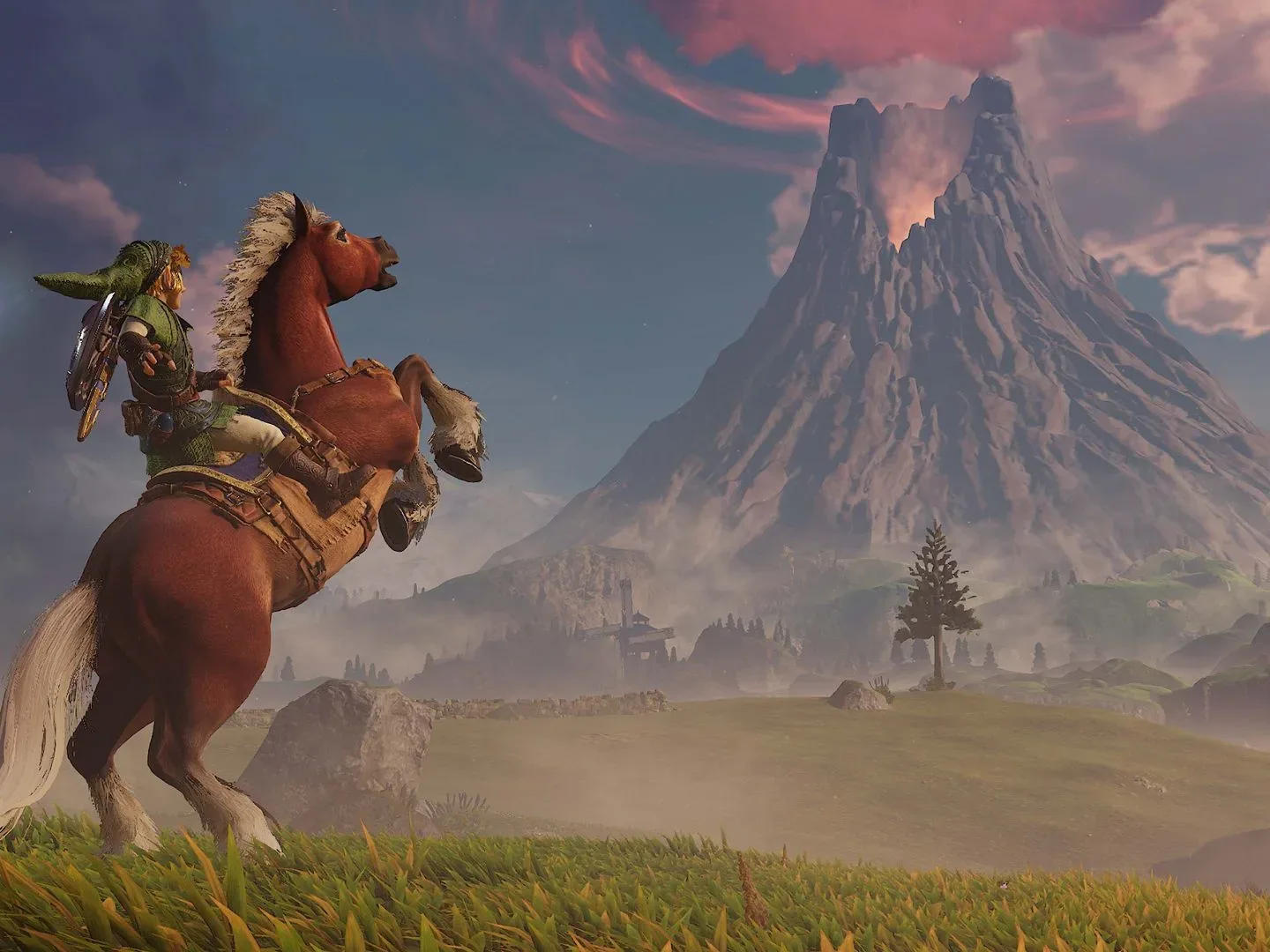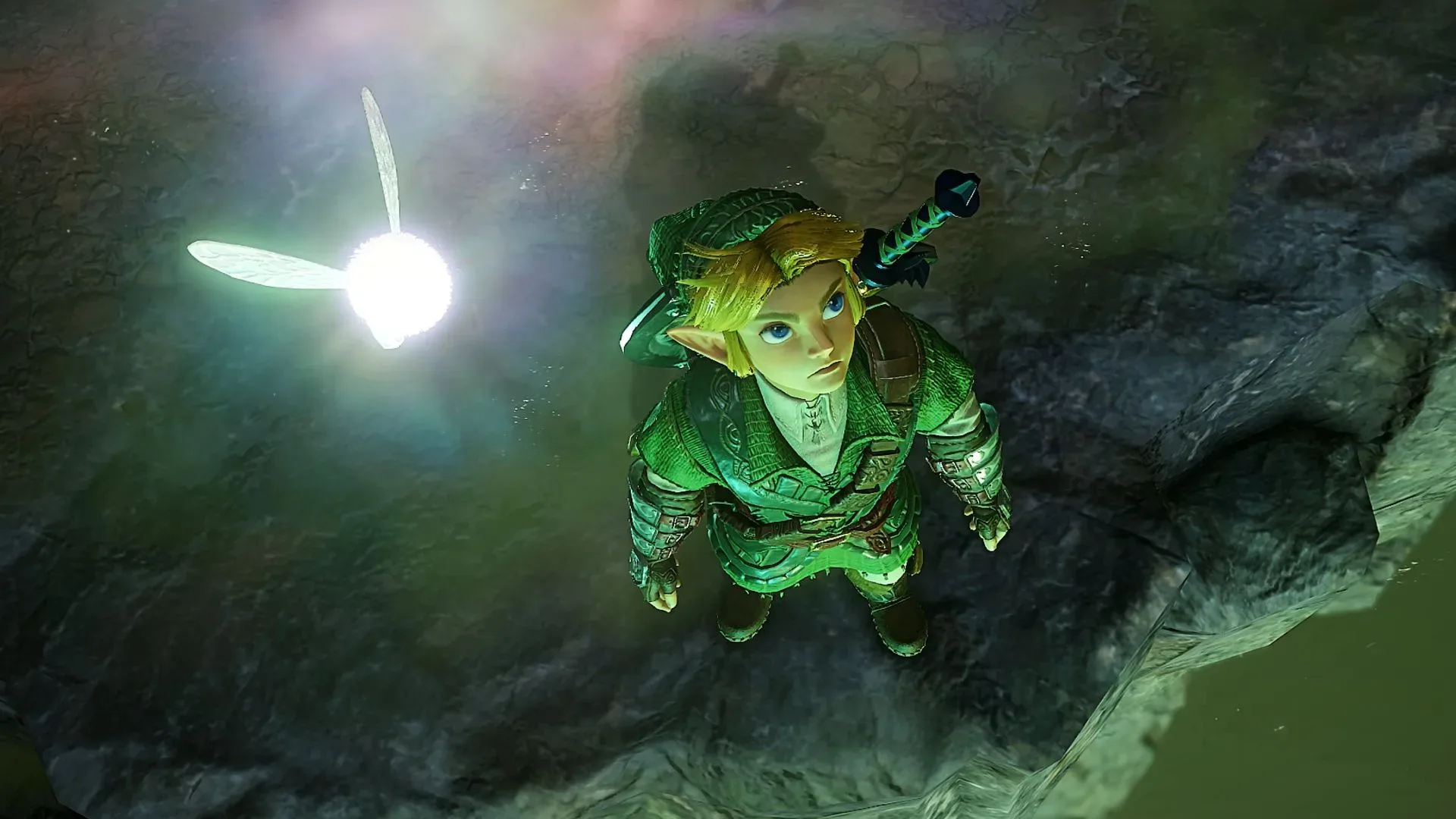
The Legend of Zelda: Ocarina of Time for Nintendo Switch 2 has received an opening review score of 37/40 from a Japanese magazine’s four-reviewer panel. The result is an exceptionally high one, but it also creates a striking three-way comparison: it is below the 40/40 earned by the Nintendo 64 original in 1998, while exactly matching the score awarded to Ocarina of Time 3D on Nintendo 3DS.
That numerical symmetry will inevitably fuel plenty of discussion before a broader critical picture emerges. A 37/40 is not a conventional percentage score and should not be treated as one. It represents four individual verdicts added together: three reviewers awarded a nine, while one gave the game a 10. In other words, this is a consensus-driven high mark with one panelist judging the remake at the publication’s maximum level.
Still, the historical comparison is unavoidable. The Nintendo 64 release of Ocarina of Time was the first game to receive a perfect 40/40 from the same publication. It also holds a Metacritic score of 99, the sole game at that figure in the supplied record. Any remake of such a widely celebrated adventure enters review season under unusual pressure: it is not merely being judged as a current game, but measured against one of gaming’s most imposing critical reputations.
What 37/40 means in this review format
The score comes from a panel structure rather than a single critic’s verdict. Four reviewers each assign a score out of 10, producing a combined result out of 40. For the Switch 2 version, the split was:
- 9/10
- 9/10
- 9/10
- 10/10
That detail matters. A total can conceal differences of opinion, but this breakdown does the opposite: it indicates that all four panel members rated the game very highly. The difference between 37/40 and the original’s 40/40 is therefore not evidence of a harsh reception. It shows that the remake did not achieve unanimous perfect marks from this particular group.
It also explains why score-only comparisons have limits. A 37/40 alongside Ocarina of Time 3D tells readers that both remakes received the same total from the publication. It does not, on its own, establish that they excel in the same areas, make the same design choices, or offer identical reasons for their scores. A shared aggregate is a useful reference point, not a full critical breakdown.
The original’s reputation raises the bar for every remake
The 1998 Nintendo 64 game is a uniquely difficult work to revisit because the expectations around it are already so well established. The perfect 40/40 was a landmark for the publication that awarded it, while its 99 Metacritic score remains singular in the information provided. Those records make the original more than a beloved older release; they make it a benchmark against which later editions are practically invited to compete.
That is a complicated standard for a remake. A new version can be polished, accessible and highly regarded while still not reproducing the impact of the first release. The original existed in its own moment, and its evaluation came without the burden of comparing every choice to an earlier edition. A remake, by definition, is assessed through two lenses: whether it works for players now and whether its alterations respect a game people already know intensely well.
Related coverage includes Ocarina of Time Switch 2 Remake Earns 37/40 in First Famitsu Review.
The early 37/40 result suggests a strong reception from this panel without displacing the original’s special status in its review history. The number is close enough to underline the remake’s quality, yet different enough to preserve the distinction of the 1998 result.
A direct tie with Ocarina of Time 3D
Perhaps the more practical comparison is not with the 1998 game but with the prior remake. Nintendo’s earlier revisit, The Legend of Zelda: Ocarina of Time 3D, also received 37/40. The Switch 2 edition therefore begins at the same score level as the 3DS version in this outlet’s record.
For players deciding how much weight to give this first review, that tie is meaningful but not definitive. It places the new version in proven company: the previous remake was also viewed very favorably. At the same time, the result offers no basis for declaring one remake universally better than the other. The score does not reveal the panelists’ full reasoning, and the supplied information does not provide a feature-by-feature comparison.
What can be said is narrower and more useful: the first reported panel score positions the Switch 2 remake as a highly rated new edition of the game, one evaluated at the same overall level as Nintendo’s last remake effort, but one point below the original’s historic maximum under this 40-point system.
Why quality-of-life changes can be contentious
The remake’s development has also reportedly involved a debate over a quality-of-life feature associated with The Legend of Zelda: Breath of the Wild. A quality-of-life feature is a design change intended to make play smoother, clearer or less cumbersome without necessarily changing a game’s central challenge. Such changes can include reducing friction in navigation, menus or routine actions.
In this case, the feature was reportedly removed after the series producer argued that it spoiled important moments. The available information does not identify the exact feature, so it would be inappropriate to speculate about how it worked or which scenes it might have affected. But the reason given illustrates one of the hardest questions in a remake: when does convenience interfere with intended pacing, surprise or discovery?
That question is especially relevant to a game as closely remembered as Ocarina of Time. Modernization is not automatically an improvement in every circumstance. A streamlined system may reduce frustration for one player while weakening a carefully constructed moment for another. Conversely, preserving every older convention can protect the original structure while leaving avoidable friction untouched.
The reported decision indicates that the development team treated certain moments as more important than retaining a newer convenience. That does not tell us whether every player will agree with the choice, but it does point to a design priority: the remake appears to have weighed the preservation of particular dramatic or exploratory beats against the appeal of a broader usability upgrade.
How to read the first score without overreading it
One review score is a data point, not a final consensus. The 37/40 is notable because of the game’s stature, the unusual four-reviewer format, and the clean comparison with both earlier versions. It is also arriving as attention turns toward the Switch 2 release, which is described as arriving this week.
For now, the clearest takeaway is straightforward. The new Ocarina of Time remake has started with a very strong panel result. It did not replicate the original Nintendo 64 game’s perfect 40/40, but it matched the 3DS remake’s 37/40 exactly. That leaves the Switch 2 version with an admirable opening mark—and with the inevitable, almost comically enormous task of living in the shadow of a game whose scorecard has spent decades wearing the crown.
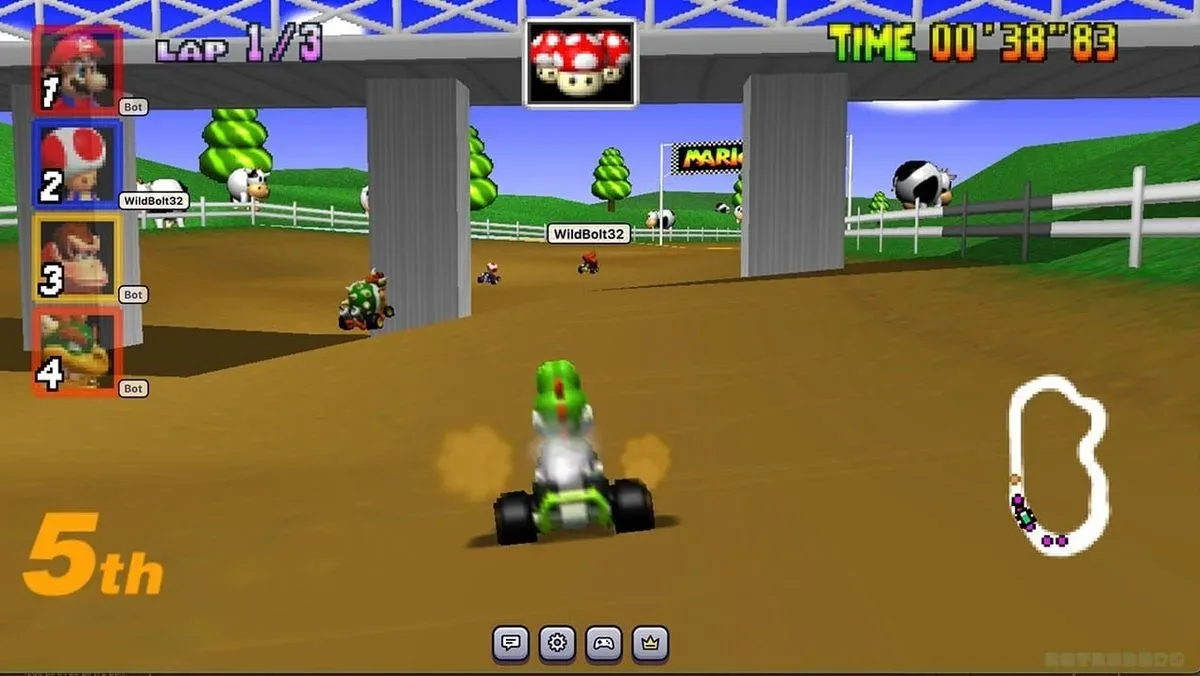
For another look at how Nintendo 64 classics can find fresh audiences through new ways to play, see our coverage of the Mario Kart 64 browser port and its online race options.