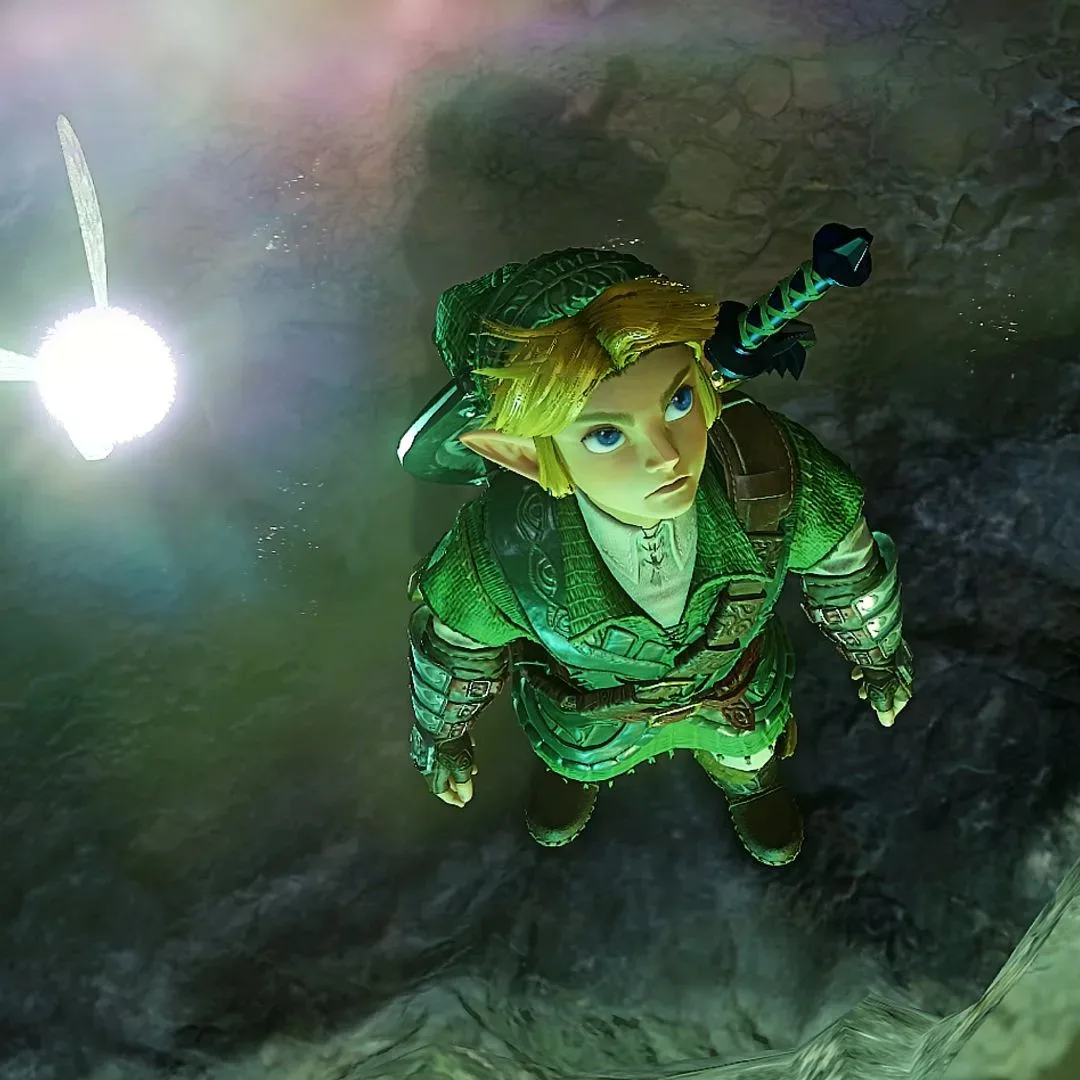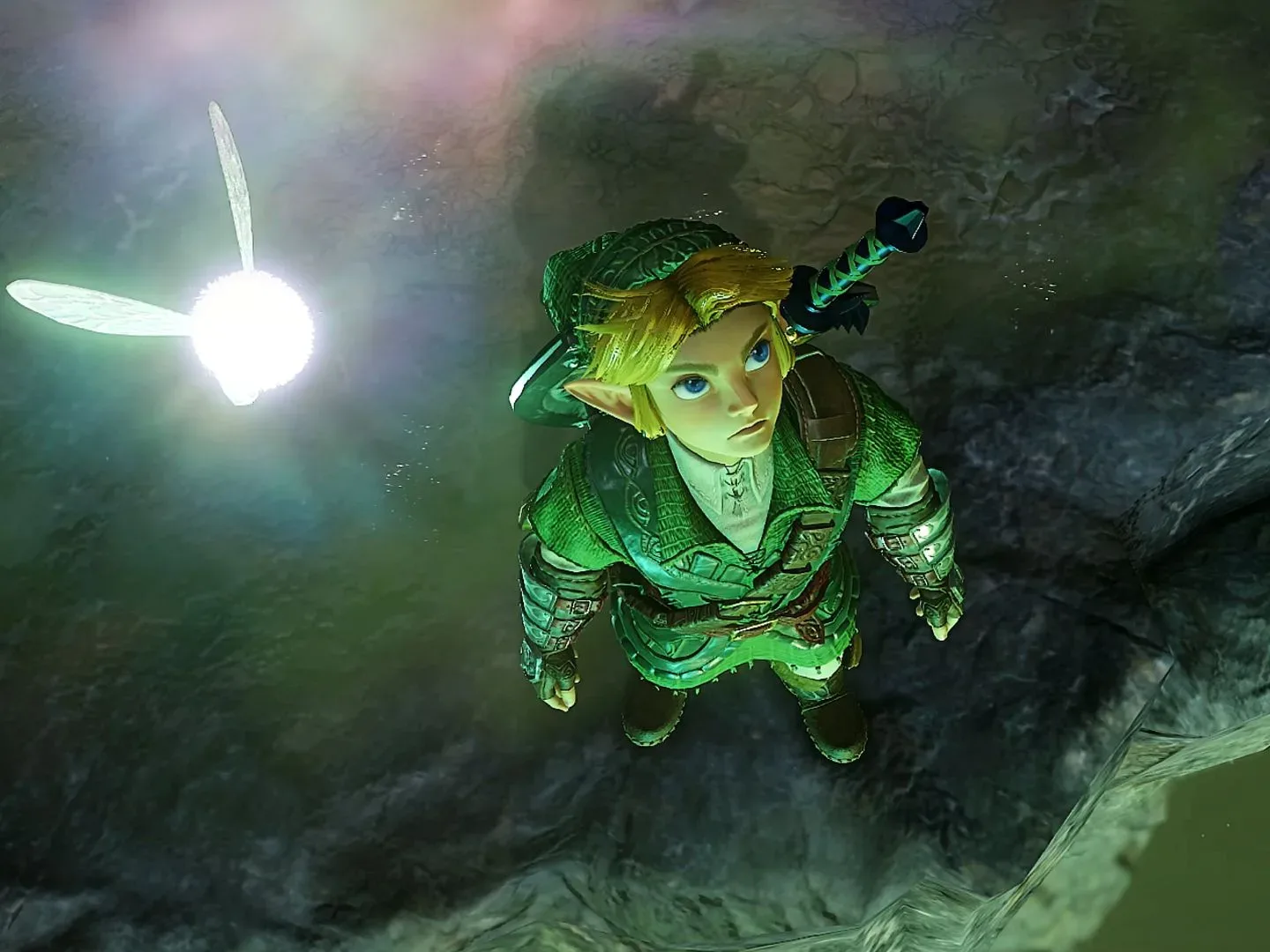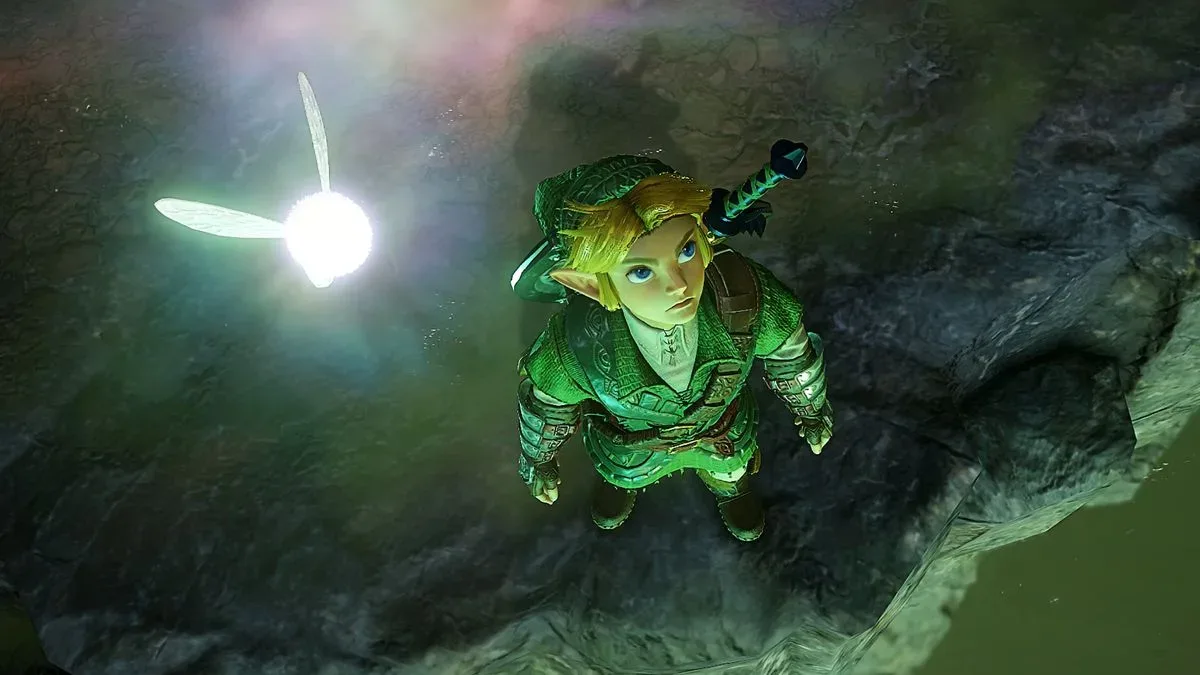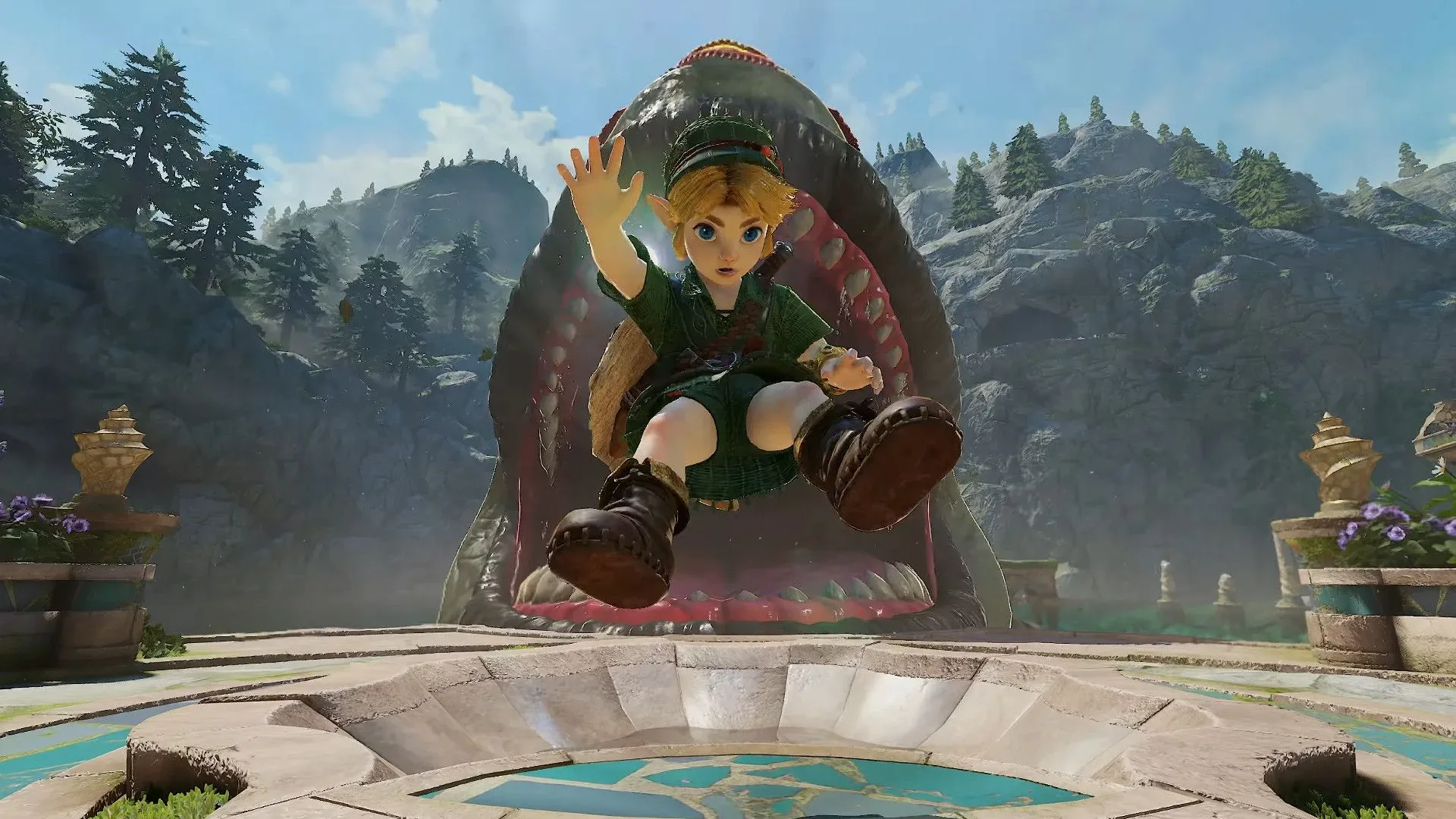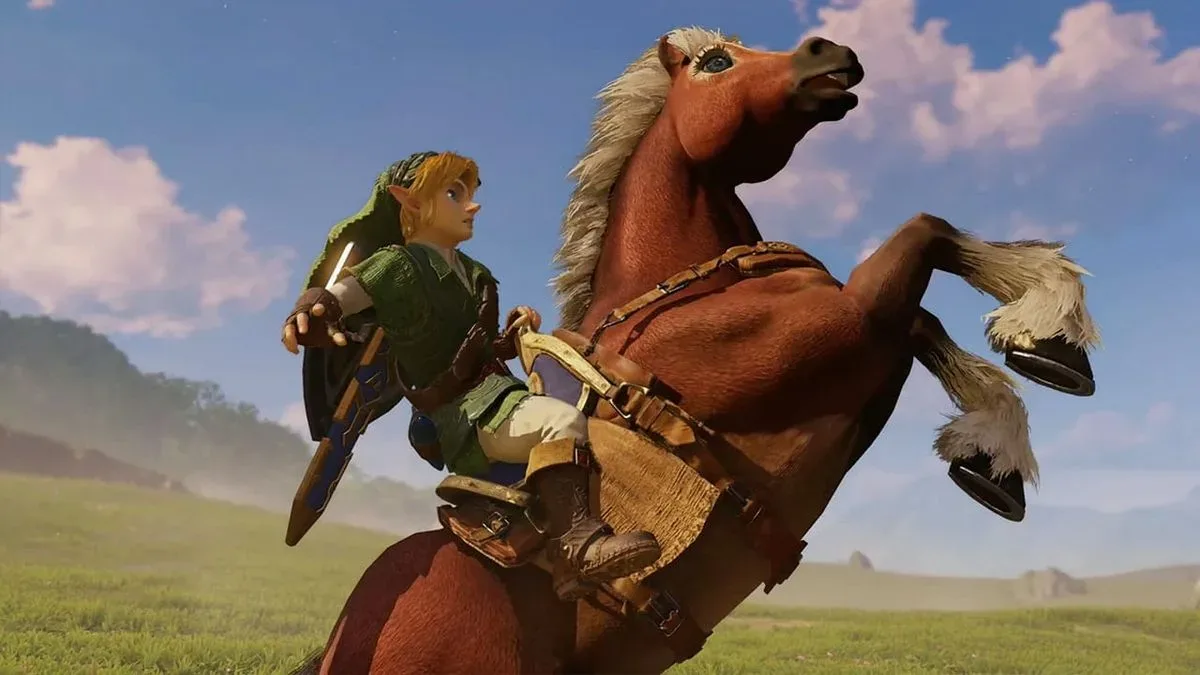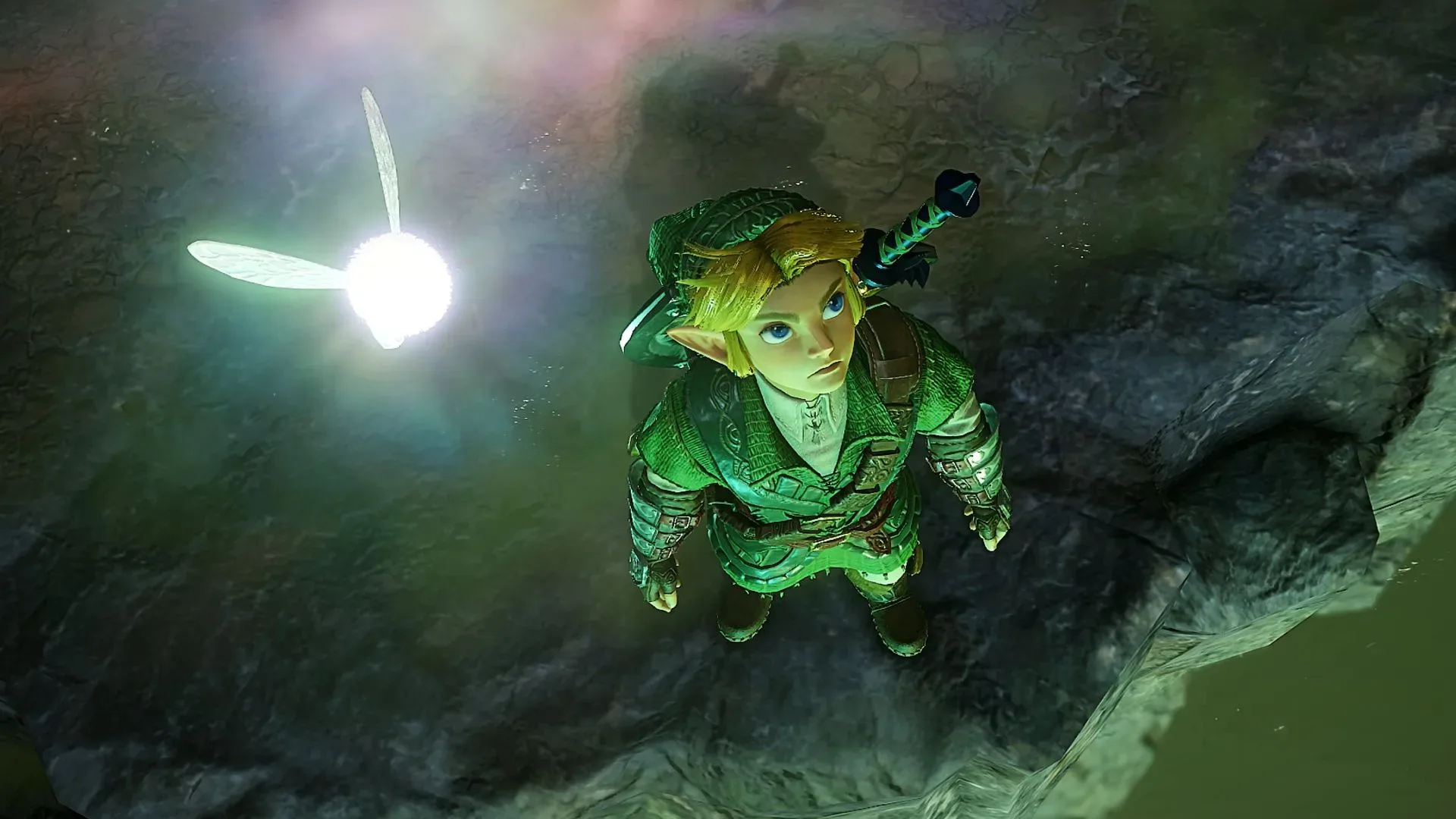
The reported approach behind the new The Legend of Zelda: Ocarina of Time remake is not simply to preserve a Nintendo 64 classic behind newer presentation. Producer Eiji Aonuma has highlighted the role of younger developers, including team members who had never played the 1998 original, in reconsidering how the adventure should work for players now.
That is a notable framing for a remake of a game with an exceptionally strong legacy. The usual concern around a project like this is whether a development team will change too much. Aonuma’s comments suggest another risk was taken just as seriously: changing too little, and assuming that every convention of an older game will automatically communicate its purpose to a new audience.
“It’s thanks to these young people, by thinking about how to adapt the game in the best possible way, how to make it fun once you have the controls in your hands, that this remake came into being,” Aonuma said.
Aonuma’s connection to the original gives that observation particular weight. He was its scenario director and dungeon designer, placing him among the people responsible for its foundational structure. His involvement on the remake, alongside staff with a different relationship to the game, points to a balance between institutional memory and a willingness to question inherited assumptions.
Why not playing the original can be useful
“Fresh perspective” can sound like a vague corporate slogan, but it has a practical meaning in remake development. People who know an older game intimately often understand its systems without consciously noticing the knowledge they bring to it. They remember where to go, what a recurring visual cue means, how a control scheme behaves, and which bits of friction eventually became familiar.
A developer who lacks that history may ask basic but important questions: Is this action immediately understandable? Does the player have enough information? Is a control comfortable at the exact moment it matters? Does a feature feel intentional rather than merely traditional?
Those questions do not inherently lead to simplification. They can instead clarify the game’s ideas. A difficult challenge can remain difficult while its controls, signals and rules become easier to read. Likewise, a dungeon can retain its identity while receiving adjustments that better support its puzzles and pace.
That distinction matters. Modernizing a game is not necessarily the same as making it easier, faster or more crowded with systems. It is the process of examining whether the player experience still delivers the intended feeling through contemporary expectations and hardware. Aonuma’s emphasis on making the game fun “once you have the controls in your hands” keeps the discussion grounded in that player-facing reality.
Related coverage includes Ocarina of Time Remake Embraces Fresh Eyes as Eiji Aonuma Praises Younger Developers.
The remake’s reported changes point to a hands-on rethink
The remake is said to retain the core appeal that made the original beloved while adding new sidequests, making dungeon tweaks, introducing an option to disable the user interface, and including a jump button. Taken together, these are not all the same kind of addition. They affect different parts of how an adventure is navigated and perceived.
Sidequests can expand the edges of a familiar journey
Sidequests are optional activities separate from the central route through a game. In a remake, they can create reasons to revisit locations, spend more time with characters, or pursue goals beyond the main progression. Their presence alone does not reveal their scope or rewards, so it would be premature to assume how extensively they alter the adventure. Still, their inclusion indicates that the remake is not being described strictly as a visual rebuild.
Dungeon tweaks are potentially the most consequential change
Dungeons are central to Ocarina of Time’s identity, and Aonuma’s original role as a dungeon designer makes any reported adjustments especially interesting. A tweak could mean many things: a changed route, a revised interaction, clearer communication, or an altered relationship between a puzzle and the controls used to solve it. No detailed list of alterations has been provided here, so fans should avoid reading more into the term than the evidence supports.
Even modest refinements can have a significant effect in a puzzle-driven game. A well-designed dungeon depends on the player forming an understanding of its spaces, tools and locks. If an update improves readability or action feedback, it may help more players reach the intended “aha” moment without removing the puzzle itself.
Turning off the UI is an immersion option, not a universal upgrade
The reported interface option follows an approach associated with The Legend of Zelda: Breath of the Wild: players can hide the on-screen user interface for a less cluttered view. UI, short for user interface, is the information layer that commonly displays items such as status, maps, prompts or other gameplay indicators.
Removing it can make exploration feel more dependent on observation and memory. But it can also make play less convenient, particularly when a player wants immediate information. The valuable part of an optional setting is precisely that it does not declare one way of playing superior. It gives players room to decide whether they prioritize clarity, atmosphere, challenge, or a mix of all three.
A dedicated jump button changes the language of movement
The jump button may sound like a small quality-of-life feature, but direct control over jumping can influence how players interpret the world. It turns an action that had reportedly existed earlier in development into a clear, deliberate input. That can affect navigation, timing and the simple sensation of moving through Hyrule.
There is not enough information yet to establish every circumstance in which jumping will be used, or how it will interact with the remake’s environments and puzzles. But it is a useful example of the difference between recreating an older game’s outline and reassessing its moment-to-moment feel.
Aonuma’s comments fit a larger view of Zelda’s future
Aonuma has previously spoken positively about the ideas younger staff may bring to future Zelda projects. While receiving the Knight of the Order of Arts and Letters from France’s culture ministry, he said he was interested in what younger employees would imagine and was happy to guide them as they think together about where the series goes next.
That perspective does not diminish the work of veteran creators. Rather, it recognizes that long-running series need both continuity and renewal. Experienced staff can protect the reasoning behind a game’s character, structure and tone. Newer colleagues can identify which parts still speak clearly and which parts need reinterpretation for people encountering them without nostalgia.
It is also a useful reminder that a remake is not a single creative act performed by one era’s team. The original Ocarina of Time arrived in 1998. The people designing for players in the present confront different expectations around controls, visual feedback and optional customization. Preserving the past is an active process: someone has to decide what should stay untouched, what should be explained more clearly, and what should be rebuilt around a new player’s first impression.
That discussion connects with a wider industry concern about preserving development knowledge while making room for new contributors. As recent discussion of experience lost in studio closures illustrates, creative teams benefit from accumulated craft knowledge. Aonuma’s remarks offer the complementary point: experience is most productive when it is shared with people who can respond to it in new ways.
What longtime players and newcomers should watch for
For returning players, the most interesting question will be whether the remake preserves the distinct rhythm they remember while making its revisions feel purposeful. Familiarity can be a powerful test. Small changes to controls, dungeon flow, optional goals or information display are often more visible to someone who knows the original closely.
For newcomers, the test is simpler: whether the adventure stands confidently on its own. They will not approach every adjustment as a comparison point. They will judge the game by whether exploring, fighting, solving puzzles and operating the controls are satisfying in the present.
Neither perspective is more legitimate. The challenge for the remake is serving both without treating either group as an afterthought. Aonuma’s comments suggest the team sees newcomers not merely as a market to introduce to an old favorite, but as an important lens through which to judge the adaptation itself.
The remake is scheduled to arrive on November 5. Until more specific information is available, the clearest takeaway is not that every old element is being discarded or that every reported addition will transform the game. It is that the project has been shaped by people looking at Ocarina of Time from different starting points—and that Aonuma views those differing perspectives as a strength.