The Legend of Zelda: Ocarina of Time Remake is scheduled to arrive on November 5, 2026, bringing Nintendo’s Nintendo 64 landmark back in a visually rebuilt form while making meaningful changes to how players move through Hyrule and track their adventure. A detailed presentation led by series producer Eiji Aonuma showed locations including Kokiri Forest, Hyrule Field and Hyrule Castle Town, along with a mixture of modern convenience features and deliberately preserved touches from the original game.
The remake’s central story remains the familiar journey of Link, the Ocarina and the struggle surrounding Hyrule’s future. That continuity matters: this is not being positioned as a ground-up reinterpretation that discards the original structure. Instead, the footage suggests a version designed to make a foundational 3D adventure easier to approach for people who know later Zelda games, while retaining places, characters, bosses and key story beats that made the 1998 Nintendo 64 release so enduring.
For more on one of the remake’s most conspicuous storytelling adjustments, read our look at how Ocarina of Time Remake gives Hyrule a voice while Link stays quiet.
A newly detailed Hyrule, not merely a higher-resolution one
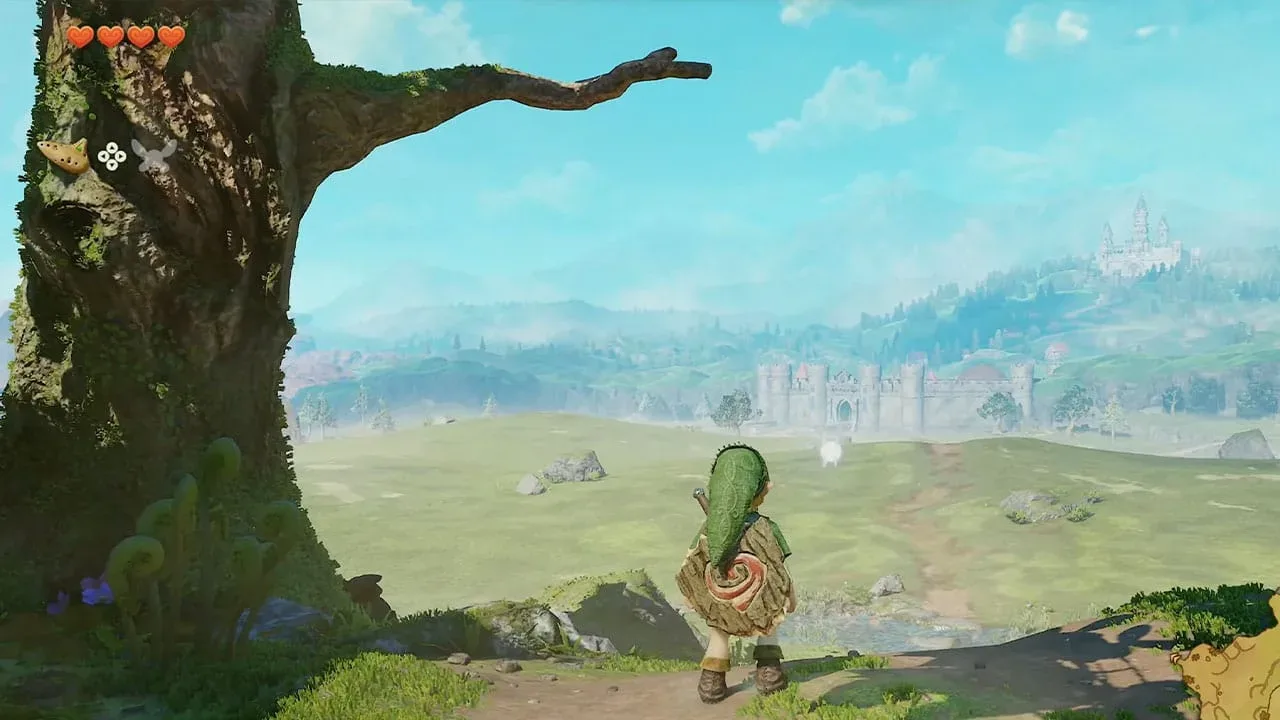
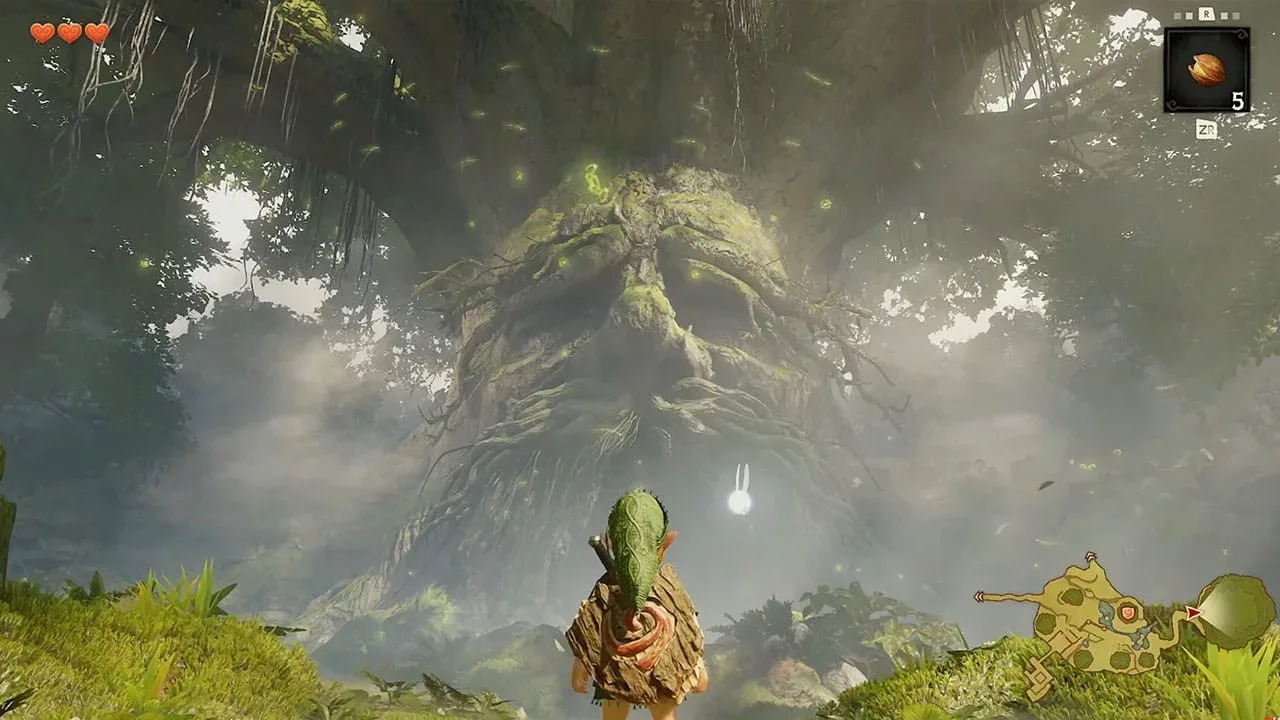
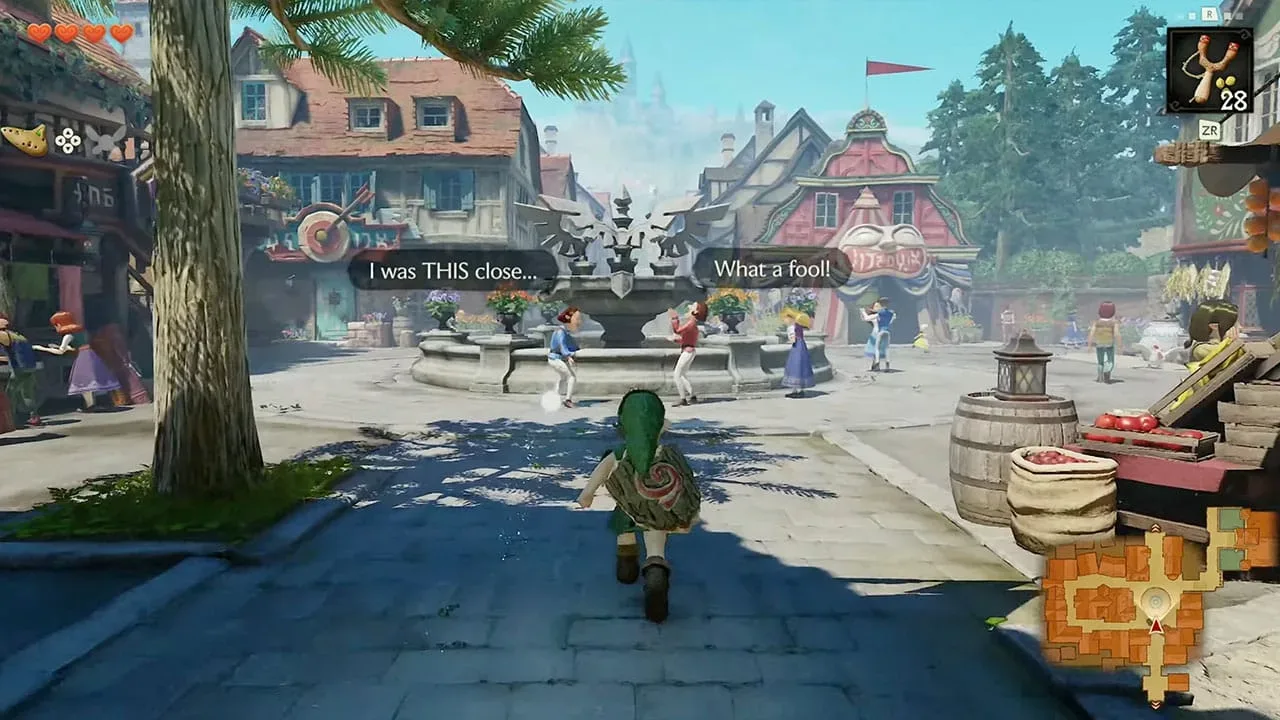
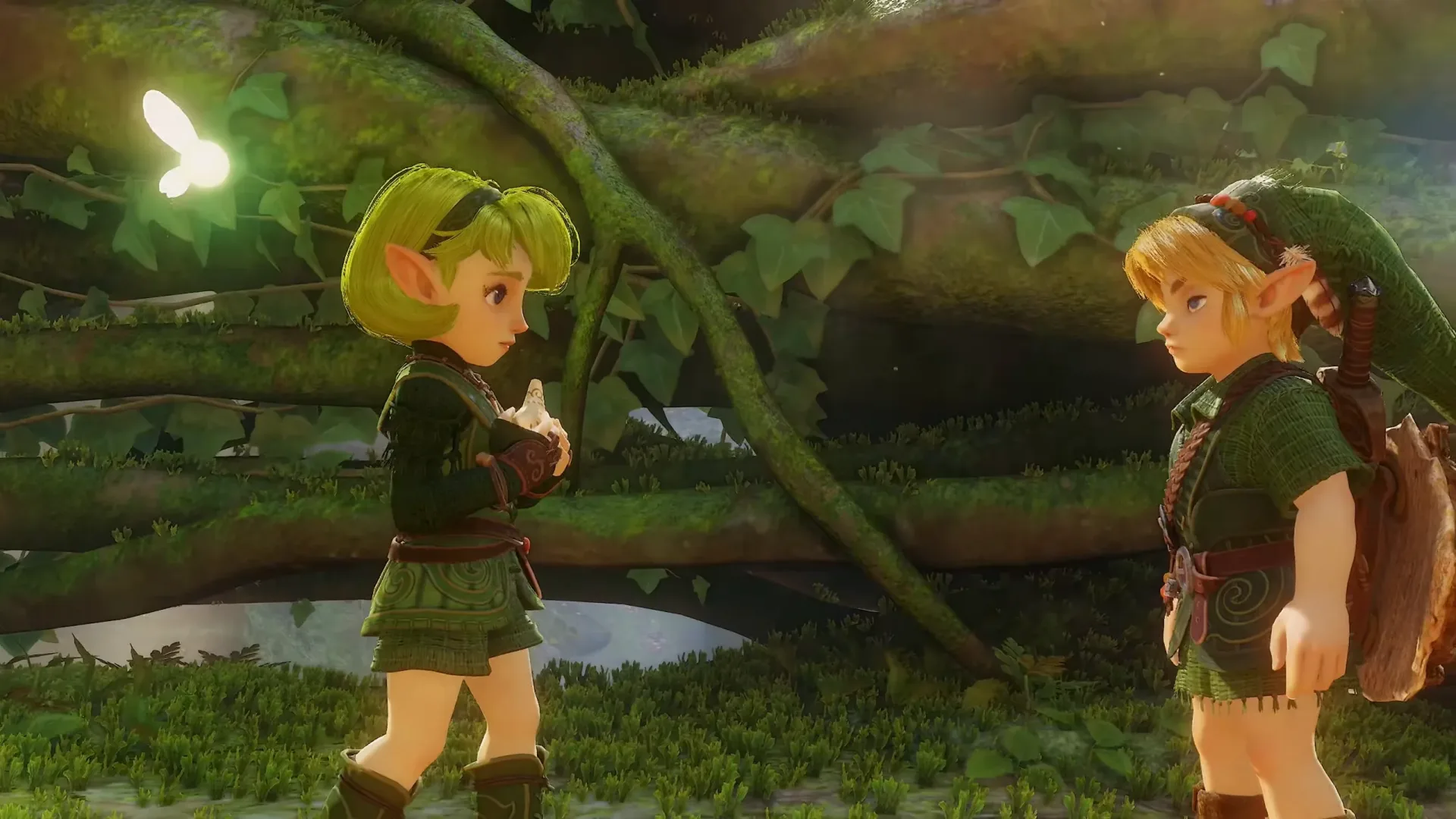
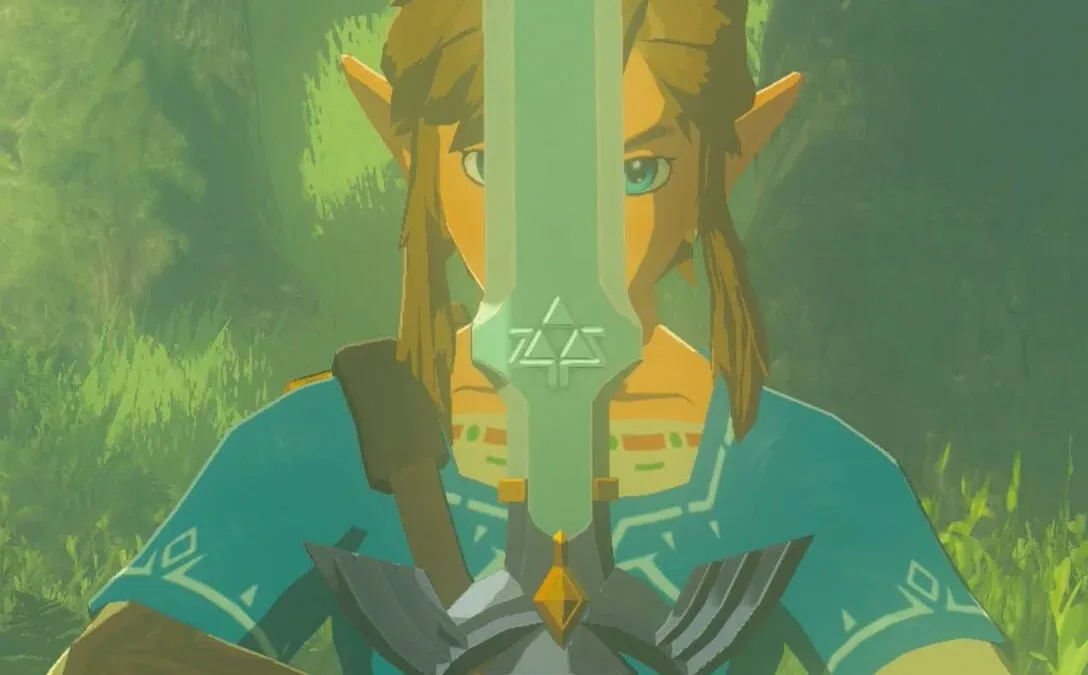
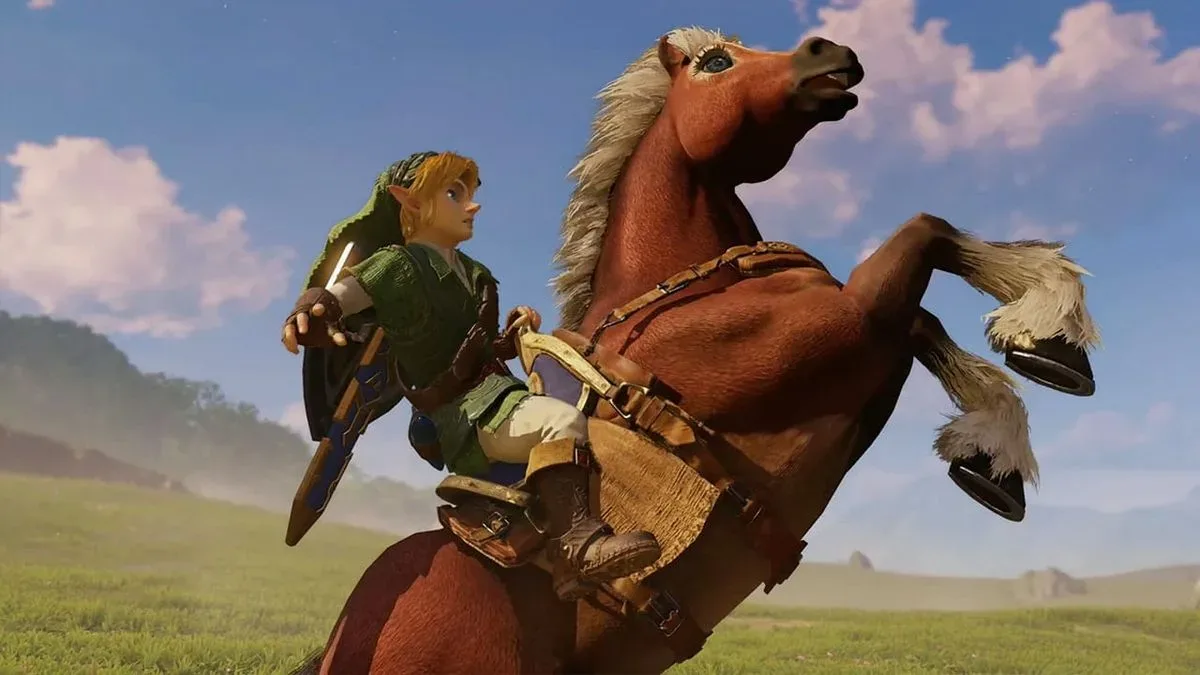
The immediate change is the visual treatment of the world. Link’s updated model shows notably clearer material detail in his clothing, while familiar environments have been reconstructed to better communicate their texture, scale and atmosphere. Kokiri Forest is no longer limited by the visual language of late-1990s hardware, and Hyrule Castle Town appears to have far more environmental detail for players to look over.
That distinction is important for a game whose original technical achievements were inseparable from its identity. Ocarina of Time established a language of 3D spaces, lock-on combat and cinematic adventure design that has influenced games for decades. A remake faces an unusual task: it needs to let longtime fans recognize the exact geography of a beloved world, yet make that world feel inviting to an audience accustomed to expansive modern environments and smooth camera control.
The remake’s visual direction appears focused on that balance. The footage does not simply treat every old polygon as something to be covered in more elaborate detail. It uses the added fidelity to help landmarks and settlements read as lived-in locations. That could particularly benefit Castle Town, where the presentation indicated there will be additional details and secrets spread through the square and its backstreets.
Travel across Hyrule Field is getting a practical upgrade
One of the clearest gameplay changes is Link’s expanded movement set. Players will be able to make Link jump with a button press, rather than relying on the original game’s context-sensitive automatic jump at ledges. The remake also includes rolling and dashing intended to get Link across Hyrule Field more quickly.
For players returning from the Nintendo 64 version, that change may sound small on paper, but it alters the rhythm of exploration. Hyrule Field was an ambitious connective space in the original release, yet revisiting its far corners could make its scale feel more apparent than its speed. Explicit jumping and faster ground movement bring the control vocabulary closer to what current players expect, without requiring the game to abandon its classic world layout.
Related coverage includes The Legend of Zelda: Ocarina of Time Remake Sets November 5, 2026 Launch.
Interior transitions are being streamlined as well. The presentation showed no loading pauses when entering shops, homes or the backstreets of Hyrule Castle Town. Larger locations will still retain some loading screens, with Aonuma describing that choice as a way to preserve an element of the original game’s feel. It is an intriguing compromise: remove interruptions from frequent, ordinary movement while allowing major transitions to retain a little of the pacing associated with the older adventure.
Free-camera exploration could change how Castle Town feels
A free-camera option is another major departure from the Nintendo 64 original. Ocarina of Time’s original targeting and camera systems were landmark innovations, but they were necessarily built around the constraints and conventions of early 3D console design. Giving players broader control over their view has obvious benefits in a more densely rendered world, especially in a place such as Hyrule Castle Town.
The presentation pointed to more to investigate in both the town square and its backstreets. It remains to be seen exactly how extensive those additions are, or whether they will involve new activities, secrets, rewards or simply greater environmental storytelling. Still, a free camera combined with more detailed spaces signals an intention for players to linger, look around and perhaps notice elements that the original’s fixed viewpoints could not foreground.
That can be a delicate area for a remake. Ocarina of Time was often direct and purposeful in its navigation. More points of interest may enrich a location, but the core appeal lies in supporting discovery rather than turning every trip through town into a checklist. The newly introduced Threads of Time system appears designed to help keep that expanded sense of exploration from becoming confusing.
Threads of Time offers a visual record and route forward
Threads of Time is a new progression feature that fills in a tapestry with images as the player advances. Beyond being a decorative record of the adventure, the tapestry is intended to help players understand their current objective and identify where they should head next.
That is a sensible addition for newcomers. The original game was generally approachable, but it also emerged from an era that was more willing to let a player sit with a puzzle, remember a conversation or infer an unclear next step. Modern players entering through Nintendo Switch-era Zelda games may have a different relationship with optional hints and quest guidance. A visual tracker can supply gentle clarity without necessarily putting a constant floating marker in front of every discovery.
For returning fans, Threads of Time may become a satisfying way to see the adventure’s major moments accumulate. Its effectiveness will depend on how forcefully it directs the player, which has not yet been fully detailed. If it functions as a reference players can consult when needed, it could support accessibility while leaving the old game’s pleasures of observation and deduction intact.
Voiced scenes add a new dimension to a famously quiet adventure
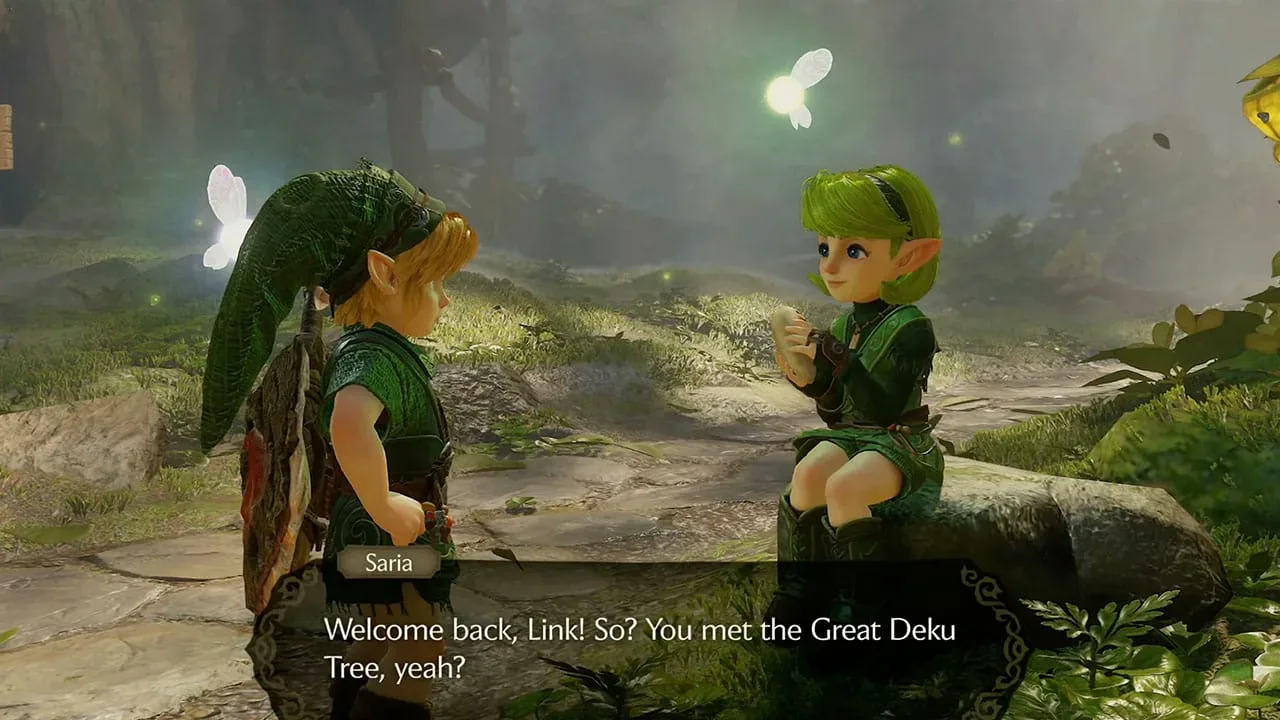
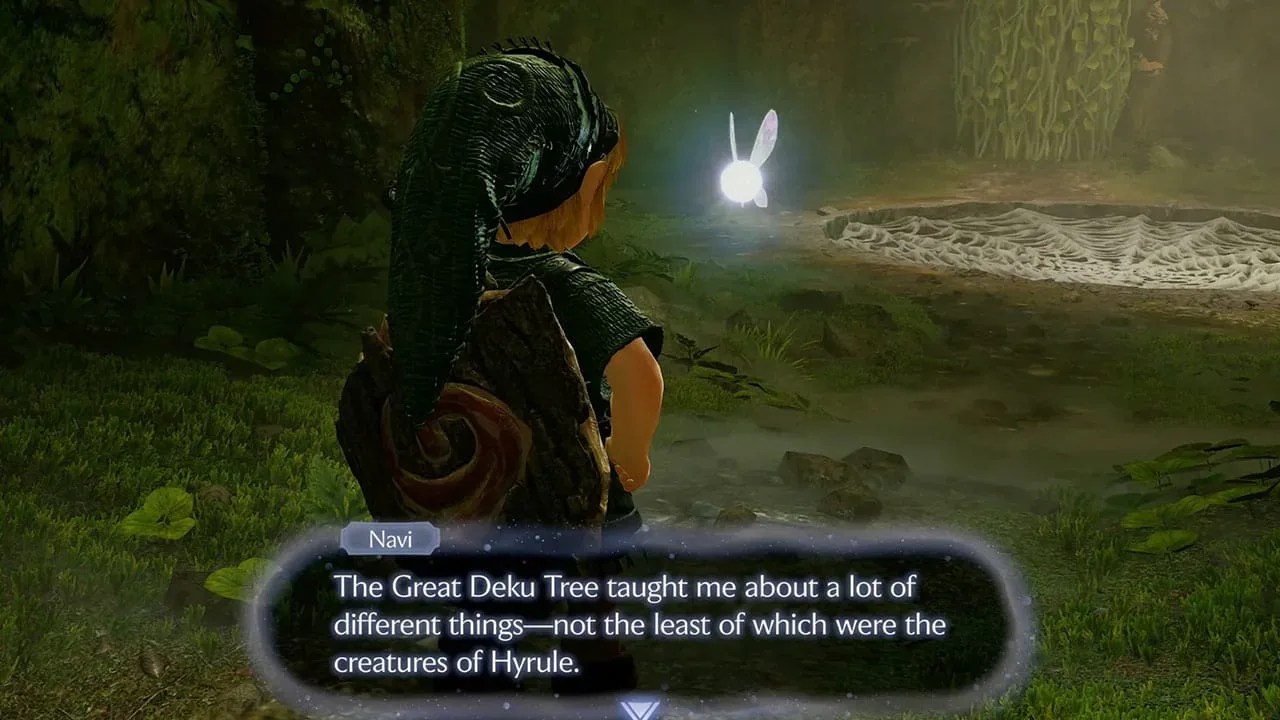
The remake introduces voice acting throughout its cutscenes. Saria is heard speaking with an American voice, while characters including Ganondorf and Impa also receive spoken dialogue. Navi, already one of the original game’s most recognizable companions, will reportedly have more dialogue displayed in small speech bubbles.
Adding voices is perhaps one of the most consequential changes a remake can make to Ocarina of Time’s tone. The original used text, expressive animation, music and iconic vocal effects to convey drama; its silence around many characters left room for the player’s imagination. Full voice performances can make relationships and story scenes flow in a more contemporary way, but they will inevitably create a more defined interpretation of those characters.
Link remains quiet, preserving the protagonist’s traditional role as a player-facing hero rather than a heavily scripted speaker. That combination of a silent Link and a voiced supporting cast could give scenes additional momentum while keeping a major piece of Zelda’s identity in place. It will be especially interesting to see how the remake handles the emotional turns involving Saria, Zelda, Impa and Ganondorf, whose original scenes carried considerable weight despite technical and dialogue limitations.
Dungeons, bosses and musical interaction
The presentation also teased changes inside the dungeons, including new features and animations, although the full extent of those revisions has not been specified. Since dungeons are the structural heart of Ocarina of Time, this is one area where players will likely watch closely for the line between refreshed surprises and changes that affect classic puzzle design. The main narrative is said to remain unchanged, but altered dungeon elements could give experienced players fresh details to uncover.
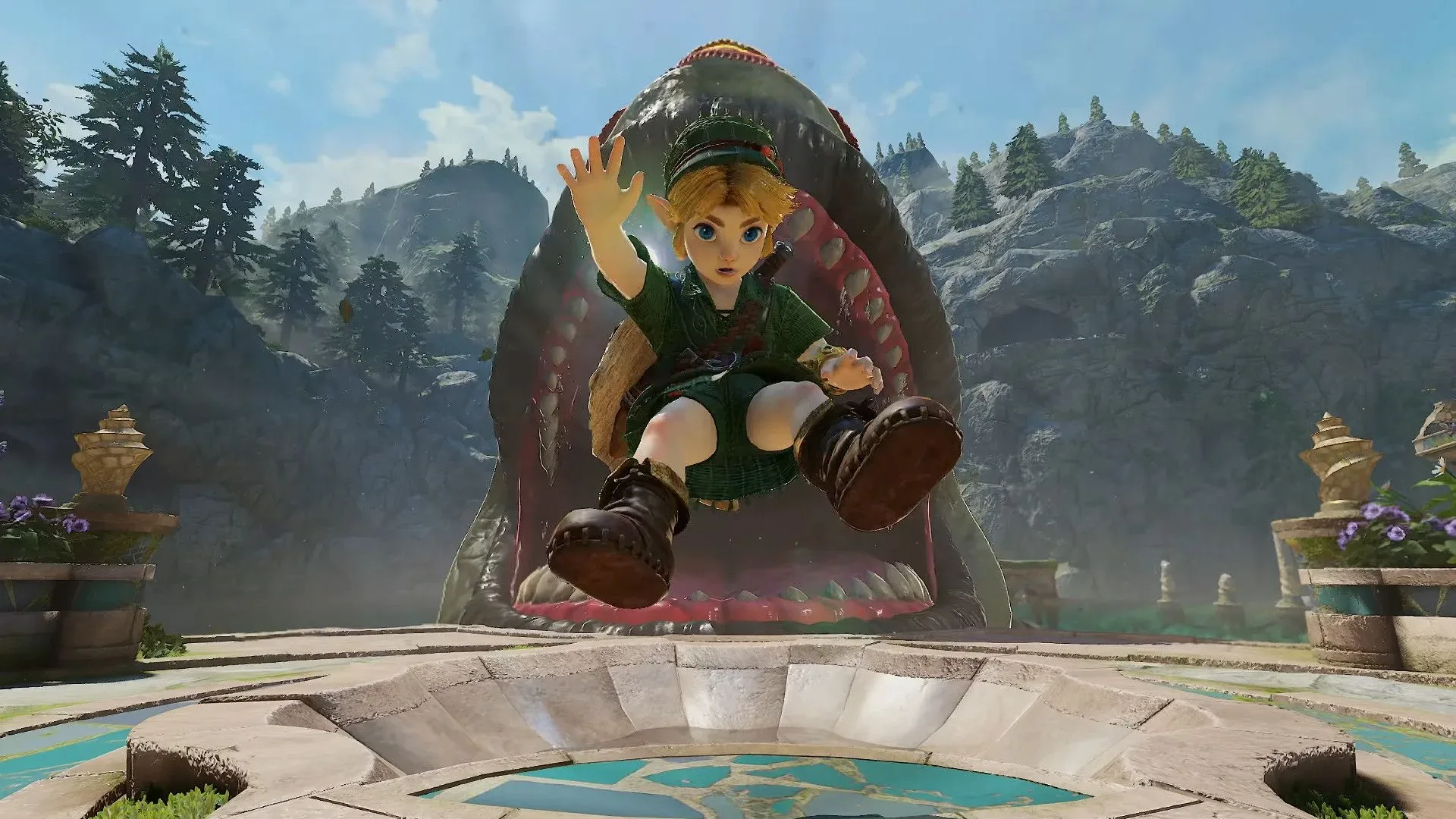
Several famous enemies and bosses appeared in trailer footage, including Queen Gohma and King Dodongo. Their presence confirms that the remake is embracing the game’s original bestiary rather than replacing its earliest encounters with entirely new concepts. Updated presentation could make these battles substantially more imposing, particularly for players whose first experience with the originals came through the angular but expressive visuals of Nintendo 64 hardware.
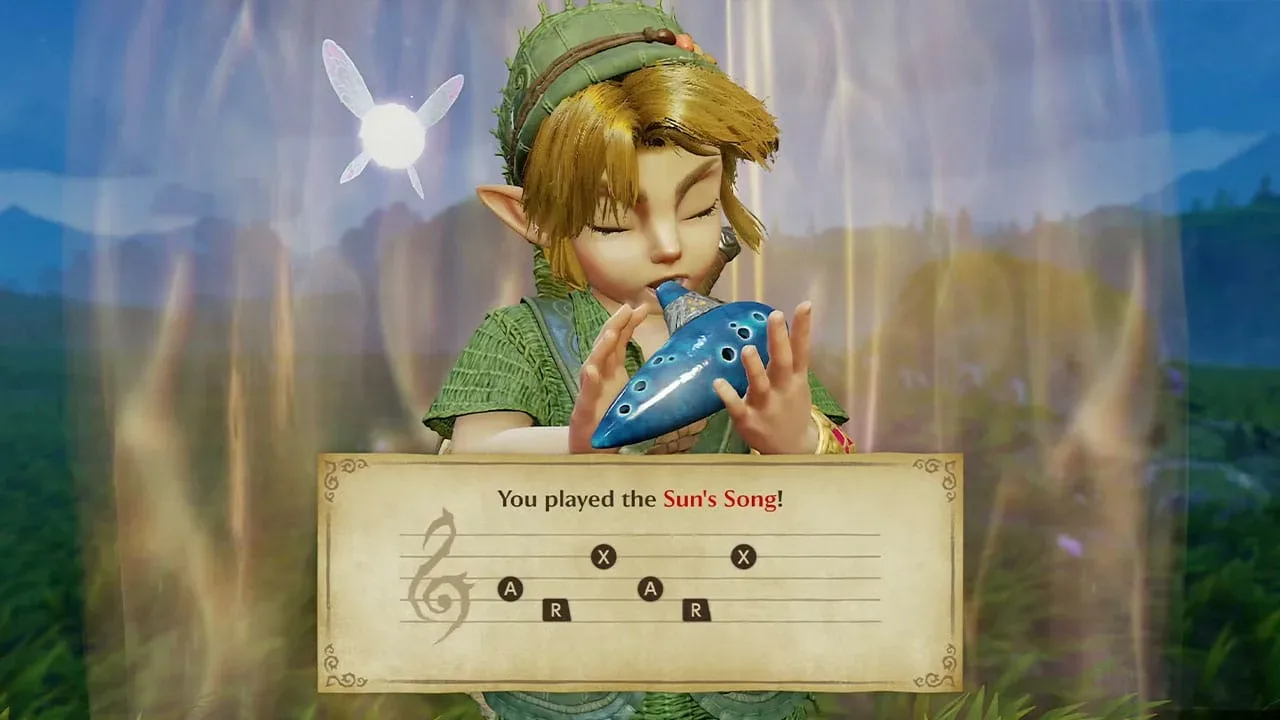
Nintendo Switch 2 players will also have an unusual optional way to interact with the game’s music: humming Ocarina melodies into the controller. The feature leans into the fact that tunes such as Epona’s Song are deeply lodged in the memories of many fans. An Ocarina peripheral has also been referenced, though it is not necessary for the basic humming function described in the presentation. Specific details about how consistently voice recognition works, which songs are supported and how the feature fits into play have not been outlined here.
What is known ahead of November 5
The release date is November 5, 2026. The game was described as available for preorder through the Nintendo Store during the presentation, though store availability was not consistently visible at the time those details were reported. No price information should be assumed until official storefront listings clearly provide it.
What is already clear is that Ocarina of Time Remake is aiming beyond a simple nostalgia display. Faster traversal, a manual jump, free-camera viewing, lower friction inside towns, voiced cutscenes, music interaction and Threads of Time all suggest a deliberate effort to make an influential older adventure communicate with a new generation. At the same time, familiar Hyrule locations, returning bosses, the established story and even selected loading screens point toward a remake that understands the importance of the original’s shape.
That tension will define the project. Ocarina of Time means different things to different players: a formative childhood adventure, an essential artifact of Nintendo 64 history, or a much-discussed classic being encountered long after its innovations became standard. On November 5, 2026, the remake will have the opportunity to bring those groups back to the same Hyrule—only this time with a clearer view of every road, forest path and castle-town corner.