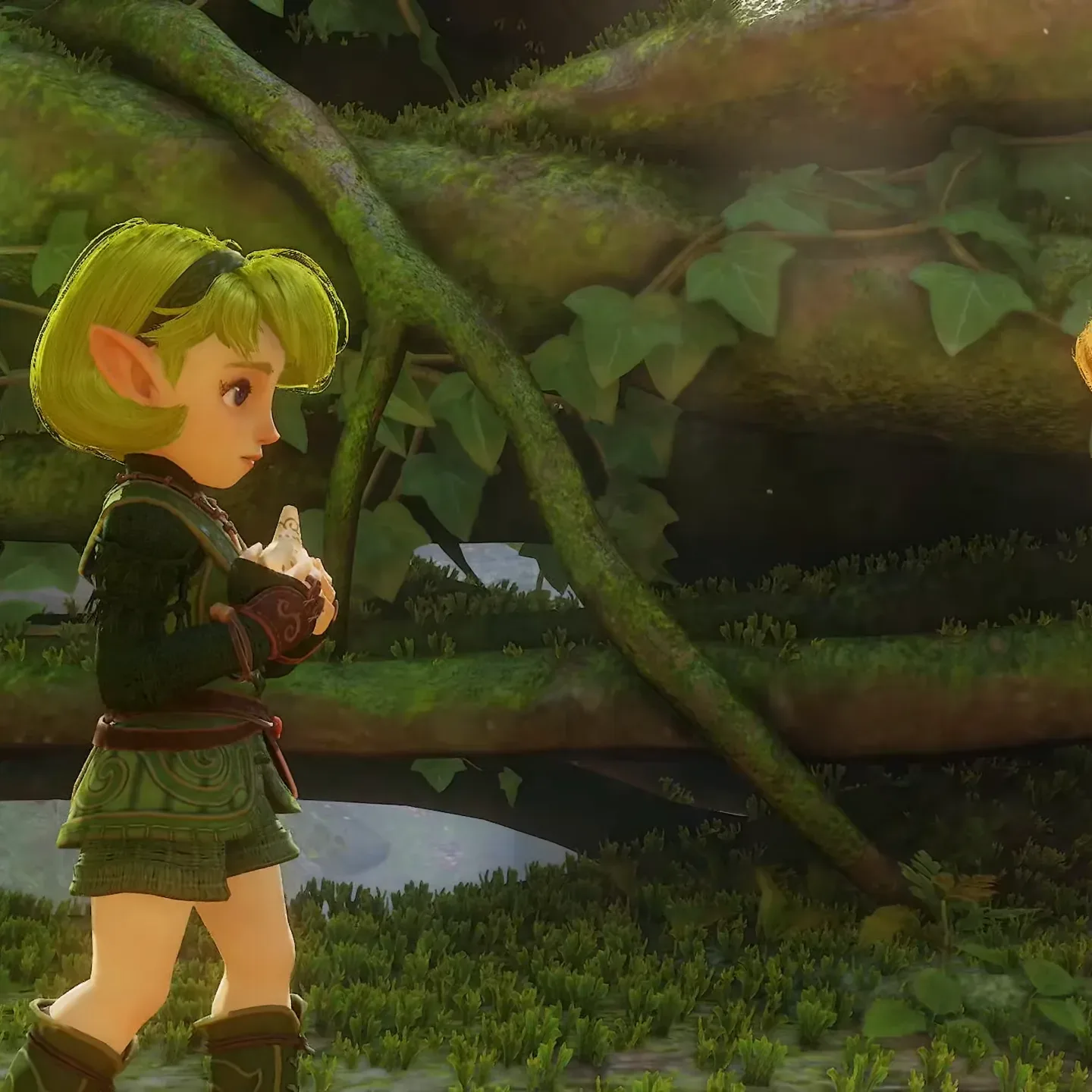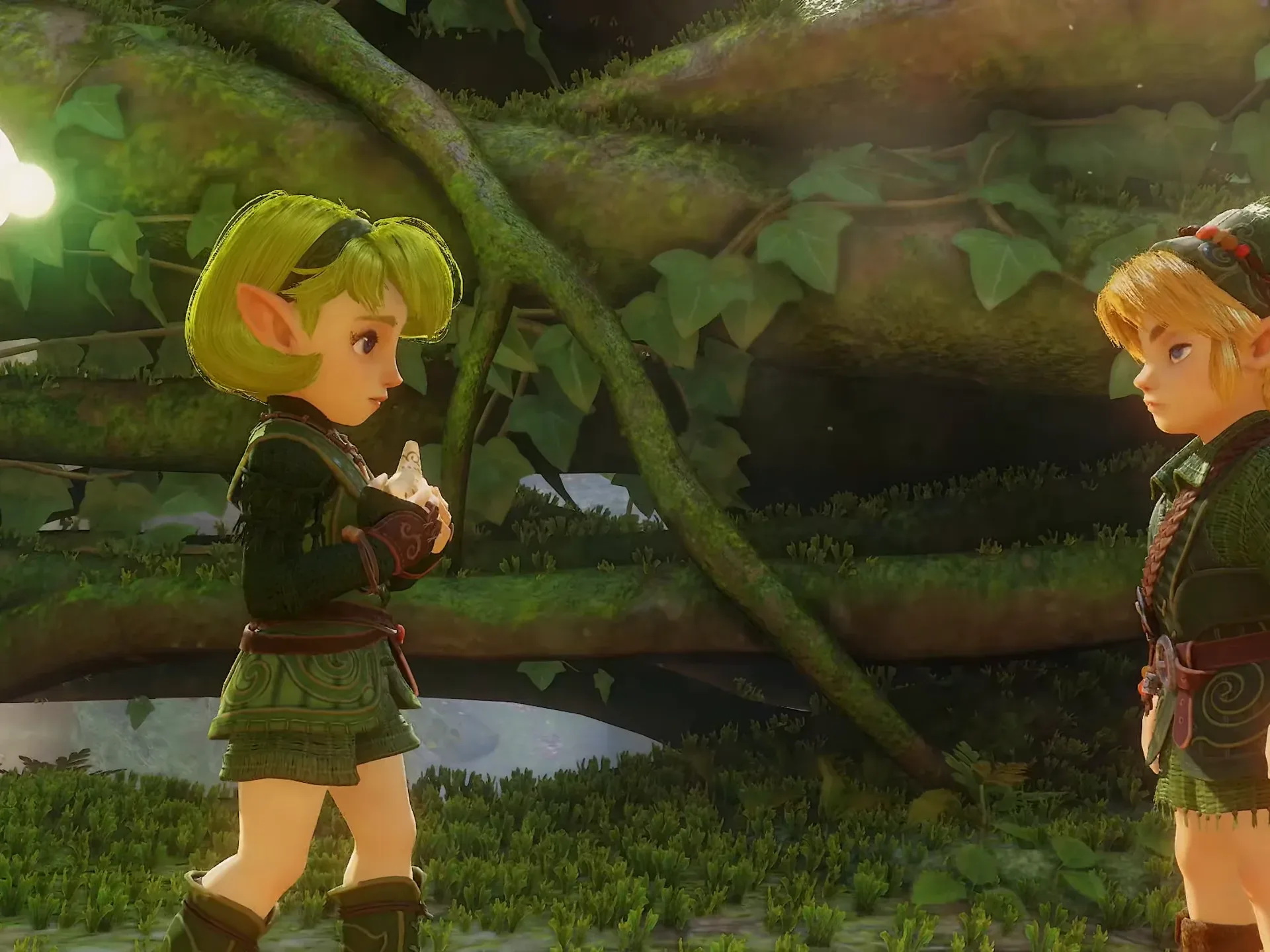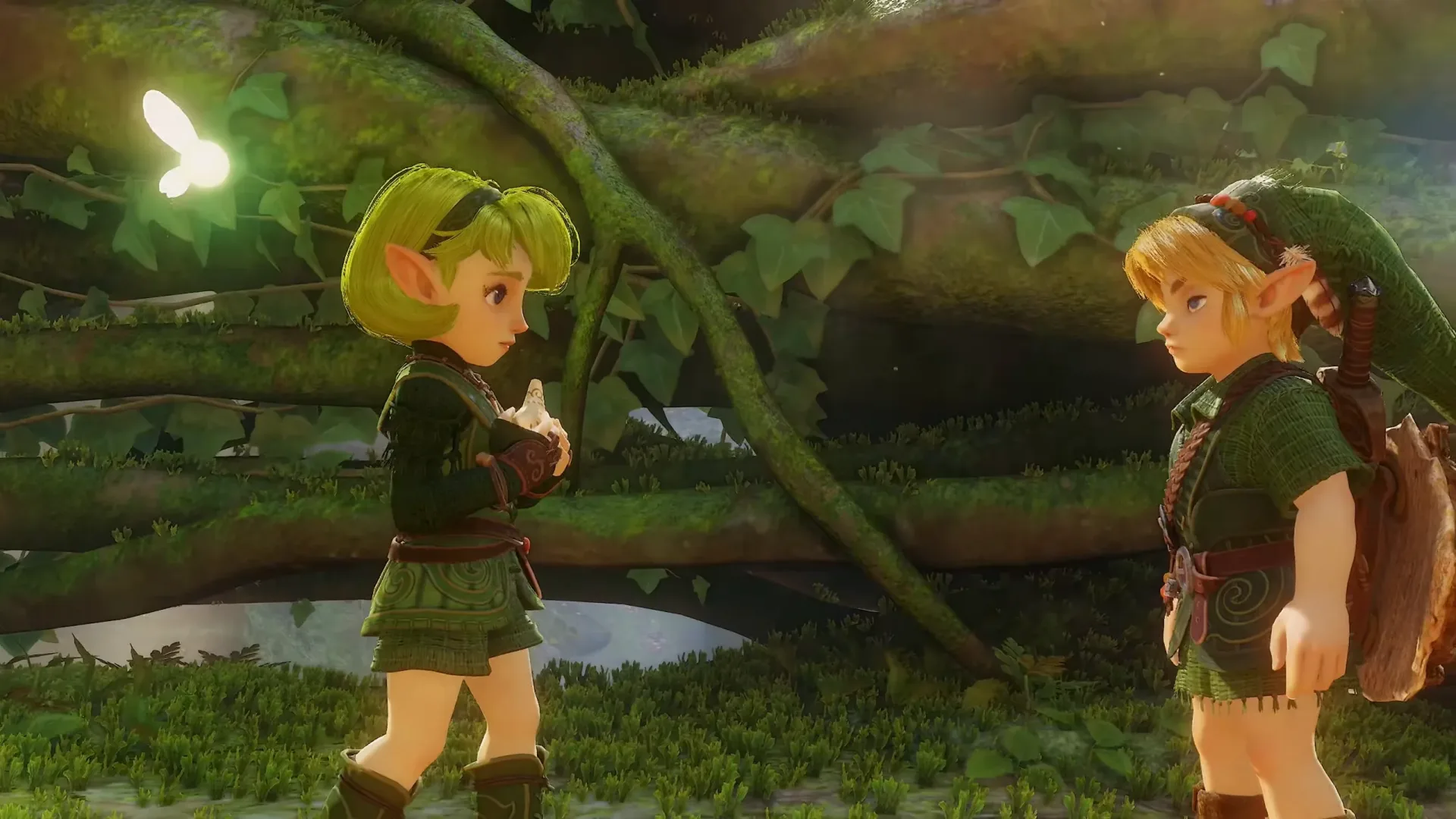
Nintendo’s latest look at The Legend of Zelda: Ocarina of Time remake points to a Hyrule that will sound very different from the one players first explored nearly 30 years ago. The remake is set to add fully voiced dialogue to many of the adventure’s best-known characters, including Princess Zelda, Saria, Princess Ruto, Darunia and Ganondorf. Link, however, remains Link: the green-clad hero is still a man of action, grunts and determined sword swings rather than conversational speeches.
It is a substantial change for a game whose original presentation made selective use of character audio. Players heard Navi’s alerts, Link’s exertions and a range of memorable sound effects, but the people of Hyrule communicated primarily through text. That approach became part of the Nintendo 64 classic’s identity. A dramatic exchange could be accompanied by an expressive character animation, a musical cue and a text box, leaving players to supply the precise voices in their own heads.
The remake takes a more cinematic route. The newly shown material includes spoken lines from major figures across the story, turning scenes that were once silent reading exercises into performed cutscenes. It is an update that may initially feel strange precisely because the original is so culturally ingrained. For longtime players, hearing a familiar character speak can be as startling as seeing a childhood home redecorated: recognizably the same place, but with an immediate sense that something fundamental has shifted.
Major Hyrule Characters Step Up to the Microphone
The characters highlighted so far cover much of the emotional and political backbone of Ocarina of Time. Zelda is central to the game’s warning of danger and its larger struggle for Hyrule. Saria represents Link’s roots in Kokiri Forest. Ruto and Darunia give the Zora and Goron storylines their distinct personalities, while Ganondorf provides the looming force behind the conflict.
Giving each of them voiced dialogue has the potential to alter the rhythm of familiar scenes. A player can read a text box at any pace; a performance introduces timing, pauses, emphasis and attitude. That can make a scene feel more immediate, but it also fixes an interpretation that was once open-ended. The result will likely be most noticeable in emotional confrontations and moments of revelation, where players have spent decades imagining exactly how a line should have been delivered.
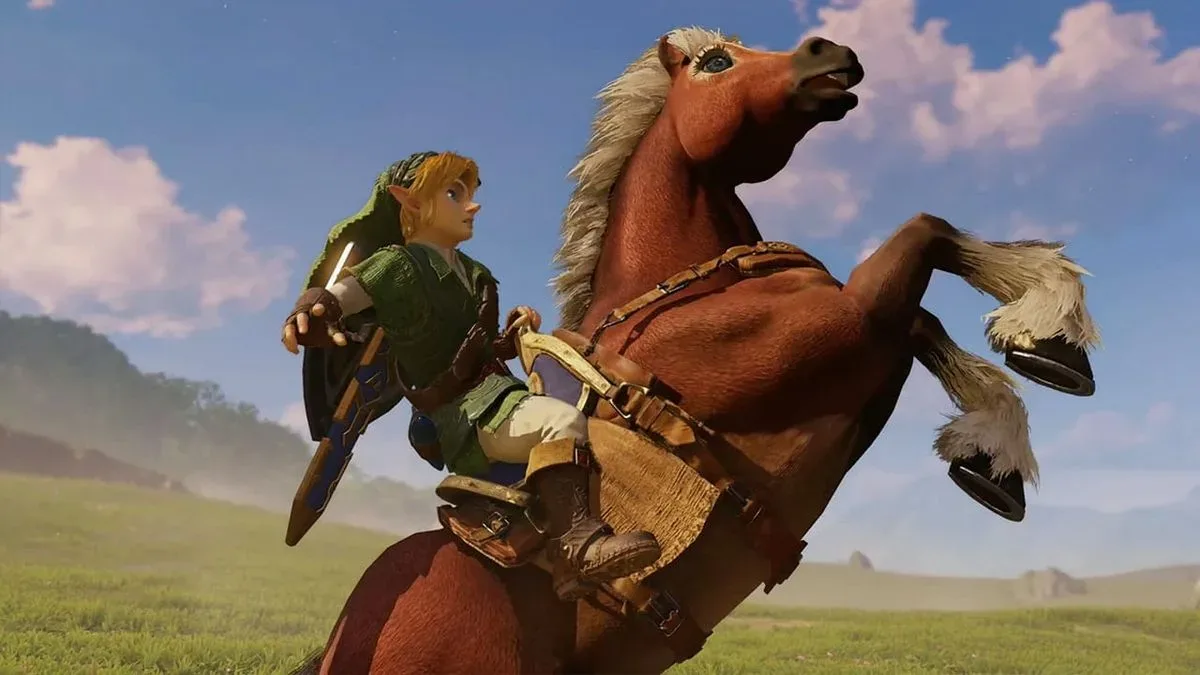
The trailer’s preview suggests that Zelda and Saria’s performances fit comfortably with the impressions many fans have carried from the text-driven original. Their voices add definition without seeming to contradict their established personalities. Ganondorf may be a more difficult adjustment for some viewers. His earlier presence drew considerable power from his imposing design, measured animations and the ominous space around him. Hearing him speak, including during the horseback encounter seen in the trailer, makes him more conventionally theatrical while retaining the character’s menace.
That tension is not necessarily a flaw. A remake’s job is rarely limited to making old assets look cleaner. It must decide which parts of an old game should remain untouched, which should be modernized and which should be reinterpreted. Voice acting is among the boldest possible reinterpretations because it changes performance rather than simply resolution or lighting.
Link’s Silence Is Still Part of the Design
Amid all this new dialogue, Nintendo appears to be holding fast to one of the series’ foundational decisions: Link does not receive spoken dialogue. The hero has always communicated through movement, brief vocal reactions and the player’s choices. Even in games where surrounding casts became increasingly expressive, Link’s relative silence created room for players to inhabit his role.
Related coverage includes Ocarina of Time Remake amiibo Bring Young Link and Zelda Back, With Unsettling Retro Masks.
Keeping that balance matters. A fully voiced Link would not just be another production feature; it would redefine the relationship between the player and the protagonist. The remake instead seems to preserve the old dynamic: Hyrule’s residents can explain, plead, boast and threaten, while Link responds through action. In practical terms, that means the game can expand the dramatic presence of its supporting cast without abandoning the quiet center that has long made the character adaptable.
It also creates an interesting contrast inside the cutscenes. Zelda, Saria, Ruto, Darunia and Ganondorf can now convey specific emotional shades through their delivery, while Link remains an attentive figure at the center of the frame. For a story about a young hero repeatedly being pushed into bigger responsibilities, that restraint may still do a lot of narrative work.
More Than an Audio Upgrade
Voice acting is not the only notable revision shown for the remake. Nintendo has also revealed a jump button and a quest log. Both features signal a willingness to reconsider how a 1990s adventure should feel to contemporary players, rather than treating the original’s interface and controls as museum pieces.
A dedicated jump button is especially meaningful in a game built around spatial exploration, platforming and dungeons. The original’s movement and context-sensitive actions were products of the Nintendo 64 controller and design conventions of its era. A more direct jumping option could make traversal feel more flexible, although its ultimate impact will depend on how it is integrated with the game’s existing level layouts, combat and puzzle design.
The quest log is a similarly modern-minded addition. Ocarina of Time asks players to follow clues, remember conversations and travel between regions during an adventure that spans different stages of Link’s life. A log could provide a useful record for players returning after time away from the game, or for newcomers who are less accustomed to relying entirely on memory and environmental hints. At the same time, the feature raises a familiar remake question: how much guidance is helpful before discovery starts feeling like instruction?
None of the revealed changes automatically determines the final feel of the game. A quest log can be unobtrusive or overly directive. A jump button can expand player expression or substantially reshape challenge. Voice work can enrich character moments or create friction with decades of personal expectation. What the reveal establishes is that this is not merely an untouched Nintendo 64 game receiving a visual polish.
Stylization Over Photorealism
Nintendo has said the remake is not pursuing realistic graphics. That decision fits a game whose original appeal was rooted in strong shapes, color, atmosphere and fantasy imagery rather than realism. Hyrule’s forests, temples, market streets and strange inhabitants have endured because their designs read clearly and memorably, even through the limitations of their original hardware.
A stylized approach can also give a remake more room to retain personality. It avoids the expectation that every character, environment and dramatic beat must be translated into a physically realistic world. For a game featuring fairy companions, talking trees, volcanic Gorons and a kingdom’s fate tied to a mystical instrument, visual charm may be more important than technical literalism.
Still, the statement leaves plenty to be seen. The footage establishes a direction, but it does not answer every question about how the remake will balance its new systems with the original game’s pacing and visual mood. Young Link, in particular, has always depended on a carefully calibrated mix of heroism, vulnerability and cartoon-like expressiveness. Updating him without making him feel out of place is its own challenge.
A High-Pressure Assignment for an Unnamed Cast
Nintendo has not yet disclosed the voice cast. With the remake’s additional dialogue now in the spotlight, those performers inherit a rare assignment: they are establishing the first full spoken versions of characters that audiences have loved and imagined for nearly three decades.
That is a different task from voicing a new character. The actors are not starting with a blank page, but with a long history of player expectations, artwork, text, music and memories. Every familiar figure comes with an unofficial voice already formed in the minds of fans. The performances revealed so far offer an early indication that the cast is approaching that responsibility with care, but full judgment will have to wait until more of the game is shown.
The silence around the names is also in keeping with the limited information currently available. The cast could be revealed later, potentially by November, but no official confirmation has been provided. Until then, the trailer itself is the clearest evidence of how much importance the remake is placing on its new performances.
For preservation-minded players, remakes always invite comparison with the original hardware experience. The Nintendo 64 version remains an essential part of the medium’s history, while modern retro releases continue to demonstrate why older platforms and design languages still matter; see this new Sega Master System and Mark III shooter for another reminder that classic-era sensibilities remain active today.
Ocarina of Time remake, meanwhile, appears to be taking a different route: preserve the adventure’s core figures and fantastical identity, then let them speak in a way they never did before. Whether that becomes a seamless evolution or a fascinatingly odd alternate take on a landmark game will depend on the complete experience. For now, one thing is clear: Hyrule has found its voice, and Link is still wisely letting everyone else do the talking.