Google has tucked a small The Legend of Zelda: Ocarina of Time tribute into its search page, and its trick is refreshingly direct: search for “zelda,” then look to the bottom-right corner of the results screen.
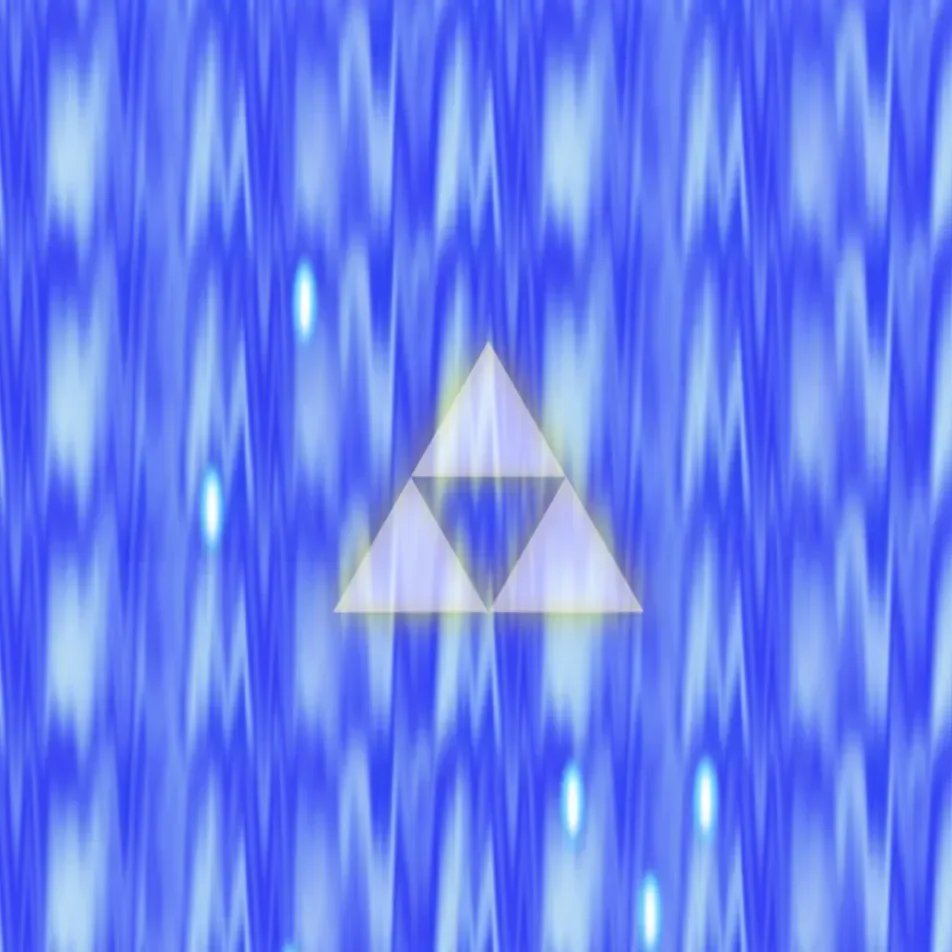
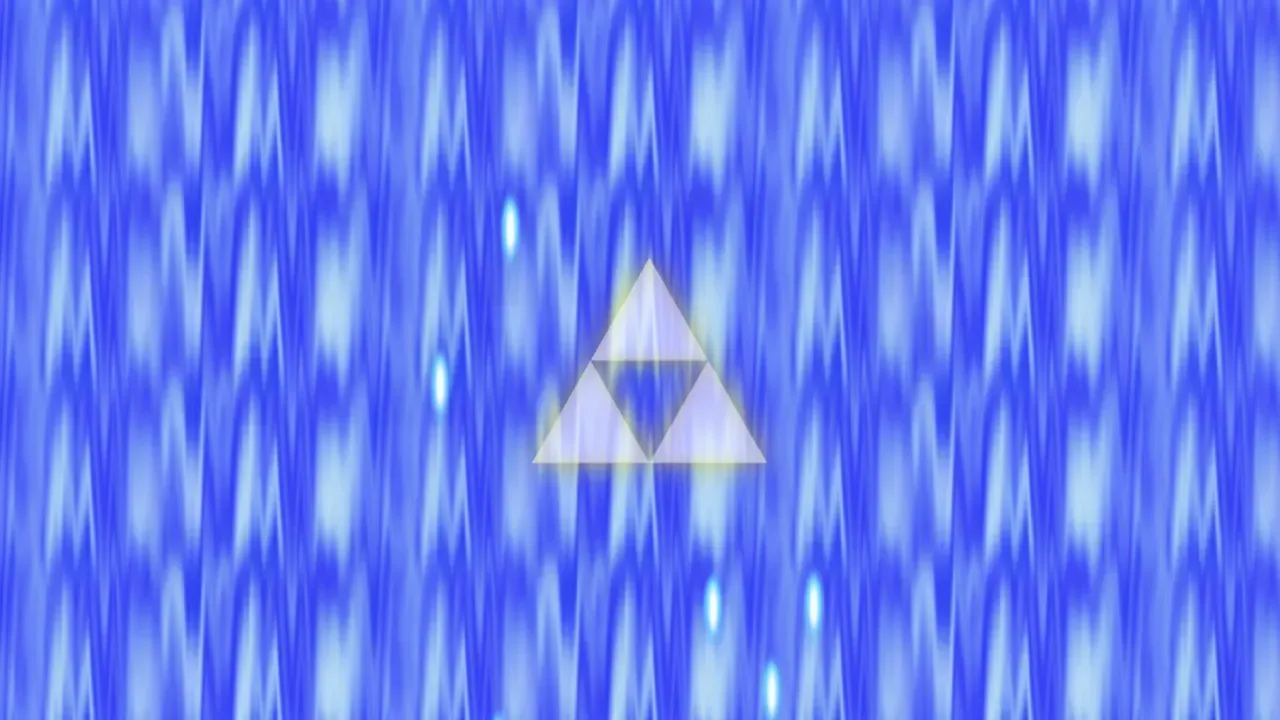
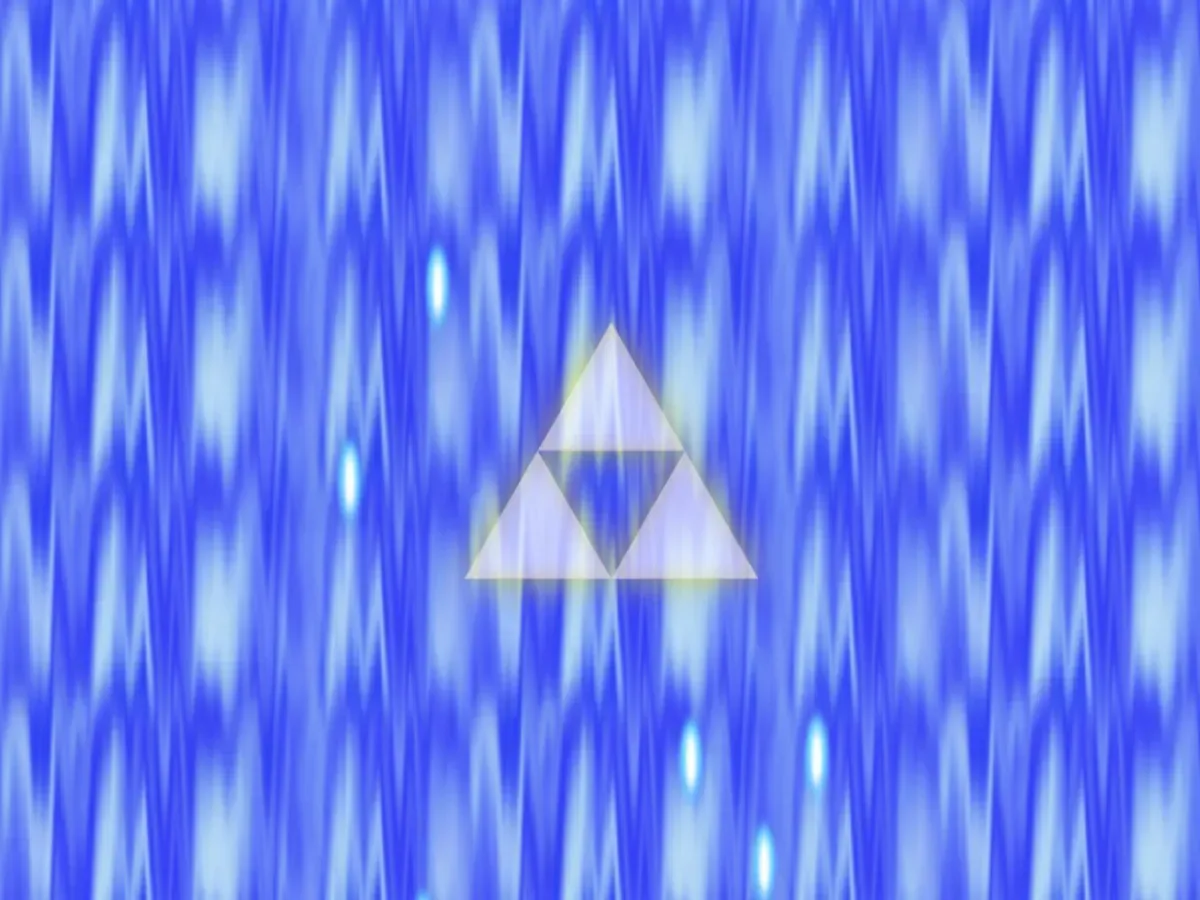
A Master Sword appears there. Clicking it triggers an animation in which the sword is pushed into its pedestal, accompanied by an audio effect and a screen-warping transition. The page then shifts into a stripped-back presentation intended to evoke Google in 1998: a simple field of blue result links, with an “I’m Feeling Lucky” option included in the throwback.
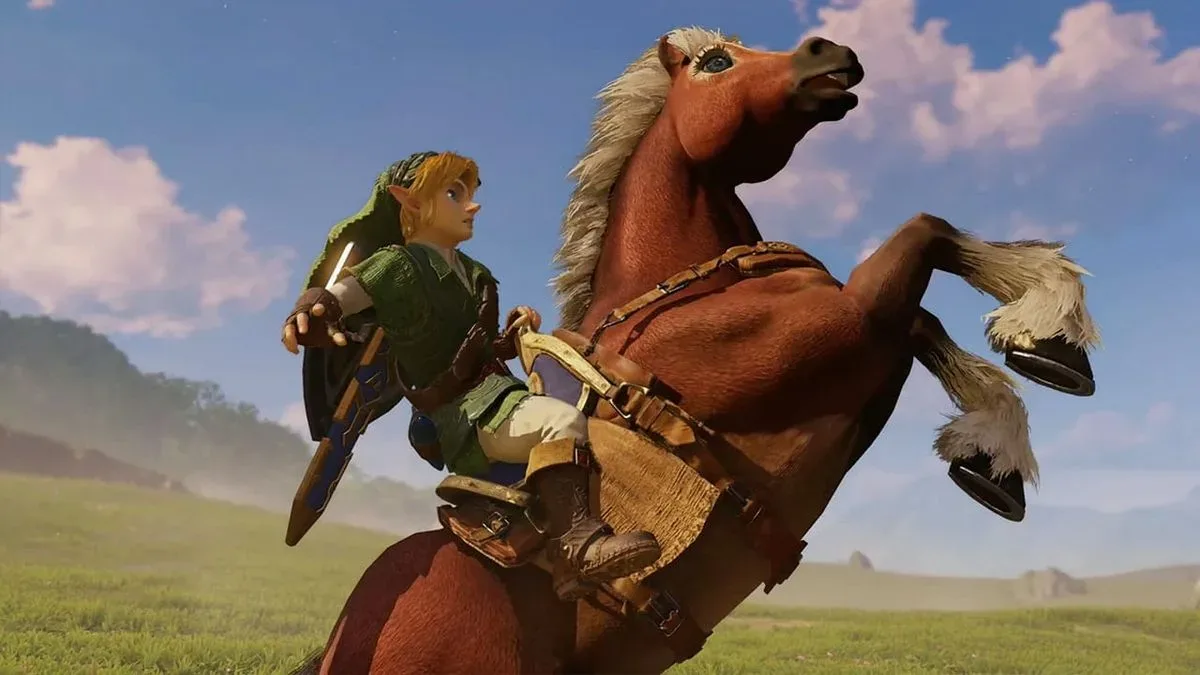
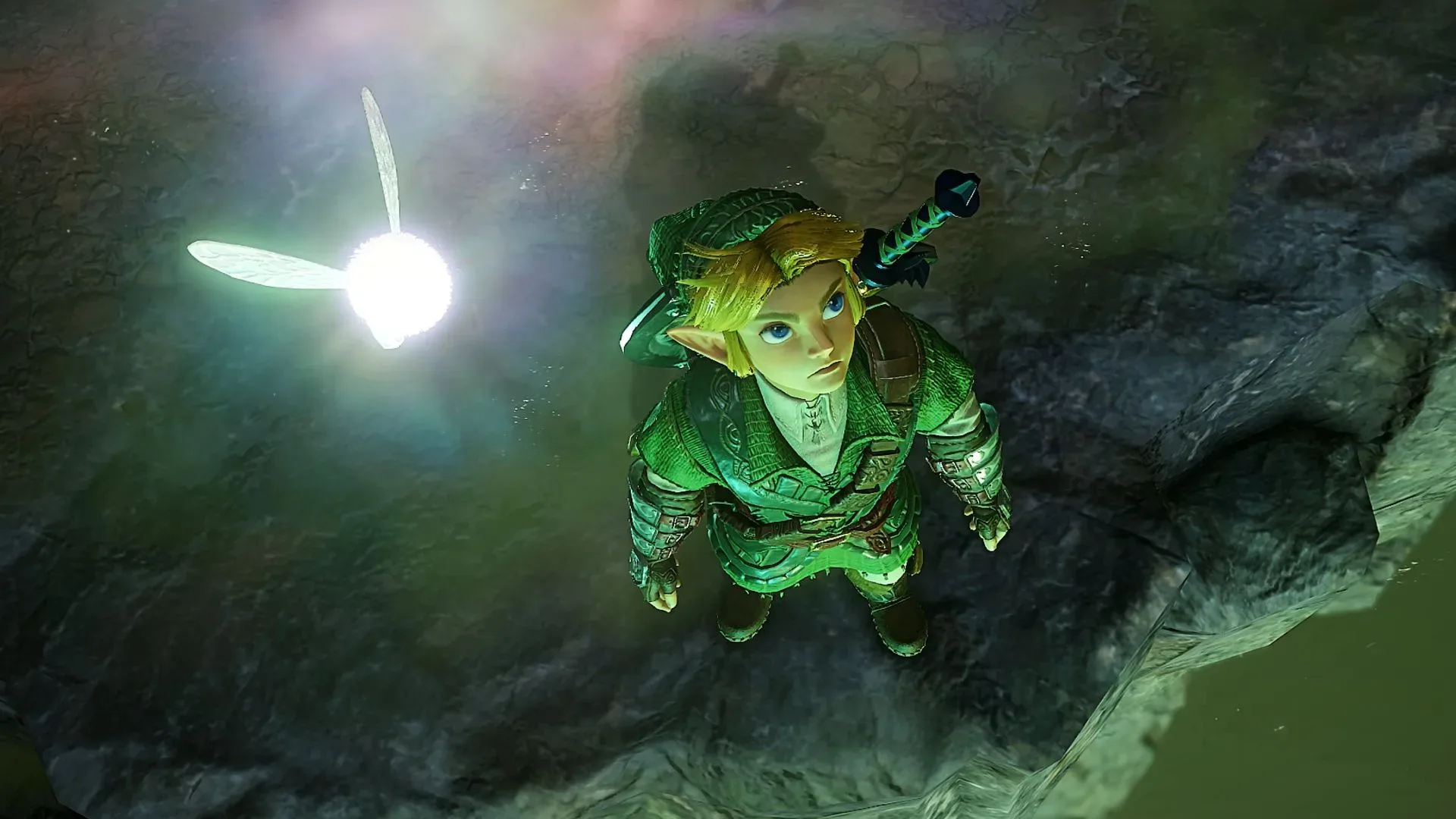
The timing is purposeful. The original Nintendo 64 release of Ocarina of Time arrived in 1998, while the remake is set to launch Thursday, November 5 as a Nintendo Switch 2 exclusive. Rather than merely placing a Zelda icon on a current search page, the Easter egg makes its central joke about time travel. Link’s familiar tool for moving across eras becomes a browser-level trip back to the year that defined the original game.
How to find the Master Sword search effect
- Open Google.
- Enter zelda in the search bar and run the search.
- Find the Master Sword graphic at the bottom-right of the results page.
- Select the sword to activate the pedestal animation and the 1998-style visual transition.
An Easter egg is an optional hidden interaction, reference, or feature placed inside software, games, or other media. It is not required to complete a task, and it often rewards people for trying a specific input or noticing a particular element. Here, the input is deliberately broad—just “zelda”—making the feature easy to discover without turning the search page into a puzzle guide.
That accessibility fits the reference. The moment is built around a universally recognizable Zelda object, not an obscure side character or a complicated sequence. The Master Sword is doing all the explanatory work: it is present, it is clicked, it enters a pedestal, and the page changes time periods.
A web nostalgia gag built around 1998
The transformed results page recalls the era through its emphasis on blue links and reduced visual clutter. The detail is more than an old-web costume. Search result pages are a familiar part of daily online life, so a minimal layout creates an immediate contrast with a contemporary interface without needing a lengthy explanation.
The “I’m Feeling Lucky” element is especially suited to the bit. In the 1998 version being referenced, it could send a user directly to a random search result. Its presence reinforces that the experience is not simply a Zelda-themed color change; it is framing the search page as a period artifact associated with the same year as the Nintendo 64 game.
1998 is also the shared focal point for the wider pop-culture nostalgia in the effect. It was the year of Saving Private Ryan, the emergence of teen pop stars including Britney Spears, and the debut of Sex and the City. Brandy and Monica’s “The Boy Is Mine,” Furby toys, and Nokia phones all belong to the same time-capsule shorthand. None of those references are necessary to operate the Easter egg, but they explain why a clean page of blue links can feel like a recognizable cultural flashback rather than merely an outdated design choice.
Related coverage includes Google's Zelda Search Easter Egg Sends Fans Back to 1998 Ahead of Ocarina of Time Remake.
Why the reference suits Ocarina of Time
Time is central to Ocarina of Time as a game concept, so the search interaction has a clearer thematic connection than a standard promotional badge. The effect uses distortion and a change in interface style to suggest being pulled into another era. It is a compact visual joke, but one that borrows the broad idea of crossing time rather than trying to recreate gameplay in a browser.
That distinction matters. This is a search-page interaction, not a playable preview, an announcement of a new feature for the game, or evidence of how the remake controls. It functions as promotional atmosphere: a quick, optional encounter intended to put the 1998 original and the new release in the same frame.
It also acknowledges that the audience for a remake can include people with very different relationships to the original. Some players remember the Nintendo 64 version firsthand; others may know it through Zelda’s long-running reputation, later releases, or retrospective discussion. The Google effect makes no assumption that someone needs to have completed the game to understand its basic idea. Search a franchise name, click an iconic sword, and get an instantly legible jump to its original year.
What is known about the remake—and what this does not reveal
Nintendo has been showing more of the upcoming remake, providing a clearer picture of how the Switch 2 version will look and feel than was available when it was first revealed. The available information also indicates that Eiji Aonuma, producer of the Zelda series at Nintendo, has said younger members of the team had not played the original game. He viewed that distance from the Nintendo 64 release as beneficial to the remake’s development.
That point is useful context for interpreting a nostalgia-heavy promotion. A remake can recognize the historical importance of its source while still being made by people who are not all personally anchored to its first release. The Google Easter egg leans hard into the original game’s year; the development perspective described by Aonuma suggests the remake itself is not necessarily limited to treating 1998 as untouchable.
Still, the search feature does not establish a checklist of remake changes, confirm gameplay systems, or explain the full scope of the project. It should be read for what it is: a themed browser flourish timed around the remake’s arrival. The useful information it supplies is the interaction itself and the deliberate connection between Ocarina of Time and 1998.
A small reminder of the Switch 2 context
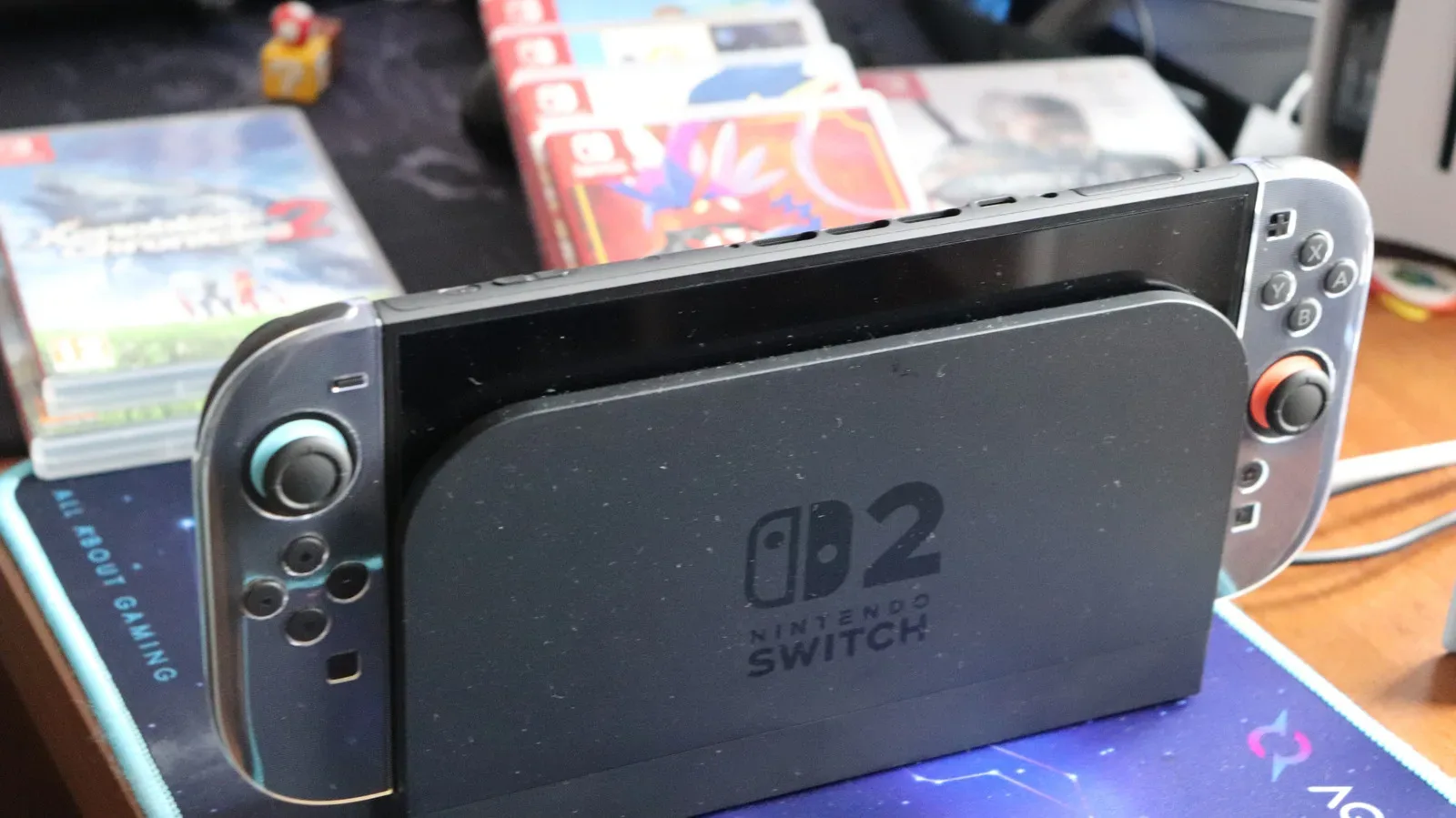
Because the remake is a Switch 2 exclusive, the throwback arrives alongside a modern platform question rather than solely a retro one. Players preparing a new console library may also want to understand the practical storage distinction around the system’s format; our guide to why microSD Express matters for Nintendo Switch 2 storage explains that part of the hardware conversation.
For now, though, Google’s nod to Hyrule asks for no storage space, download, or hardware. It is a brief detour available from a single word in a search bar—one that turns the Master Sword into a button for revisiting 1998 before the remake makes its own trip to Switch 2.