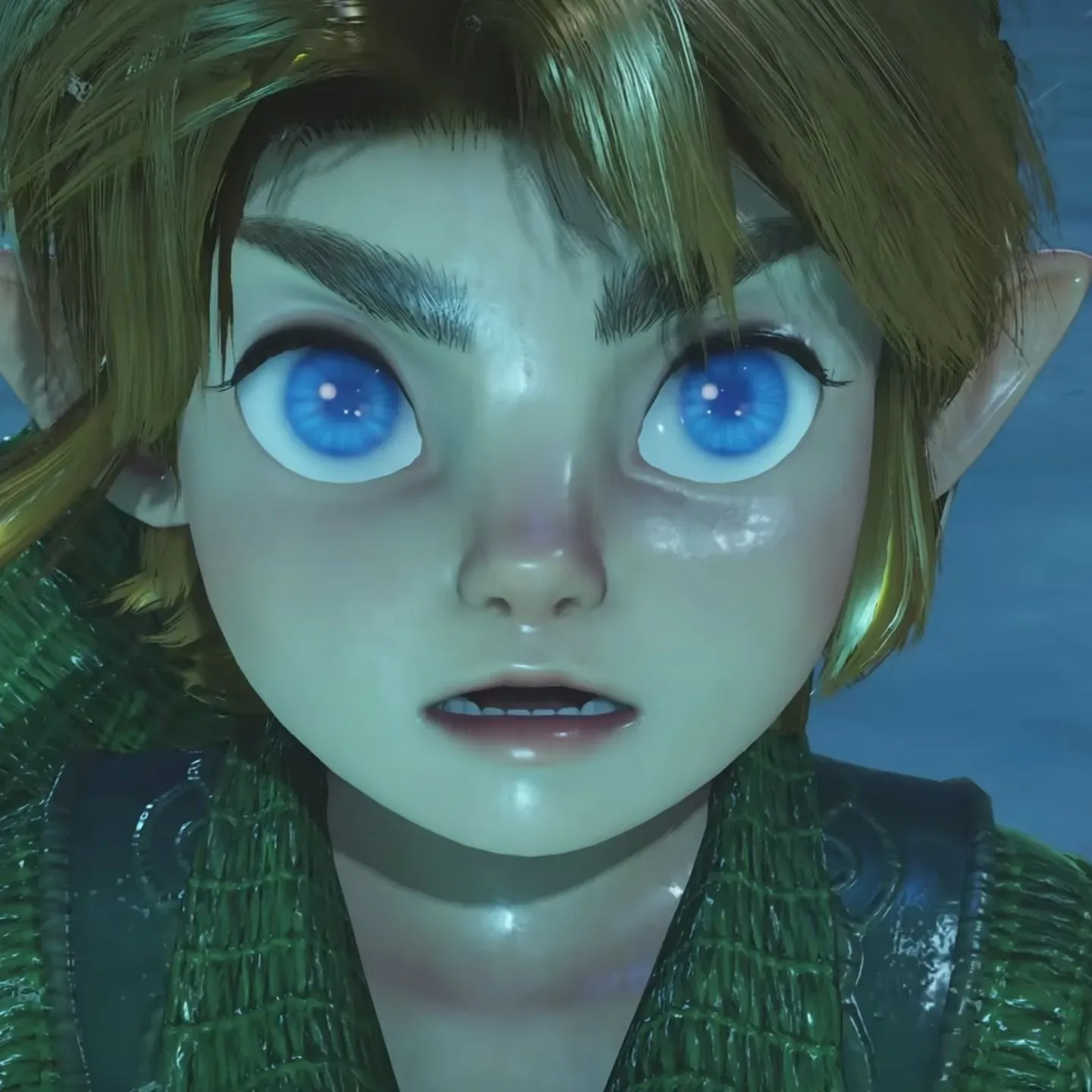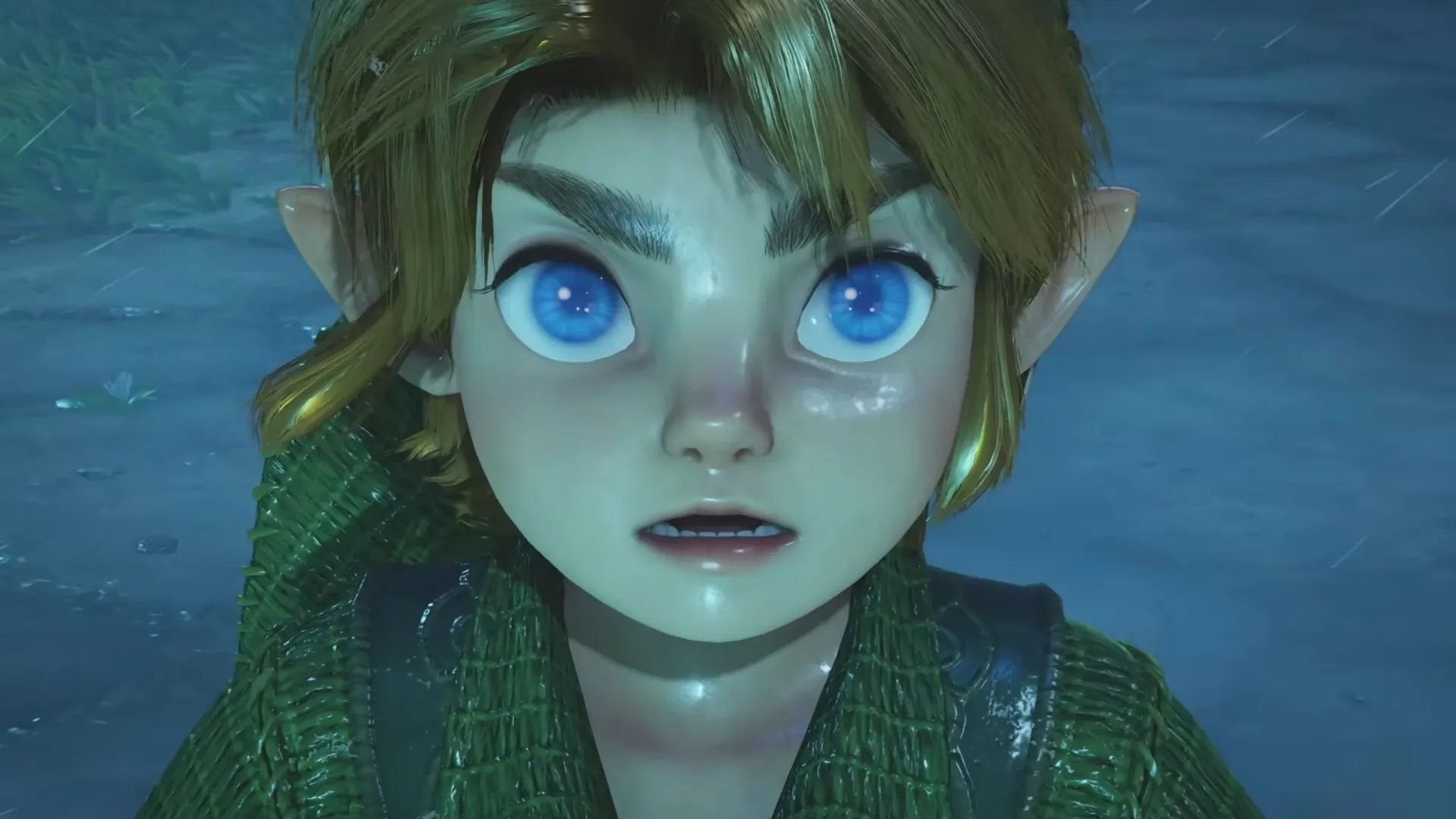
Nintendo’s reported November release plan for The Legend of Zelda: Ocarina of Time remake may be doing something deceptively sensible: giving the game a clear stretch of runway before Grand Theft Auto 6 arrives on November 19.
The remake is set to reach Switch 2 on November 5, placing it exactly two weeks ahead of Rockstar’s enormous open-world release. That is not merely a calendar curiosity. It is a potentially player-friendly buffer between two games likely to demand very different kinds of attention—and it avoids forcing a direct launch-day choice on people excited for both.
Krysta Yang, a former PR manager at Nintendo of America and now co-host of the Kit and Krysta YouTube channel, welcomed the spacing in blunt terms. “I think it’s great. Thank God,” she said, explaining that if a faithful Ocarina of Time remake had released on the same day as GTA 6, she would choose Rockstar’s game first.
“I would 100% prioritize [GTA], and now I don’t have to. Now I can finish this game before it comes out.”
Two weeks is a release strategy, not an accident of arithmetic
November 5 to November 19 creates a clean 14-day gap. For players, that period is meaningful because it separates purchases, conversations, social feeds and leisure time that might otherwise be consumed by a single blockbuster. For Nintendo, it gives a remake based on one of its best-known games a chance to be the main event before the wider industry’s attention turns toward Rockstar.
There is no need to frame this as a battle between Zelda and Grand Theft Auto. They serve different moods, audiences and traditions, even where their audiences overlap. The practical issue is attention: a game launching beside a release with the expected cultural weight of GTA 6 risks having its launch discussion drowned out, regardless of its own quality or legacy.
That is especially relevant for a remake. A remake is a newly released version of an existing game, generally rebuilt or substantially refreshed for current hardware rather than simply reissued in its original form. The supplied information characterizes this Ocarina of Time project as a faithful remake. “Faithful” matters to expectations: it suggests the appeal rests in revisiting an established adventure rather than competing purely on novelty with a new Rockstar release.
For returning players, that makes the first two weeks a natural opportunity to revisit Hyrule, rediscover story beats and see how the new version handles a game they may already know well. For newcomers, the same interval can act as an approachable window to play a landmark Zelda entry without immediately feeling pulled toward the next major release on the calendar.
Yang’s point is about player bandwidth
Yang’s comments are notable not because they declare one game objectively better than the other, but because they describe a familiar consumer reality. People can be enthusiastic about two releases and still have to decide what gets their time first. The choice becomes sharper when games have radically different likely scale.
Ocarina of Time is comparatively shorter than the scope anticipated for GTA 6. That difference makes the two-week sequence unusually practical. A player who starts Zelda near launch may reasonably hope to make substantial progress—or potentially finish it—before November 19. After that, they can move into Rockstar’s new game without feeling they abandoned the earlier release at its opening moment.
That does not mean everyone plays at the same pace, and it certainly does not turn two weeks into a universal completion guarantee. Some players explore carefully, replay sections, balance work and family schedules, or simply prefer to take their time. But Yang’s basic observation holds: the release order creates an option that a shared launch day would not. Fans of both games can start with Zelda, then shift to GTA 6, rather than mentally filing one away before it even arrives.
It is also a reminder that release timing is part of how games are experienced. A game does not enter a vacuum. It arrives amid competing launches, holiday spending, online discourse and the finite number of hours people can devote to entertainment. A two-week head start is not just about avoiding a sales clash; it gives a game room to establish its own opening-week identity.
A sensible distinction between nostalgia and a new open-world event
The two releases invite very different expectations. Zelda’s Triforce quest has long-standing recognition, and the remake gives Nintendo an opportunity to reintroduce that journey on Switch 2. Grand Theft Auto 6, meanwhile, is positioned as Rockstar’s next major entry and is associated here with Leonida. Its launch on November 19 is likely to become a dominant topic across gaming spaces simply because of the scale of anticipation surrounding it.
That is why Yang’s admission lands as useful market analysis as much as a personal preference. Even someone with professional experience in Nintendo communications can say they would play GTA 6 first if both games hit on the same date. It does not diminish Zelda. Rather, it identifies the challenge of sharing a release day with a game that many players will prioritize immediately.
By arriving first, the Ocarina of Time remake can benefit from a focused initial cycle of player discussion. People can compare memories of the original with the new version, discuss its place in the Zelda series and decide whether the faithful approach matches what they wanted. Once GTA 6 launches, the conversation will inevitably become more crowded. Nintendo does not need to prevent that; it only needs to avoid scheduling Zelda’s first impression directly inside it.
Readers looking for a refresher on the Rockstar game’s setting can see what has been shown and discussed around Vice City in GTA VI. The key point for the November calendar is simpler: the game’s arrival is large enough that another major release has a rational incentive to establish itself beforehand.
What this could mean for holiday players
The early-November placement could also prove helpful during the holiday period. A release at the beginning of the month has time to reach players before the calendar becomes dominated by the November 19 launch and, later, year-end shopping. That breathing room can matter to households deciding what to play or buy first, particularly when there are multiple high-profile games in contention.
Again, the evidence here does not establish sales forecasts, feature lists or the remake’s final length. It does support a straightforward conclusion: Nintendo has avoided putting its Zelda remake on the same date as GTA 6, and the gap gives both fans and the game itself a better chance to breathe.
It is a scheduling decision that respects the possibility that players may want both experiences. Someone who wants to gather the Triforce again need not treat that desire as incompatible with a trip to Leonida later in the month. The calendar allows for each game to have a turn.
The timeline wrinkle remains separate from the launch-date win
There is one further Zelda detail hovering around the remake: Nintendo has quietly updated the series timeline, and the change has reportedly made the broader chronology more complicated. That is likely to energize the community that enjoys fitting each Zelda adventure into the franchise’s famously tangled historical framework.
A franchise timeline is the official or semi-official ordering of stories across entries in a series. In Zelda’s case, timeline discussion can become intricate because games connect through eras, recurring characters, legends and alternate branches. A timeline update may therefore encourage scrutiny of where a remake fits, what it changes in interpretation, and whether fans see new implications in material surrounding the game.
But that lore discussion should not obscure the more immediate practical story. The remake’s reported November 5 arrival gives it a dedicated opening stretch. GTA 6 follows on November 19. Yang’s reaction captures why that gap works: it eliminates an unnecessary contest for the same player’s first hours.
For a November packed with giant expectations, two weeks of separation looks less like a minor detail and more like disciplined calendar management. Zelda gets the chance to open on its own terms; Rockstar gets its blockbuster moment afterward; and players with broad tastes are spared an avoidable day-one dilemma.