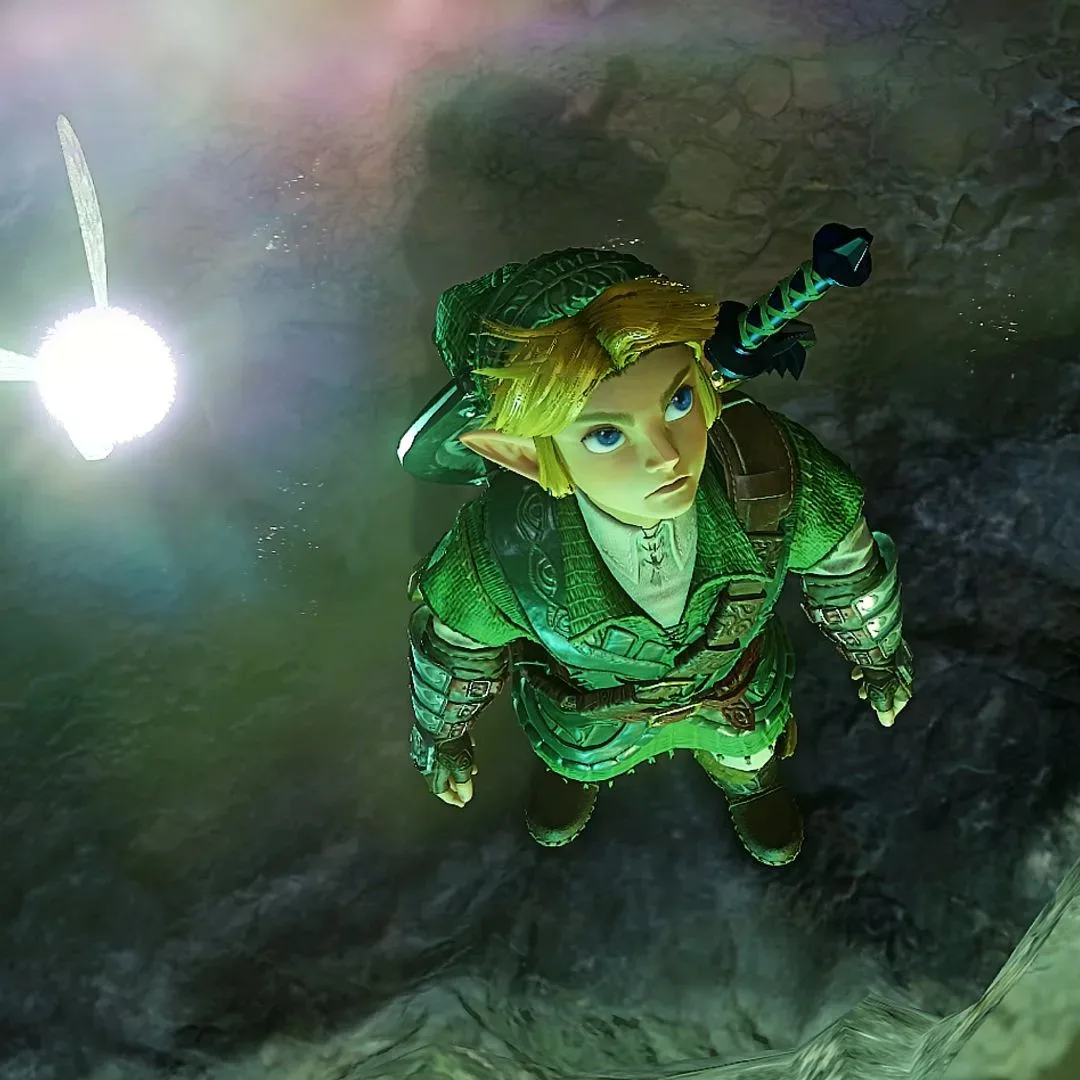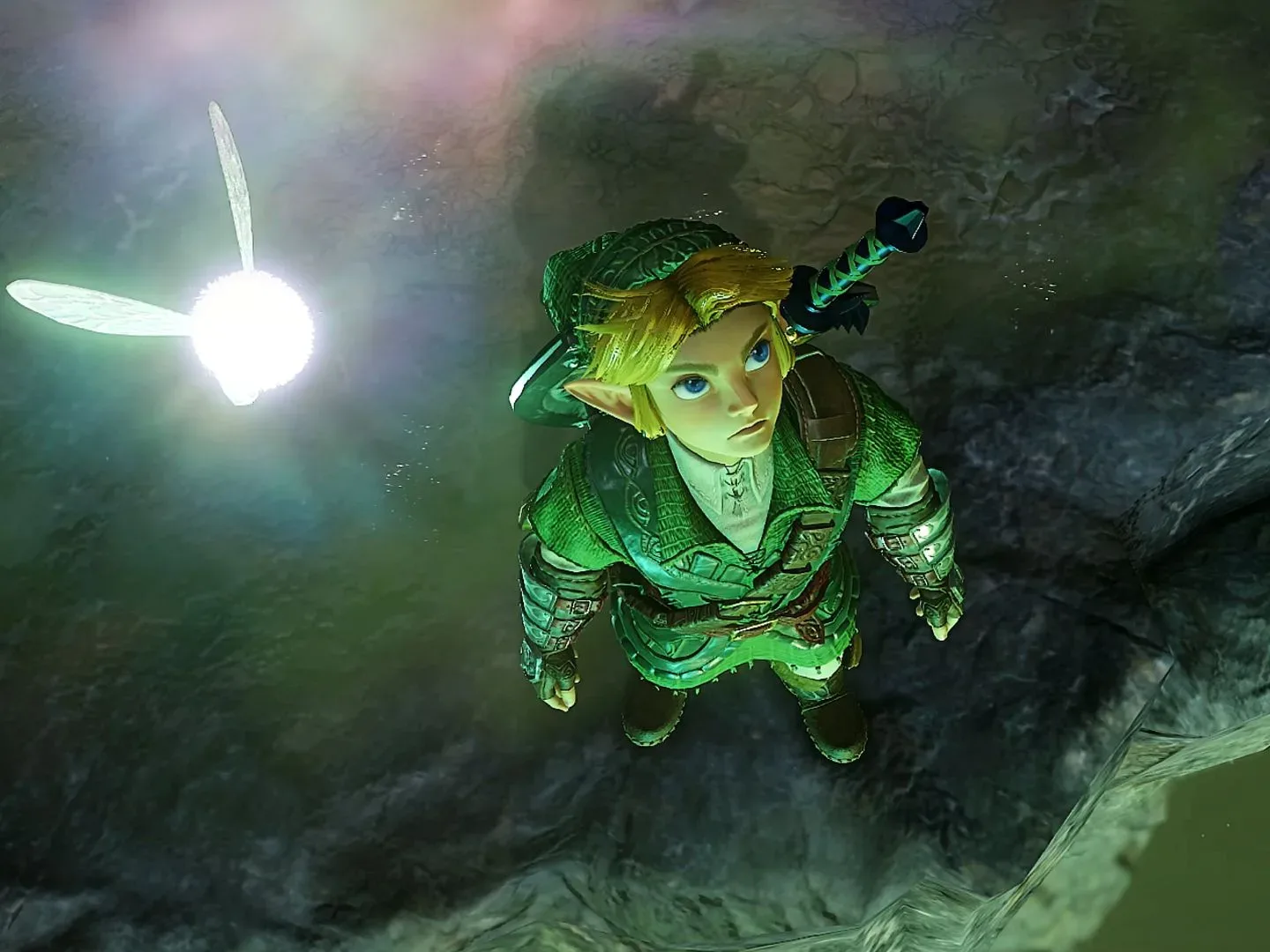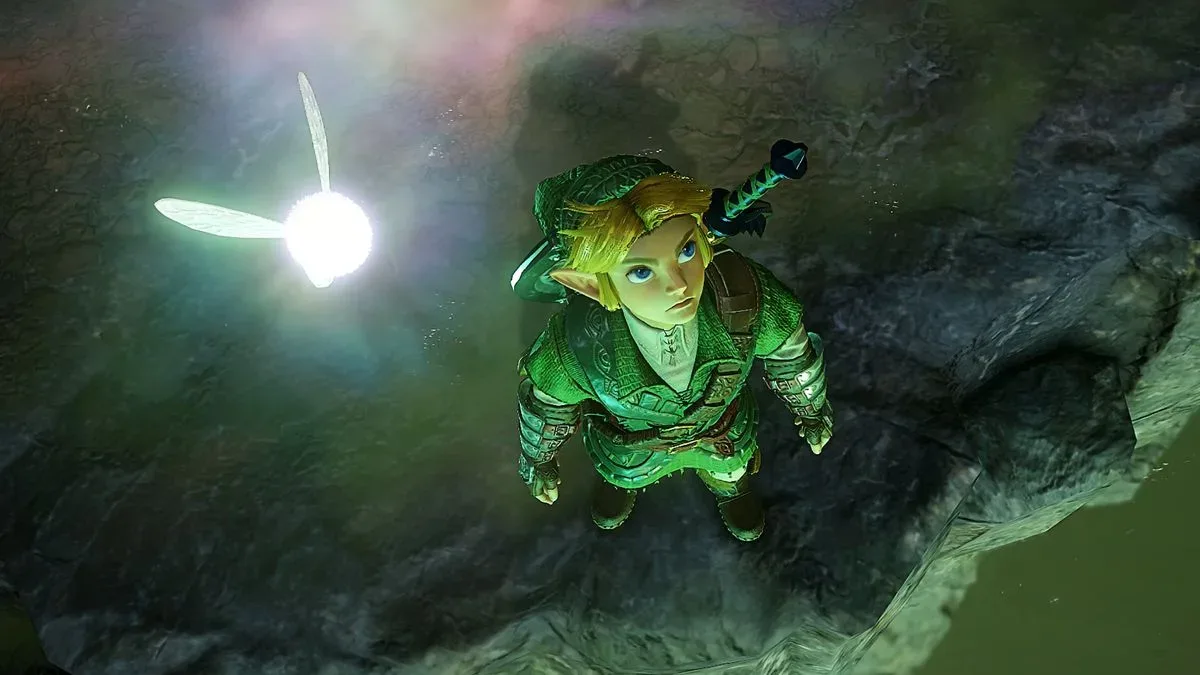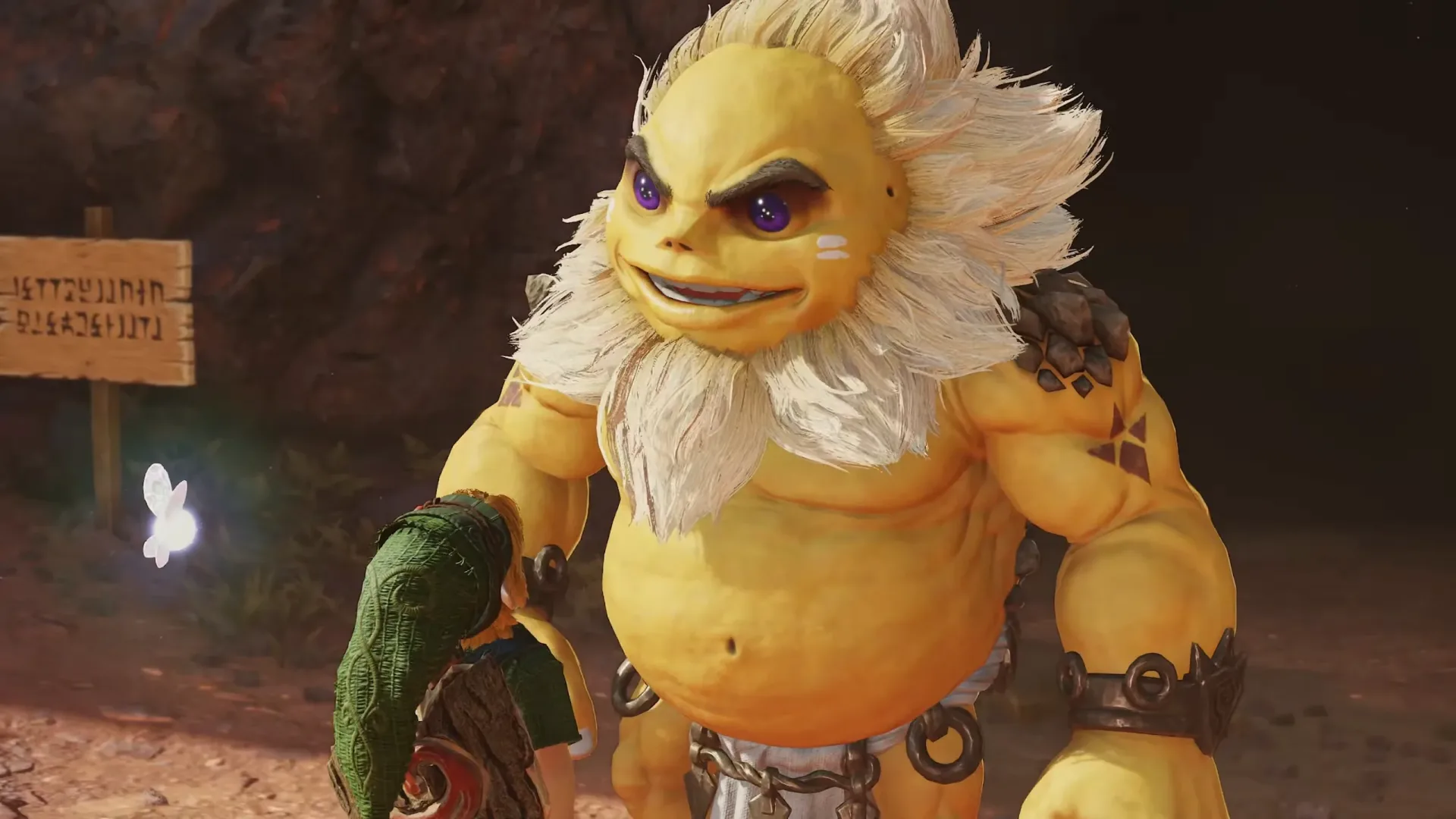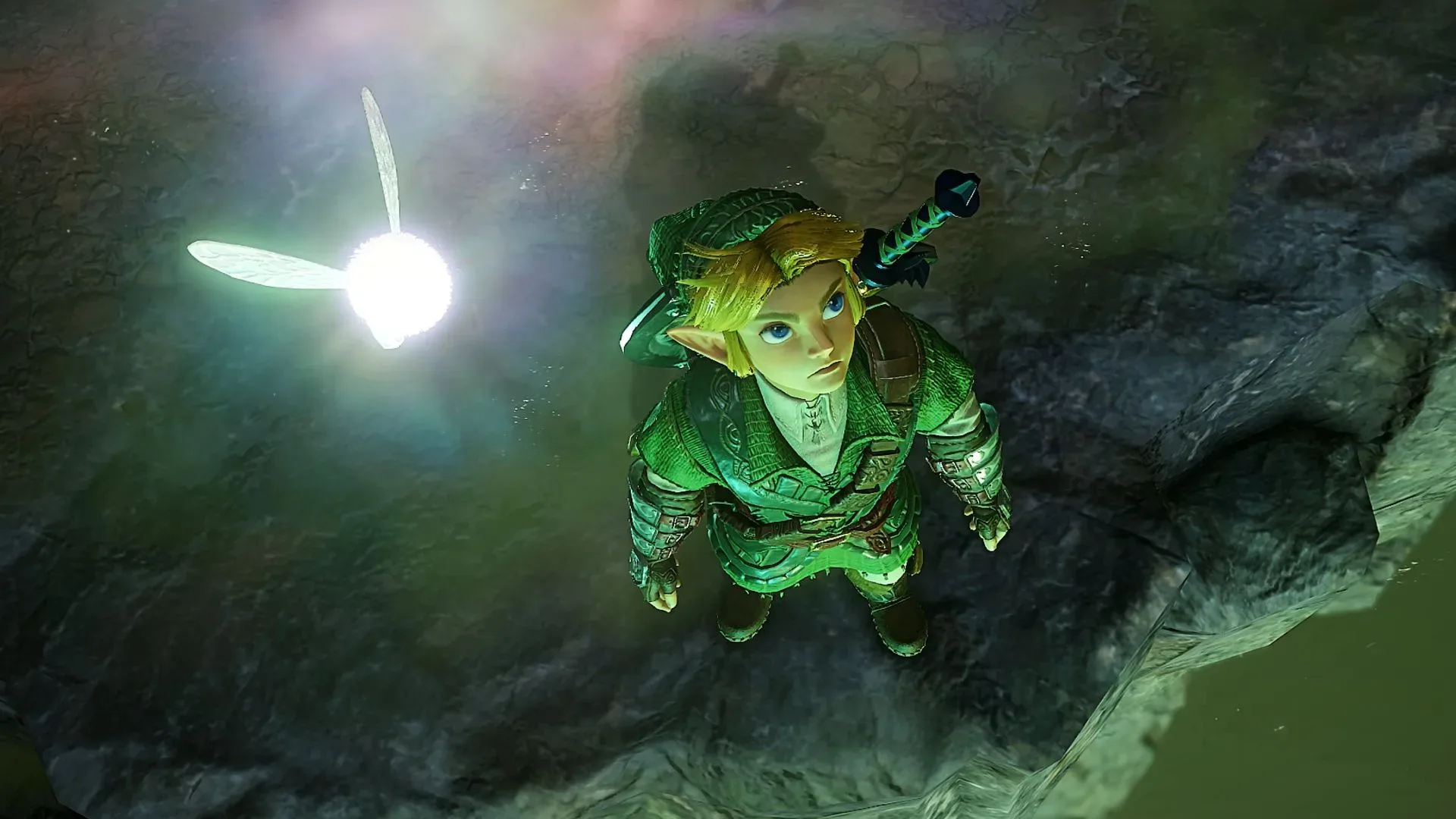
The unusual visual direction of The Legend of Zelda: Ocarina of Time’s remake is not an accidental detour from realism. The development team deliberately used “puppet-show” imagery and the tactile quality of practical-effects films as creative guideposts while rebuilding Hyrule.
That clarification matters because the early footage prompted plenty of discussion about why a remake of one of Nintendo’s most influential 3D adventures would choose such a stylized appearance. Series producer Eiji Aonuma had already made clear that realism was not the sole objective. Now, art director Aya Shida has put more definition around the goal: make Hyrule feel rich, dense, and believable as a world, while ensuring its colorful, eccentric inhabitants still fit naturally within it.
It is a balancing act that gets to the heart of a remake. The task is not simply to increase visual fidelity. It is to decide which qualities of an older game deserve translation into a new technical context—and which would be lost if everything were rendered with conventional realism.
“Puppet-show feel” was an early design keyword
Shida said the team used phrases including “a puppet-show feel” and “the analog feel of practical effects films” early in development to establish a common target. In practical terms, those phrases describe an art direction that favors deliberate artifice over an attempt to perfectly reproduce the real world.
A puppet show is plainly constructed: figures are designed objects, movement can have a distinct rhythm, and sets are expressive rather than invisible. Practical effects similarly foreground physical materials, crafted surfaces, lighting, and an intentionally authored sense of scale. Neither approach requires an image to look crude. Instead, both can make an invented place feel coherent because every component appears to belong to the same handmade visual language.
That is different from merely applying a filter to a game. Art direction is the collection of visual decisions that gives a project its identity: character proportions, materials, color, animation, environmental density, lighting, and the way fantastical inhabitants occupy a space. Calling the remake “puppet-show-like” does not necessarily mean characters behave like literal marionettes. It identifies the kind of expressive, stylized unreality the team wanted its work to evoke.
Shida’s explanation also addresses a potential misunderstanding in the phrase “analog.” Here, it is an aesthetic reference, not a stated technical description of how the remake is made. The team was looking toward forms of visual expression associated with physical craft and practical filmmaking, where reality is interpreted rather than copied exactly.
A theory from a Zelda and Star Fox veteran proved correct
The puppet-show comparison had circulated after Takaya Imamura suggested it as his own reading of the remake’s appearance. Imamura has a particularly relevant perspective: he designed the Star Fox crew and served as art director on The Legend of Zelda: Majora’s Mask. His speculation was treated as settled fact in some discussion, even though it began as an opinion.
Related coverage includes Ocarina of Time Remake's Puppet-Show Art Style Was a Deliberate Nod to the Original's Nostalgia.
The new comments confirm that the underlying observation was right. The connection also makes sense as a matter of visual vocabulary. Imamura’s work sits close to Nintendo properties with bold character design and unusual stylization, and he recognized a creative language the remake team was explicitly using internally.
Confirmation is useful here because it separates reaction from intent. Viewers can still dislike the look, prefer a more realistic Hyrule, or see the stylization differently. But the team’s account establishes that the striking presentation was purposeful, not a byproduct of a failed attempt at realism.
Nostalgia is the point, not a limitation
The developers’ stated purpose is especially interesting because the feeling they are trying to preserve is nostalgia—not necessarily a literal recreation of Nintendo 64-era graphics. Shida said the team saw an overlap between puppet shows, practical effects, and the distinct nostalgia evoked by the original game.
That distinction is important. A remake can honor an older game by reproducing its original technical limitations, but it can also seek the emotional effect those limitations helped create. The source material’s visual identity was shaped by the tools available at the time, yet players may remember it in broader terms: theatrical characters, unusual fantasy spaces, bold shapes, memorable faces, and a world that felt strange in a way that was inviting rather than sterile.
Aonuma said the current team feels that nostalgia even though some members never played the 1998 original. That is a notable reminder that nostalgia in creative work is not limited to individual childhood memory. A team can inherit an artistic legacy through the games, stories, design values, and cultural reputation surrounding a classic title. The challenge is then to express that inherited feeling in a form that is new rather than merely imitative.
Aonuma, one of the original developers, said the remake’s progression made sense to him. That does not turn a subjective visual preference into universal approval, but it is meaningful creative validation from someone with direct ties to the original production.
Why the approach may divide players
The remake’s style has been divisive, which is unsurprising for a game with such a towering reputation. Ocarina of Time is not only a remembered adventure; it is also a collection of highly personal mental images. Players may remember Hyrule Field, its characters, and its dramatic moments through the hardware of the period, through later rereleases, or through the imagination that filled in details older technology could only suggest.
For one audience, a visibly crafted, analog-leaning Hyrule may feel closer to that imaginative memory than realistic surfaces ever could. For another, it may clash with the grandeur they expected from a modern remake. Neither response needs to be based on a misunderstanding. A strong art direction often makes a clear choice, and clear choices create preferences.
The stated aim to make Hyrule feel dense and capable of existing while retaining the original’s tone suggests the team is not pursuing stylization at the expense of place. Rather, it is trying to let an extraordinary cast coexist with an environment that has weight and detail. That is a demanding target: too much realism can make quirky fantasy figures look disconnected from their surroundings, while too much abstraction can weaken the sense of a living world.
As game developers continue to weigh technical spectacle against distinct creative identity, related industry conversations remain active. For example, Itch.io’s efforts to filter AI spam from search reflect another side of the wider debate over how games and creative work are discovered and valued.
A remake can preserve feeling without copying every surface
The team’s explanation offers a useful framework for judging the remake as more is shown. The relevant question is not simply whether each asset is more detailed than its 1998 counterpart. It is whether the visual systems work together to support the version of Hyrule the creators describe: substantial enough to feel inhabitable, yet strange, colorful, and theatrical enough to retain the original’s character.
“Quality of life” changes and other modern remake decisions often receive attention because they are easy to measure: a feature is present, absent, streamlined, or reworked. Art direction is harder to quantify, but it can be just as consequential. It influences how a player reads a character before dialogue begins, whether a location feels threatening or whimsical, and how the game’s larger emotions land.
In this case, the puppet-show concept is not being presented as a gimmick. It is the language the team chose for translating nostalgia into a new Hyrule. The original game remains the reference point, but the remake’s developers are arguing that fidelity to its spirit may require a more interpretive visual answer than a purely realistic one.