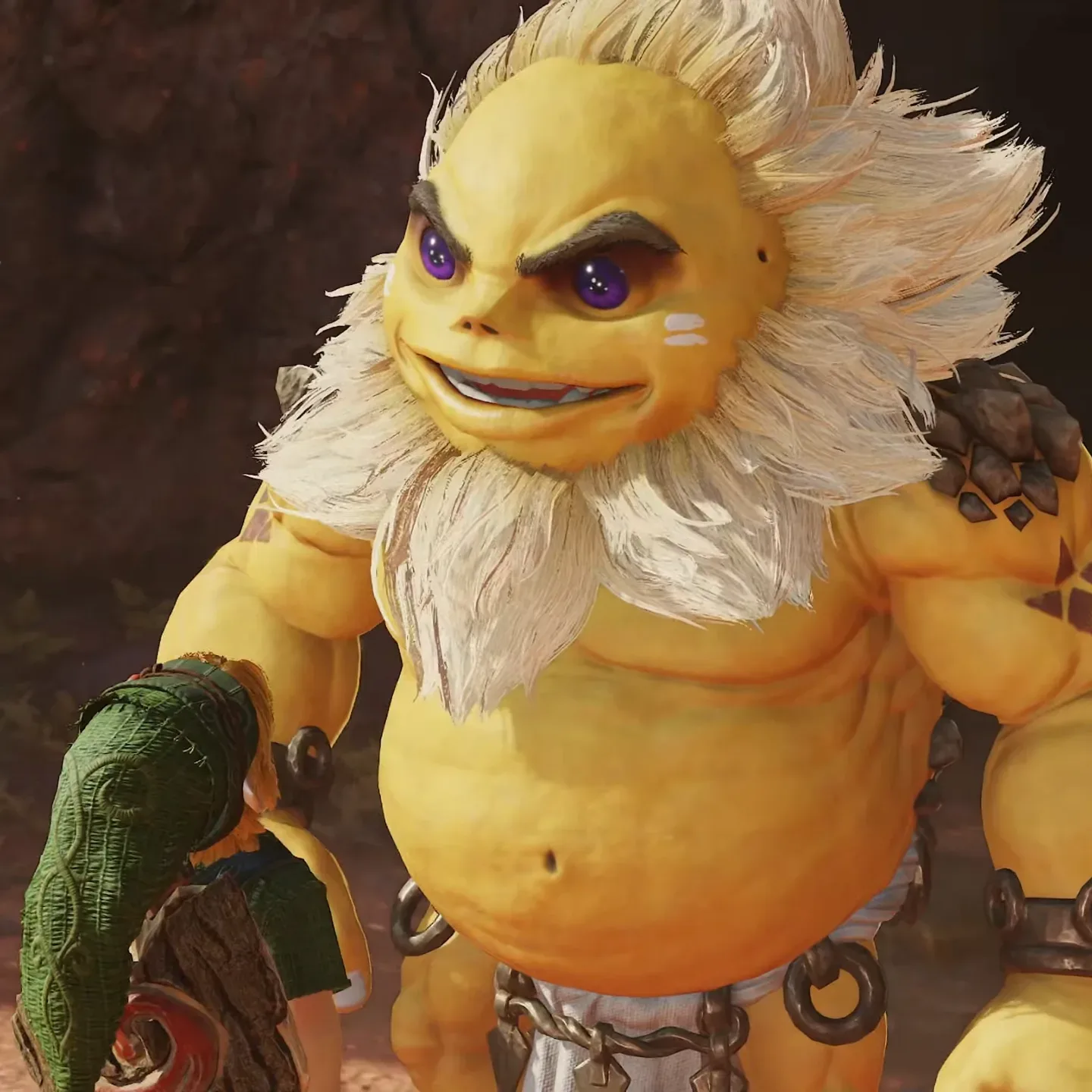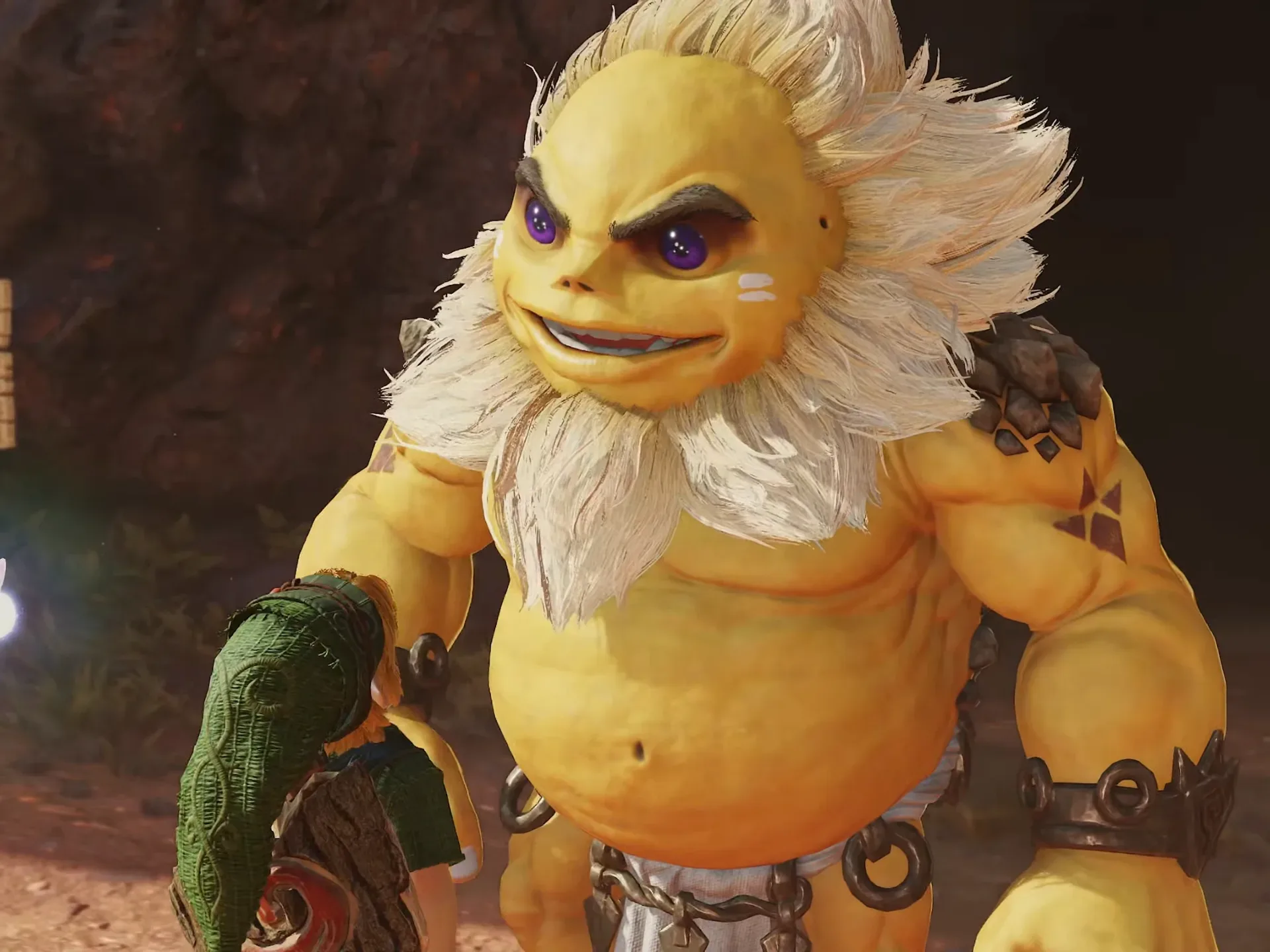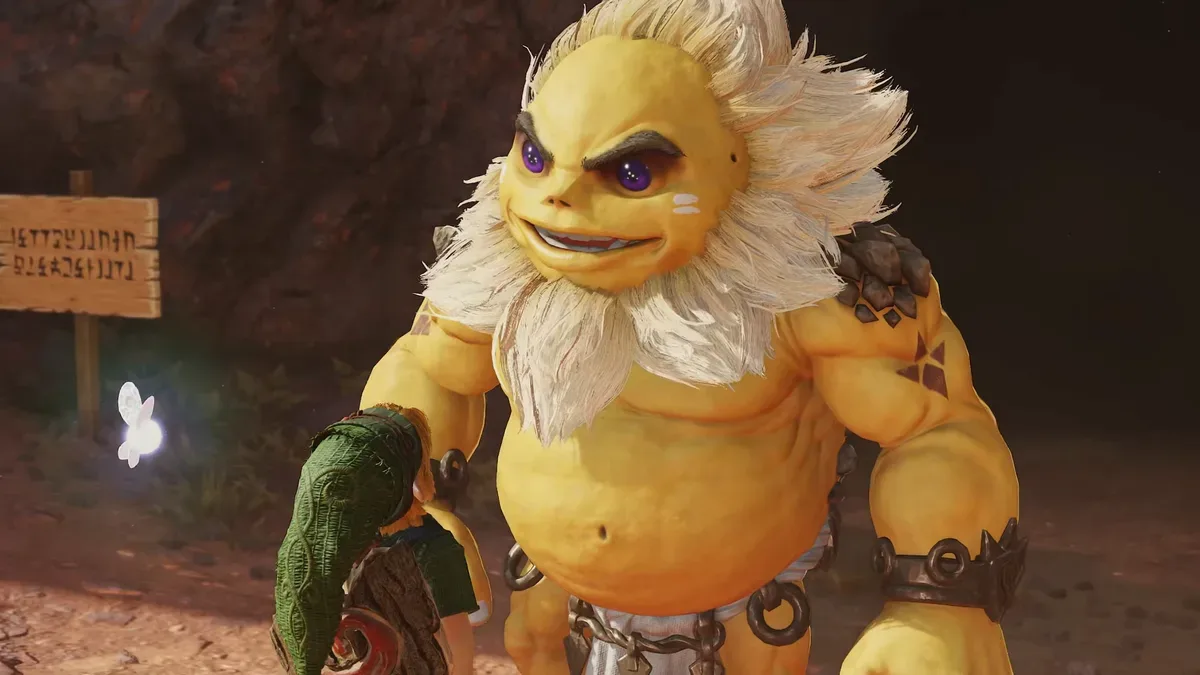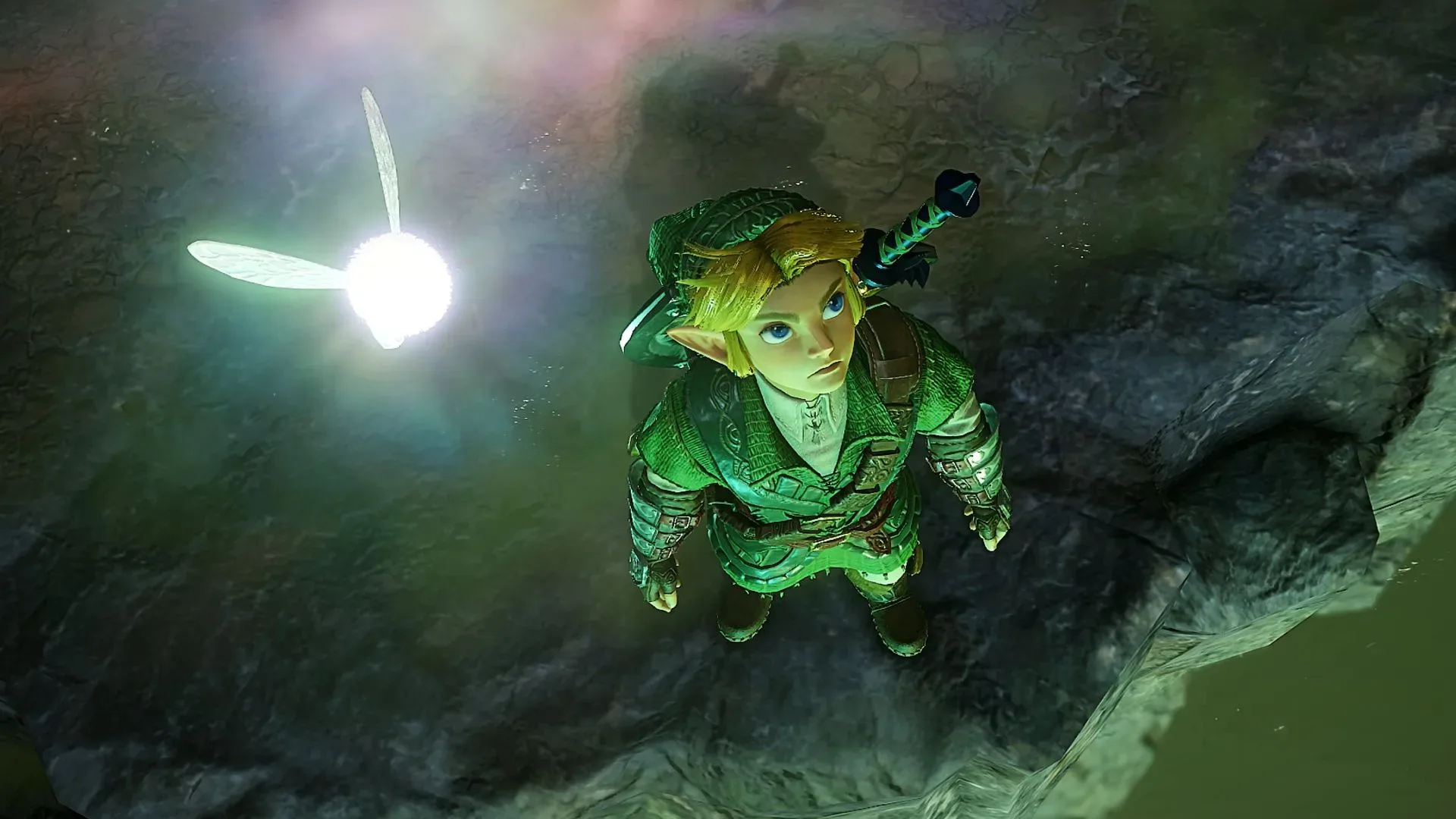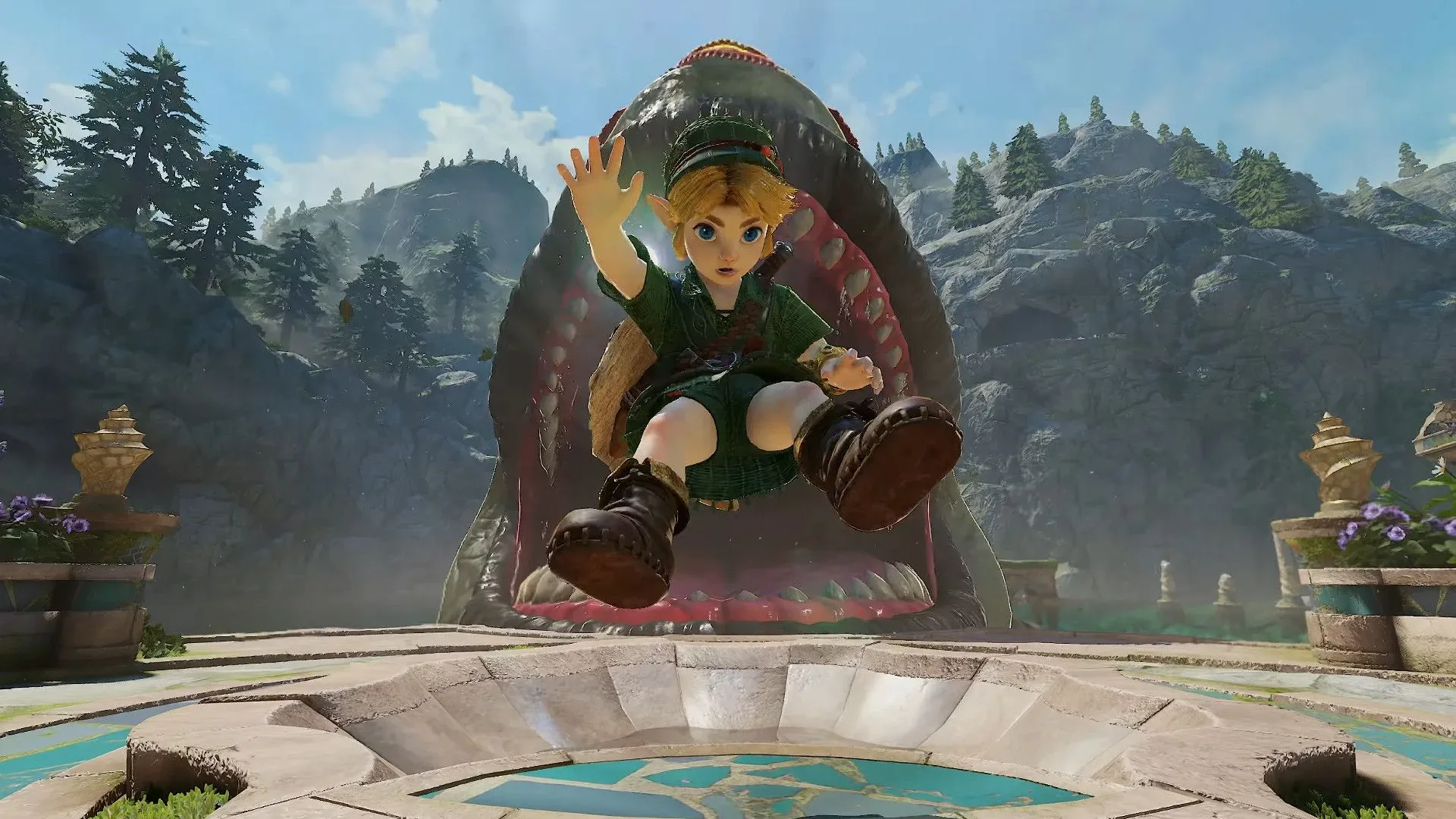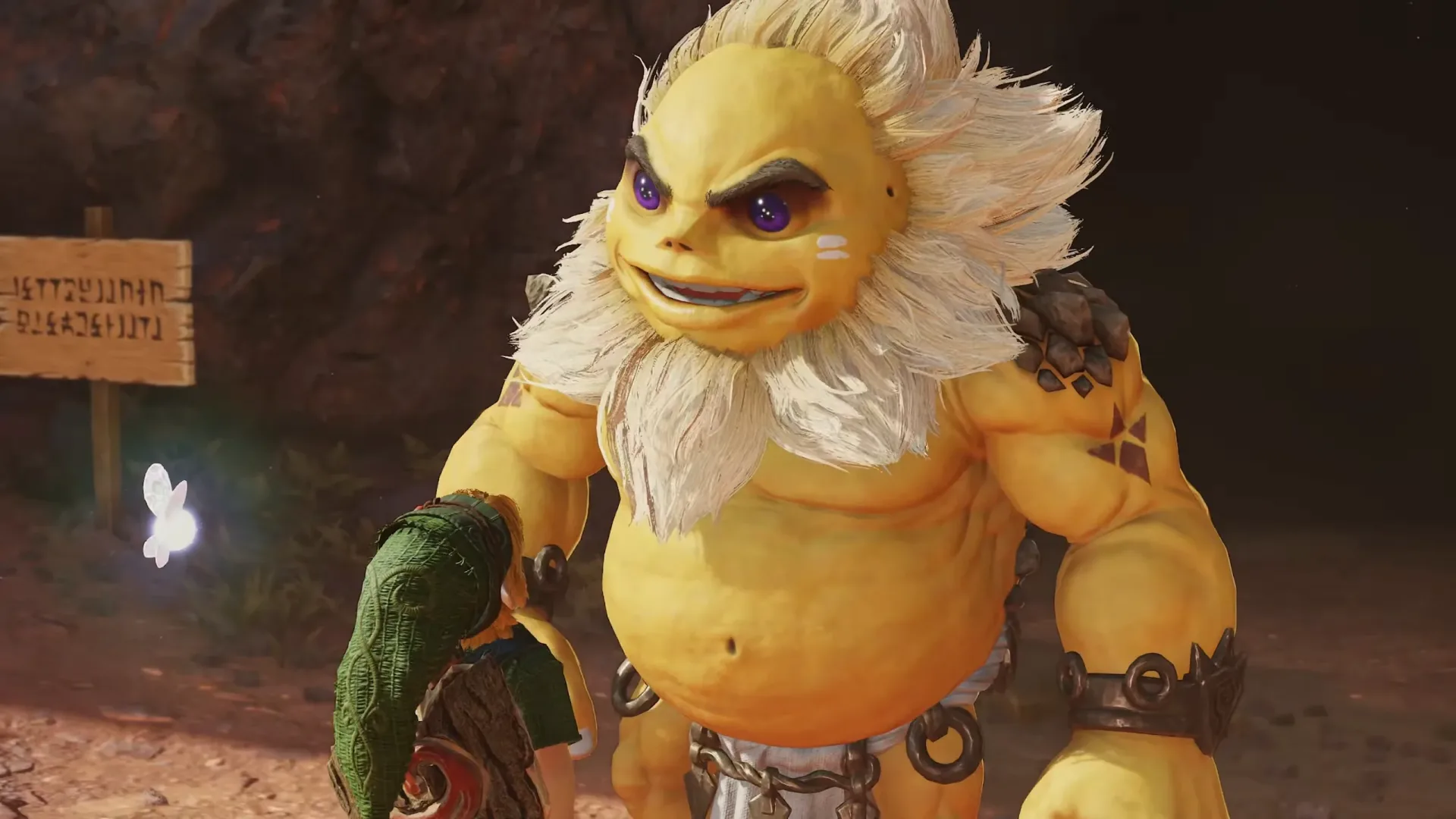
Nintendo’s planned remake of The Legend of Zelda: Ocarina of Time has a purpose beyond revisiting one of the Nintendo 64’s defining games. Series producer Eiji Aonuma has described the project as a way for newer members of the Zelda team to study, through the demanding process of rebuilding it, why the 1998 original mattered so much to the series.
That is a notably different rationale from the usual remake pitch. A remake can preserve a classic for a new audience, update presentation, or reintroduce a landmark game to people who missed it the first time. Aonuma’s explanation adds another role: it is an internal learning exercise for a team whose development experience is more rooted in Zelda’s modern era than in its Nintendo 64 foundations.
For players, that framing helps explain why a remake can matter even when the original remains historically important on its own. For developers, it suggests that working inside an old game’s structure can reveal design decisions that are easy to overlook when only playing it casually—or when inheriting the long-term effects of its ideas in later games.
A remake designed to study a landmark
Aonuma said many people currently working alongside him on Zelda games have developed the newer entries rather than the older ones. That prompted a straightforward question: did the team fully understand how consequential Ocarina of Time was to Zelda as a whole?
The concern was not that every developer had never encountered the game. Some knew it in broad terms, while others had played it as children. But familiarity is not necessarily the same as understanding a game’s construction: how its world is organized, how its progression is paced, how its mechanics support its story, and why its individual parts fit together as they do.
That difference sits at the heart of Aonuma’s reasoning. He said that learning the original game’s structure and development style, then rebuilding it as a complete remake, could lead the team to insights useful for future Zelda development. Nintendo therefore viewed this moment as the right one to return to Ocarina of Time.
In practical terms, a full rebuild asks questions that a simple retrospective does not. A development team has to identify what a game is actually doing at every turn. Which elements establish the player’s next objective? Which spaces teach a mechanic without spelling everything out? Which moments rely on surprise, timing, limitation or a particular sequence of discoveries? Those are not merely historical details. They are working design problems.
What “game structure” means in this context
“Game structure” can sound like a broad piece of design jargon, but here it is central to the stated goal. It refers to the underlying arrangement of a game’s progression and experiences: the order in which players encounter places, objectives, mechanics and major turning points, along with the ways those pieces guide understanding.
Related coverage includes Ocarina of Time Remake Is Meant to Teach Zelda's Next Generation Why the N64 Original Mattered.
A game can be remembered for a setting, a character, a dungeon, a piece of music or a famous story beat. Structure is the framework that connects those memories into an experience. It governs when the player is likely to learn something, what information is withheld, what a new ability changes, and why a later event has weight because of what came before it.
Aonuma’s comments indicate that Nintendo’s remake team has been examining that framework rather than treating the original solely as a bundle of scenes to modernize. This is important because Ocarina of Time has long been treated as an influential model for 3D action-adventure design. The game’s significance is not just that it was a Zelda release on Nintendo 64; it is that its approach informed the shape and feel of 3D action adventures for years afterward.
That influence can become so familiar that it is difficult to see clearly. A later-generation developer may recognize an established convention without knowing why it became conventional in the first place. Rebuilding a foundational work can make those original choices visible again: not as defaults, but as choices made to solve particular creative and technical problems.
Newer developers are encountering the original in different ways
The team’s relationship to the 1998 release is not uniform. In Nintendo’s developer discussion, art director Aya Shida said she first played the Nintendo 64 version after joining the project. Her reaction was that it was remarkable for a game this polished to have been made 28 years earlier.
That response captures the central generational gap Aonuma is trying to address. For players who experienced the game near its original release, its reputation is often bound up with memory: discovering 3D Hyrule at the time, seeing Zelda’s series make a major dimensional transition, or encountering ideas that later became familiar across games. For someone approaching it much later, the question is different. What remains legible and effective once the context of its era is no longer the viewer’s lived experience?
Shida’s observation points toward one answer: polish and coherence can still register even after decades of technological change. It does not mean every aspect of an older game is untouched by time. Rather, it suggests that the original’s craft is substantial enough to be studied directly by people who did not grow up with it.
That is precisely where a remake has an unusual advantage. It can bring creators with different gaming histories into close contact with an earlier design, while requiring them to make decisions about what should be retained, reinterpreted or changed. The work becomes a conversation between generations of developers, not simply a museum display.
Aonuma wanted more change—until the team’s care became clear
Aonuma’s remarks also suggest he did not initially expect the new team to approach the remake so conservatively. He recalled looking at the project early on and feeling that the developers could make more changes. Over time, however, he came away impressed by the richness of what they had made from a game originally released 28 years ago, as well as by how deeply the team cared about the source material.
That tension is one of the hardest parts of any remake. A project can be too cautious, preserving form while failing to justify a return. It can also be too aggressive, changing the rhythms or relationships that made the original meaningful. Neither extreme automatically produces a stronger game. The difficult work is identifying which elements carry the experience’s identity and which can be reconsidered without breaking it.
Aonuma’s account does not present preservation and change as mutually exclusive camps. He wanted the team to consider bolder alterations, but ultimately recognized the value in their attachment to the original. That makes the remake’s development philosophy sound less like an attempt to erase the Nintendo 64 game’s age and more like an effort to understand what must survive a new interpretation.
It also leaves room for an important distinction: respect is not identical to reproduction. A team can care deeply about an original while still rebuilding it through a modern production process. The point, based on Aonuma’s description, is that the developers have been asked to learn from the game’s design rather than casually inherit its reputation.
Why this matters for Zelda’s future
The most consequential part of Aonuma’s explanation may be that he is looking beyond this remake. He believes the lessons found in Ocarina of Time could be carried into future Zelda games. That does not necessarily mean future entries will copy the Nintendo 64 game’s format. In fact, the value of studying an influential title may be understanding the reasoning behind its decisions, then applying that reasoning to entirely different challenges.
Zelda has changed substantially across generations, and newer developers have worked within those more recent approaches. A close reconstruction of Ocarina of Time gives them a chance to examine a different set of design priorities at source level. The possible payoff is not nostalgia for its own sake, but a broader shared vocabulary inside the team: a clearer sense of how Zelda once organized discovery, progression and major moments, and why those choices resonated.
That matters because long-running series can become defined by their latest successful formula. Familiar methods are useful, but they can make it harder to recognize which ideas are essential and which are only habits. Revisiting a landmark game can challenge those assumptions. It can remind a team that a franchise’s identity is not a fixed checklist of features, but a record of design experiments that succeeded for particular reasons.
There is also a player-facing benefit if that process works as intended. A remake made by creators who understand the original’s construction is more likely to treat it as a deliberately shaped adventure rather than a sequence of famous references. And any ideas that emerge from the rebuild could inform later projects without requiring them to become copies of the past.
The wider Zelda conversation often focuses on how a new game might evolve the series. This project adds a useful companion question: what can current creators learn when they take apart and reconstruct one of the franchise’s most influential works? Nintendo’s answer, through Aonuma, is that the exercise itself has creative value.
A useful reminder that preservation can be active work
It is tempting to think of preservation as a passive act: keeping an old game accessible and unchanged. But a remake is active preservation. It involves interpreting an existing work, deciding what its essential qualities are, and translating those qualities through a new development effort. The process can be especially revealing when the original has become so widely influential that its impact is easy to take for granted.
That makes this Ocarina of Time remake more than a return trip to the Nintendo 64 era. It is also an attempt to ensure that a team responsible for Zelda’s next chapter can engage directly with a formative chapter of its past. The developers who played the original in childhood and those encountering it for the first time are bringing different perspectives, but the rebuild gives them a common object of study.
For anyone interested in how games hide details in plain sight, the same kind of close attention can illuminate smaller design choices too; a recently uncovered Easter egg in Star Wars Jedi: Survivor is a reminder that game-making intent can remain undiscovered long after release. In Ocarina of Time’s case, Nintendo is putting a new generation of Zelda developers in the position to inspect that intent from inside the construction process.
Aonuma’s stated hope is simple but ambitious: rebuilding the classic will generate insights that help shape what comes next. If that happens, the remake’s legacy may extend beyond a renewed version of one celebrated game. It could become part of how Zelda’s future creators learn to recognize the design foundations beneath a series that has never stopped changing.