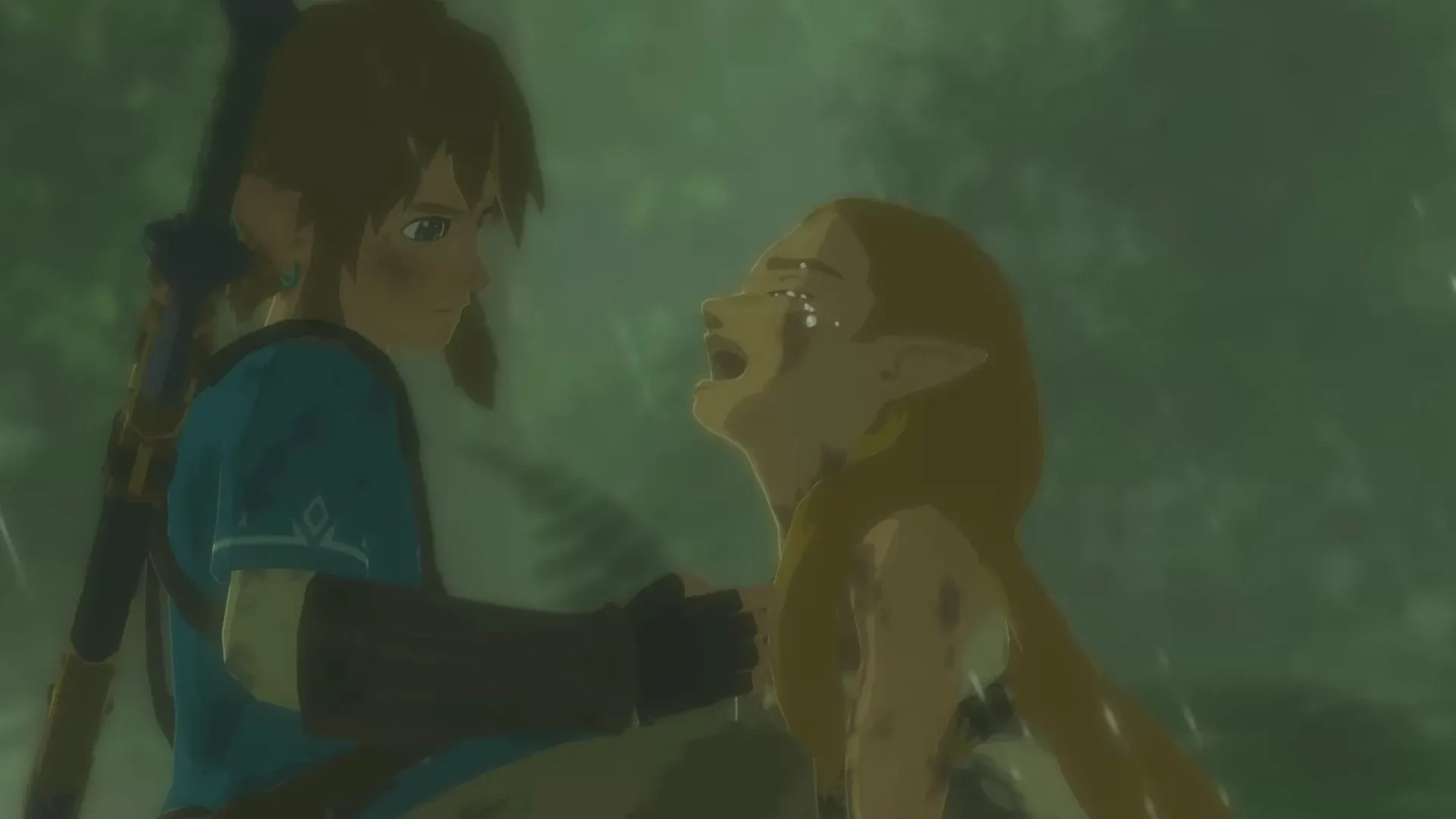
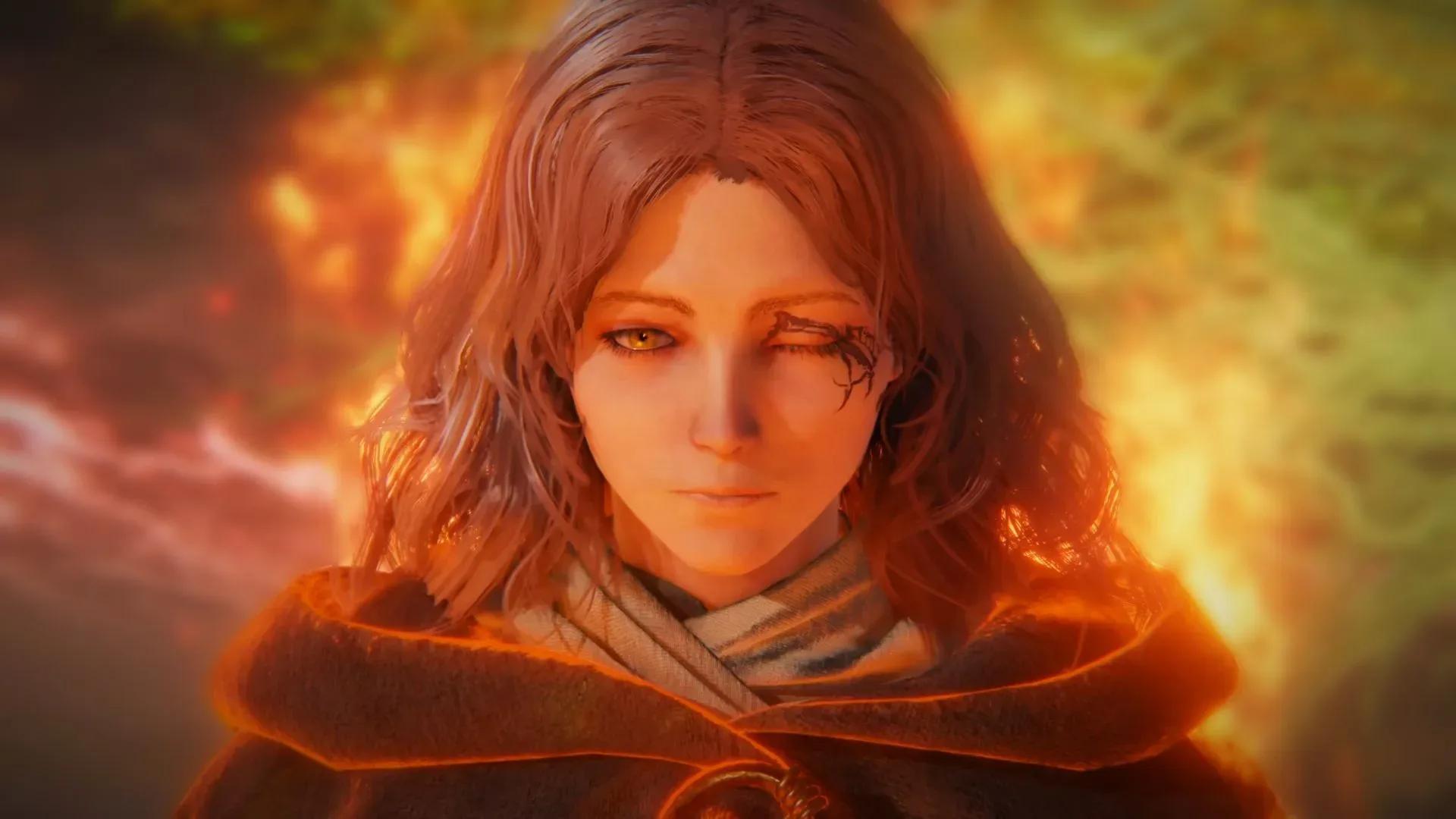
Long before Elden Ring became FromSoftware’s biggest success, Hidetaka Miyazaki drew a careful line between admiration and imitation. In a 2016 interview, the director addressed the claim that the Souls games and Bloodborne represented what The Legend of Zelda ought to have become. His answer was strikingly modest: Zelda had been hugely important to him as a student, and he felt “deeply unworthy” of the comparison.
That response is more revealing than a simple compliment to Nintendo’s series. Miyazaki did not accept the premise that Dark Souls should be judged as Zelda’s darker, harsher successor. He instead argued that the two belong to different genres, pursue different game-design concepts and do not need to chase identical ideals. It is a useful distinction, particularly now that both franchises are routinely discussed as landmarks for exploration-driven 3D games.
Respect for Zelda was not a claim of succession
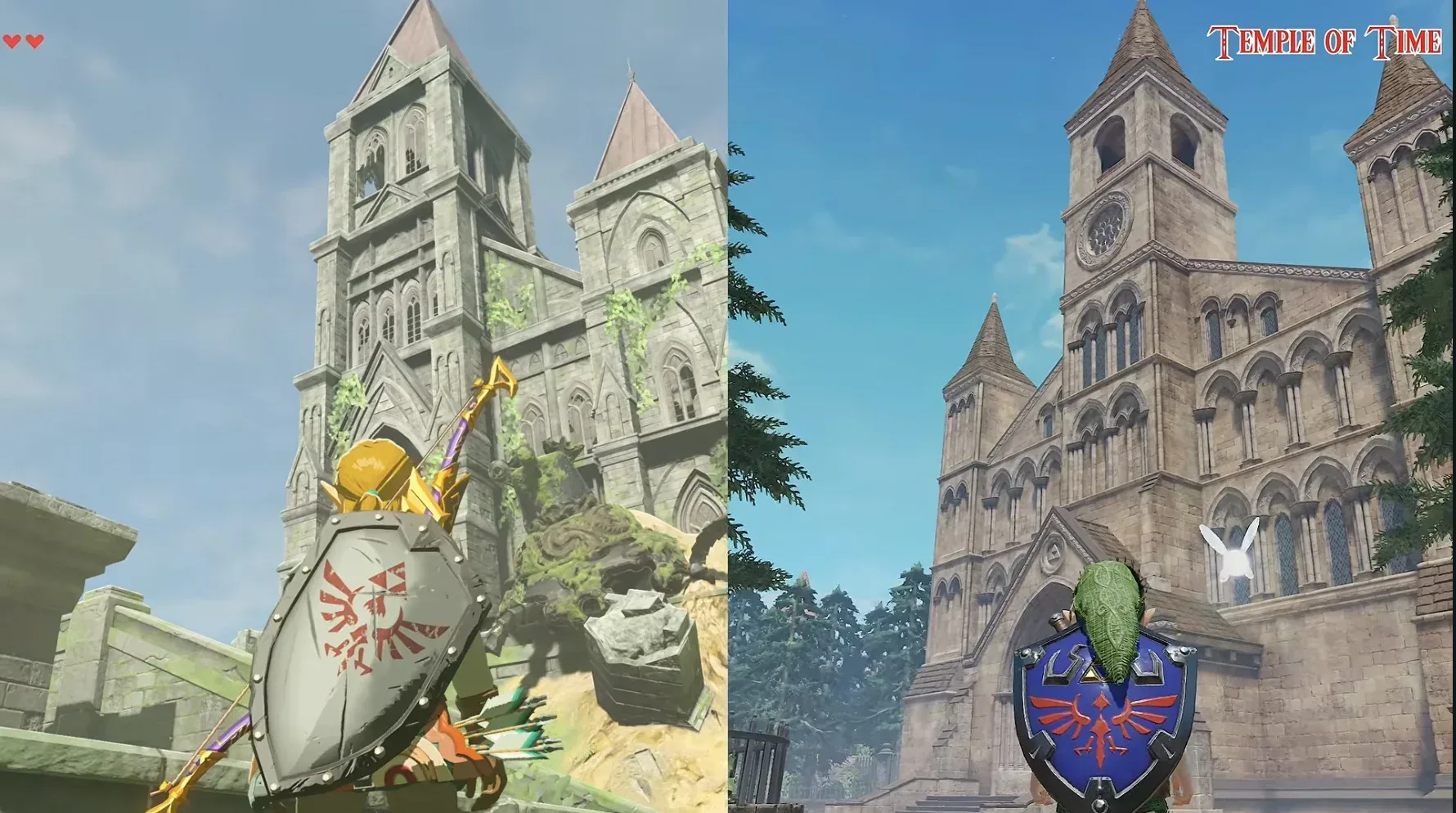
Miyazaki’s comments recognized Zelda as an influence without treating it as a template that Dark Souls was meant to replace. He specifically described The Legend of Zelda as a kind of textbook for 3D action games, with Ocarina of Time the relevant reference point. That wording matters. A textbook provides a shared vocabulary: it helps creators understand the established language of a form. It does not demand that every later work tell the same story or pursue the same emotional effect.
In this case, “3D action game” is a broad technical and design label rather than a claim that the games are mechanically interchangeable. It refers, at minimum, to games where a player navigates three-dimensional spaces while engaging with action-focused challenges. Miyazaki’s point was that similarities can emerge because so many creators learned from Zelda’s solutions to the fundamental problems of that format—not because Dark Souls and Zelda were attempting the same destination.
That is why the comparison can be simultaneously understandable and incomplete. Players can see overlap in the broad experience of venturing into a world, finding routes and confronting danger. But Miyazaki’s own framing asks observers to look beyond the surface-level resemblance. Different design ideals lead to different priorities, even when two games share a medium, a perspective or an interest in exploration.
Why the “what Zelda should have evolved into” line misses the point
The original claim placed an unnecessary evolutionary ladder between two series: as if one game’s identity could be measured by whether it grew into another game’s form. Miyazaki rejected that idea. His answer did not dispute Zelda’s influence; it disputed the assumption that influence means obligation.
That is an important way to discuss game design. An influence can teach later developers how to structure a 3D space, direct a player’s attention or make movement through an environment intelligible. Those lessons may then support wildly different goals. One game may prioritize an inviting sense of adventure, while another may seek a more severe or uncertain relationship with its world. The source material does not require those goals to be ranked against one another.
Calling one series an evolution of another can also flatten the work done by both. It frames Zelda as a starting point that must be improved upon, and frames Dark Souls as a corrective rather than a game with its own design rationale. Miyazaki’s response gives both more credit. Zelda can be monumental, foundational and worthy of respect; Dark Souls can still be distinct because it is guided by different concepts.
Related coverage includes Miyazaki's Old Zelda Comments Show Why Dark Souls Never Chased the Same Path.
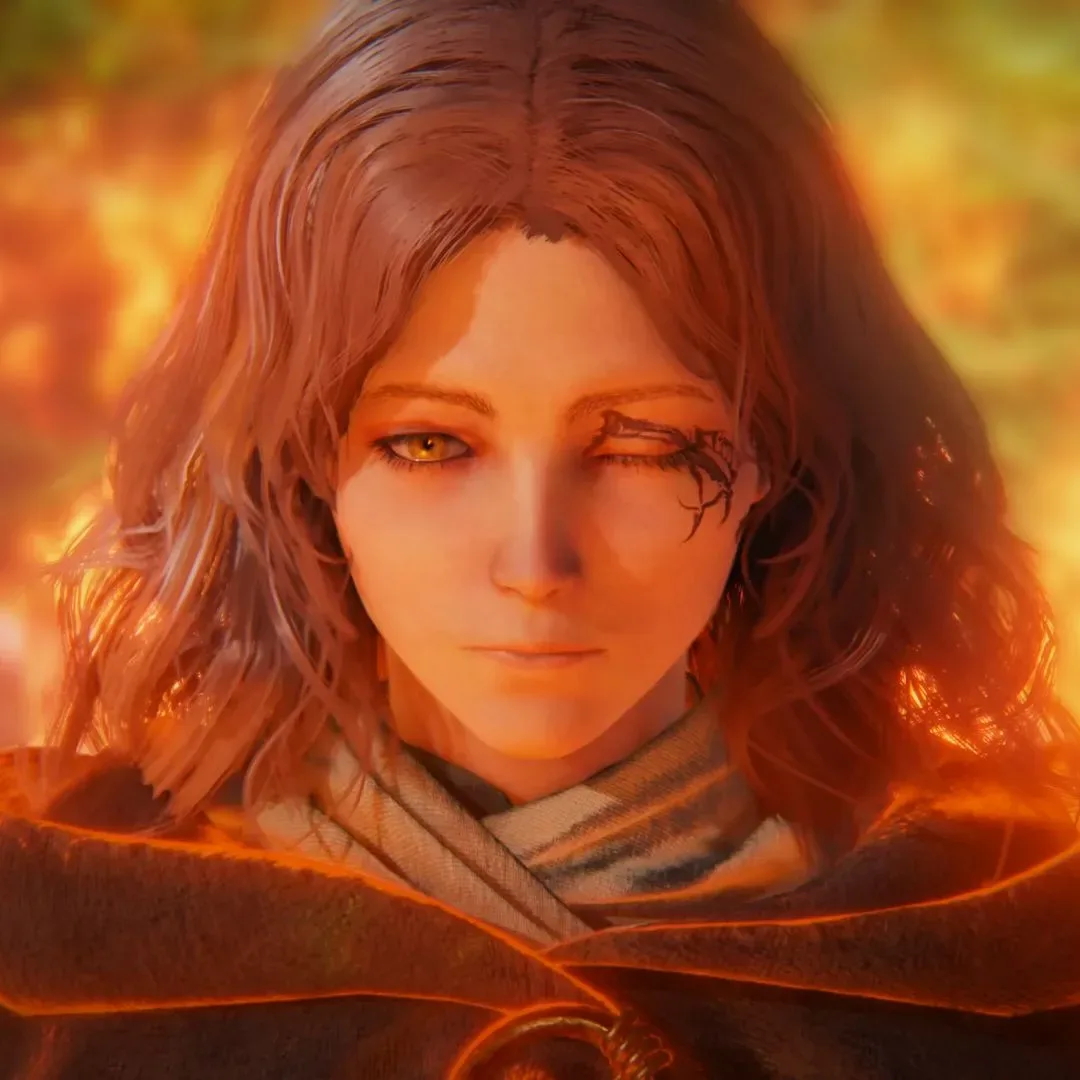
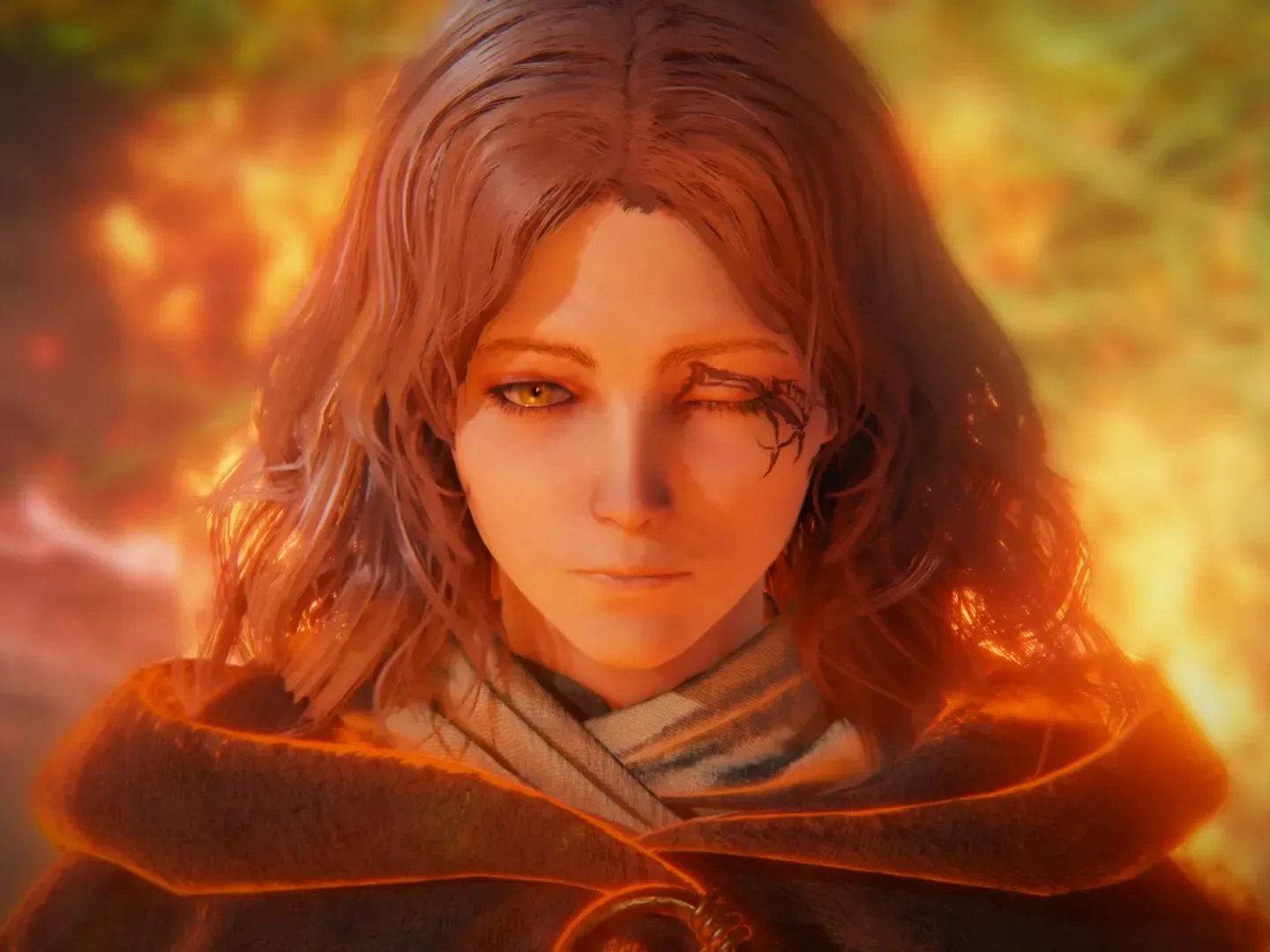
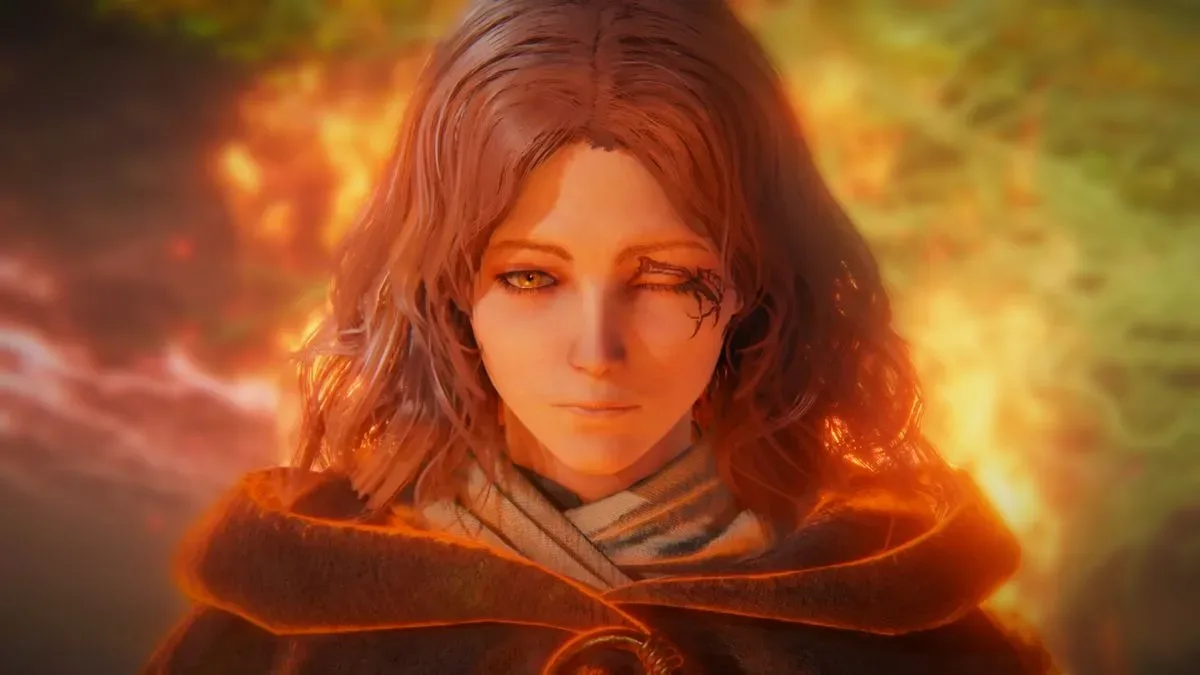
That distinction holds up particularly well because the games discussed did not remain fixed in place. The conversation in 2016 came before The Legend of Zelda: Breath of the Wild reinvented Zelda’s approach months later. The game went on to become one of the medium’s most acclaimed releases. Five years after that, Miyazaki took inspiration from Breath of the Wild while directing Elden Ring.
The later Breath of the Wild connection changes the context, not the earlier answer
It would be easy to read the later Elden Ring influence as proof that the old comparison was right all along. It is better understood as evidence for Miyazaki’s more precise argument. Creative influence can travel between major works without erasing their separate identities. An admired game can inform a new project without that project becoming its sequel in spirit, its replacement or its supposed “proper” evolution.
Breath of the Wild and Elden Ring are both described here as generation-defining games, yet that shared stature does not make them identical design statements. The meaningful throughline is that Miyazaki was willing to identify Zelda as an important foundational influence in 2016 and later draw inspiration from a newer Zelda entry. That is different from accepting a fan-made hierarchy where Souls is Zelda’s intended endpoint.
There is a broader practical lesson for players reading developer comments. When a designer names an influence, it is tempting to translate that immediately into a feature checklist: this game has exploration, that game has exploration, therefore one must be copying the other. But influence is often conceptual. It can concern how a game communicates space, how it encourages movement or how it establishes a shared baseline for an entire genre. The result may still feel profoundly different in tone, pacing and purpose.
That is also why debates about open worlds and “world design” benefit from specificity. World design is not merely map size or the existence of things to discover. It is the set of decisions that shape how a player reads, navigates and responds to a game’s spaces. Discussions around that subject can be more productive when they ask what each work is trying to accomplish rather than declaring a single winner in an imaginary lineage. For another perspective on how developers talk about world-building priorities, see this discussion of human moments as part of world design.
Ocarina of Time’s place in the conversation
Miyazaki’s decision to single out Ocarina of Time is a reminder that Zelda’s impact predates the current conversation around Breath of the Wild and Elden Ring. In his framing, it was a reference work for developers dealing with 3D action games. That is a claim about its place in the design conversation, not a claim that every later game should resemble it in every respect.
The source material also notes that an Ocarina of Time remake is listed at number 26 in an all-time ranking on Metacritic, ahead of Elden Ring and Skyrim. Rankings are snapshots of an aggregator’s methodology and should not be mistaken for a definitive artistic verdict. Still, the placement illustrates why Zelda remains central to discussions of game history and design influence: its relevance is not dependent on a recent nostalgia cycle or a single new release.
More importantly, Miyazaki did not need a ranking to explain his respect. His language was personal: Zelda was “truly monumental” during his student years. That candid admission gives the remarks their weight. He was not dismissing Zelda in order to protect the Souls games from comparison. He was resisting a comparison precisely because he held Zelda in such high regard and because he believed the two series were built around different ideals.
A healthier way to read the comparison
There is no need to pretend Zelda and the Souls games have nothing in common. Miyazaki explicitly allowed that their similarities may arise from Zelda’s enormous influence on 3D action-game design. The useful qualifier is that resemblance should not become reduction. Shared foundations are not shared identities.
Viewed that way, the old quote has aged remarkably well. It anticipated a future in which Zelda would dramatically reinvent itself, Miyazaki would draw from that reinvention for Elden Ring, and both games would receive generation-defining praise. None of those developments requires the conclusion that one series finally became the other. If anything, they underline Miyazaki’s original position: major games can learn from each other while remaining committed to their own design concepts.
For fans, that is a more interesting answer than a rivalry narrative. It makes room for Zelda’s long-standing role as a formative 3D action touchstone, for Dark Souls and Bloodborne to stand on their own terms, and for Elden Ring to acknowledge an influence from Breath of the Wild without dissolving their differences. Miyazaki’s humility was not a retreat from the comparison. It was a request to make the comparison more carefully.