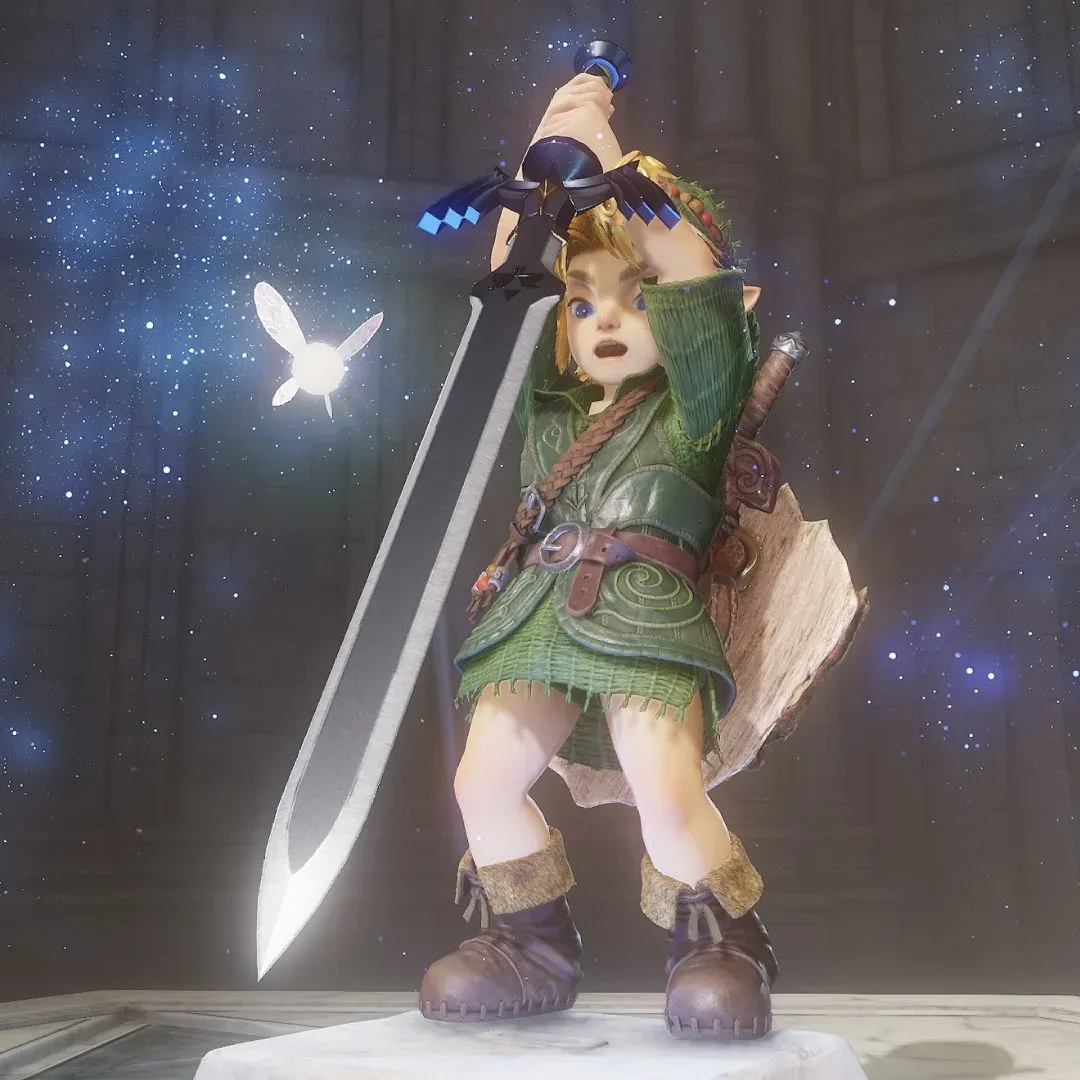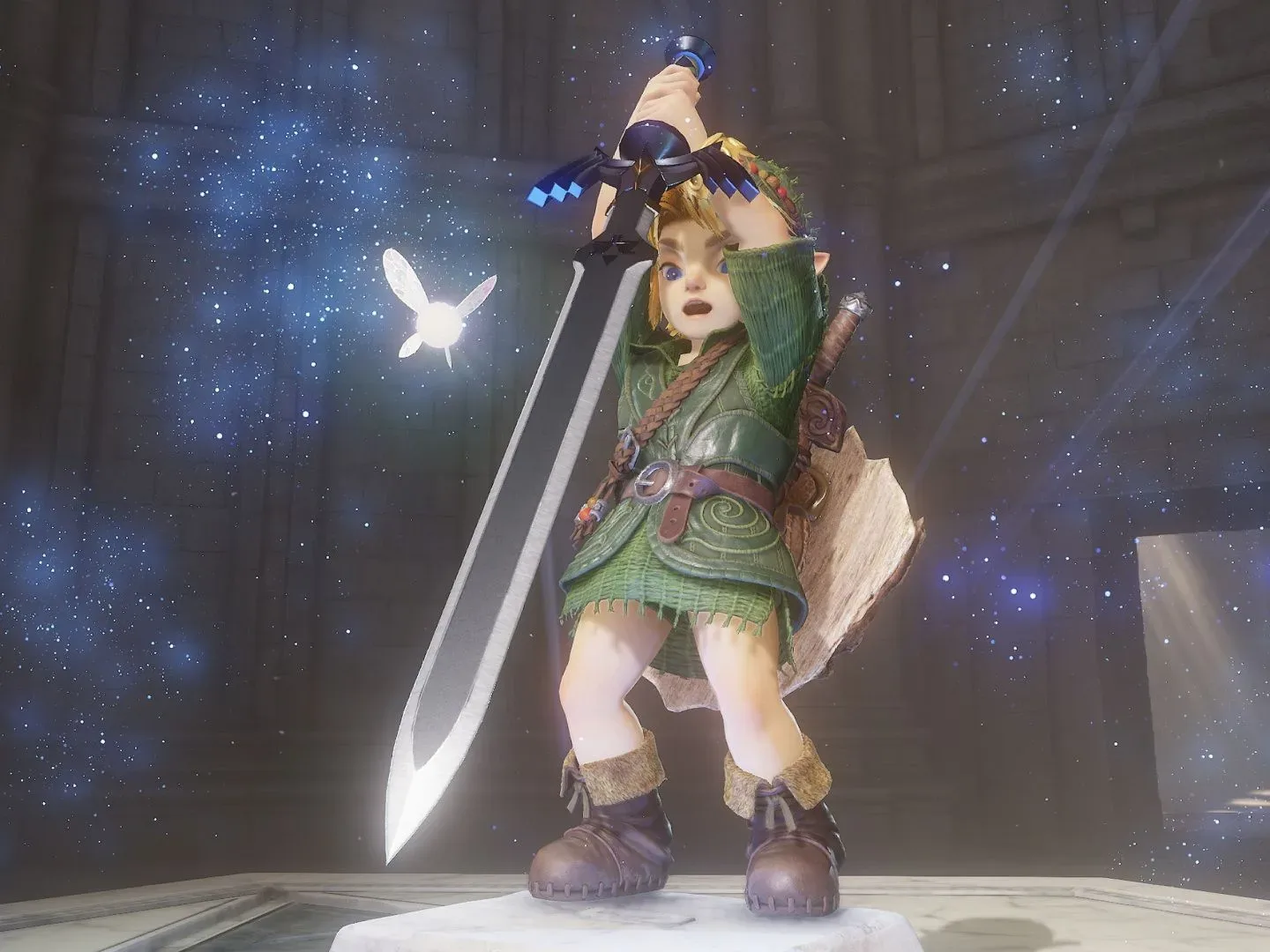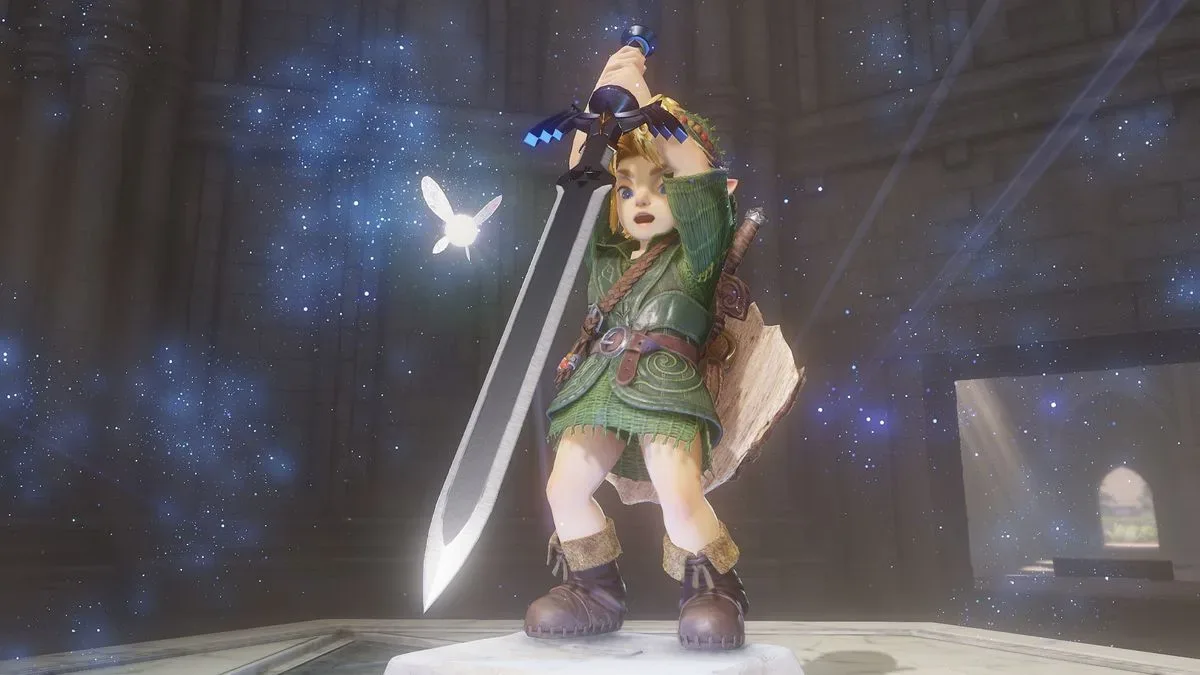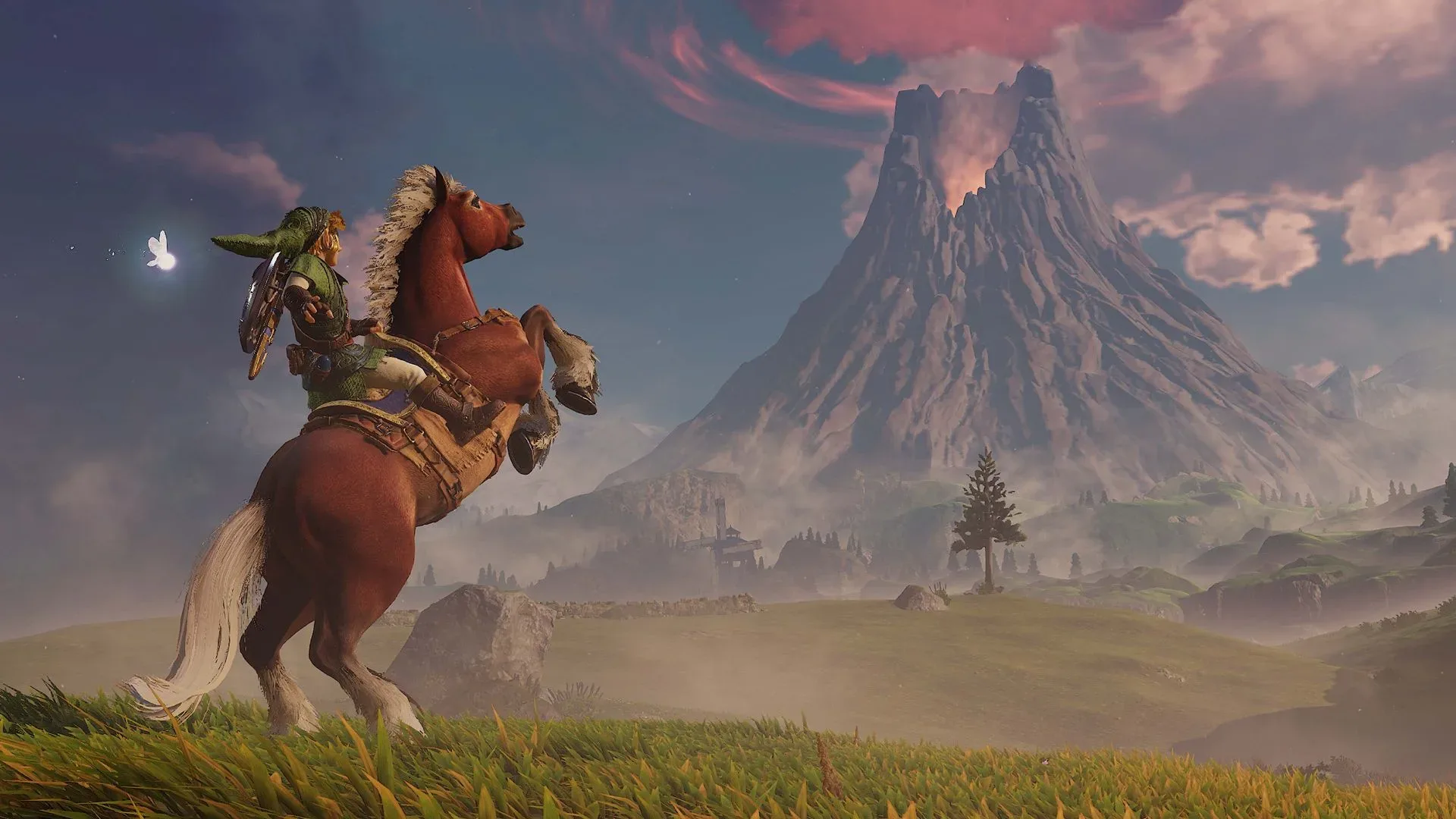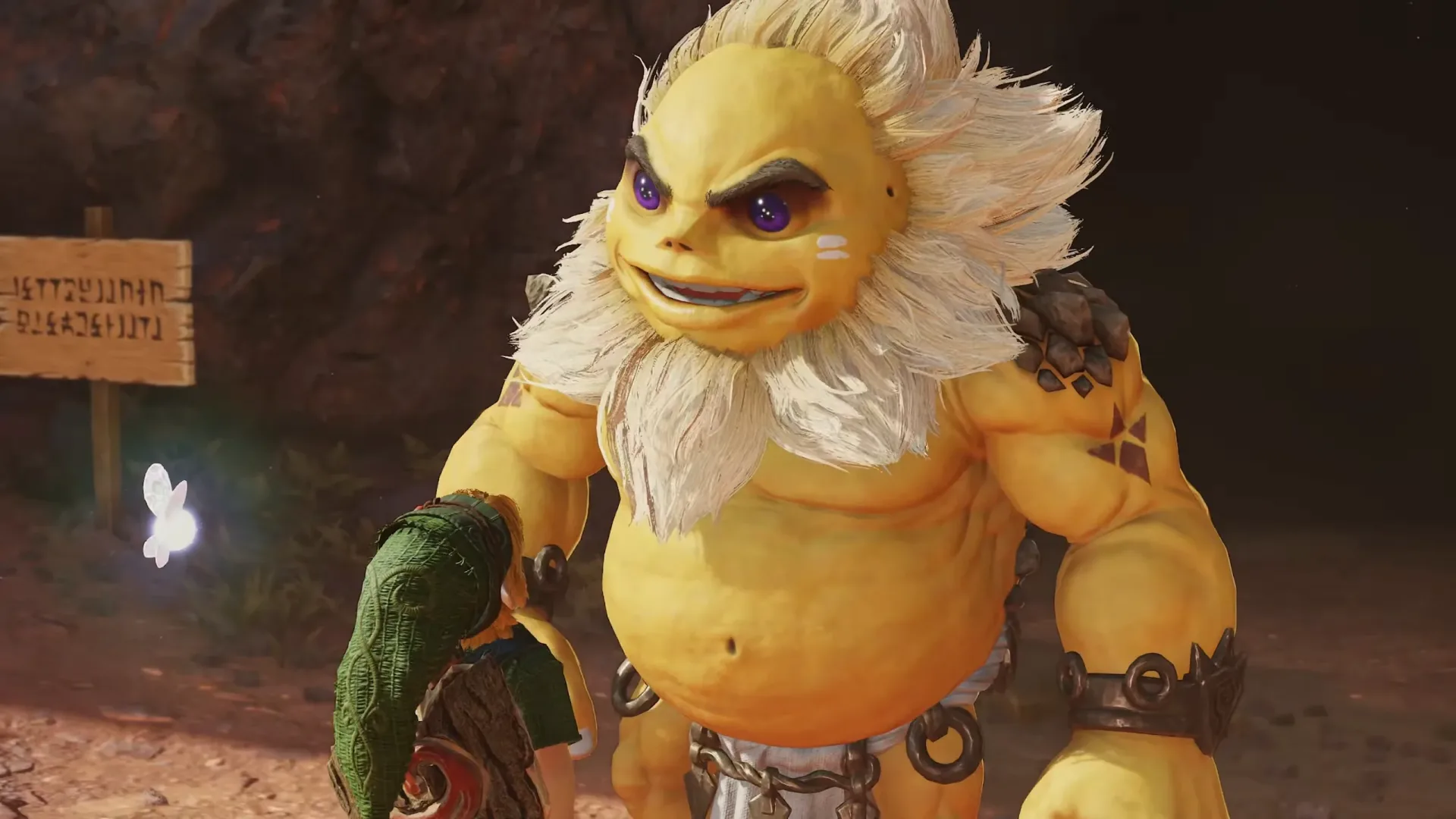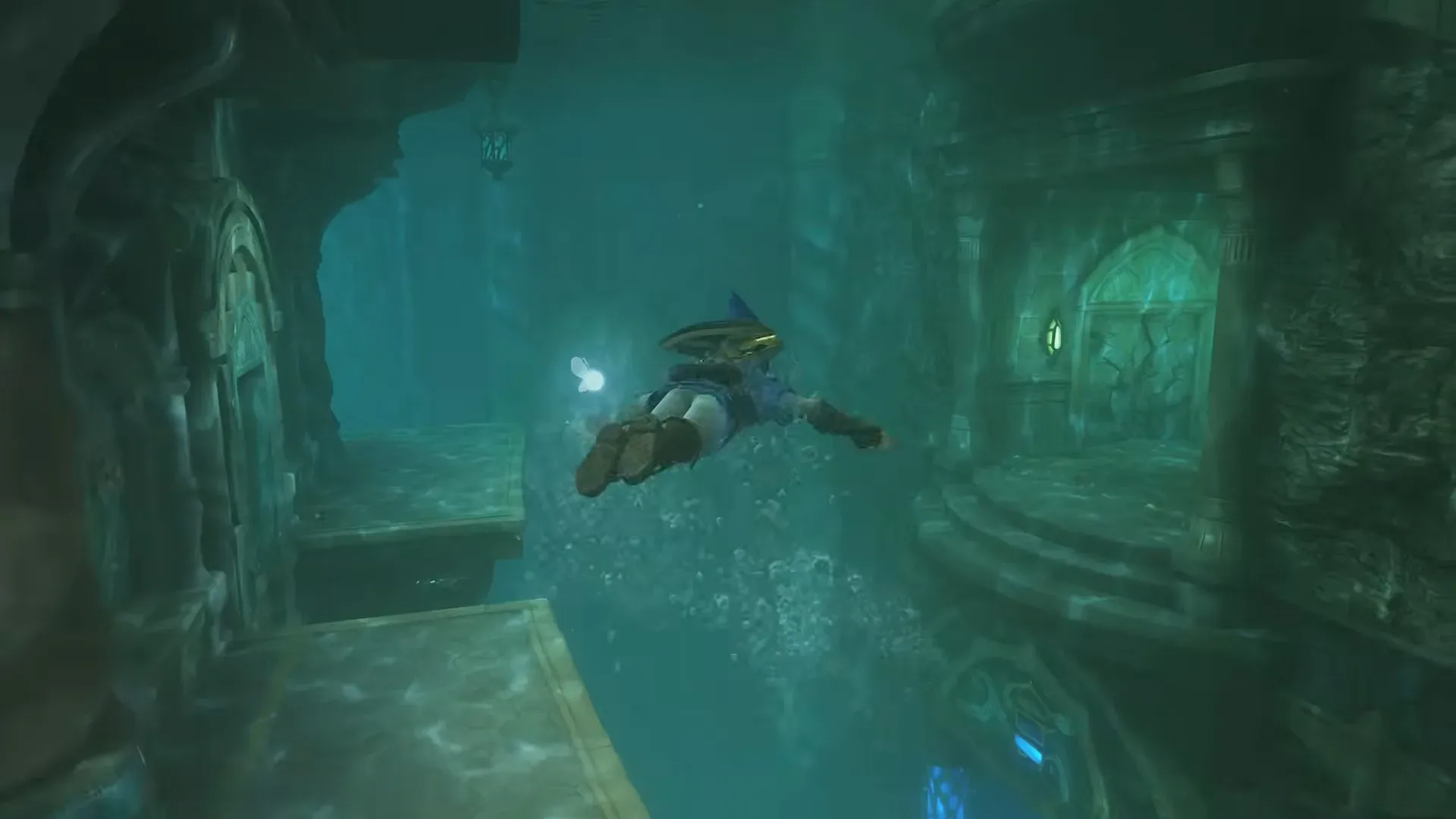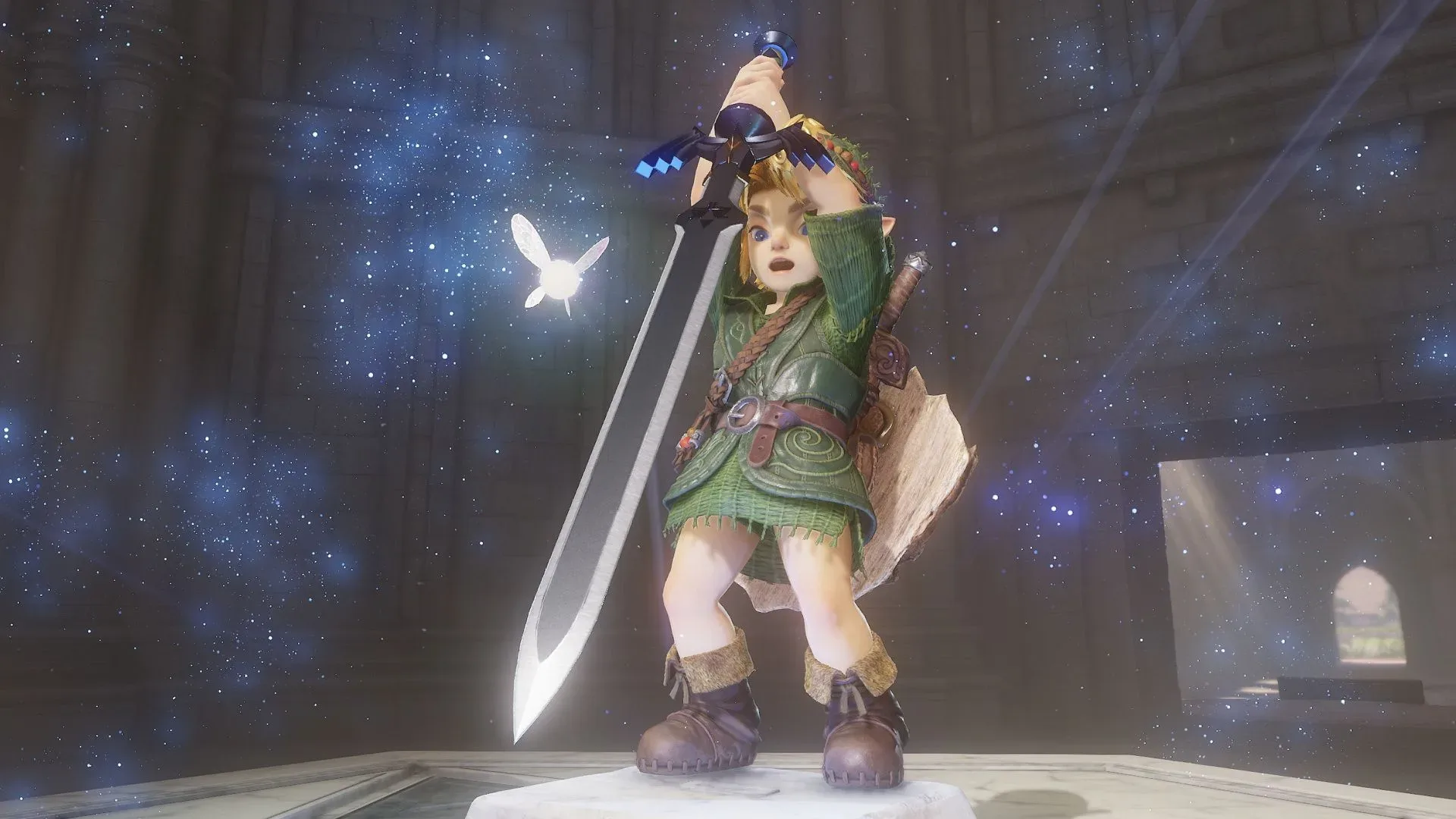
For a series that has continued to reinvent its structure, scope and technology, The Legend of Zelda: Ocarina of Time remains a personal reference point for Eiji Aonuma. The longtime Zelda producer says that when he considers the games, he often returns to the Nintendo 64 adventure and the thinking behind it during development.
That perspective carries particular weight because Aonuma served as one of Ocarina of Time’s directors and has been involved with every main series entry since. His later work includes the producer role across the franchise, including games such as Breath of the Wild and Tears of the Kingdom. Yet his comments make clear that leading newer, much larger adventures has not displaced the importance of the game where his Zelda career began.
“Whenever I think about Legend of Zelda games, I often find myself returning to The Legend of Zelda: Ocarina of Time and reflecting on the things we were thinking about during its development,” Aonuma said. “That’s how memorable the title was for me.”
The comment is not simply nostalgia for a landmark older game. It identifies a development principle that still matters to Zelda: the relationship between a world’s scale and the events, characters and dangers encountered while moving through it.
Why Ocarina of Time still matters to Zelda’s leadership
Hidemaro Fujibayashi, producer of the Ocarina of Time remake, described the game as a major turning point within the series. Fujibayashi’s history makes that view especially relevant: before joining Nintendo, he directed Oracle of Seasons, Oracle of Ages and The Minish Cap at Capcom. He subsequently directed Skyward Sword, Breath of the Wild and Tears of the Kingdom.
Fujibayashi’s central point is that exploration and discovery were always fundamental to Zelda, but Ocarina of Time demonstrated that the same appeal could survive—and remain central—when the series entered 3D. That is an important distinction. A 3D transition is not merely a graphical upgrade. It changes how players read space, navigate routes, notice threats and understand the distance between places.
In a two-dimensional game, a player generally interprets space from an elevated perspective. In a three-dimensional game, the viewpoint places the player inside the environment. Direction, camera framing, scale and visibility all become more immediate design considerations. Fujibayashi’s observation suggests that Ocarina of Time’s achievement was not just using a new visual perspective; it was preserving Zelda’s established sense of curiosity through that perspective.
That foundation helps explain why the game retains such significance even after later Zelda releases pushed toward broader worlds and more systemic player freedom. The series can change the size of its environments and the way players approach them, while its leaders still look to the same core question: what makes an expedition meaningful once the player is out in the world?
Related coverage includes Eiji Aonuma Still Returns to Ocarina of Time When Reflecting on Zelda.
Encounters, rather than empty scale
Aonuma framed the answer around the things that happen during an adventure, not just the dimensions of the map.
“When adventuring in a vast world, what truly matters are the encounters you have with people and enemies along the way,” Aonuma said. “I believe it was with The Legend of Zelda: Ocarina of Time that we began consciously pursuing those ideas to further refine the game.”
The word encounters does considerable work here. It can mean meeting characters, confronting enemies, finding an unexpected path or reaching a moment that alters the player’s understanding of a place. In design terms, an encounter is an authored point of contact between the player and the game world. It gives movement purpose. A large environment by itself creates room to travel; encounters create reasons to remember the trip.
Aonuma’s statement also separates “vast world” from “successful adventure.” Bigger spaces may offer possibility, but they do not automatically produce discovery. Discovery depends on the player finding something with character, tension or consequence along the way. That is the design concern he associates with Ocarina of Time: not simply presenting a 3D setting, but refining the experiences that occur within it.
This is a useful lens for reading the Zelda series’ evolution. The contrast is not necessarily between a guided older game and a newer open-world game. Rather, it is between different methods of organizing exploration around discovery. Ocarina of Time’s continuing influence, as described by Aonuma and Fujibayashi, lies in how deliberately it pursued that connection.
A 3D turning point, not a closed chapter
Calling Ocarina of Time a turning point should not be mistaken for a claim that every later Zelda game simply repeats it. Aonuma has worked on every entry since, while Fujibayashi has directed games spanning handheld adventures, Skyward Sword, and the two recent open-air Zelda titles. The creative record described here is one of ongoing change.
But a turning point is different from a template. A template would imply fixed rules to reproduce. A turning point establishes a problem that later games keep answering in new ways. In this case, the problem is how to make exploration and discovery compelling in a 3D adventure, and how to ensure that traversing a large space is defined by meaningful contact with its inhabitants and hazards.
That framework also makes the producer’s reflections more illuminating than a simple declaration of a favorite game. Aonuma’s memory of Ocarina of Time is tied to the development decisions and ideas behind it. He is looking back at what the team was trying to accomplish, then using that recollection when thinking about Zelda more broadly.
For players, that offers a concise explanation for the game’s enduring status in the series. Ocarina of Time is remembered not only as Zelda’s first 3D installment, but as a game its own makers view as the point where the series consciously sharpened a key ambition: making the path between destinations as important as the destinations themselves.
What the comments mean for the Ocarina of Time remake
The remarks arrived in a developer discussion focused on the Ocarina of Time remake. That context matters because remaking a formative game involves more than updating an older work. The team must decide which elements express the original experience most clearly, especially when modern expectations can encourage convenience changes.
The reported development conversation has already highlighted that a quality-of-life feature associated with Breath of the Wild was removed after Aonuma concluded it weakened important moments. The available information does not identify the feature or provide broader technical details, so it would be premature to infer the remake’s complete set of changes from that single example. Still, it aligns with the philosophy Aonuma describes: convenience is not automatically an improvement if it erases the texture of a meaningful encounter.
Quality of life is an industry term for adjustments intended to make a game smoother or less cumbersome to use. Such changes can be beneficial, but they can also alter pacing, uncertainty and the sense of arriving somewhere through one’s own effort. The significance of Aonuma’s intervention is not that modern design ideas are inherently unsuitable for Zelda. It is that each idea has to be judged against the purpose of a specific moment.
That is a practical challenge for any remake, particularly one revisiting a game that its creators consider a series-defining pivot. Preserving a game does not always mean preserving every surface-level limitation. Conversely, modernizing it does not mean adding every newer convention. The guiding question is whether a change supports or undercuts the experience the original game was built to create.
For more on the remake’s early critical result, see Ocarina of Time Switch 2 Remake Opens With 37/40, Matching Ocarina of Time 3D.
An enduring design compass
Aonuma’s reflections put Ocarina of Time in a position more substantial than an untouchable relic. The game is a design compass: a place he revisits to reconsider the values that shaped Zelda’s approach to adventure. Fujibayashi’s comments reinforce that reading, locating the game at the moment when Zelda showed its essential exploration-and-discovery appeal could carry into 3D.
That does not make later games less important, nor does it imply that their accomplishments are reducible to Ocarina of Time. It does show that Zelda’s custodians see continuity beneath the changes. Whether the adventure is structured around a particular route or a much wider field of possibility, the player’s journey needs memorable people, enemies and discoveries along the way.
For Aonuma, Ocarina of Time appears to be the title where that goal became especially clear—and the game he still uses to think through what a Legend of Zelda adventure should be.