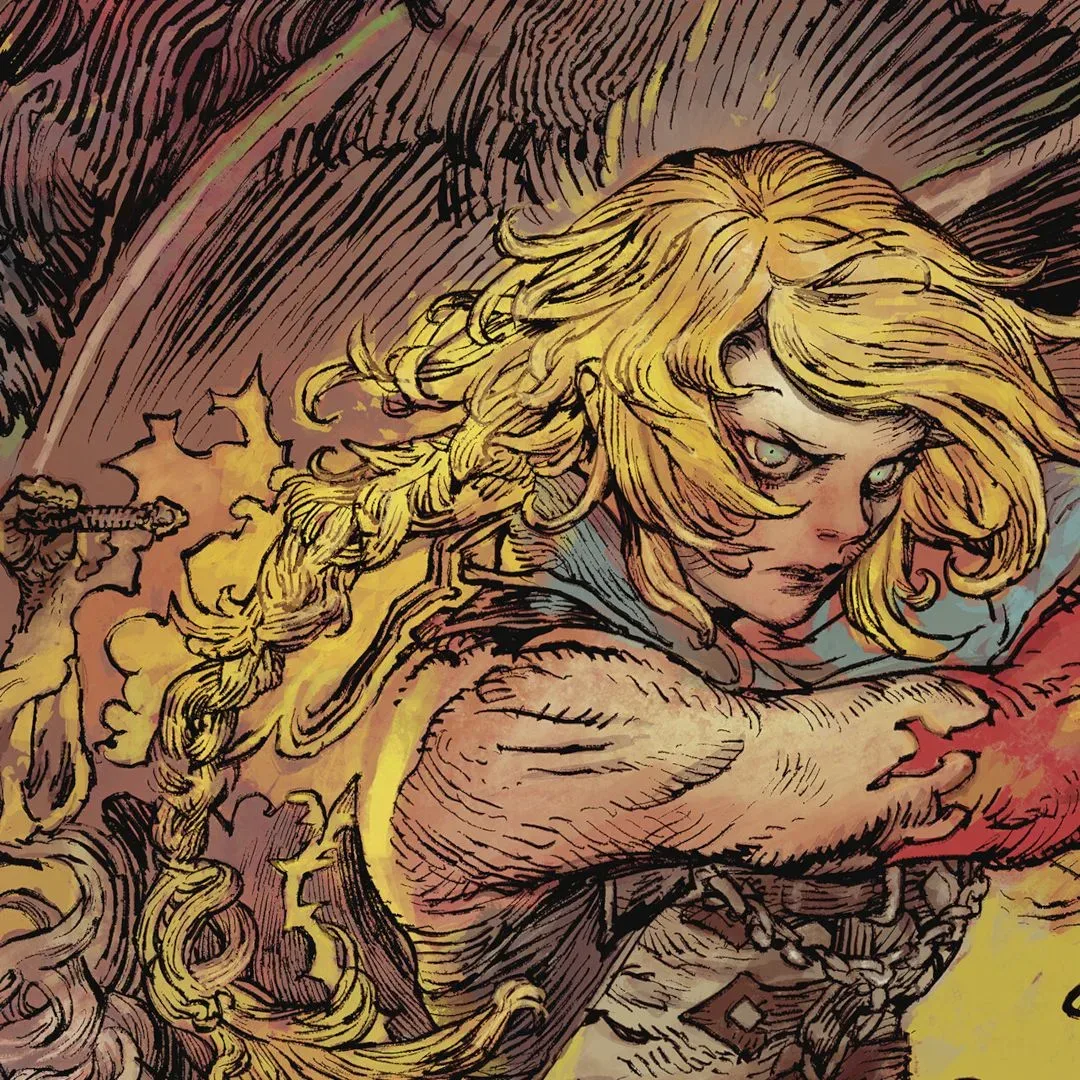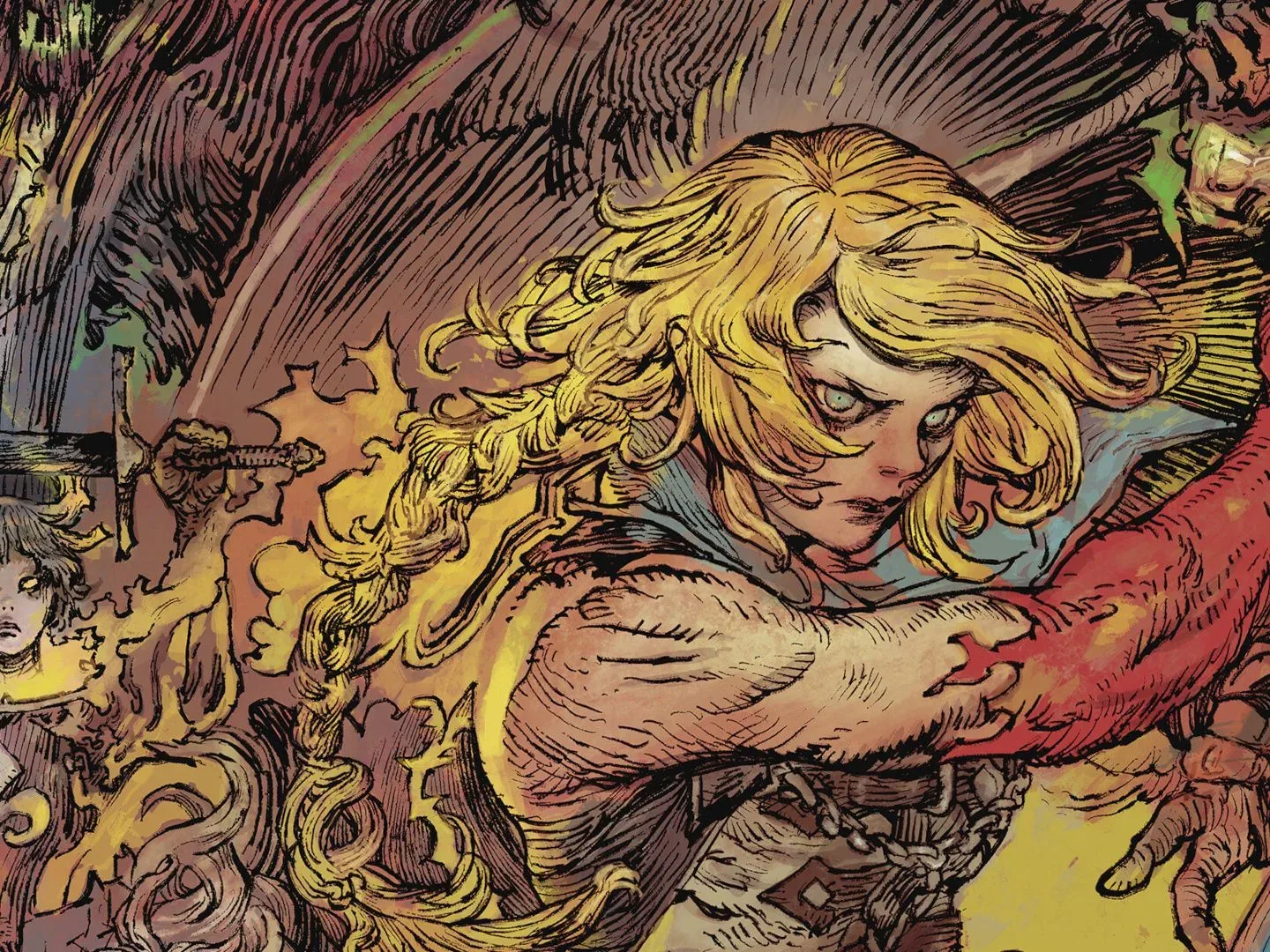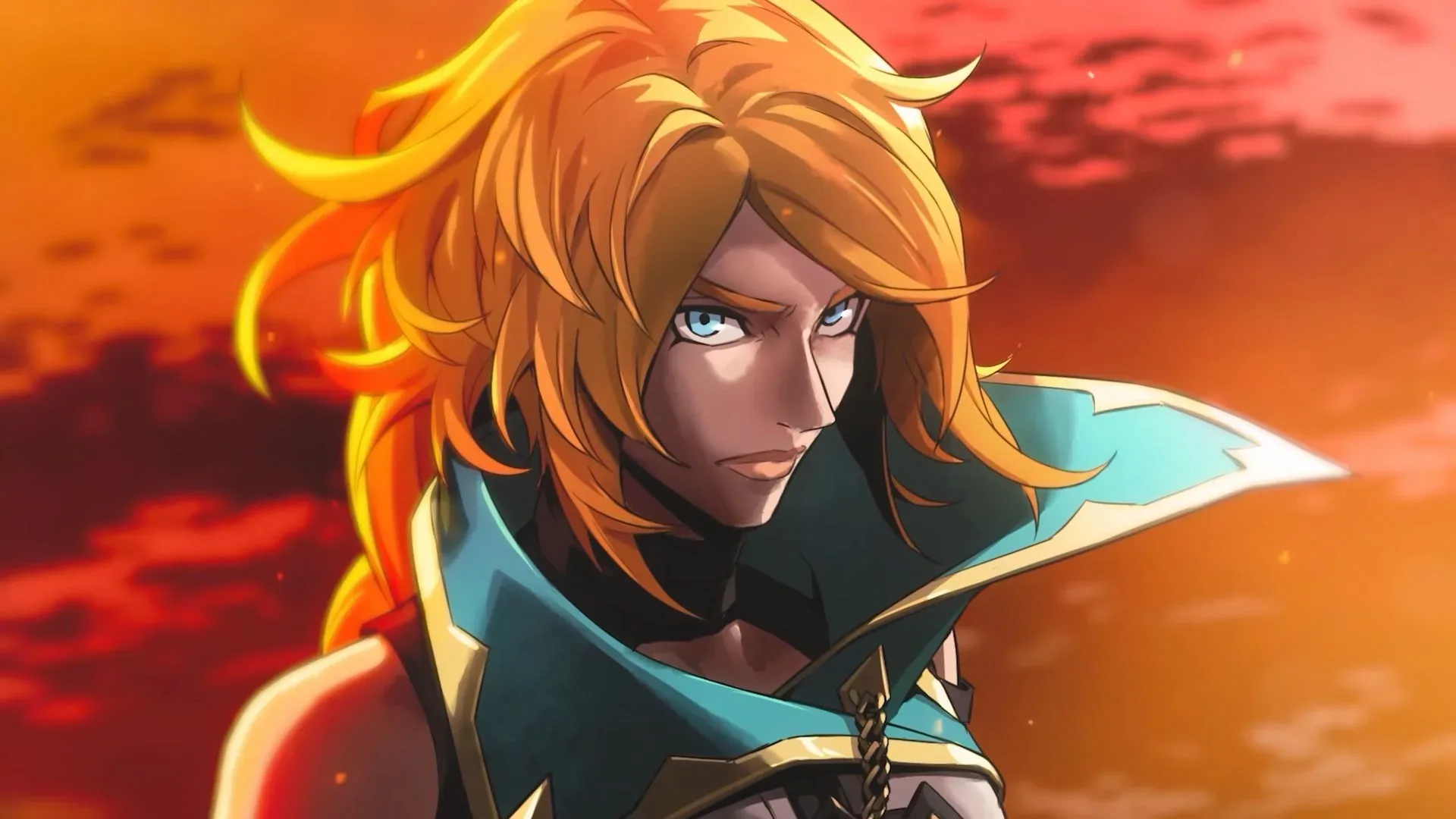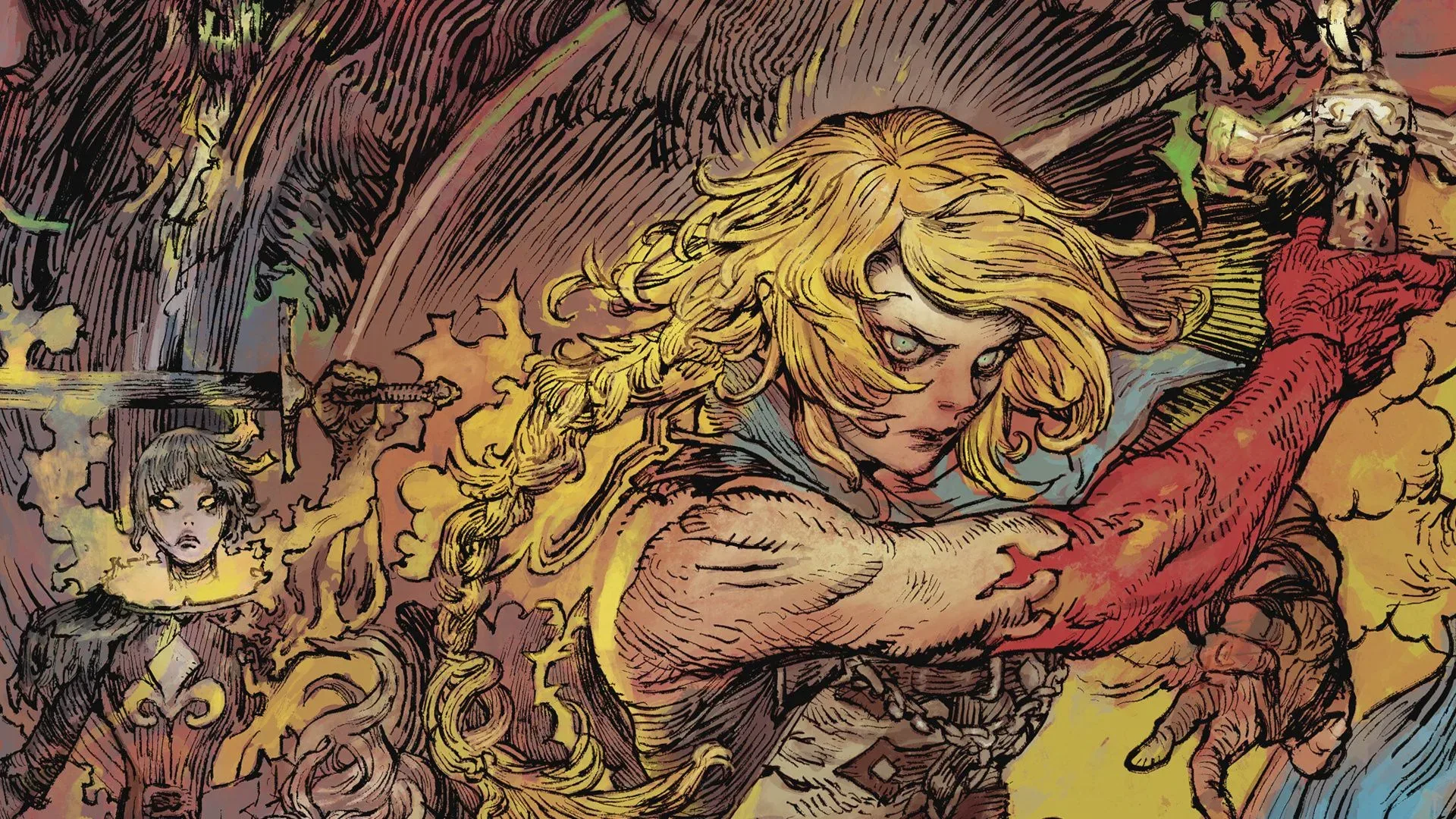
Castlevania: Belmont’s Curse is bringing the Belmont family back into a side-scrolling battle with Dracula, but its platform plan has created an unusual wrinkle: the game is being released for the original Nintendo Switch, with no dedicated Nintendo Switch 2 edition identified. That does not mean Switch 2 owners are locked out. The Switch release can be played on the newer machine. It does mean, however, that players using Nintendo’s newer hardware are receiving the original Switch version rather than a separately optimized release.
That distinction has become a focal point ahead of the game’s October 15 launch. Kit Ellis, a former senior PR manager at Nintendo of America, argued in a social-media video that the decision gives Castlevania fans who primarily use Switch 2 understandable reason for mixed feelings. The game is accessible, but it is not being positioned as a native Switch 2 product.
Ellis characterized Konami’s handling of the release as odd, particularly because the game can run on Switch 2 while lacking a dedicated version for the platform. His point is less about whether players can start the game and more about the gap between compatibility and a release built expressly for a newer console.
Playable on Switch 2 is not the same as a native Switch 2 release
The terminology matters here. A game that is playable through compatibility is an earlier-platform release that can run on newer hardware. A dedicated version, by contrast, is a version a publisher has specifically prepared and marketed for that newer system. The supplied information does not establish what features, if any, a dedicated Switch 2 version of Belmont’s Curse would have included. It only establishes that no such version is being released.
That is an important limit on the discussion. It would be easy to assume that a newer version would necessarily mean sharper presentation, altered effects, faster performance, or other additions. None of those changes have been detailed here, and they should not be treated as promised or expected features. Still, the absence of a dedicated edition invites the natural question of whether the game’s presentation could have been tailored more closely to the hardware on which many fans may now play it.
Ellis cited the available demo as evidence that Belmont’s Curse runs at 60 frames per second on Switch 2. Frames per second, commonly shortened to FPS, measures how many individual images are shown in one second. A 60 FPS result indicates smooth motion in the demo on that hardware. Yet Ellis also said the image looked somewhat blocky or chunky on Switch 2, framing the experience as functional rather than fully polished for the newer system.
Resolution and frame rate are separate parts of how a game looks in motion. Resolution concerns the detail of the image, while frame rate concerns the frequency with which the image updates. A game can feel fluid at 60 FPS and still look less crisp than a player would prefer. In this case, the available account suggests precisely that split: good motion performance in the demo, paired with reservations about the image quality.
A curious fit for a deliberately retro-minded Castlevania
Belmont’s Curse is described as looking, sounding, and playing in the mold of Castlevania: Symphony of the Night. Its structure is a side-scrolling action-adventure that sends players through monsters and supernatural threats on the way to another confrontation with Dracula. That stylistic direction also places the game squarely beside one half of the term “Metroidvania,” a label associated with exploration-driven action games and shaped in part by Castlevania’s own influence.
Related coverage includes Castlevania: Belmont's Curse Leaves Switch 2 Without a Native Version.
The game’s 2.5D presentation is central to the platform conversation. “2.5D” generally describes a game that plays across a side-on, largely two-dimensional plane while using depth, models, lighting, or other visual techniques associated with three-dimensional graphics. The source material suggests that Konami may have concluded the game’s relatively straightforward 2.5D visuals ran suitably on the original Switch, reducing the perceived need for a newer-system-specific release.
That explanation remains analysis, not a stated justification from Konami. No reason for the missing dedicated Switch 2 version has been supplied. There could be production, scheduling, commercial, technical, or other considerations behind the decision, but the evidence available does not establish any of them. The only firm facts are the original Switch release plan, compatibility with Switch 2, and the lack of a dedicated Switch 2 edition.
Even so, the choice stands out because a return to Castlevania carries a natural association with Nintendo hardware. Early entries in the series appeared on the NES and SNES, creating a long-running connection between the franchise and Nintendo players. That history does not oblige a publisher to make a separate version for every new Nintendo platform, but it helps explain why the omission has attracted attention. A legacy series returning in a retro-informed form seems like an especially visible case in which players might expect the latest Nintendo system to receive explicit support.
Why the release strategy matters beyond a technical checklist
The concern is not simply about counting pixels or chasing a specification sheet. A dedicated platform version can signal that the publisher sees an audience on that platform and has considered that audience’s experience from the start. When a new game arrives as an older-platform release that remains playable on newer hardware, the practical result may be perfectly adequate. The messaging, however, can feel incomplete for players who have moved to the newer machine.
That is the gap Ellis focused on. His view was that Konami had not fully followed through with the game’s release. The observation does not establish that the game itself is deficient, nor does it mean compatibility is worthless. For a Switch 2 owner who wants to play Belmont’s Curse on October 15, the crucial immediate point is that they can do so. But it leaves a separate, unresolved question: why is a game that runs on Switch 2 not receiving a version that acknowledges the system directly?
There is also a consumer-clarity issue. “Available on Switch” can be enough information for someone who owns either machine and only wants to know whether a game will run. For a player deciding where to buy or play a game, though, the difference between a compatible prior-generation release and a purpose-built current-platform edition can matter. Clear language helps set expectations about what a player is receiving, especially when no upgrade path or platform-specific improvements have been detailed.
This is not unique to games. The broader question of how much value older equipment can retain or gain through a new use has appeared across consumer technology; for example, it is possible to turn an older digital camera into a webcam in some setups. Belmont’s Curse presents the gaming equivalent of that practical tension: an older-platform version can continue to work on newer hardware, while still not being the same thing as a product designed around it.
What players can reasonably take from the available details
For prospective players, the confirmed picture is narrow but useful. Belmont’s Curse is due October 15. It is releasing as a Nintendo Switch game. It can be played on Switch 2, but there is no dedicated Switch 2 version. Ellis’ demo-based observation indicates 60 FPS performance on Switch 2, while his impression of the resolution was less favorable.
- Original Switch owners: Belmont’s Curse is directly aimed at the platform they own.
- Switch 2 owners: The game remains playable, but buyers should understand that it is the original Switch release rather than a separate Switch 2 product.
- Players prioritizing visual clarity: The available commentary suggests caution in assuming a highly refined image on Switch 2, even though the demo reportedly runs at 60 FPS.
- Fans of classic Castlevania: The stated creative direction points toward the side-scrolling action-adventure style associated with Symphony of the Night, Dracula, and the series’ long-established gothic identity.
There is no need to turn the missing native edition into a verdict on the game before release. The supplied information supports neither claims of a poor overall experience nor assurances that Switch 2 players will notice no compromise. It supports a more specific criticism: the release plan creates uncertainty where a clearly identified Switch 2 version could have offered a simpler message.
The timing makes that uncertainty sharper. The game has been described by its producer as arising from a sense of urgency, with the warning that waiting another decade for a follow-up would make the effort meaningless. That motivation gives the return of Castlevania an understandable momentum. It may also help explain why fans are scrutinizing every part of the launch strategy. When a beloved series re-emerges, enthusiasm is high—but so is the desire to see the return handled comprehensively.
At present, Belmont’s Curse appears poised to deliver the core thing many Castlevania players want: another gothic side-scrolling adventure against Dracula, built with a clear awareness of the series’ most influential style. The unresolved platform question is not whether Switch 2 users can join in. They can. It is whether Konami has left an avoidable gap between making the game work on Switch 2 and making Switch 2 owners feel specifically included in its return.