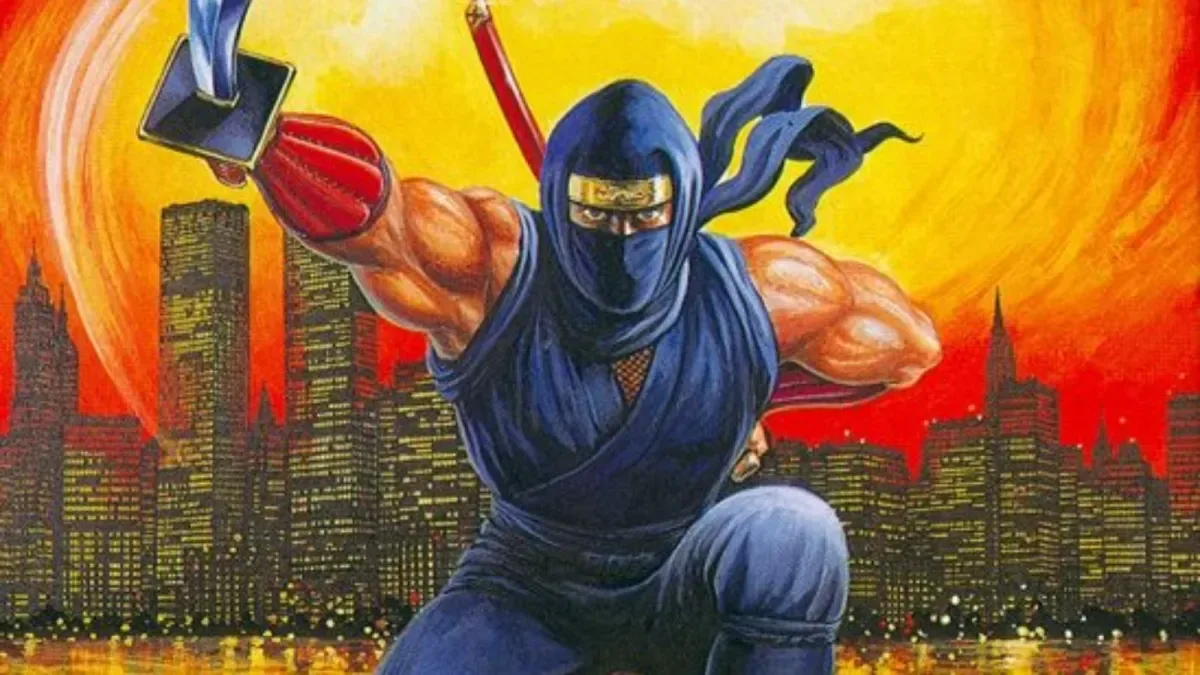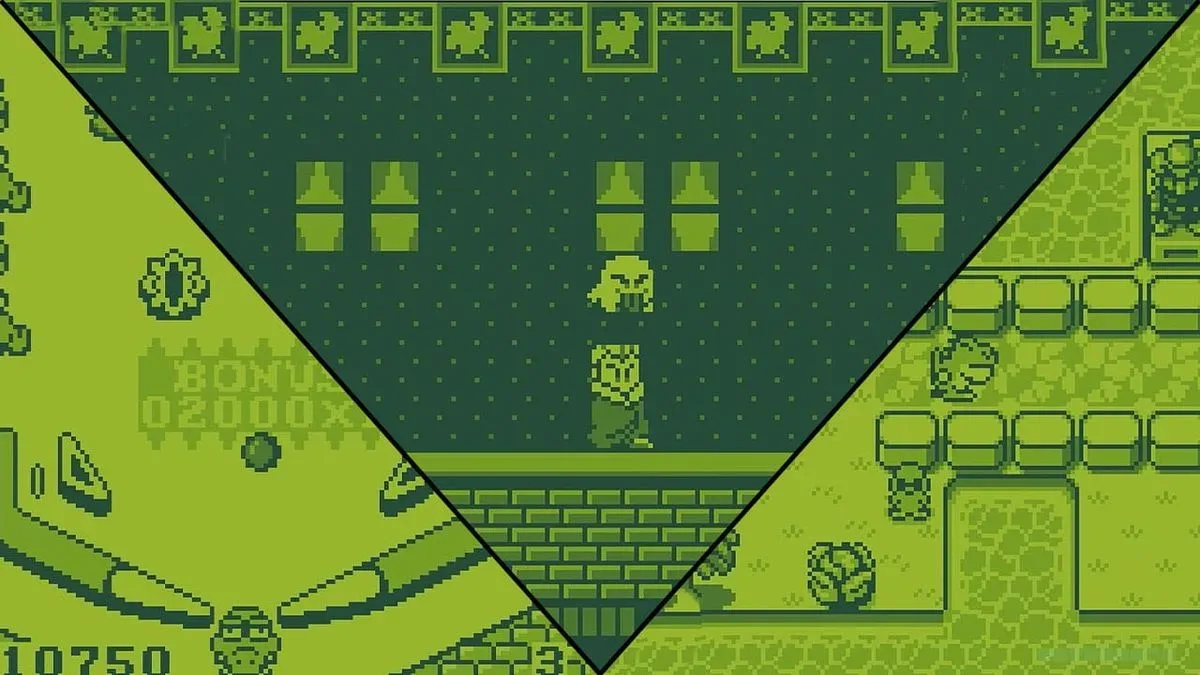
Nintendo Switch Online’s Game Boy catalogue is set to grow by three on October 27: Avenging Spirit, Mole Mania, and Pinball: Revenge of the ’Gator. The trio offers three very different takes on portable-era design: a supernatural action game built around taking over other characters, a puzzle-led platformer focused on moving objects and clearing screens, and a straightforward pinball game suited to short sessions.
The most notable practical detail is that all three are slated for the basic Nintendo Switch Online membership tier. That makes the update particularly interesting for players who have been curious about original Game Boy releases but have not wanted to navigate the variable—and sometimes steep—second-hand cartridge market.
This is a library addition rather than a claim that the original physical editions have suddenly lost their collector value. A digital subscription version gives people a route to play the games. It does not supply an original cartridge, manual, box, regional cover variant, or the appeal of building a physical Game Boy collection. Still, for the simple question of whether a game is worth spending time with, access matters more than rarity.
Avenging Spirit brings its possession hook to the Switch library
Avenging Spirit is the standout name in this update, both because of its premise and because physical copies can command serious money. It is described as a “possess-em-up”: players control a ghost seeking revenge for its own death, with the core mechanic centered on possessing different characters. Rather than remaining one fixed hero throughout, the game’s appeal comes from the idea of inhabiting other bodies as part of its action-platforming structure.
That possession concept is the useful technical shorthand here. A possession mechanic means the player character can take control of another character, changing the immediate toolset available to them. In this case, the hook turns the protagonist’s ghostly status into gameplay rather than just story dressing. It also gives Avenging Spirit a stronger point of distinction than a conventional run-and-jump Game Boy action title, where the player’s abilities typically remain static.
For collectors, Avenging Spirit has long been a conspicuous example of how regional presentation and scarcity can shape a game’s reputation. The North American cover is associated with a gangster-style figure carrying a Tommy gun, while European and Japanese packaging uses friendlier ghost imagery. The North American artwork is cited as part of why the game became such a notable rarity discussion point.
Reported resale figures underline why a subscription release is meaningful for the play-first audience. Complete boxed PAL copies have sold for about $800, and some copies have sold above $1,000. As of October 2026, loose copies with booklets are described as selling at roughly $199. Those numbers are snapshots of a market, not a guaranteed value or a universal going rate—physical condition, regional edition, completeness, and the individual sale all matter—but they establish the gap between collecting the original and accessing the game on a current Nintendo platform.
That gap is precisely where a service library can be valuable. Someone interested in Avenging Spirit’s unusual design no longer needs to treat a roughly $199 loose-copy estimate as an admission price to discover whether its possession-driven approach clicks for them. Meanwhile, players who already own the cartridge have no reason to regard digital access as a substitute for the physical object’s collecting appeal. These are adjacent experiences, not identical ones.
Related coverage includes Avenging Spirit, Mole Mania and Pinball: Revenge of the ’Gator Hit Switch Online October 27.
Mole Mania is built around object movement and screen clearing
Mole Mania arrives with a different kind of appeal. It is a platformer, but its described structure puts more weight on positioning, evasion and object interaction than the genre label alone suggests. Players stealthily avoid enemies, roll items for cover, and use those same items against enemies. The result is a game where moving an object is not a single-purpose action: the object can provide protection in one moment and become an offensive tool in the next.
Its levels are characterized as screen-clearing stages. In plain terms, progress is tied to resolving the current playfield rather than merely reaching the far edge of it. A bomb is needed to leave a level and proceed into the next stage, so the game establishes a defined objective before it lets the player move on. That structure encourages players to read the layout, identify obstacles and enemies, and work out how the available objects can create a route to completion.
The combination makes Mole Mania an especially good fit for players who enjoy smaller, self-contained puzzles inside an action framework. Evasion is part of the challenge, but so is choosing when an item should remain cover, when it should be rolled elsewhere, and when it can be used destructively. Its inclusion gives the Game Boy selection something more methodical alongside Avenging Spirit’s character-possession twist.
Original cartridges are also meaningfully more expensive than many casual players might expect. Loose copies have been described at around $70, while a boxed, complete copy can reach as much as $199. Again, those figures should not be read as fixed valuations. They do, however, help explain the appeal of having the game available through a membership that already includes Game Boy, Game Boy Color, NES and SNES titles.
For a broader view of how Nintendo’s current work intersects with its larger creative direction, see this look at Shigeru Miyamoto’s projects across Nintendo’s screen and theme-park efforts.
Pinball: Revenge of the ’Gator is the low-stakes change of pace
Pinball: Revenge of the ’Gator completes the update with a much simpler proposition: it is a pinball game. It may not have the collector price story of Avenging Spirit or Mole Mania, but that is part of what makes its presence useful. The game is positioned as a calmer, score-focused option between longer stretches with the other two titles, especially for players who enjoy the compact repeatability of games such as Kirby’s Pinball or Pokémon Pinball.
Pinball works differently from progression-led platformers because its immediate goal is usually score, survival and mastery of a table’s rules rather than a linear finish. That makes it naturally suited to brief play sessions. A player can spend a few minutes chasing a better run, step away, then return later without needing to remember a complex objective chain. In a three-game drop otherwise anchored by action and puzzle-platforming, that contrast is useful.
Physical copies of Revenge of the ’Gator are not framed as scarce or expensive; loose cartridges can be found for only a few dollars. Its arrival therefore is less about avoiding a collector premium and more about rounding out the library with an accessible, uncomplicated Game Boy classic. Not every catalogue addition needs to be a market oddity to be worth playing.
Why this Game Boy update matters
The strongest case for this three-game addition is variety. Avenging Spirit offers an unusual player-transformation premise. Mole Mania emphasizes spatial problem-solving through objects, enemies and a bomb-required exit. Pinball: Revenge of the ’Gator supplies a more relaxed arcade-style diversion. They do not overlap heavily, which makes the update feel more like a compact sampler of different Game Boy sensibilities than three versions of the same genre.
There is also a useful distinction between preservation and collecting. A subscription library can broaden access to older games and reduce the financial barrier to trying them. It can allow a player to engage with the design of a game that may otherwise be trapped behind a high physical resale price. But it does not replace the original release as a historical object, nor does it reproduce the material experience of original packaging and manuals. Both forms of access can matter for different reasons.
For Nintendo Switch Online members on the base tier, the immediate takeaway is simpler: October 27 adds three Game Boy games with distinct reasons to revisit them. Avenging Spirit is the curiosity for anyone drawn to its ghost-possession setup and the reputation surrounding its expensive physical editions. Mole Mania is the choice for players wanting platforming with deliberate object-based problem-solving. Pinball: Revenge of the ’Gator is the easy pick for a quick score chase when a full stage-clear puzzle feels like more commitment than the moment requires.
For everyone else, the update is a reminder that price tags in retro collecting do not always align with the value of simply getting to play. Sometimes the most welcome re-release is the one that takes a game people have heard about for years and makes it a normal part of a library they can already use.