The Nintendo Switch is often described as a turnaround. That is accurate, but an industry analyst’s assessment puts a much bigger consequence on the machine’s success: without it, Japan’s console market might have suffered a far more severe contraction.
Dr. Serkan Toto, CEO of analytics firm Kantan Games Inc., argues that a second Nintendo hardware failure following the Wii U could have effectively eliminated Japan’s console segment as a meaningful part of the market. In that hypothetical outcome, more players may have moved to smartphones and potentially PC instead.
“I would say that if Nintendo produced another flop like the Wii U, and if the Switch wasn't the super hit it turned out to be, the Japanese console market would have been completely eliminated,” Toto said. He added that Nintendo “not only completely dominates the console segment here in Japan with 70% market share for all gaming content, but they also saved it.”
That is a deliberately forceful counterfactual, not a claim that the collapse happened or that one company alone determines every kind of game played in Japan. But it offers a useful way to understand why the Switch mattered beyond its own enormous sales: it restored confidence in the dedicated-console model at a point when Nintendo had little room left for another stumble.
The Wii U left Nintendo needing a clear answer
The Wii U’s commercial performance is the necessary backdrop. Its lifetime sales finished below 14 million units, placing it among Nintendo’s weakest-selling hardware releases. Coming after the mass-market success of the Wii, that gap was especially conspicuous.
A console maker can endure a disappointing generation, but a second consecutive underperformer raises more than short-term revenue concerns. It puts pressure on the audience’s habits. Players who no longer see a compelling reason to buy a new console do not simply vanish; they spend their time and money elsewhere. Smartphones offer a familiar, always-present gaming device, while PC can be an alternative destination for players seeking a different kind of game library or platform ecosystem.
This is the heart of Toto’s argument. The danger was not merely that Nintendo would sell fewer boxes. It was that a weak successor could accelerate a change in where Japanese players expected to play games. Once those routines shift, a later console has a harder job: it must persuade people not only to buy hardware, but to return to a category they may have stopped treating as essential.
What “console market” means in this context
A dedicated console is hardware made primarily to run games in a controlled platform ecosystem. Nintendo’s systems, for example, combine proprietary hardware, first-party software and a storefront into one consumer proposition. That differs from smartphone gaming, where games run on general-purpose phones, and from PC gaming, where players can choose from a wide range of hardware configurations and software storefronts.
Related coverage includes Nintendo Switch Success Helped Prevent a Deeper Decline for Japan's Console Market, Analyst Says.
The distinction matters because competition is not limited to one console fighting another. A prospective customer can choose not to purchase a console at all. If a household gets its gaming from mobile devices, or an individual chooses PC, the console sector loses a potential hardware sale as well as the spending on software and services attached to that platform.
Toto’s cited 70% figure describes Nintendo’s position in Japan’s console segment for gaming content. The supplied information does not specify the measurement method, time period, or which content categories are included, so it should not be stretched into a claim about every form of gaming. It does, however, underline the analyst’s wider point: Nintendo’s health carries unusual weight for the country’s dedicated-console business.
The Switch’s design solved a practical proposition problem
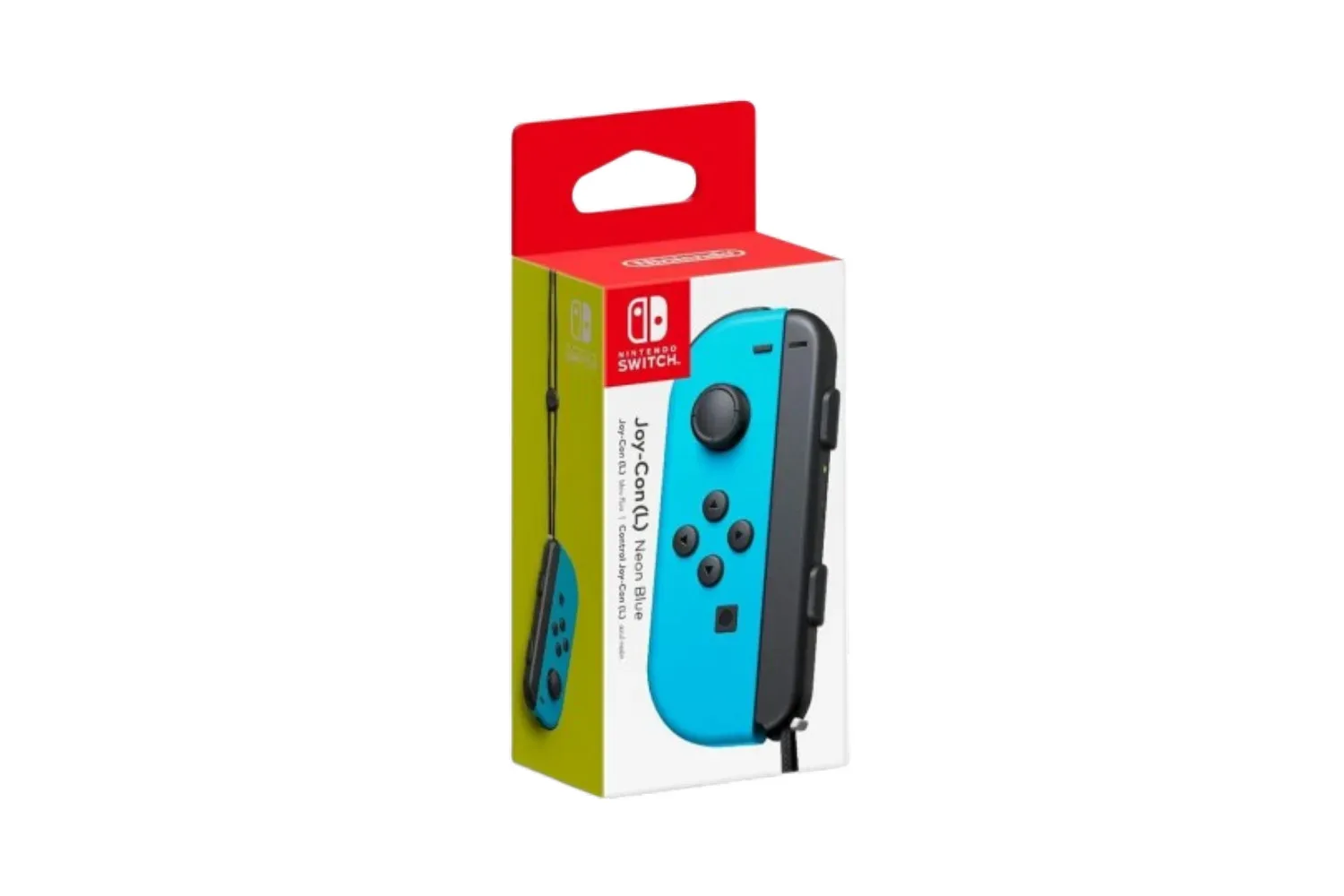
The Switch was positioned as a hybrid console: one system built around both portable and television play. That simple description conceals why it was commercially important. Rather than asking buyers to decide between a home console and a handheld identity, the device presented one flexible use case. A player could treat it as a living-room machine or take it away from the television without changing platforms.
For Nintendo, the result was a clearer proposition than the one audiences associated with the Wii U. The Switch’s success is now difficult to separate from its cultural ubiquity, but the timing was crucial. Nintendo entered the generation after a hardware disappointment and needed a device whose purpose was immediately legible, backed by games people regarded as must-play releases.
Its sales outcome demonstrates that it found that audience. The Switch is described as the second-best-selling video game system ever, behind PlayStation 2. That standing does not mean every consumer bought it for the same reason, nor does it settle every argument about the future of the industry. It does show that the machine became much more than a narrow recovery product.
Software gave the recovery momentum
Hardware does not reverse course in isolation. Nintendo’s release strategy helped turn the Switch into an event rather than merely a replacement for a struggling predecessor.
Mario Kart 8 and Super Mario 3D World were among the Wii U’s largest releases. Meanwhile, the next major entries in two of Nintendo’s most valuable series, Super Mario Odyssey and The Legend of Zelda: Breath of the Wild, were held for the Switch. That approach gave the new machine high-profile reasons to buy in from the beginning of its life.
It is worth separating fact from inference here. The evidence establishes that those flagship releases were saved for the Switch and that the strategy paid off. The reasonable analysis is that Nintendo concentrated its strongest software proposition on the platform where it most needed momentum. A hit game can sell on a successful system; a cluster of recognizable, well-received releases can also help make a system successful in the first place.
This relationship is particularly important for a platform holder with franchises as recognizable as Mario and Zelda. Those names do not guarantee that every project will succeed, but they give a new system a vocabulary consumers already understand. A new hardware feature or form factor can be explained in seconds when it is paired with a game series people already want to play.
The consequences went beyond a single hardware cycle
Nintendo is now described as stronger than it was before the Switch, with its businesses extending into theme parks and blockbuster films. Super Mario is said to be earning billions at the box office, while Zelda and Link are also expanding their visibility beyond games. The Switch 2, meanwhile, is reported to be posting healthy numbers.
Those developments should not be treated as proof that every part of Nintendo’s present position was guaranteed by Switch sales alone. They do illustrate the broader value of a successful platform: it strengthens the visibility of characters, establishes a larger active audience and gives a company more confidence to build entertainment businesses around its brands.
In other words, the Switch did not just stop an immediate problem. It supplied a foundation from which Nintendo could approach games, film and location-based entertainment from a stronger position. The contrast with the analyst’s alternative scenario is dramatic. If the successor to the Wii U had also failed, Nintendo could have been forced to reconsider how its software reached audiences, including a greater emphasis on PC or other platforms. That remains speculation, but it is grounded in a credible market question: where would players have gone if the leading domestic console brand had not provided a compelling new device?
Why this still matters to players
For players, market-share discussions can sound abstract, but platform health affects practical decisions. It shapes the kinds of games publishers choose to make, the systems developers target, the retail presence of physical releases and the amount of competition among device makers. A robust console ecosystem does not guarantee that every game will be affordable or available everywhere. It does provide publishers with a large audience they can plan around.
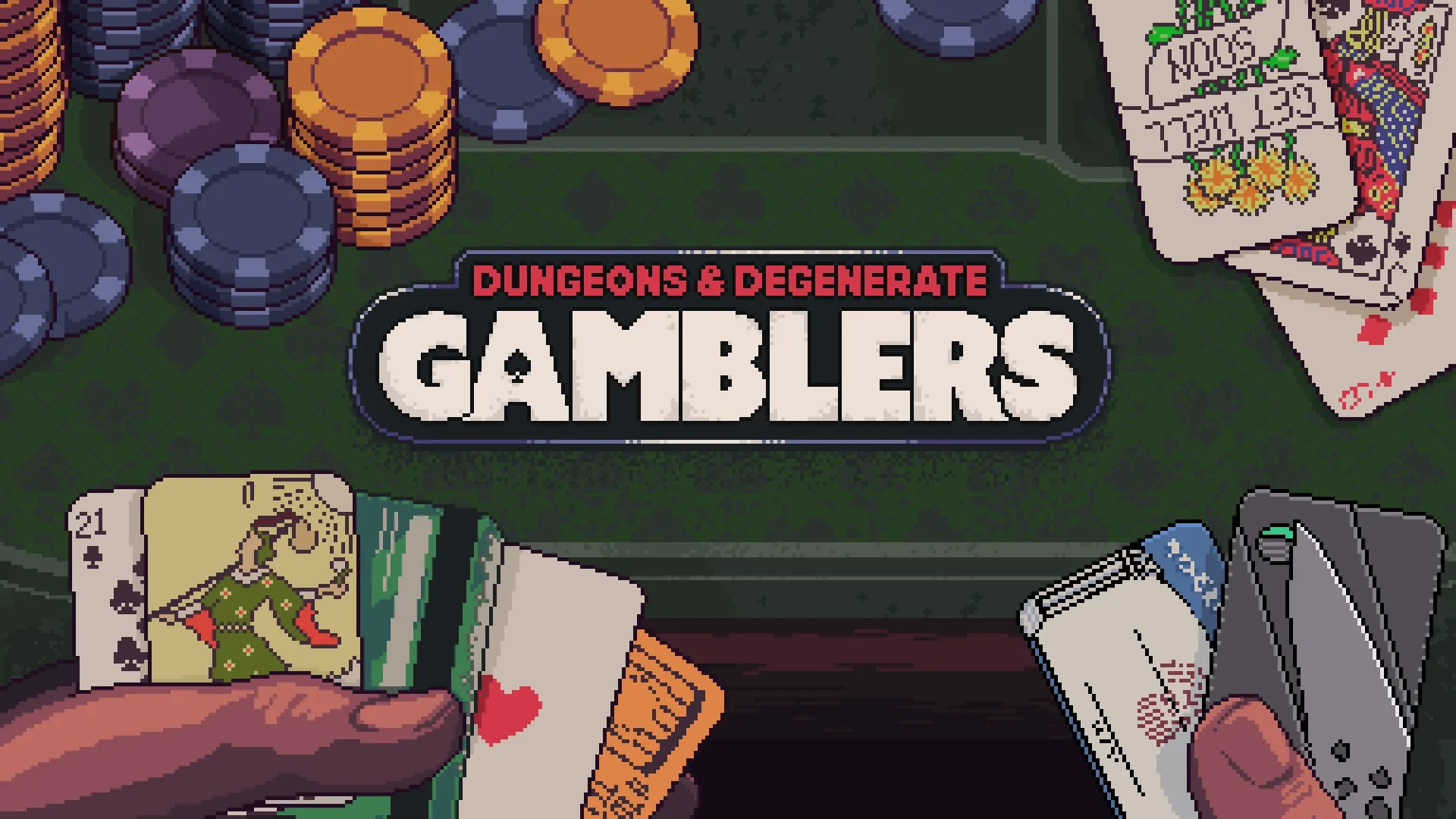
The Switch’s continued importance is also visible in the steady stream of games still being scheduled for the platform. For example, Dungeons & Degenerate Gamblers has a Switch release set for October 9, 2026, alongside its PS5 version. One release does not establish a market trend by itself, but it is a practical reminder that a widely supported platform remains part of publisher planning.
Toto’s warning is therefore less about revisiting an old console-war scoreboard than about recognizing a narrow moment when the direction of a market can change. The Wii U showed Nintendo’s vulnerability. The Switch showed that a company with enormous brand recognition still needs the right hardware idea and the right software at the right time. In Japan, the analyst contends, that recovery helped preserve the prominence of dedicated consoles themselves rather than merely rescuing one manufacturer’s balance sheet.