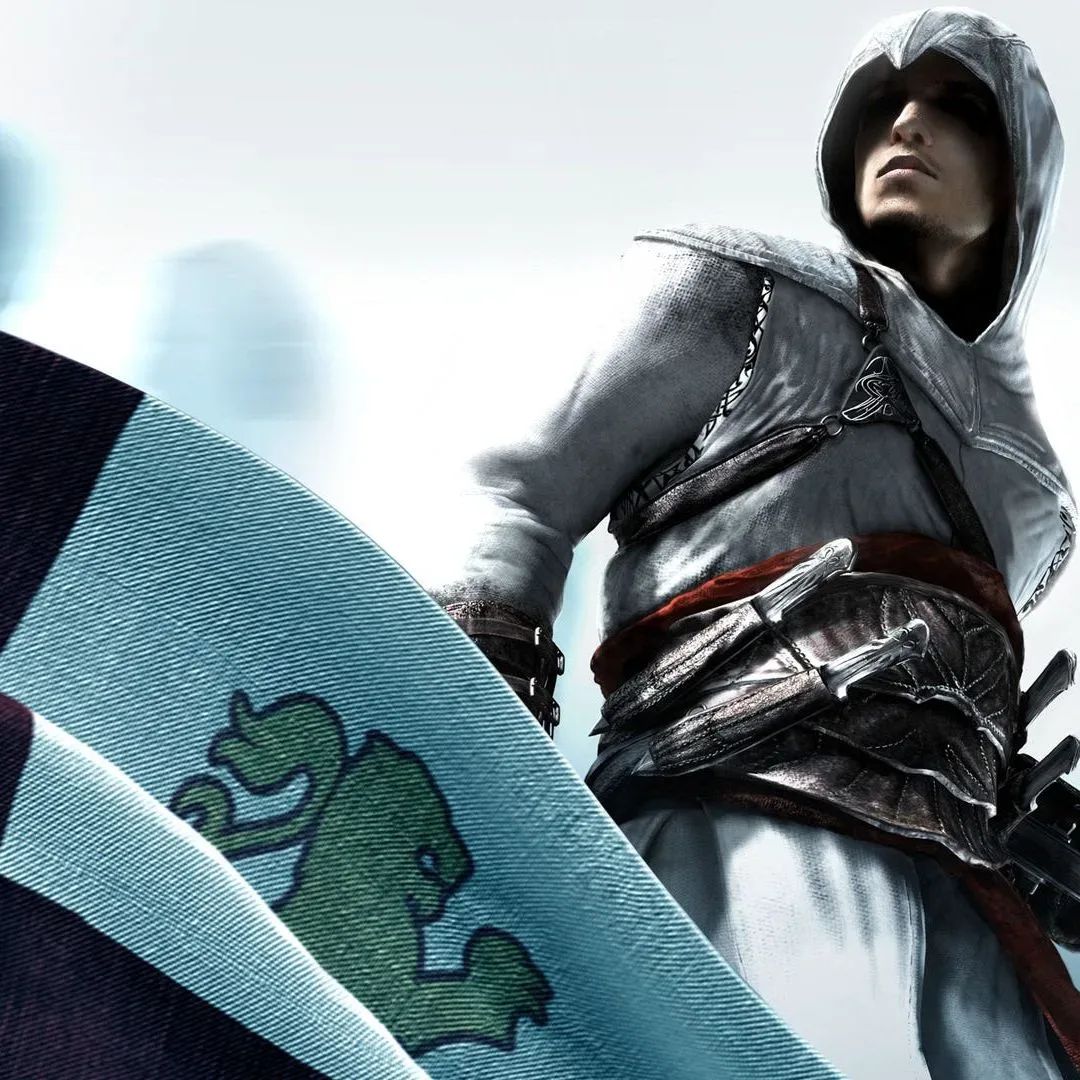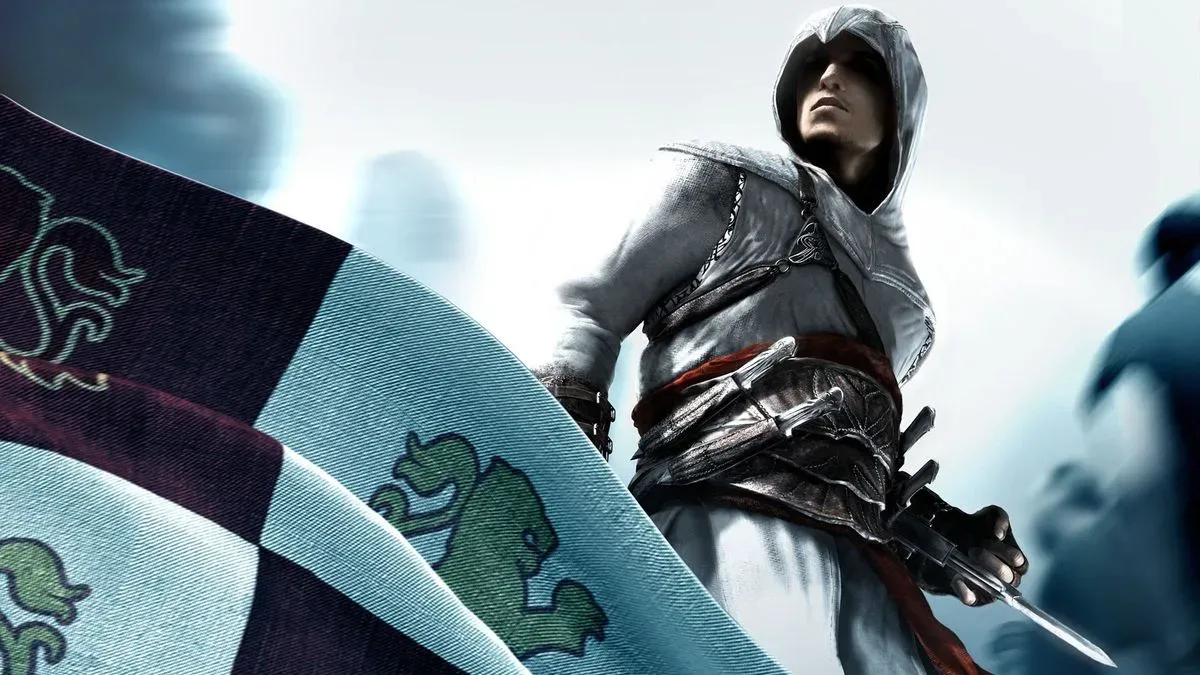

Netflix’s live-action Assassin’s Creed series will not retell one of the games, but director Stefan Schwartz says it is designed to remain recognizably part of the franchise’s universe. The production is set in 64 AD, in the Roman Empire, and follows an original story rather than a direct adaptation of an existing game narrative.
That distinction matters. A direct adaptation would mean translating a particular game’s characters and plot to television. An original story set within the lore instead gives the series room to introduce its own leads and conflicts while using the setting, ideas and wider fictional framework associated with Assassin’s Creed.
Schwartz, who directed several episodes, characterized the project as being deeply rooted in the property’s lore. He also pointed to a large-scale approach and “lots of running on roofs,” a concise indication that the series intends to carry over one of the games’ most visible visual signatures: characters navigating dense historical cities from above.
What “in the lore” means for an original adaptation
“Lore” is the shared body of fictional history, rules, themes and background that connects stories in a long-running series. It does not necessarily require a television production to reproduce a game beat-for-beat. In this case, Netflix’s stated approach is to tell a fresh story in the world of Assassin’s Creed, while Schwartz’s comments suggest the creative team is treating that world as more than a backdrop or a familiar brand label.
That is an important promise for a franchise whose identity is built around the collision of history, covert conflict and kinetic traversal. An original plot can be useful for viewers who have never played the games: they should not need prior knowledge of a particular protagonist’s storyline to understand the series. At the same time, staying within established lore gives longtime players a reason to look for continuity in the show’s ideas, atmosphere and approach to its historical setting.
The available details do not reveal which specific characters, organizations or game-era story threads may appear. Nor do they confirm how closely the series will connect to any individual title. Those questions remain open, and it would be premature to treat a Roman setting or rooftop action as confirmation of any particular plot point.
For now, the clearest description is also the most useful one: this is a new story built inside the franchise’s existing fictional space, rather than a remake of a game campaign.
Rome in 64 AD is the show’s confirmed setting
The series is set in 64 AD, with Netflix describing the story as taking place in the heart of the Roman Empire. The precise premise is still being kept under wraps, but the period establishes a distinct historical canvas for the show.
Related coverage includes Netflix's Assassin's Creed Series Is Staying Close to Franchise Lore, Director Says.
Rome also seems practical for the kind of movement Schwartz highlighted. “Running on roofs” is not merely decorative shorthand in an Assassin’s Creed project. It evokes parkour, the discipline of moving efficiently through an environment by climbing, jumping, balancing and vaulting. In the games, parkour has often provided both a traversal system and a storytelling tool: a high path through the city changes the viewer’s sense of scale, offers a route away from danger and makes the built environment part of the action.
Television does not need to reproduce game controls to preserve that feeling. The adaptation challenge is visual and dramatic rather than interactive. Rooflines, alleys, crowds and landmarks can establish momentum, geography and risk for an audience that is watching instead of holding a controller. Schwartz’s reference to a big scale suggests the show is aiming to make Rome feel like an active space for that kind of movement, not simply a historical backdrop.
That ambition is especially relevant to an adaptation of a game series. Viewers can forgive changes in format more readily than a version that loses the qualities that made the original immediately identifiable. An action scene does not have to mirror a mission from a game, but its sense of verticality and urban navigation can help communicate the franchise’s character.
Filming is complete, while editing continues
Schwartz said filming wrapped in November 2026. The production filmed on location in Rome and also shot some material in Bulgaria. He is still editing the episodes he directed.
Editing is the process of selecting and arranging filmed footage into scenes and episodes, shaping performance, pacing, action clarity and the flow of information. It is a major stage for a series with large-scale action because the final impact of a chase or fight depends not only on what was captured on set, but on how shots are assembled. The fact that editing remains underway means the project is still actively being finished after principal filming.
Netflix has not provided a release date beyond saying that the series is coming to the service. Completion of filming is a meaningful production milestone, but it is not itself a launch-date announcement. There is also no confirmed episode count, trailer window or detailed breakdown of the show’s story in the information available so far.
The confirmed cast
Lola Petticrew leads the cast alongside Toby Wallace, Zachary Hart and Laura Marcus. Noomi Rapace, Ramzy Bedia and Sean Harris are set to appear in recurring roles.
A recurring role typically means a character appears in multiple episodes without necessarily being positioned as a series regular in every installment. The casting announcement establishes a substantial ensemble, but it does not disclose character names or confirm the relationships among their roles. As with the story details, the production is holding back those specifics.
- Lead cast named so far: Lola Petticrew, Toby Wallace, Zachary Hart and Laura Marcus.
- Recurring cast named so far: Noomi Rapace, Ramzy Bedia and Sean Harris.
- Confirmed period: 64 AD.
- Confirmed production locations: Rome and Bulgaria.
- Production status: Filming has wrapped; Schwartz says editing is ongoing.
Why an original story may be the sensible route
Adapting a game franchise for television involves a basic trade-off. Copying a famous game storyline can provide immediate recognition, but it can also create rigid expectations around casting, plot structure and the sequence of events. Creating an original story avoids forcing television episodes to duplicate an experience that was originally built around player agency.
Player agency is the ability for the player to direct movement and make progress through a game. Even when a game has a defined narrative, its pacing is partly shaped by exploration, mission choices and the player’s own time in the world. A TV series has to make those choices for the audience. A new story can therefore be built around television’s different rhythm while retaining the setting and fiction that attract fans in the first place.
That does not automatically make the series faithful; the execution will determine that. But the stated plan gives the show a clear target. It needs to feel compatible with the lore while standing on its own as a drama. The emphasis on a Roman setting, scale and rooftop movement indicates the production understands that franchise identity involves more than sharing a title.
It is also a reminder that game adaptations need not be literal to be connected. The meaningful test is whether the new story respects the internal logic and recognizable sensibility of the property. Schwartz’s comments set that expectation, while leaving the actual narrative largely unknown.
What remains unconfirmed
There are still significant gaps between the production update and a full picture of Netflix’s Assassin’s Creed. The series has no announced release date. Netflix has not shared detailed character descriptions, a plot synopsis beyond its Roman-Empire setting, a trailer or information about how the show may reference specific game entries.
That uncertainty is worth keeping separate from the confirmed facts. Filming in Rome does not establish the story’s exact locations in the fictional world. A claim that the series is in the lore does not reveal the extent of its links to past games. And ongoing editing does not tell audiences when the completed episodes will be ready to stream.
What is confirmed is nevertheless a promising outline: a live-action Assassin’s Creed drama, set in 64 AD Rome, built as an original tale rather than a direct game retelling, with filming complete and post-production in progress. It has a named ensemble and a director signaling that the show will lean into the franchise’s scale and rooftop-running identity.
For more on how game development decisions can shape a series’ sense of place, see our report on Mass Effect: Andromeda’s procedural planet approach.