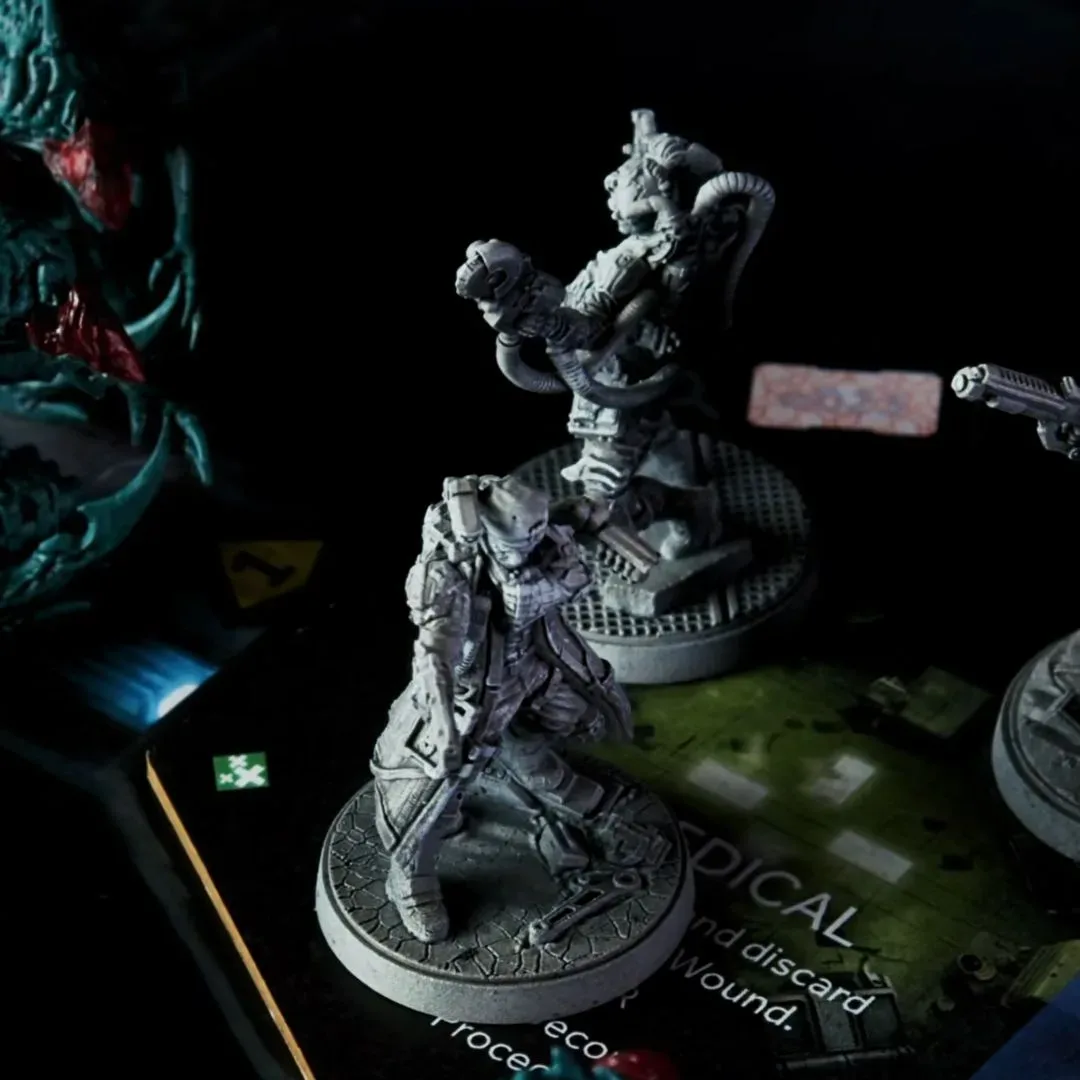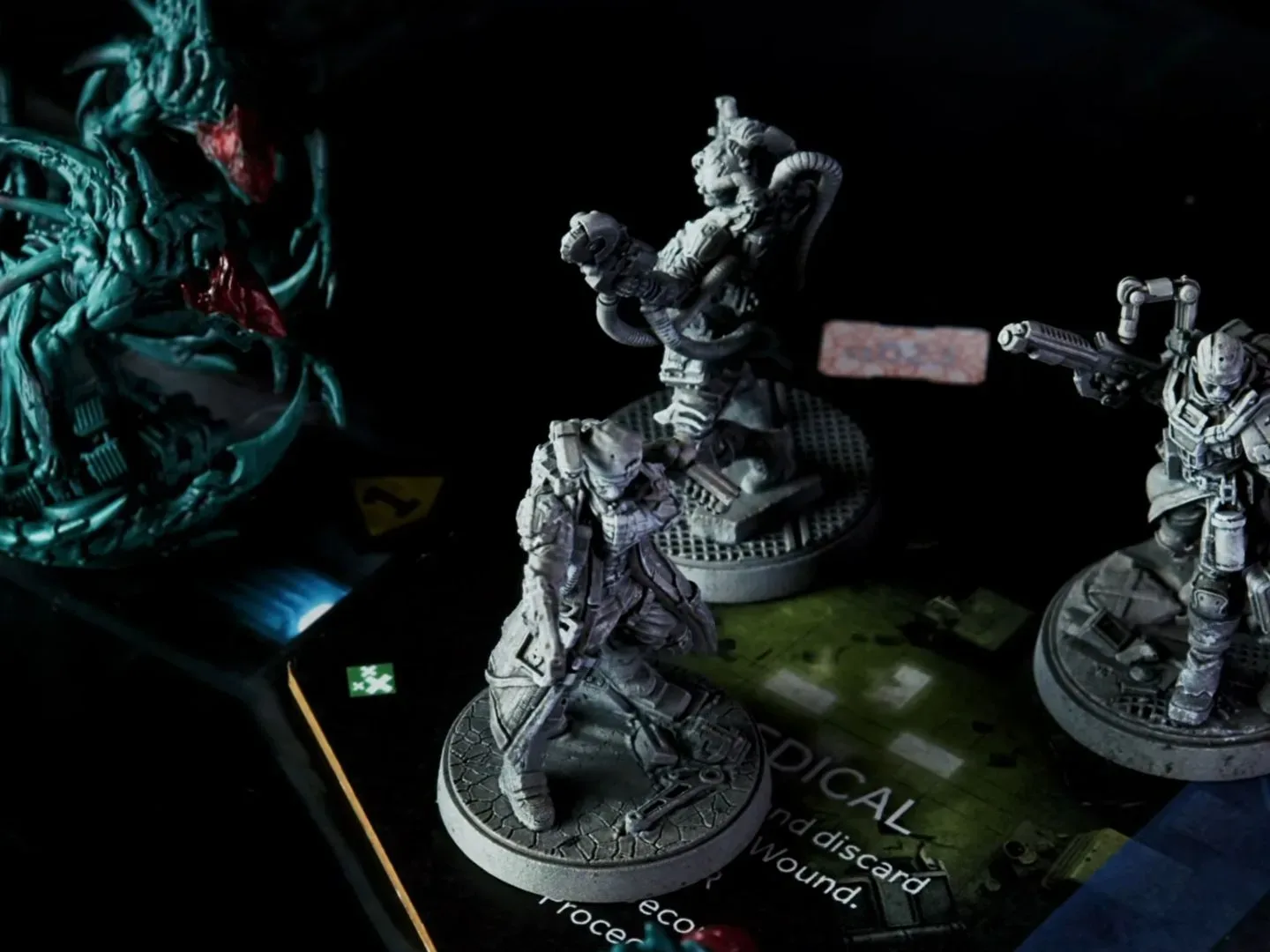
Nemesis Legacy, a campaign-driven new entry in the horror tabletop series, reached its crowdfunding target in just 54 seconds. The project is running on Gamefound for 21 days, and early momentum has been enormous: at the reported snapshot, pledges had climbed above 1,600% of the original goal, reaching roughly €818,000, or about $920,000.
That kind of opening is notable, but the more interesting part is what the game is trying to add to the established Nemesis formula. Nemesis Legacy is built around a story expected to run for more than 35 hours, with branching missions and player decisions that permanently alter the campaign. It is also planned to offer standalone missions for groups that want a single-session experience rather than a long commitment.
For a series powered by uncertainty, monsters and mistrust between survivors, a legacy-style structure is a very natural fit. It also raises the stakes: a bad decision is no longer merely an unfortunate moment in one evening’s game. It can affect the road ahead.
What makes Nemesis’ horror work
The core idea behind Nemesis is immediately recognizable to science-fiction horror fans. Players are trapped in an enclosed facility with lethal alien creatures, trying to survive an environment that gets more hostile as the game continues. The threat is not only the creatures themselves, however. Players may have different personal goals, and those goals do not necessarily align with everyone escaping safely.
That distinction is crucial. A cooperative board game usually asks the table to solve a shared problem together. Nemesis instead places cooperation under pressure. Players may need one another’s help, resources or information, yet they cannot assume everybody is pursuing the same outcome. Someone assisting the group may still be positioning themselves to complete a selfish objective.
In practical terms, this produces what can be called social tension: suspense created by the actions and motives of people at the table, rather than only by rules or random draws. A creature encounter is dangerous because it threatens a character. A suspicious decision by another survivor is dangerous because it threatens trust. Nemesis gets much of its distinctive mood from forcing those two concerns to coexist.
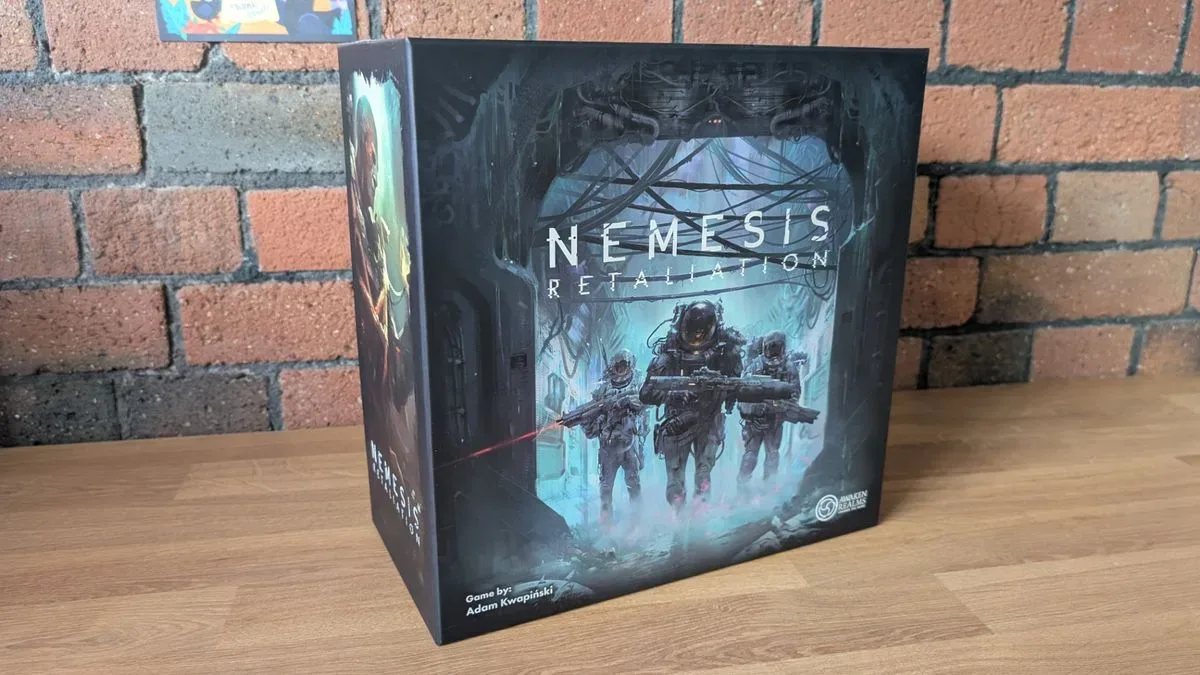
That formula has helped make the original game a favorite among horror-focused tabletop players, while later entries have kept the series in view. Nemesis Retaliation is the newest previously available installment mentioned alongside the Legacy reveal.
A campaign means consequences can carry forward
Nemesis Legacy shifts the format from an isolated survival scenario to an ongoing narrative. The announced campaign runs for 35 or more hours and uses branching missions. In a branching structure, an outcome does not simply determine whether players won or lost the current scenario; it influences which situation, route or narrative development follows.
Related coverage includes Nemesis Legacy Crowdfunding Campaign Reaches Its Goal in 54 Seconds.
The project also promises permanent changes. In tabletop terms, that generally means a campaign does not reset fully after every play. The evolving state of the game becomes part of the story being told. This is especially suitable for a setting in which survival should feel costly and where every alliance can be temporary.
There is an important tonal difference between a one-off Nemesis session and a connected campaign. In a standalone game, a player can gamble on a desperate plan because the next setup begins from a clean slate. In a campaign with lasting consequences, players have a reason to consider not only the immediate crisis but the condition in which their choices leave the larger story.
That does not automatically make the experience better for every group. It makes it different. Campaign games ask for continuity: a regular table, attention to the evolving narrative and a willingness to live with the repercussions of earlier choices. For groups that treat a game night as a self-contained event, the announced standalone missions may be the more useful option.
What “fully replayable” means here
Legacy games often create concern because permanence can sound like a one-time purchase: complete the campaign, alter its materials and then move on. Nemesis Legacy addresses that concern with a planned recharge pack intended to let players begin the campaign again.
A recharge pack is essentially a way to restore or replace the campaign elements needed for a fresh run. Its inclusion matters because the campaign’s branching paths and permanent changes are central to the pitch. A group can experience one set of choices, then later restart and explore alternatives rather than treating the whole box as spent once the first story ends.
“Fully replayable” should still be read carefully as a product claim rather than a promise that every playthrough will feel entirely unknown. The supplied details establish that a recharge pack is intended to support another campaign, not the precise contents of that pack, its cost, or the degree to which different routes will diverge. Those are questions prospective backers will need answered by the campaign’s materials.
Why the rapid funding matters
Funding in 54 seconds is a sharp indication of demand from an audience already familiar with the series. It does not by itself answer every question about the final game, but it gives the project a powerful starting position for its 21-day run.
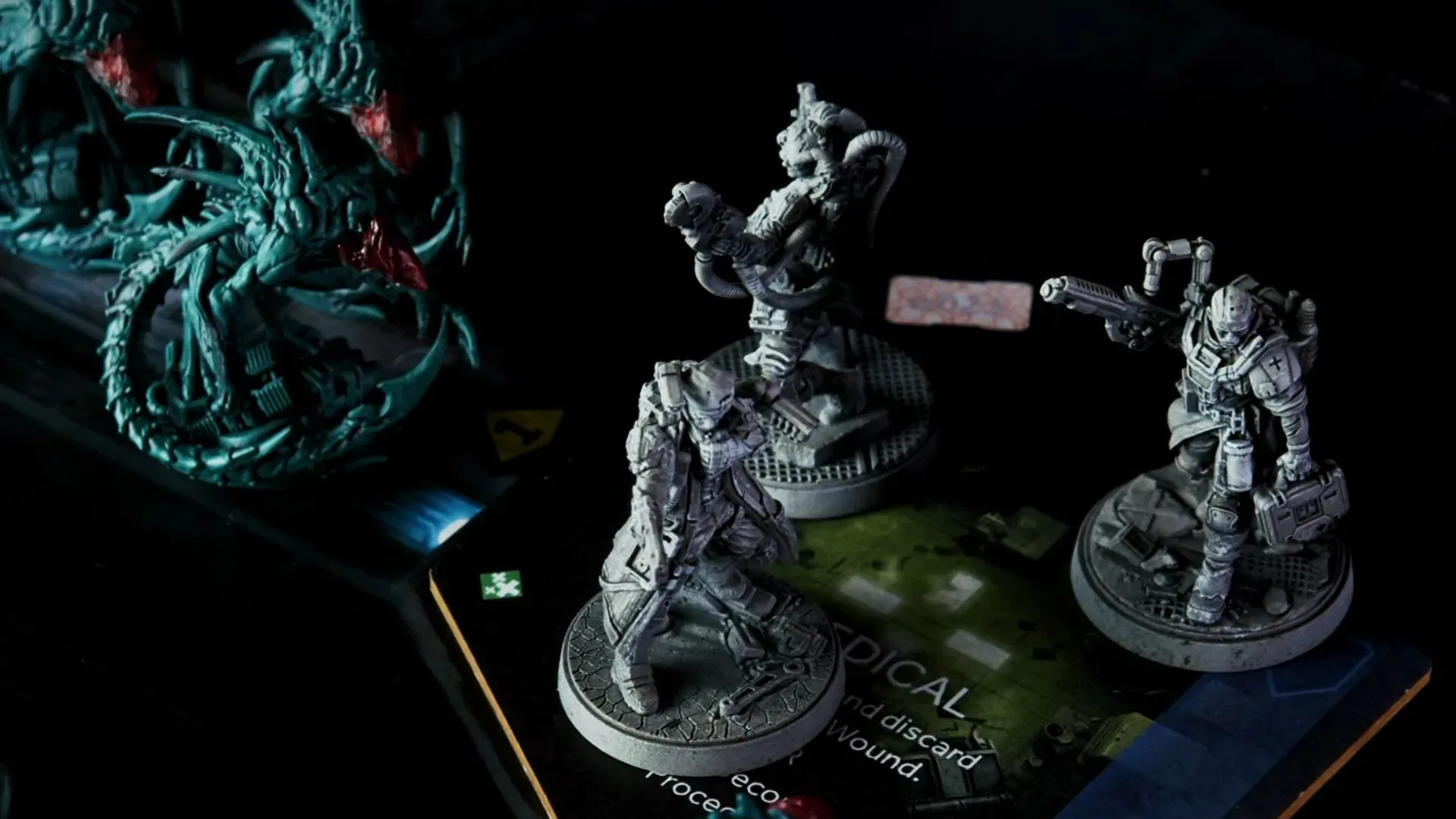
The campaign includes stretch goals, which are additional items or content unlocked once a crowdfunding total reaches specified levels. The listed examples include extra miniatures and a new alien intruder race. Miniatures are physical representations of characters or creatures used on the table; an intruder race would add another type of alien threat to the game’s horror scenario.
For fans, stretch goals can make an already familiar game line feel more expansive. For prospective backers, though, it remains useful to separate what is part of the base offer from what may be unlocked later. The campaign’s fast start makes further unlocks plausible, but they should not be treated as guaranteed until they are formally reached.
The strong response also reflects a broader appetite for tabletop crowdfunding projects with recognizable settings or established audiences. Another recent role-playing project based on The Lord of the Rings reportedly surpassed its initial target by 32 times in less than a day. These figures show how an existing community can make the opening moments of a campaign especially consequential.
Who Nemesis Legacy appears to be for
Nemesis Legacy appears aimed most directly at players who enjoy the series’ mixture of survival horror and questionable alliances, but want those moments connected into a longer narrative. The campaign structure gives room for recurring consequences, while the standalone option means a group is not forced to commit every session to a 35-plus-hour arc.
It may be particularly appealing to a stable game group that enjoys discussing outcomes between sessions and returning to an evolving shared story. A table looking for strictly frictionless cooperation should remember the series’ defining twist: other players can be allies, but they are not automatically trustworthy.
Horror fans following games across formats may also be watching the wider genre calendar, including the questions around Castlevania: Belmont’s Curse and its Switch release. Nemesis Legacy occupies a distinctly tabletop space, but its hook is similarly rooted in making an established horror identity feel dangerous again through player pressure and uncertainty.
For now, the confirmed picture is clear: Nemesis Legacy is a 21-day crowdfunding project with a 35-plus-hour branching campaign, permanent changes, standalone missions, a planned recharge pack and stretch goals including additional miniatures and an alien intruder race. The speed of its funding suggests that the question is less whether the game has captured attention, and more how far that enthusiasm will carry its unlocked content before the campaign closes.