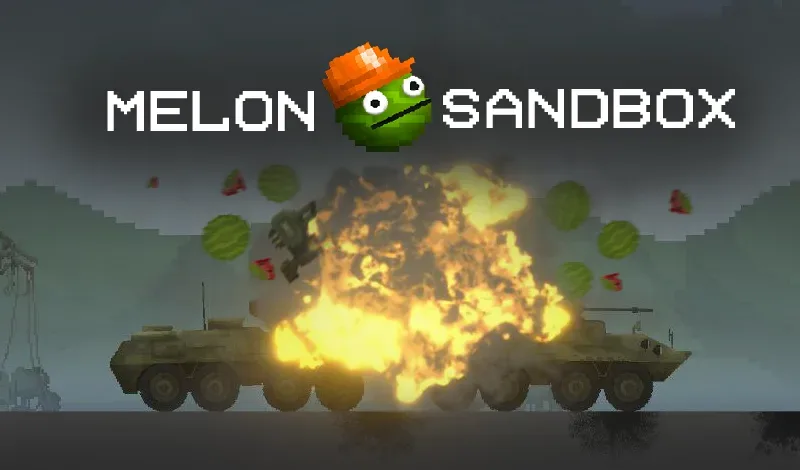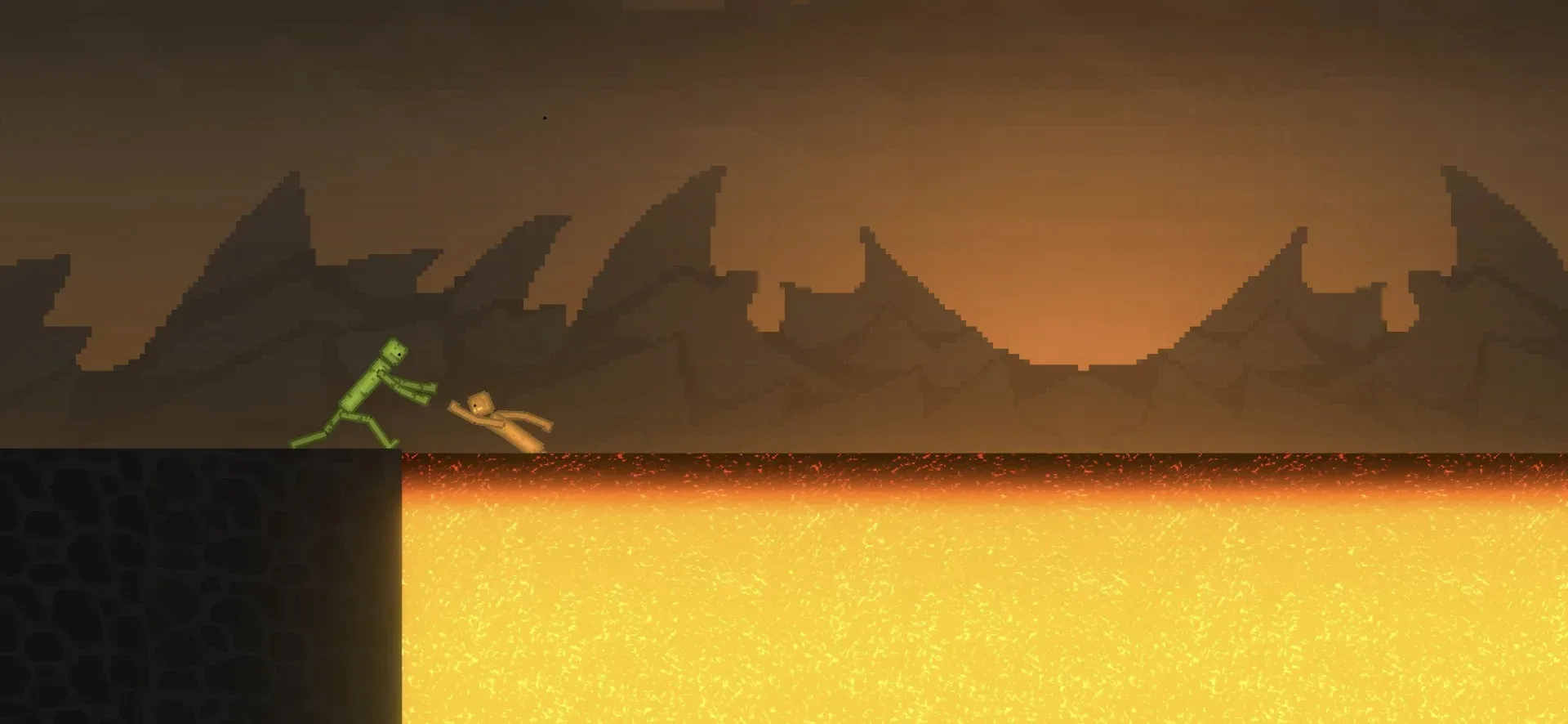
Melon Sandbox has added cooperative multiplayer, allowing up to four players to occupy the same map and interact with its physics-driven tools in real time. The update is available now for the free-to-download sandbox on iOS, Android and browser. It turns a typically individual experiment into a shared workspace: players can jointly assemble a contraption, test it against the game’s ragdolls, or simply create simultaneous mayhem with the available objects and hazards.
The core detail is the shared simulation. Melon Sandbox’s objects, ragdolls and player actions are intended to react across all participating players, rather than treating each person’s setup as an isolated build. That makes timing, positioning and the order in which devices are triggered part of a group experiment. A mechanism assembled by several people can be observed, altered and set off together in the same map.
What the new co-op mode adds
The multiplayer mode supports up to four players in one map. Its purpose is cooperative construction and physics experimentation, though the game’s open-ended toolset also leaves room for more freeform sessions. The announcement specifically highlights two sides of play: collaborating on detailed devices and conducting ragdoll experiments together.
That distinction matters in a sandbox game. There is no indication here of a prescribed four-player campaign, competitive mode, match structure or objective list. Instead, the update expands who can take part in a single physical simulation at once. One player might place components, another might prepare a vehicle or explosive, and others can watch the interaction or change the conditions around it. The resulting outcome depends on the tools selected and how the group has arranged them.
“Real-time physics” in this context means the game calculates interactions as they occur: objects can collide, move, be damaged or affected by environmental conditions while other players are present. In multiplayer, the practical appeal is not merely seeing another person in the same level. It is seeing the same chain reaction, device behavior or ragdoll outcome unfold for the whole group.
A sandbox built around objects, hazards and ragdolls
Melon Sandbox is centered on physics-based experimentation with ragdoll characters. Its toolset includes firearms, melee weapons, explosives and vehicles, alongside components players can combine into custom devices. The game describes possible effects in deliberately extreme sandbox terms, including stabbing, crushing, burning and vaporizing ragdolls.
The new multiplayer support gives that toolset a social dimension. Shared construction can make more ambitious setups easier to organize, at least in principle: participants can divide the work of placing pieces, modifying objects and triggering a sequence. It can also make simple experiments more unpredictable, because several people can affect the same scene at the same time.
The game includes varied maps and environments, with cities as well as acid pits, lava and underwater areas among those highlighted. These locations are more than scenery in a physics sandbox. They provide different settings in which to place objects, vehicles and ragdolls, and environmental hazards that can become part of a player-made experiment. The update does not specify whether every listed environment has unique multiplayer rules; it establishes that the cooperative mode operates on the game’s maps.
Related coverage includes Melon Sandbox Multiplayer Update Lets Four Players Build Chaos Together.
Lua scripting remains an important part of the creative toolkit
Multiplayer arrives after an earlier update introduced Lua scripting. Lua is a programming language commonly used to define logic and behavior in software and games. Within Melon Sandbox, players can use the Lua Chip to modify objects with code, providing an alternative to relying only on manual placement and physical connections.
For creators, scripting can be useful when a setup needs repeatable rules rather than a one-off arrangement. A coded object can potentially be shaped around a behavior or response defined by its creator, while the game’s standard tools supply the physical parts, maps and ragdolls. The available information does not detail the language’s commands, limitations or the exact types of object changes the Lua Chip supports. It does make clear that code-based modification is now part of the game’s broader creation process.
Putting cooperative play alongside scripting is a notable combination. One person can focus on logic and altered objects while others build around those pieces, test a setup or suggest changes in the same live scene. That is an interpretation of how the tools may be used rather than a promise of a formal in-game role system; the confirmed feature is that players can combine Lua-powered creation with four-person real-time collaboration.
Player-built machinery has become a recurring attraction across games that prioritize open-ended systems. For another recent example of a game placing player-made contraptions at the center of its design, see Of Peaks and Tides’ survival-crafting approach. Melon Sandbox’s focus is different: its stated tools and maps are geared toward a freeform ragdoll physics space rather than a survival-crafting loop.
The Editor and sharing economy
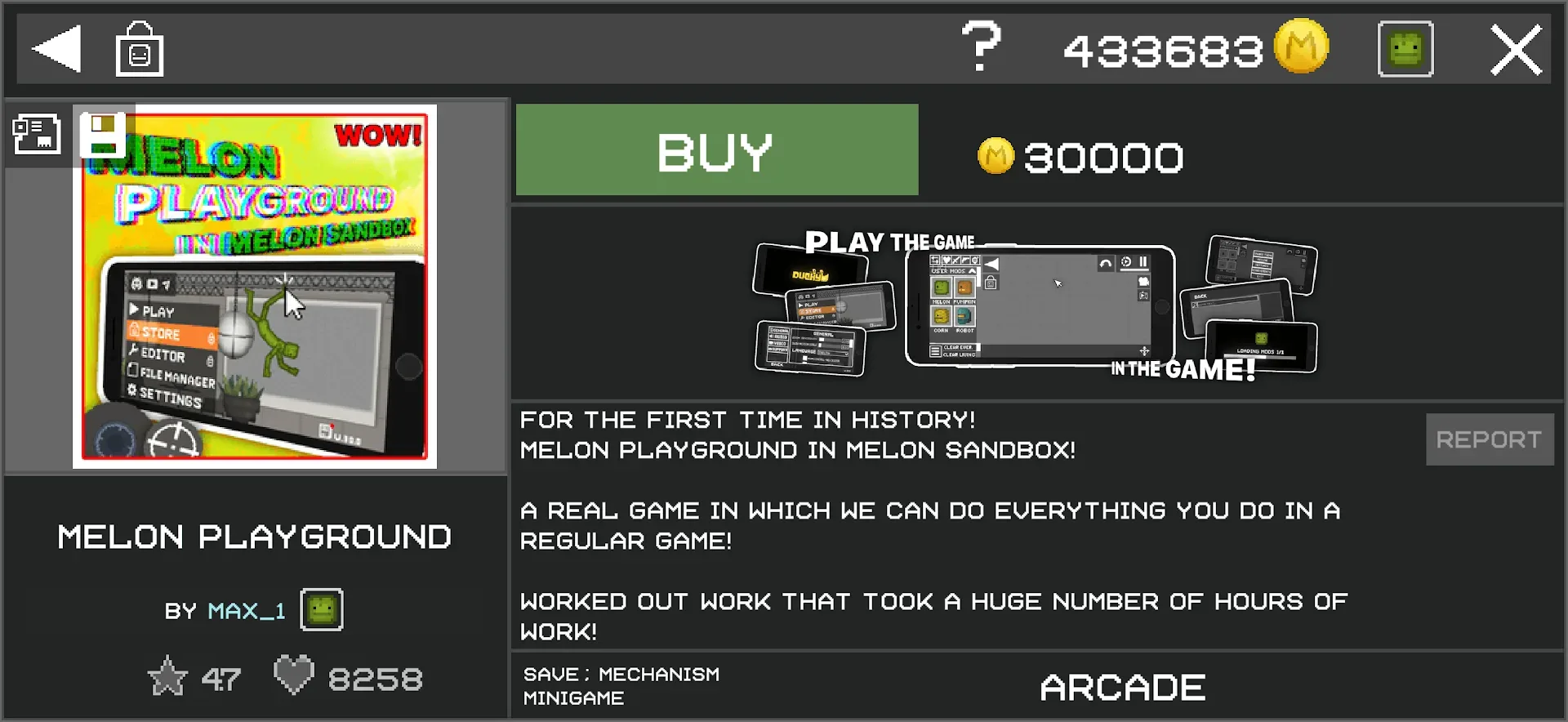
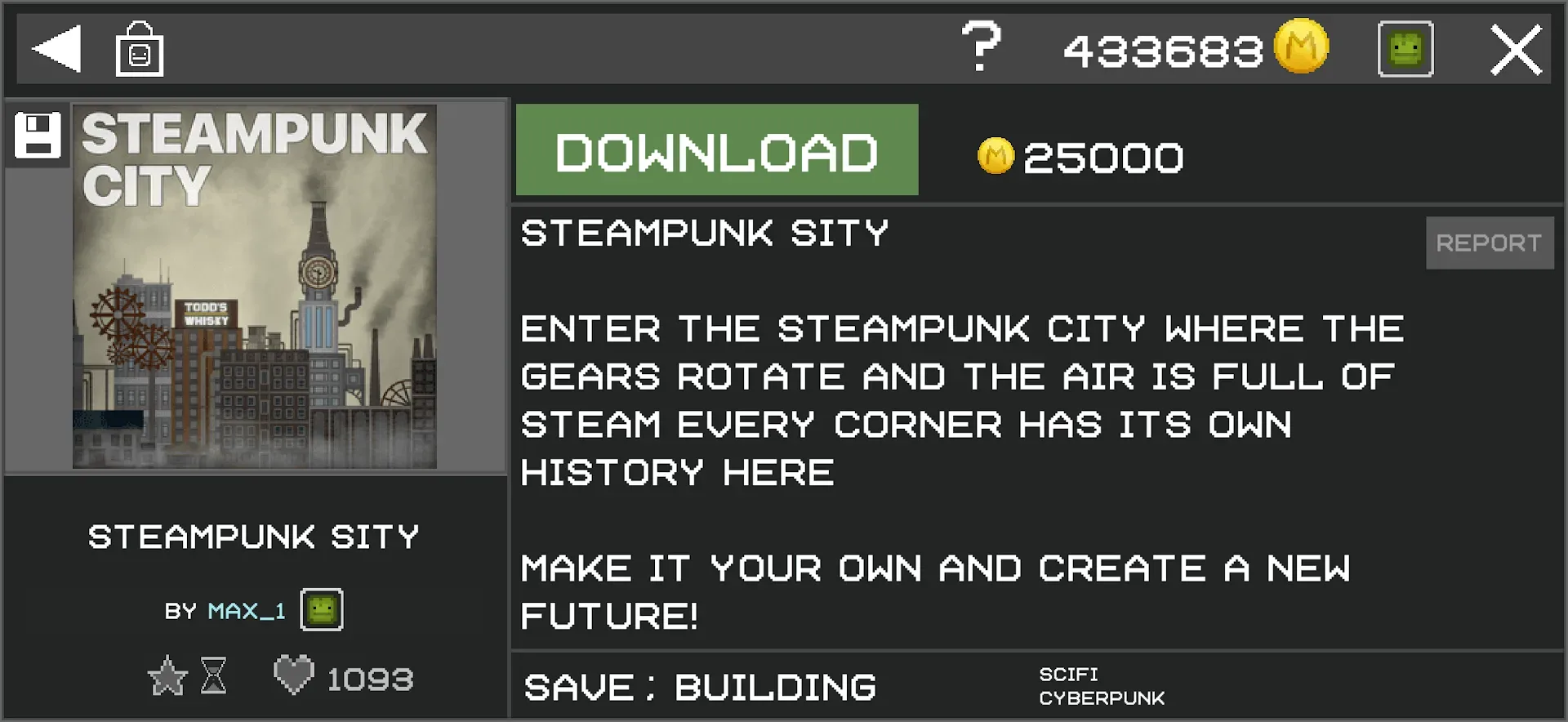
Beyond individual maps, Melon Sandbox includes an in-game Editor for user-generated creations. Players can make custom gameplay experiences, then share them with others. This is significant for multiplayer because a four-player session does not have to begin only with the game’s default materials; community-made content can provide additional scenarios and spaces for groups to explore.
Creations can be uploaded and purchased through the in-game storefront. That means the Editor is not presented solely as a private construction tool. It is also connected to a circulation system where creators can distribute their work and other players can obtain it. No further details are provided about storefront pricing, revenue arrangements, moderation, compatible creation types or how purchases work across the supported platforms, so those points remain unspecified.
For players deciding what the multiplayer update changes day to day, the clearest answer is shared authorship. A group can use the normal sandbox arsenal together, work on an elaborate device in a common map, use hazards and environments as part of a scene, and bring creations made with the Editor into the broader community ecosystem. The eventual usefulness of that ecosystem will depend on what creators choose to publish, but the infrastructure described connects making, sharing and acquiring creations inside the game.
Platforms and availability
Melon Sandbox is free to download, and the cooperative multiplayer update is currently available on iOS, Android and browser. The announcement confirms availability on those platforms but does not state whether players can form parties across platform boundaries. It also does not specify account requirements, online connection requirements, controller support, regional availability or any platform-specific differences. Players looking for those implementation details will need to check the version of the game available on their chosen platform.
What is confirmed is straightforward: sessions can include as many as four players in a single map, with real-time physics interactions shared among participants. That expands the game’s existing mix of ragdolls, weaponry, vehicles, environmental hazards, custom devices, Lua Chip modifications and Editor-made content without changing its central appeal: seeing what happens when a deliberately over-the-top set of tools meets a physics sandbox.
What to know before jumping in
- Player count: Up to four players can join the same map.
- Mode: The update is cooperative and centered on shared building and physics experimentation.
- Tools: The sandbox includes ragdolls, weapons, explosives, vehicles, hazards and custom devices.
- Scripting: The Lua Chip lets creators modify objects through code.
- Creation sharing: The in-game Editor supports custom experiences that can be shared, uploaded and purchased through the storefront.
- Platforms: The update is available now on iOS, Android and browser.
For a game designed around improvisation, the update’s most meaningful addition may be the ability to make a spectacularly questionable machine with friends—and have everyone present when somebody presses the wrong button.