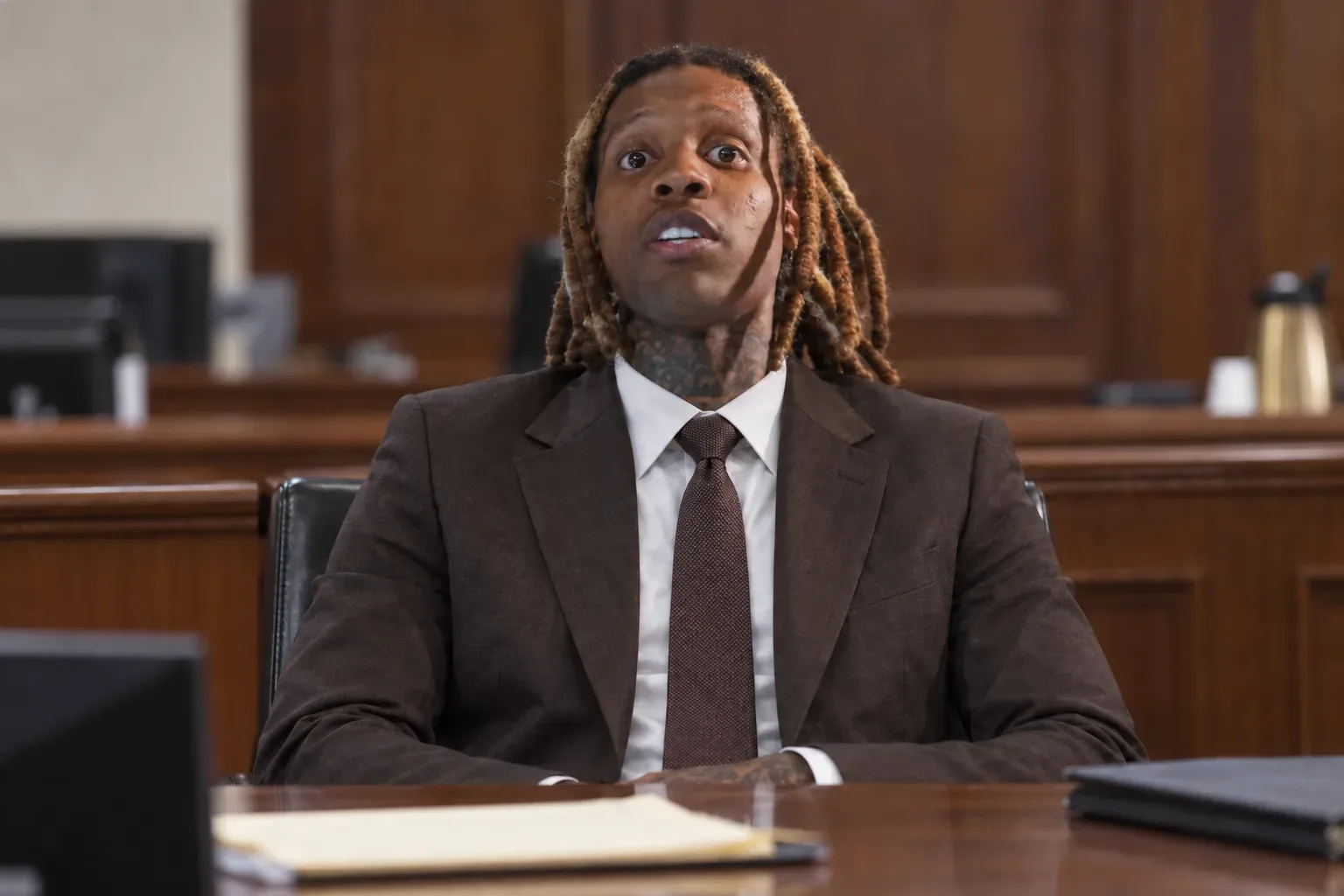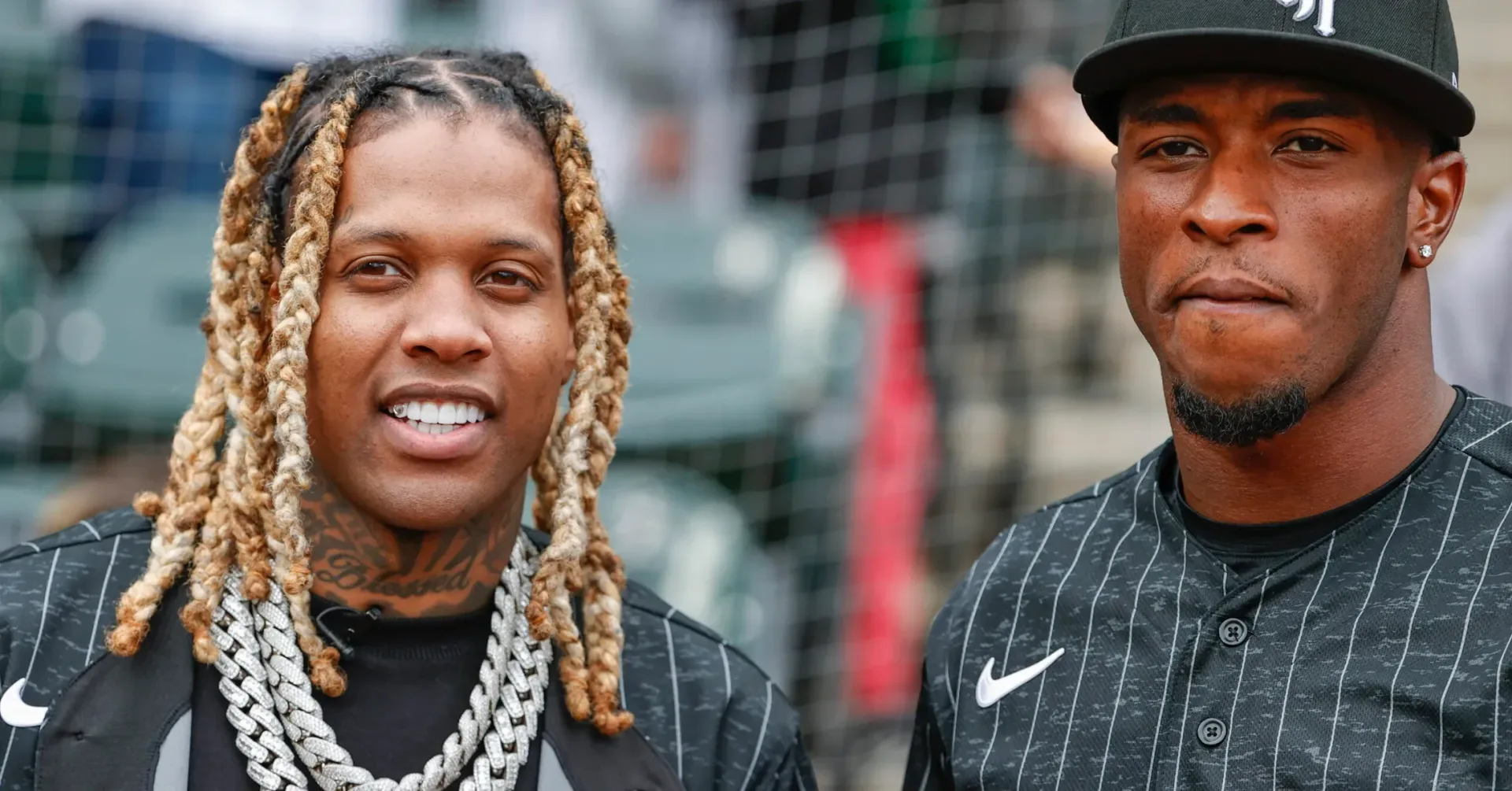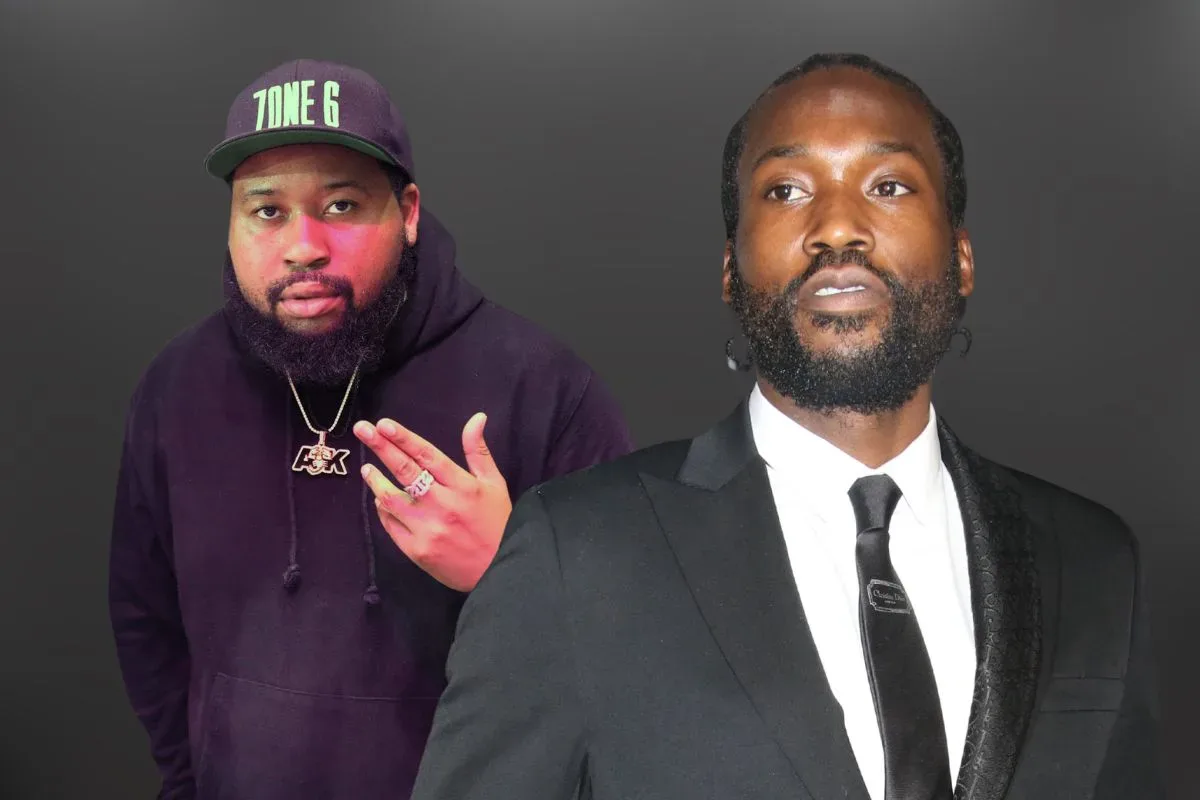
Meek Mill has reignited his long-running dispute with DJ Akademiks, using a series of September 12 social-media posts to call for a broad audience boycott and to argue that hip-hop needs more media voices created by people with direct ties to the culture.
The rapper’s comments arrived in the wake of Lil Durk’s acquittal on federal murder-for-hire counts. Meek framed the moment as an opportunity to challenge the influence of outlets and personalities he believes amplify conflict around Black artists. He specifically criticized the notion that a single commentator can “run rap,” contending instead that Akademiks operates a media business rather than controlling the culture itself.
At the center of Meek’s proposed response is Dream Chasers, the banner associated with his music career. He said he wants to make streaming a larger part of that platform, suggesting several shows or channels hosted by people he believes understand hip-hop from within. His argument was not merely that one voice should be replaced by another; it was that the ecosystem should contain a wider range of perspectives, with less reward for volatile stories and interpersonal feuds.
A boycott call paired with streaming ambitions
Meek urged followers to block, mute, and unfollow Akademiks. He described the streamer’s output as harmful and accused him of benefiting from turmoil involving artists. Those are Meek’s views and allegations; the personal claims he made in the posts have not been established as fact here.
His proposed alternative was direct: Dream Chasers should develop multiple streams featuring hosts who know the music and the community around it. The broad idea reflects a familiar tension in modern entertainment coverage. Artists increasingly have the tools to communicate without a traditional gatekeeper, whether through livestreams, podcasts, social platforms, or video channels. But that access also creates a new contest for attention, where speed, confrontation, and constant clips can dominate the conversation.
For Meek, the dispute is plainly personal as well as structural. He said he could use future streaming activity, including around an album rollout, to demonstrate what he considers a more authentic style of commentary. He also floated an in-person confrontation outside Akademiks’ home. That kind of location-focused proposal should not be encouraged or acted on; public disagreements are best kept away from private residences and handled without harassment or escalation.
The conversation follows substantial attention around Lil Durk’s federal murder-for-hire case and the verdict. Durk, whose legal name is Durk Banks, was found not guilty on those counts, though he remains in federal custody ahead of an October 5 trial involving separate racketeering and weapons allegations. The distinction matters: an acquittal in one proceeding does not resolve separate pending charges.
Why 6ix9ine remains a key part of the disagreement
Meek tied his new criticism to Akademiks’ coverage of 6ix9ine, also known as Daniel Hernandez, and to the attention surrounding Durk during his legal proceedings. The friction goes back years, and it is tangled up with one of hip-hop’s most enduring internet-era fault lines: the argument over cooperation with law enforcement, who gets a platform afterward, and whether coverage of a controversy becomes part of the controversy itself.
Hernandez cooperated with federal prosecutors in the Nine Trey racketeering case in 2020. Durk publicly called him a snitch, while 6ix9ine alleged that Durk’s label had offered millions for an engineered online conflict. Following King Von’s death in Atlanta in November 2020, 6ix9ine repeatedly taunted both Von and Durk, including on his 2021 track “ZAZA.”
More recently, 6ix9ine continued to needle Durk during the murder-for-hire trial, even talking about a possible celebration before the verdict. To Meek, the contrast between that attention and Durk fighting a serious federal case represented a deeper problem with the incentives of viral hip-hop media.
That perspective does not make the underlying question simple. Audiences often seek coverage precisely because disputes are already public, emotionally charged, and tied to major artists. Streamers and clip-driven channels respond to what people watch and share. At the same time, critics can reasonably question where coverage ends and needless amplification begins—particularly when legal cases, grief, or dangerous real-world conflicts are involved.
A feud with several previous rounds
Meek and Akademiks have a history that predates this week’s posts. In 2019, Meek objected to Akademiks continuing to promote 6ix9ine after Hernandez’s cooperation with authorities became public. Their disagreement surfaced again in 2020.
There was a brief thaw in 2022, when 21 Savage helped bring the two men into a Clubhouse conversation. That moment did not permanently close the book. The conflict resurfaced in March 2024 after Akademiks connected Meek to claims related to a civil lawsuit involving Diddy, even though Meek was not named in that filing. Meek later said he had blocked Akademiks, but the September 12 posts make clear that he now sees the issue as larger than a personal mute button.
His rhetoric is aimed at reducing the reach of a media rival while building an alternative. In business terms, that is a competition pitch: if an audience dislikes a format, it can move to another one. In cultural terms, it is a demand for ownership and editorial independence. Meek is arguing that artists and culture-connected creators should have more control over the channels that shape public narratives around them.
The complicated power of hip-hop’s clip economy
The dispute also illustrates how media power works now. A commentator does not need a television network, print magazine, or radio station to have influence. Frequent uploads, social clips, livestream reactions, and a devoted audience can make a personality a significant node in the entertainment-news network. That influence can be overstated, but it can also be meaningful, especially when a clip is reposted across platforms within minutes.
Meek’s assertion that Akademiks does not “run” hip-hop points to an important reality: no one person governs a culture as expansive as rap. Artists, fans, labels, producers, DJs, radio, promoters, journalists, streamers, and platforms all shape what rises. Yet the ability to consistently set a day’s talking points can still carry real weight.
There is also a difference between a boycott call and a viable replacement. Launching a durable media operation requires hosts, production, moderation standards, legal awareness, a schedule, audience trust, and enough financial support to remain active after the first burst of interest. A Dream Chasers streaming effort could become a notable new outlet if it develops those pieces, but Meek has not laid out a confirmed launch date, staff roster, format, or release schedule.
For now, what exists is an intention: Meek says he wants to stream more and wants Dream Chasers to create several culture-led programs. Whether that becomes a formal platform or remains a social-media challenge to a rival is unresolved.
What is known, and what remains unresolved
- Meek Mill used September 12 posts to urge people to mute or unfollow DJ Akademiks.
- He said he wants Dream Chasers to build multiple streaming voices tied closely to hip-hop culture.
- He linked his criticism to coverage of 6ix9ine and to the attention around Lil Durk’s legal situation.
- Lil Durk was acquitted on the federal murder-for-hire counts discussed in Meek’s posts.
- Durk still faces a separate October 5 trial on racketeering and weapons charges.
- Meek’s personal accusations toward Akademiks have not been treated as verified facts.
- No confirmed details have been provided for a Dream Chasers streaming launch, programming lineup, or timetable.
Beyond the personal clash, the episode presents a bigger argument over who gets to narrate hip-hop, what forms of commentary serve an audience, and whether viewers can change media incentives by choosing what not to watch. Meek has offered his answer through a boycott request and the promise of a competing voice. The next meaningful development will be whether Dream Chasers turns that promise into a clearly defined, responsibly run media project.