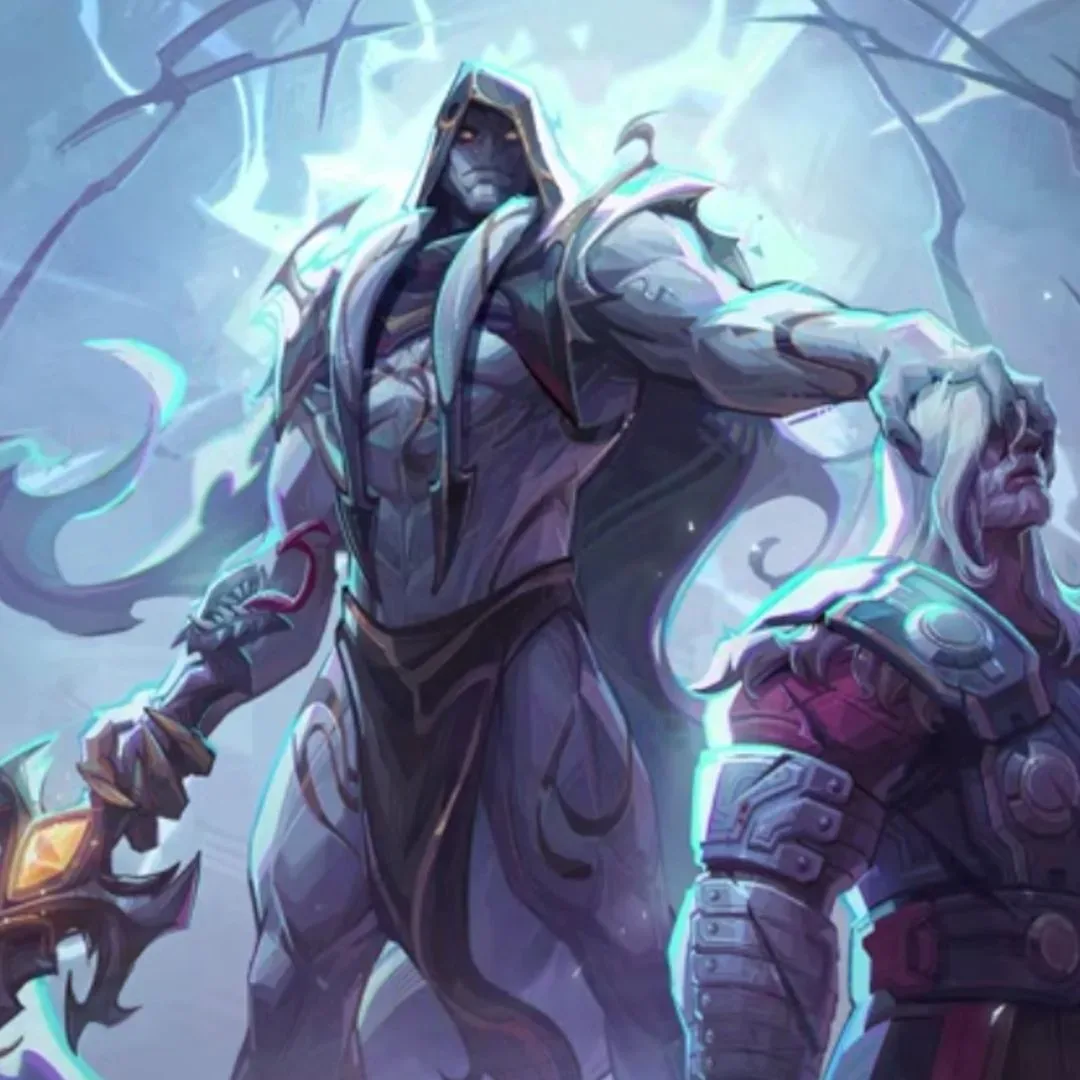
Marvel Rivals is preparing to introduce one of Thor’s most formidable enemies to its crowded super-powered battlefield. Season 10 is called Butcher’s Blasphemy, and its central arrival is Gorr the God Butcher, the Marvel villain known for pursuing gods with ruthless purpose and carrying the dangerous Necrosword.
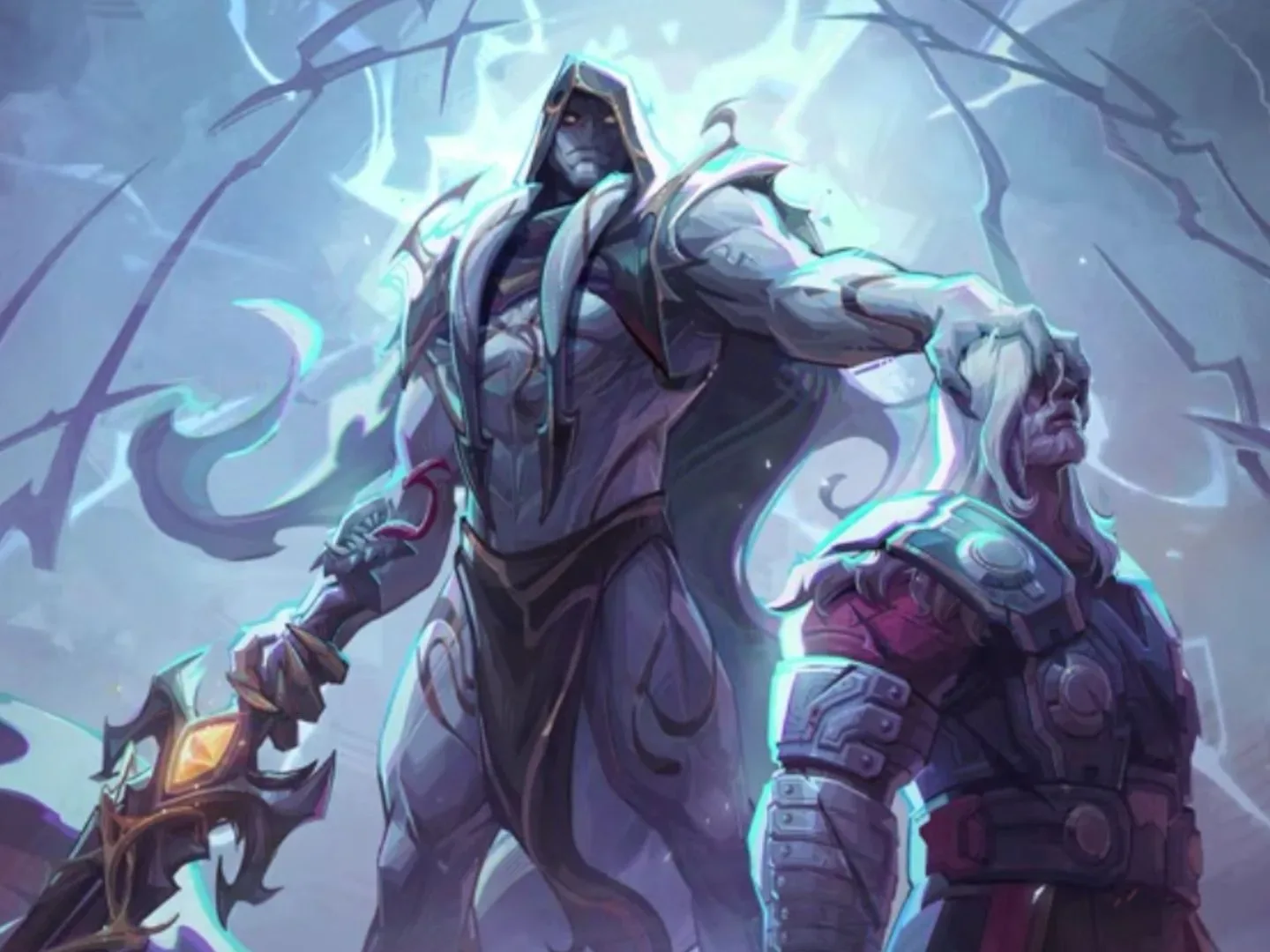
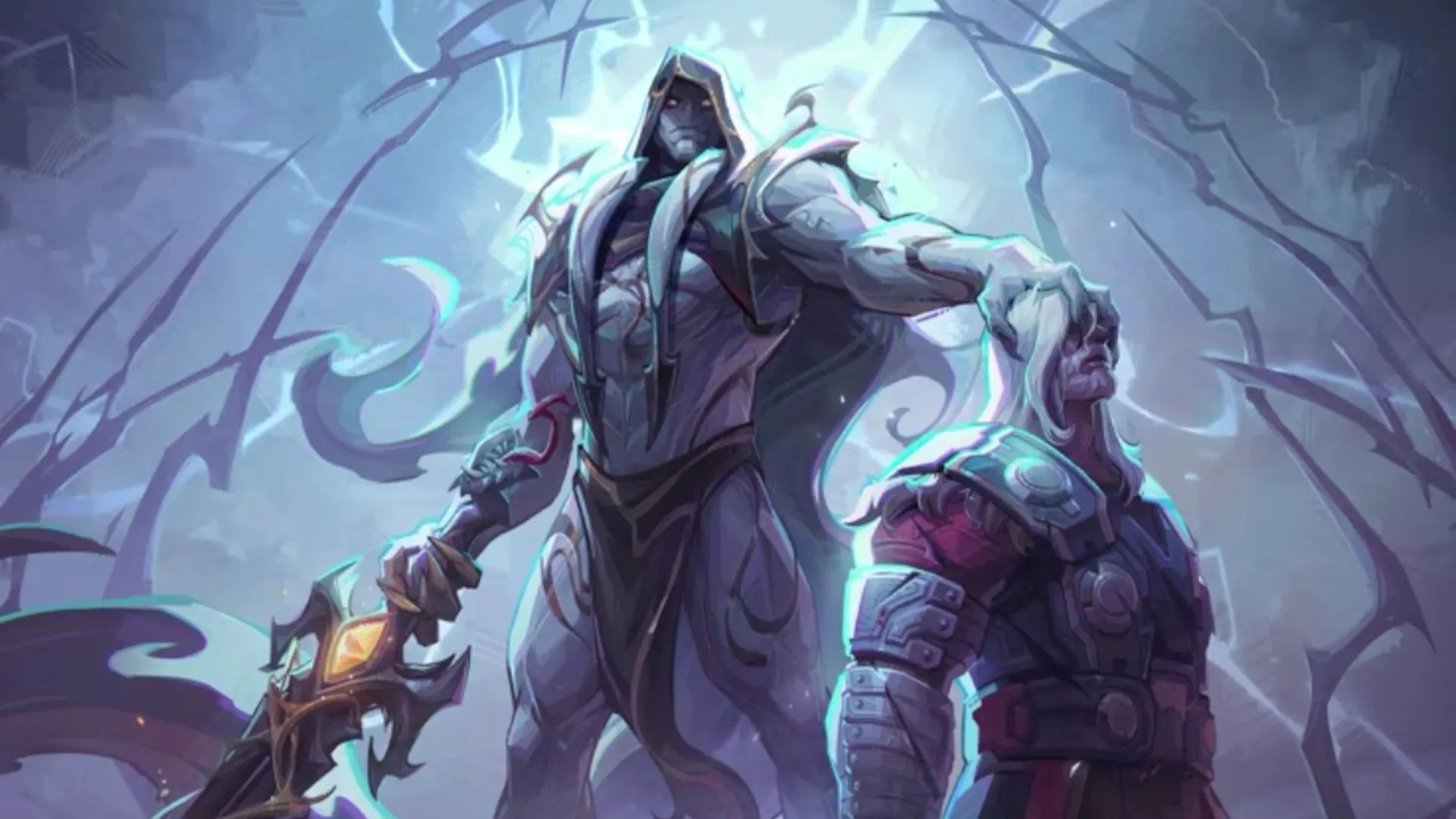
The season is set to start on September 11. Its reveal did not unfold entirely as planned, though: promotional art for the update appeared early on the PlayStation Store on September 7, giving players an advance look at the season branding and at Gorr’s distinctly grim silhouette before the official unveiling.
Now that the trailer is out, the broad premise is no longer a mystery. Gorr features in the footage through voice-over, while the title Butcher’s Blasphemy makes the season’s villain-focused direction plain. The available imagery leans hard into the character’s threatening reputation, depicting him with his sword and an incapacitated opponent in hand. For a multiplayer game built around familiar Marvel heroes and villains colliding in colorful, hectic matches, Gorr is an especially severe kind of addition.
A leak that revealed the season’s mood early
Storefront listings are often a place where planned marketing can get ahead of itself, and this was one of those occasions. Players checking the PlayStation Store encountered updated Marvel Rivals artwork before detailed information was intended to be public. The image advertised the game’s tenth season and put an unsettling new figure front and center.
That unexpected appearance established the visual tone before the formal reveal had a chance to do it. Gorr is not a character whose design quietly blends into the background. The art’s weapon, posture and captured enemy all pointed toward a darker, more brutal-looking season than a straightforward hero celebration. The later trailer confirmed the identity of the figure and the season name, transforming what had been a conspicuous storefront error into an early tease.
There is still an important distinction between what the season’s art communicates and what has actually been detailed. The material confirms that Gorr is coming to Marvel Rivals and that Season 10 begins September 11. It does not, from the information presently available, lay out his role in combat, any particular abilities, team interactions, balance changes, extra modes, rewards or a full season roadmap. Players hoping for that level of detail will need to wait for further official information rather than reading it into a suitably menacing piece of key art.
Why Gorr is such a natural Thor adversary
Gorr’s name is essentially a mission statement. He is the God Butcher, a villain whose hostility is directed at gods themselves. That makes him a contemporary foe of Thor and gives him an identity that is more focused than that of a typical power-hungry antagonist. His objective is not merely to defeat a single hero; it is deicide, the destruction of gods as a whole.
That ambition is linked to the Necrosword, the blade associated with Gorr and described as being capable of harming deities. In the context of the season artwork, the weapon matters as much as the villain holding it. A sword in superhero art can be decorative. Here, it is a major part of the character’s menace and of the long-running conflict implied by his arrival. Gorr’s symbiotic connection with the blade is also central to why he is presented as such bad news for anyone caught in his path.
Related coverage includes Marvel Rivals Season 10 Brings Gorr the God Butcher Into the Fight.
Thor has no shortage of famous opponents, but Gorr brings a particularly direct thematic challenge. Thor is a godlike hero whose mythology, identity and very name make him an obvious target for someone who wants the divine wiped out. The matchup has built-in stakes even before Marvel Rivals spells out how it will be framed within the game’s own multiplayer setting.
The timing also gives Marvel Rivals a recognizable villain around which to shape its season presentation. Games with long-running seasonal structures need themes that can instantly communicate a fresh chapter. Butcher’s Blasphemy does exactly that: it connects a memorable character name, a hostile worldview and ominous imagery into a clear package without needing a long explanation.
MCU viewers may recognize him already
Even players who do not follow Marvel comics closely may know Gorr from the Marvel Cinematic Universe. Christian Bale portrayed the character in Thor: Love and Thunder. That appearance brought Gorr’s anti-god crusade to a much wider audience and makes this Marvel Rivals addition easier to place for people whose familiarity with Thor comes principally from the films.
The game’s take should not be reduced to that screen association, however. The immediate announcement is about Gorr entering the hero shooter, with the Necrosword, grim visual framing and Season 10’s title doing much of the work to introduce his threat. The trailer’s voice-over helps establish that he is not simply passing through as a background reference. He is the defining face of this particular season.
There is a useful contrast in the character’s appeal. The name “God Butcher” is blunt enough to communicate the danger immediately, while the specifics behind it—the god-killing goal and the relationship with the Necrosword—provide the Marvel lore that gives the threat weight. That combination makes Gorr legible to newcomers and meaningful to fans who already understand why Thor’s world becomes more stressful when he is around.
A significant moment for Marvel Rivals
Season 10 arrives with Marvel Rivals still establishing its place among major multiplayer shooters. It has not surpassed Overwatch in the comparative player-stat conversation referenced around the game, but Disney has said Marvel Rivals has attracted 40 million players worldwide. That is a substantial audience for a game that now has enough seasonal history to be reaching a tenth named chapter.
The number is worth treating carefully: “attracted 40 million players worldwide” describes the figure Disney has put forward, rather than providing a direct one-to-one comparison with another game’s active population or engagement measurements. Still, it indicates a broad reach and explains why a character as recognizable and visually forceful as Gorr can be used to headline the new season.
Marvel Rivals also occupies an interesting part of the wider games-news cycle. Major franchise updates compete for attention with entirely different kinds of projects, from blockbuster multiplayer seasons to smaller, stranger experiments such as 1666: Amsterdam’s early-access sandbox of witchcraft, cat possession and stealth sleuthing. Gorr’s reveal is a reminder that a strong character hook remains one of the clearest ways for a live-service game to cut through that noise.
What the reveal does—and does not—promise
The confirmed facts make for a clear short list:
- Marvel Rivals Season 10 is titled Butcher’s Blasphemy.
- Gorr the God Butcher is coming to the game.
- The season begins September 11.
- Key art appeared on the PlayStation Store ahead of the planned reveal.
- The officially released trailer includes Gorr voice-over.
Beyond that, the most sensible expectation is atmosphere rather than a specific gameplay prediction. Gorr’s presence, sword and stated hatred of gods all signal a season built around violent mythic conflict. But neither a gruesome visual nor an ominous subtitle is a substitute for a full breakdown of playable content. Until more is revealed, it is better to view the trailer and leaked artwork as a strong statement of tone, not a definitive guide to every change arriving with Season 10.
What is already certain is that Marvel Rivals has chosen a villain who carries instant stakes. Gorr does not need much introduction once his target is understood: Thor and every other god in his orbit have reason to worry. On September 11, Butcher’s Blasphemy will bring that threat into the game’s ongoing superhero clash.