Blade Runner 2049 story spoilers follow.
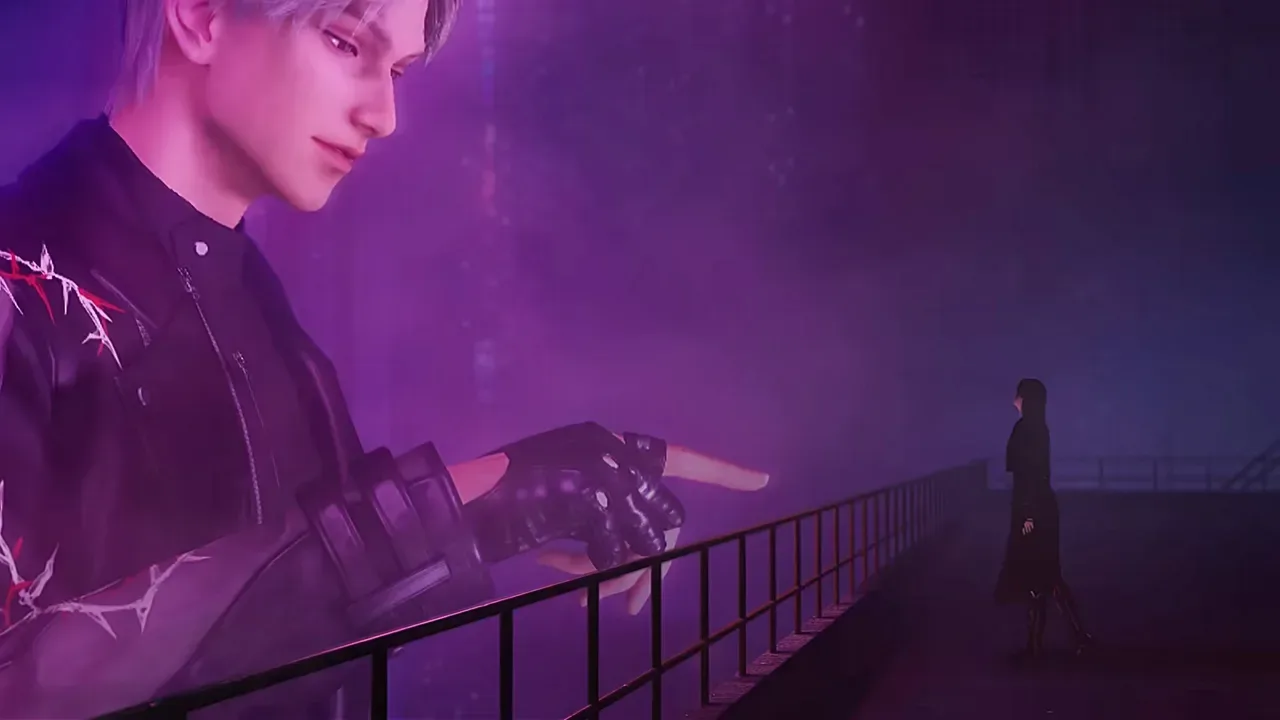
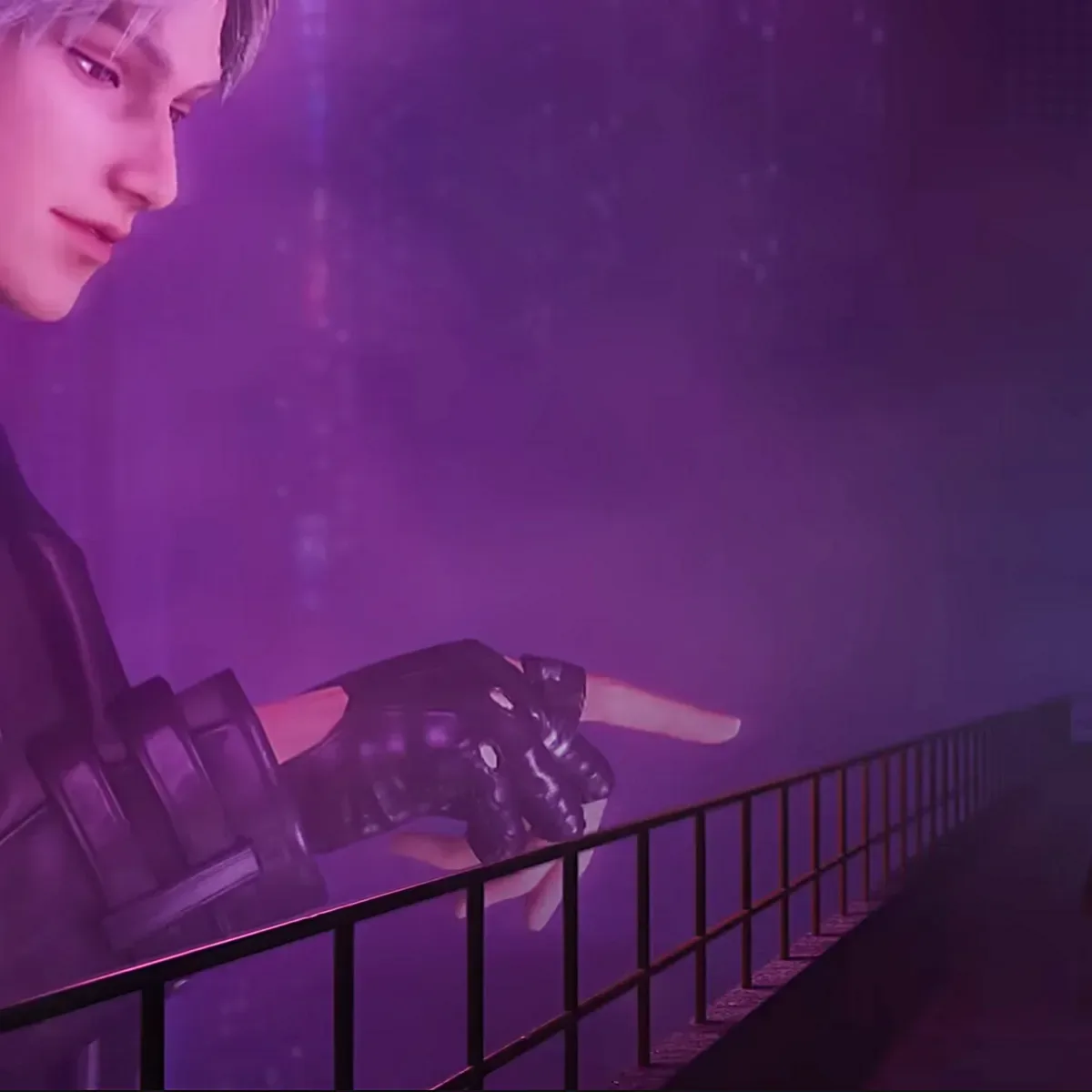
Love and Deepspace has begun a Blade Runner 2049 crossover event that runs from October 19 through November 5. The event brings free in-game rewards inspired by the film into the romance-focused game, but much of the community conversation has centered on a more difficult association: the earlier cancellation of the promised love interest Valko.
For players who had followed Valko’s short-lived introduction, the collaboration’s connection to artificial companionship and loss has landed as more than a straightforward sci-fi tie-in. The central comparison concerns Joi, the AI companion in Blade Runner 2049, and the way her story intersects with K’s. Fans have drawn parallels between that arc and Valko’s removal from Love and Deepspace shortly after he was revealed.
The result is a crossover that can be read in two ways at once. On its own terms, it is a limited-time event offering themed rewards. In the context of the game’s recent character controversy, it has also become a reminder of a character many players feel was taken away before his role could properly begin.
Why Joi has become central to the discussion
In Blade Runner 2049, K has a romantic relationship with Joi, an AI companion portrayed by Ana de Armas. Joi can accompany K outside his home through an “emanator,” a portable device that lets her travel with him. When that device is destroyed, K loses her.
That detail is the source of the uncomfortable resonance players are discussing. Valko was positioned as Love and Deepspace’s sixth love interest, but developer Infold canceled the character one week after revealing him, following controversy involving the character. Players had already begun to attach meaning and anticipation to the prospect of his eventual place in the game.
There is an important distinction here. Joi is a character within a completed film narrative, while Valko’s situation concerns a planned game character whose path was cut short outside the story itself. The similarity fans are pointing to is not that the two are literally the same type of character or that their circumstances are identical. It is the emotional shape of absence: an anticipated or valued companion is suddenly no longer available.
That makes the reference particularly pointed in a romance game. A love interest is not simply a cosmetic addition to a character roster. In an otome game—a genre built around romantic stories and relationships—individual characters are a central part of the experience players are being invited to follow. Removing one after a reveal can therefore affect players differently from a change to a weapon, outfit, or gameplay mode.
Related coverage includes Love and Deepspace Blade Runner Event Revives Valko Debate.
Valko’s concept seemed suited to Blade Runner’s world
Fans have also argued that the collaboration feels like it could have been a natural fit for Valko. He was described as a tech CEO and hacker, a profile that appears closer to the technological and futuristic ideas associated with Blade Runner 2049 than the game’s ordinary romantic setting might suggest.
That is an interpretation from the community, not confirmation that Valko was ever intended to appear in this event. No such connection has been established. Still, it explains why the crossover has revived conversation rather than simply becoming another themed in-game promotion.
Crossovers often function by placing familiar game characters beside a recognizable visual or narrative language from another property. Here, the film’s themes include technology, AI companionship, identity, and intimacy. A character framed as a hacker and technology executive would have offered an obvious point of thematic overlap, at least from the perspective of fans imagining what might have been.
Instead, the tie-in’s strongest public association has become its contrast with Valko’s absence. That reaction demonstrates how thoroughly a canceled character can remain part of a game’s community narrative even without receiving the full in-game presence originally expected.
What “AI companion” means in this crossover conversation
The phrase “AI companion” can mean very different things depending on the context. In Blade Runner 2049, Joi is a fictional artificial-intelligence character within the film’s world and a key part of K’s emotional life. The discussion around the crossover is about that fictional story relationship, not about generative-AI tools or the real-world use of AI to make games.
That distinction matters because the word “AI” now carries many separate debates: creative rights, voice replication, discovery labels, automation, and player trust among them. Those are different issues from a film narrative about a simulated companion. For readers interested in the wider industry conversation around AI transparency, players have also been calling for clearer AI disclosure tools on game storefronts.
In the case of this event, however, the more immediate issue is storytelling and player attachment. Joi’s fate gives players a ready-made language for talking about sudden loss. Valko’s cancellation supplies the real community context that makes the comparison meaningful.
Player support has continued beyond the cancellation
Valko’s supporters have kept the campaign visible through social media posts, in-person event activity, boycotts, petitions, and charitable efforts made in the character’s name. Those efforts have included donations to wolf sanctuaries, forest sponsorships, billboards featuring Valko, and memorials.
That range is notable because it moves beyond standard online fandom responses. Petitions and social posts seek visibility and demonstrate demand, while charitable projects turn a shared fan cause into something with consequences outside the game. Memorials and billboards, meanwhile, treat the canceled character as a communal symbol rather than a brief marketing beat.
None of those activities establishes that Valko will return. They do show that player support has persisted after the cancellation, and that the character’s removal has retained emotional weight within parts of the community. The Blade Runner event has brought that feeling to the foreground again because it deals in a similar sense of connection, technology, and impermanence.
No confirmed change to Valko’s status
Infold has not made an official comment about Valko since the initial cancellation. As a result, there is no confirmed reversal, revival plan, event appearance, or explanation beyond what accompanied that earlier decision.
That absence of an update is the practical point for players to keep in mind. The current crossover should not be treated as evidence that Valko is coming back, even if fans see thematic room for him in it. Community hope and thematic compatibility are not the same thing as an announced plan.
At present, the confirmed part is narrower: Love and Deepspace has a Blade Runner 2049-inspired special event available until November 5, and it includes free in-game rewards connected to the film. The collaboration also arrives ahead of Blade Runner 2099, which is set to launch on Amazon Prime on November 25, making the timing look consistent with broader promotion for the franchise.
For Valko supporters, though, the event carries a second meaning that is difficult to separate from the rewards. A crossover built around an AI companion’s loss has inadvertently—or at least unavoidably—revisited a wound that many players feel has never received a follow-up. Until there is a new official statement, the event remains both a film-inspired celebration and another focal point for the ongoing request to see Valko return.