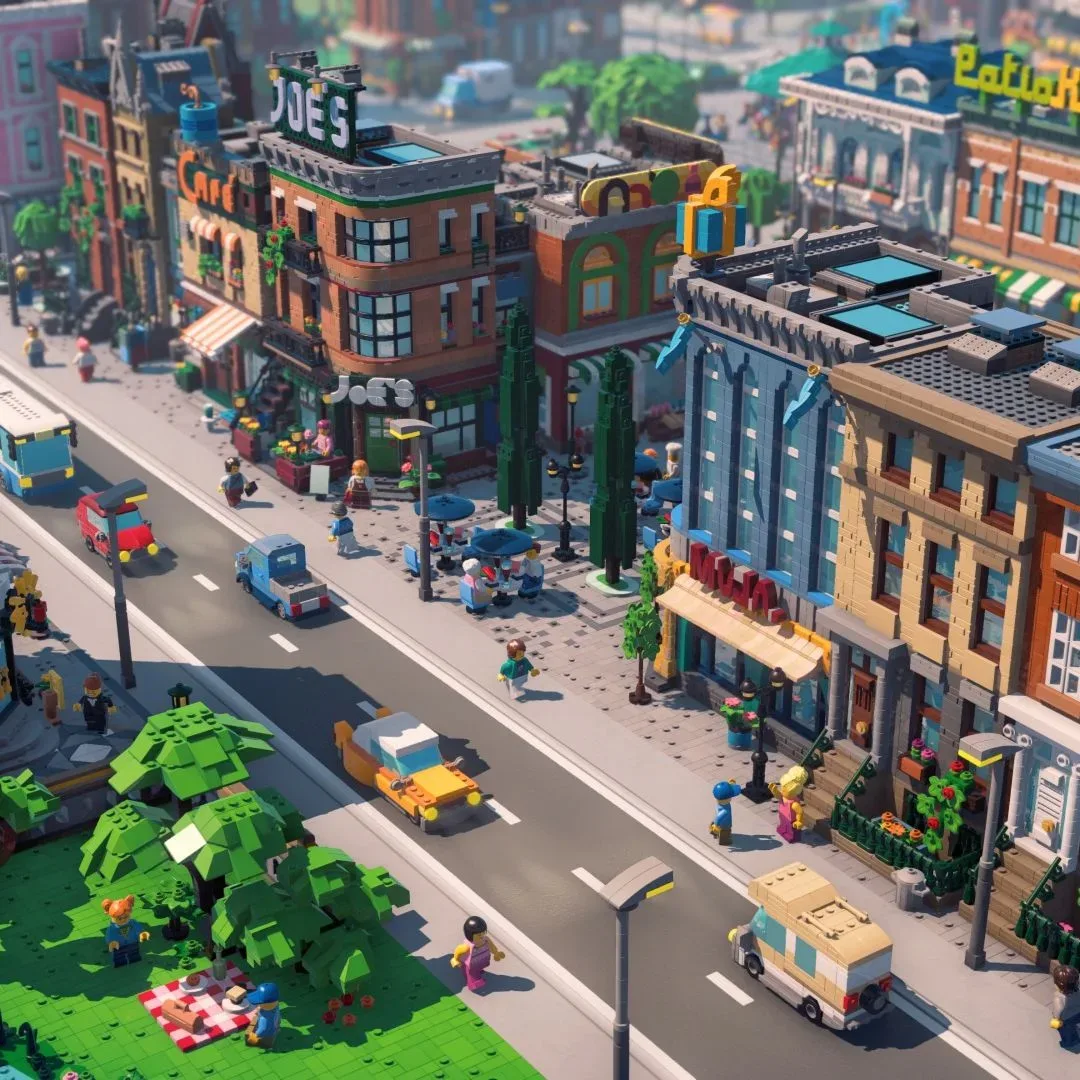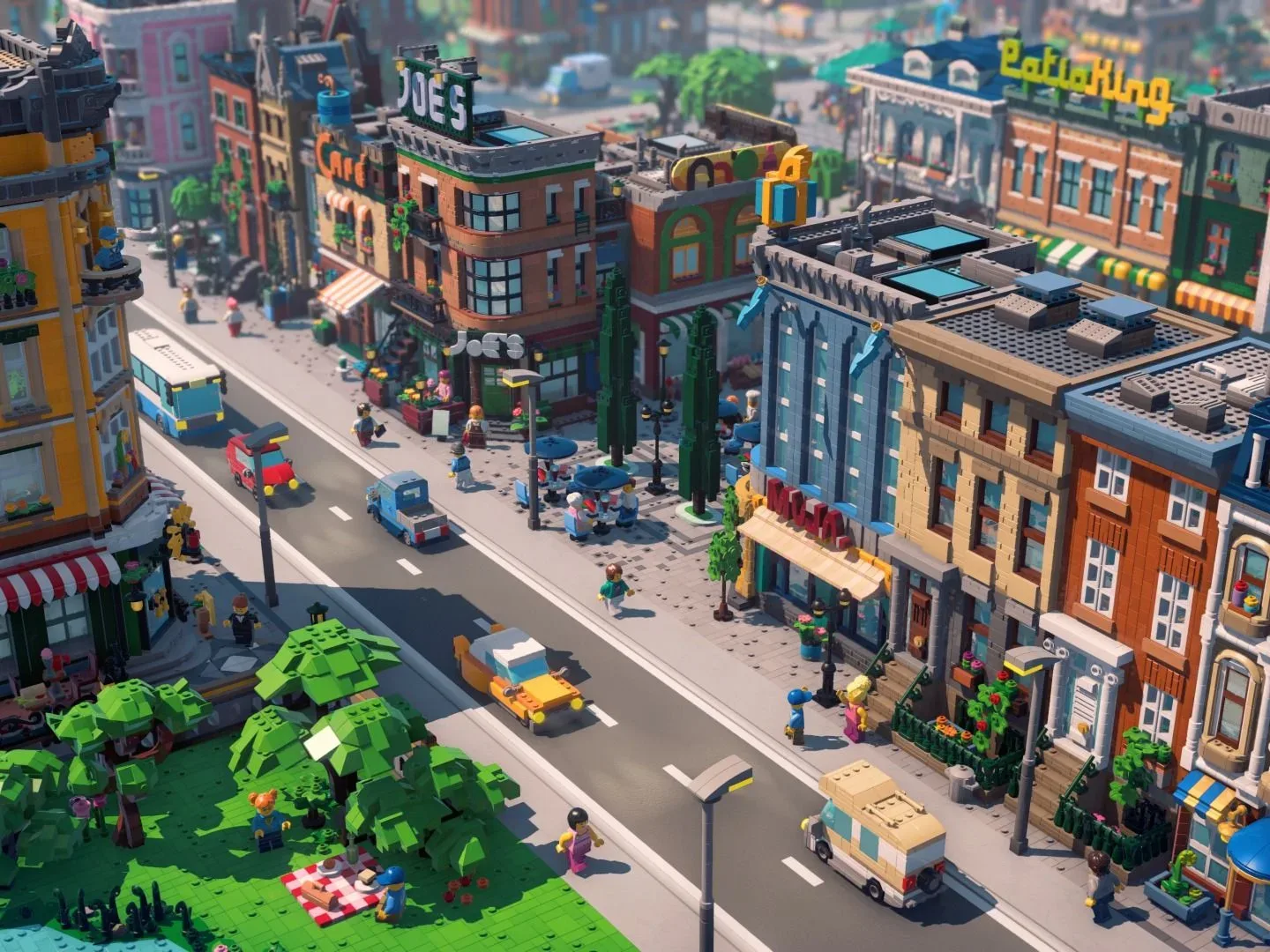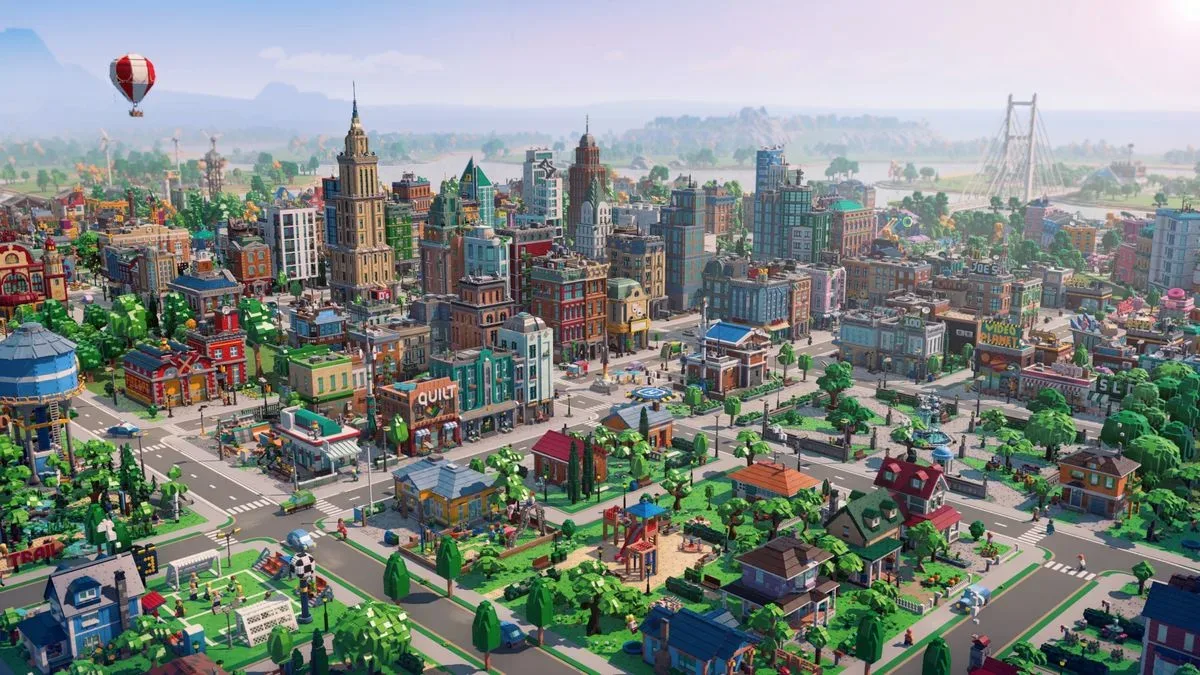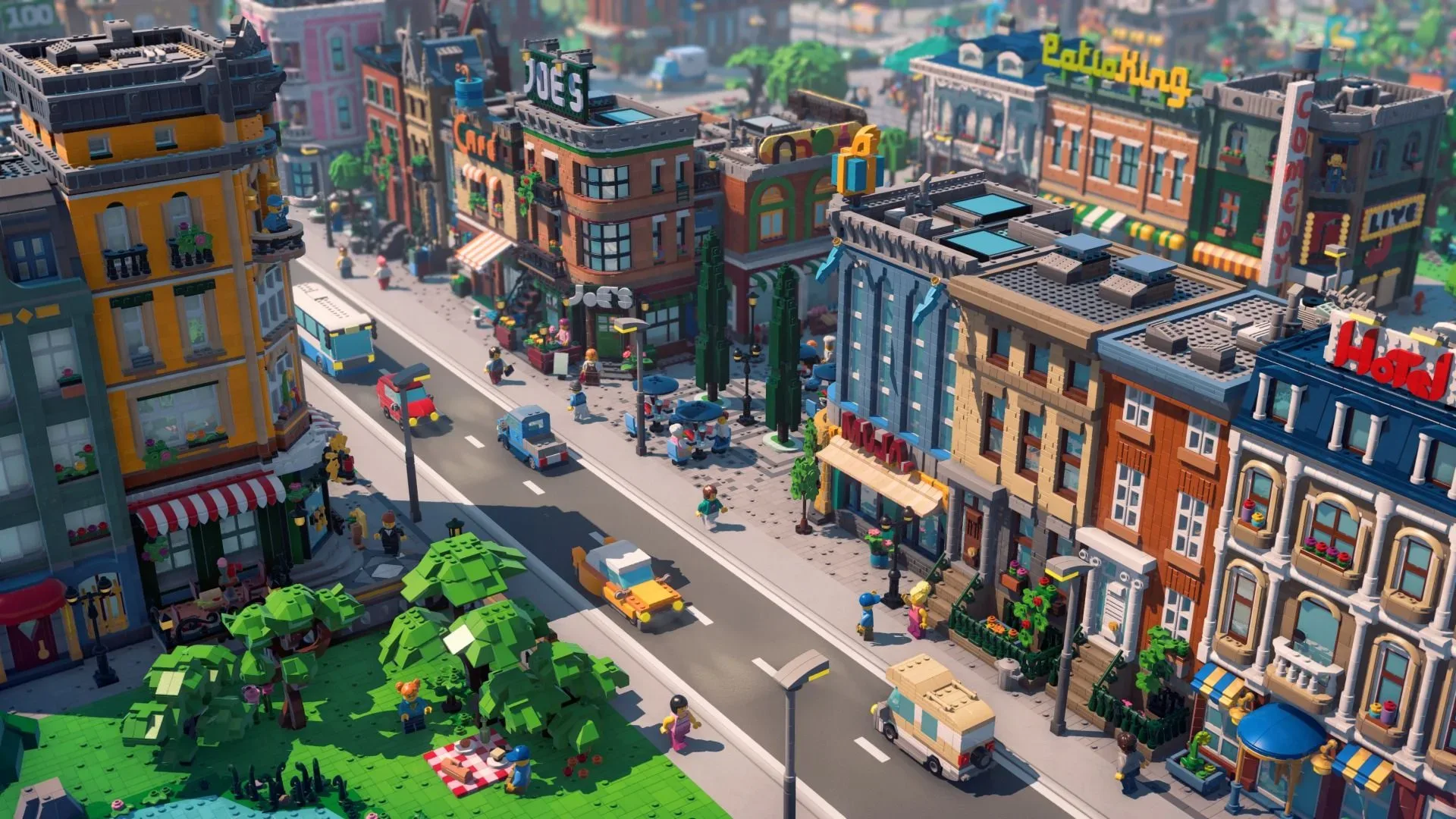
Lego Skylines is taking the familiar pressure of urban planning—water, power, roads, public services and residents with expectations—and placing it on a giant plastic-brick play table. The result, based on details from an early playable build, sounds less like a simplified licensed diversion and more like a full city-management game that happens to let its players give a sewage facility a little extra personality.
That distinction matters. Lego’s cheerful visual language can make even a towering administrative headache look like a Saturday-afternoon craft project. Lego Skylines appears determined to use that charm without abandoning the systems that give the city-builder genre its staying power. Players will have to look after utilities, education, emergency response and wider city growth, while also considering what individual minifigs want from their homes and neighborhoods.
The game is being made by Iceflake Studios, the team now overseeing Cities: Skylines 2. It has been announced for PC, PlayStation 5, Xbox Series X and Switch 2. A release date—and even a release window—has not been confirmed.
A city builder that starts at the backyard gate
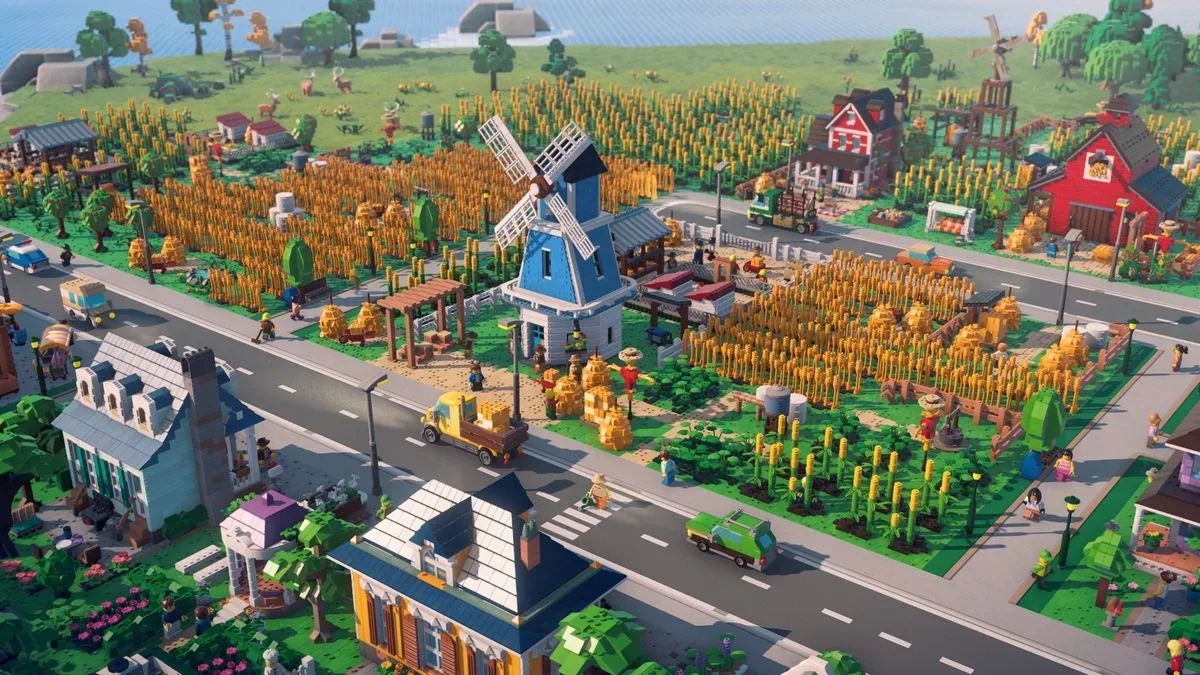
One of the clearest signs of Lego Skylines’ intended identity is its scale-shifting approach. The early-game material centers on helping a family turn a largely deserted island into a rural settlement. Rather than beginning only with sweeping zoning decisions and traffic grids, the work begins with a home and the appearance of the space around it.
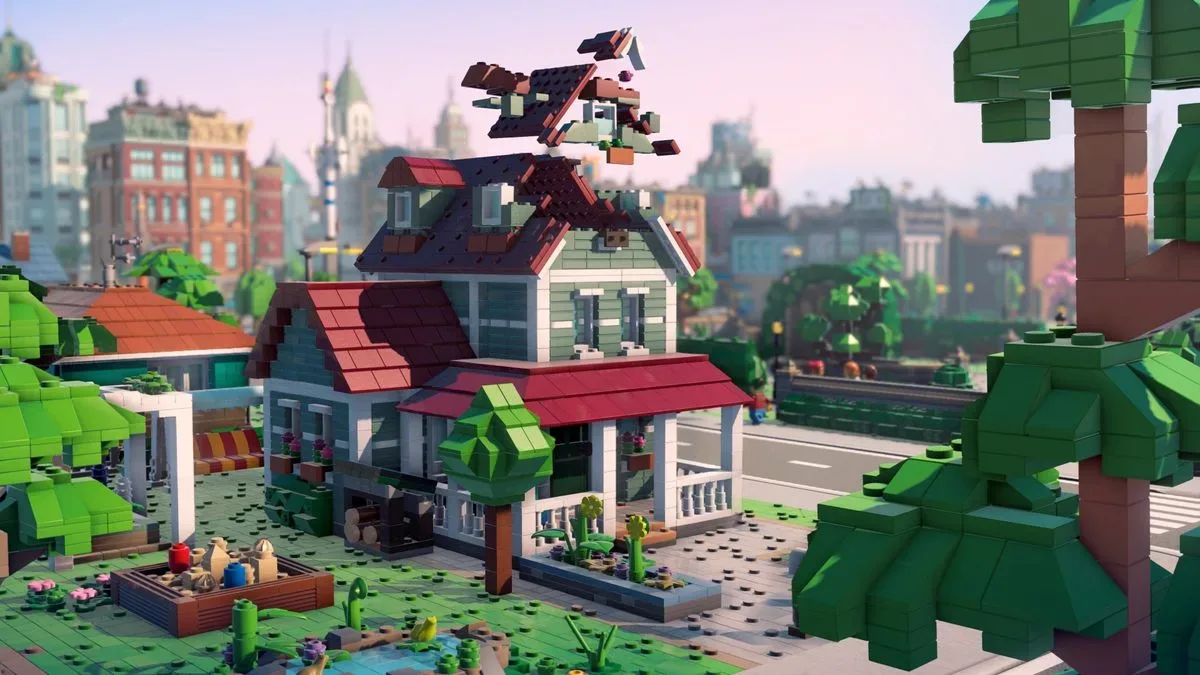
Homes can be selected in different styles, and the game includes modular customization rather than a complete brick-by-brick construction system. That means this is not being positioned as a digital tub of loose pieces where every wall must be assembled from scratch. Instead, it seems to offer structured building tools that leave room for a player to establish a distinct look across the town.
At an even closer level, yards can be altered. Fences, vegetable patches, plants and other details can be rearranged to make room for options such as patio furniture and a barbecue. It is a notable design choice for a genre that often treats a residence as a statistical unit: build it, connect it to services, wait for the population number to increase. Lego Skylines appears to want the house itself to remain a place worth inspecting.
That should be welcome news for players who enjoy giving their settlements character but do not necessarily want the demands of a full construction sandbox. The game’s modular approach may occupy a useful middle ground: more direct aesthetic control than a traditional city builder commonly offers, but without requiring the painstaking precision of designing every structure one tiny brick at a time.
Minifigs are meant to have wants, not merely commutes
The human—or rather, minifig—dimension is central to the concept. Individual residents can issue personal requests, making satisfaction more specific than keeping a broad happiness meter above water. Examples from the early build include creating an isolated forest cabin for a resident in search of peace and ensuring that a town has sufficient flowers for another.
Neighborhood decoration is also tied to household preferences. Residents may favor a natural setting, for instance, which can be supported by flowers and foliage. Other items can push an area toward playful, cozy or rural-farmyard moods. Play equipment is among the kinds of objects that can add variety, while the Lego setting gives the developers plenty of latitude to make new unlocks feel like toys being tipped from a freshly opened box.
This is a potentially smart answer to a common city-builder problem. On a large map, the population can become abstract: thousands of people might be happy, unhappy or stuck in a traffic jam, but few are memorable. By tying some desires to individual homes and visible decorative choices, Lego Skylines could make a town feel less like a spreadsheet that occasionally catches fire and more like a collection of places with residents attached.
It also provides a reason to care about areas that are not strictly efficient. A carefully decorated green space or a neighborhood that makes a minifig feel at home may not solve a power shortage, but it can give the city an identity. For anyone who has spent an unreasonable amount of time positioning a park bench in another builder, that is an entirely respectable civic priority.
For a different kind of social gaming ritual, the etiquette of sharing a screen—and occasionally a controller—is covered in The Unwritten Rules of Couch Multiplayer, Now Written Down. Lego Skylines is a single-player planning proposition at this stage, but its toy-box appeal seems well suited to the time-honored tradition of someone nearby offering unrequested advice about where a road should go.
Facilities can grow without becoming visually anonymous
Customization does not stop at private property. Larger civic and industrial buildings can receive modules that alter their capabilities and presentation. Farms, universities and even sewage works are among the facilities mentioned as supporting add-ons. These modules provide upgrades or perks while changing the look of the structure.
That could give players a meaningful alternative to a uniform cityscape filled with near-identical service buildings. In many management games, a crucial facility is placed once and thereafter fades into the background unless it stops functioning. Lego Skylines’ approach suggests that core infrastructure can become a visible part of the creative process as well.
There is a comic elegance to treating wastewater management as an opportunity for visual flair, but it fits Lego. The brand has long made room for elaborate details in places where no reasonable person would expect them. If a player must build a sewage plant to keep a settlement healthy, there is no obvious reason it should not also look like someone cared about it. Civilization is built on sanitation, planning and an optional decorative attachment.
The serious systems are still in the bricks
Behind the bright colors, the “Skylines” half of the name is not decorative. The city will still need functional infrastructure. Water and electricity are part of the management puzzle, alongside emergency services and education. Keeping each system balanced is expected to remain a sustained responsibility rather than a brief tutorial hurdle.
Road building is another major part of the presentation. The game is designed to emphasize Lego’s physical qualities, with roads appearing through a steamroller-like process and vehicles visually transforming from brick constructions as they enter daily use. Cars and residents are meant to make the city feel animated, not just represented by charts and icons.
The combination of macro planning and close-up customization is where Lego Skylines could distinguish itself. A player can zoom out to consider the demands of an entire urban network, then return to a plot of land to refine plants, furniture or a resident’s preferred atmosphere. Neither layer appears to replace the other. The ambition is to make a city that functions well and also rewards looking at it.
A later-stage city shown in the playable material included minifigs using leisure spaces such as a skate park and tennis courts. Those scenes underline a particularly important priority: leisure, beauty and the way residents use a city are being given more attention than simple industrial expansion. A successful settlement is not just one where the pipes work. It is one where a plastic citizen might plausibly spend an afternoon attempting a kickflip.
What remains unknown before release
There is plenty that has not been detailed. No release date is available, so it is not possible to say when prospective master builders will get to put these systems into practice. The exact depth of the economic model, the scope of maps, the range of building modules and the long-term unlock structure are likewise not fully established.
There is also no confirmed outline for possible brand crossovers, though the format plainly offers room for additional Lego-themed items in the future. At present, that possibility should be treated as potential rather than a promise. The confirmed picture is a city builder with modular structures, personal resident requests, decorative planning and the expected necessities of running a growing settlement.
Its platform list is broad: PC, PS5, Xbox Series X and Switch 2 are all named. That makes Lego Skylines an especially notable addition for players who want a management game outside the PC-only lane, although the eventual feature parity and timing across platforms have not been specified.
There is a collecting instinct at work in the appeal of a Lego city: the urge to arrange pieces, preserve a coherent theme and still have everything ready to use. For players who apply that same instinct to older games, How to Store Retro Games: A Collection You Can Find and Play offers practical guidance on keeping a library accessible rather than letting it disappear into a mystery pile.
For now, Lego Skylines’ most interesting promise is not merely that it can turn a city into Lego. Plenty of games can put a beloved theme over a familiar template. Its more ambitious idea is that planning at city scale and fussing over a single yard can belong to the same loop. If Iceflake Studios can make those perspectives feel equally worthwhile, the click-clack of expanding a town may become every bit as satisfying as building a model on the living-room floor.