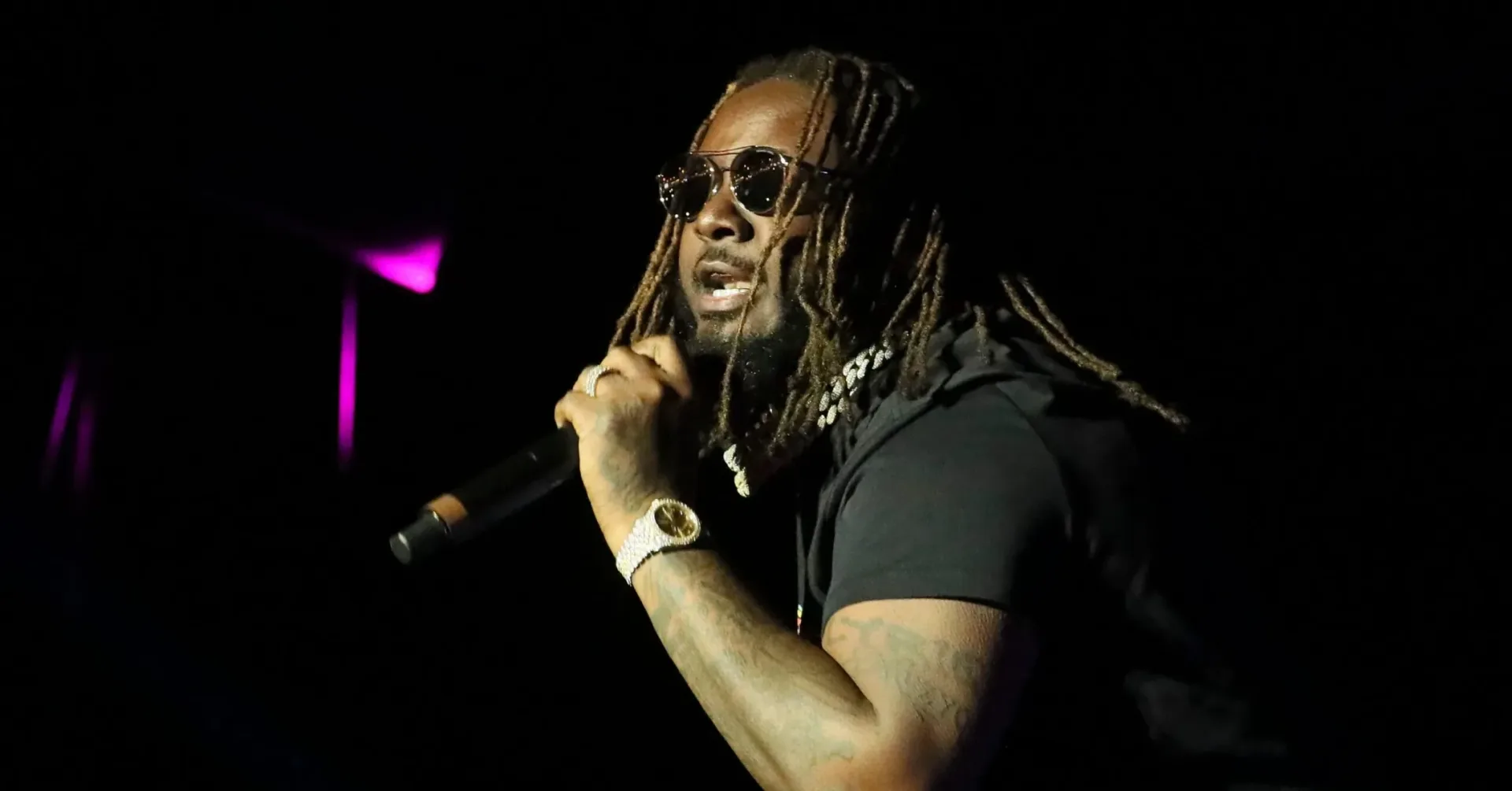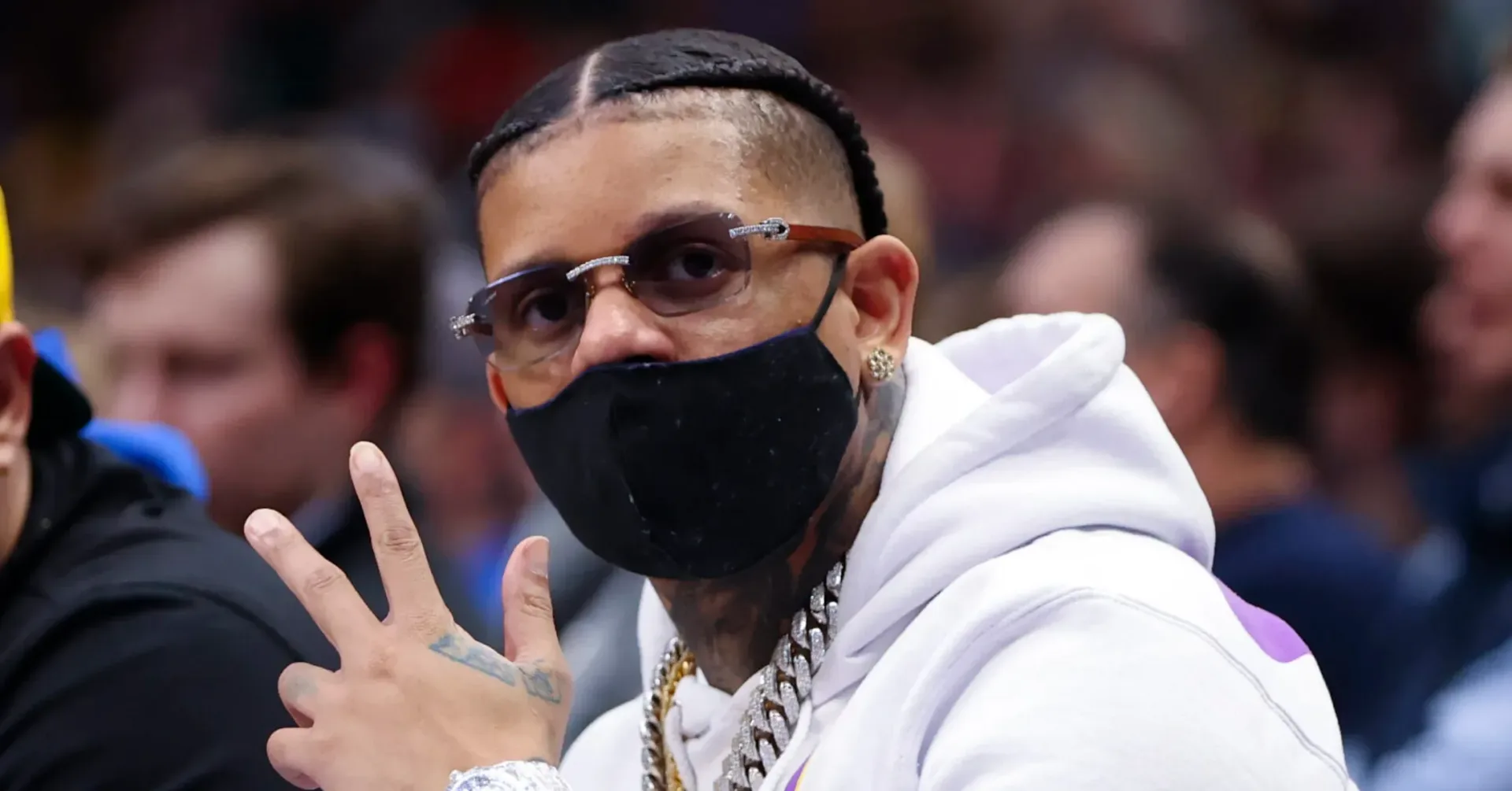
Kodak Black has had a fleeing-and-eluding charge dismissed in Broward County, removing one case from the rapper’s active legal picture. Judge Corey B. Friedman granted a defense motion to dismiss the charge after examining the circumstances surrounding a February 27 encounter in Pompano Beach.
The ruling turns on a basic but crucial question: whether law enforcement made a sufficiently clear, lawful attempt to stop a driver before claiming that person fled or refused to comply. In this instance, the court determined that the allegations and available account did not establish enough to sustain the charge.
That distinction matters. A fleeing-and-eluding allegation can sound straightforward in a headline, but the legal question is not simply whether a vehicle left an area after an officer arrived. The surrounding details—including the officer’s actions, the communication to the driver, and whether an actual order was conveyed—can determine whether a prosecution has a viable foundation.
A February encounter in Pompano Beach
The dismissed charge arose from an incident on February 27 near Northwest 18th Avenue and Martin Luther King Jr. Boulevard in Pompano Beach. A Broward Sheriff’s deputy saw Black’s pink Jeep Grand Cherokee parked in the area.
The defense argued that what followed did not amount to a proper traffic stop or a lawful directive that Black was required to obey. The deputy reportedly approached in a patrol vehicle and spoke to Black, but the defense maintained that the interaction lacked the ordinary indicators of an enforcement stop.
Those asserted gaps were central to the dismissal request. Black’s lawyers argued that the deputy did not activate emergency lights or sirens, did not exit the patrol vehicle, did not ask for a driver’s license or proof of insurance, and did not issue an unambiguous lawful order. Black replied that he was fine and drove away.
Prosecutors contended that Black had been instructed not to leave the scene and that he disregarded that instruction. Judge Friedman ultimately sided with the defense position that the case, as presented, did not sufficiently support the fleeing-and-eluding count.
Why the details of a stop matter
Traffic-stop cases are often built from small actions that carry large legal consequences. Emergency equipment, verbal instructions, an officer’s positioning, documentation, and the driver’s response may all become relevant when a court assesses what happened. The issue is not whether an encounter felt informal or tense after the fact; it is whether the state can prove the elements required by the specific charge.
Here, the defense’s argument focused on the absence of a clearly established stop. A casual question from an officer may begin a conversation, but it is not necessarily the same as a command backed by legal authority. Likewise, a driver leaving after an exchange is not automatically proof of fleeing or eluding. The court’s decision reflects the importance of separating those concepts rather than treating them as interchangeable.
Dismissal does not serve as a broad ruling on every police-citizen encounter, and it does not establish a universal formula for a lawful stop. It is a decision tied to the facts alleged in this Broward case. Still, it underscores a recurring legal reality: when the basis for an initial stop is uncertain or the alleged command is unclear, charges premised on noncompliance can face serious scrutiny.
Defense team challenged the prosecution’s theory
Attorney Bradford Cohen argued for dismissal, emphasizing what the defense described as missing from the February encounter. Cohen is part of Black’s legal team alongside attorney David Bigney.
The successful motion placed the prosecution’s theory under a narrow microscope. Rather than asking whether Black’s departure might appear suspicious in isolation, the court had to consider whether the deputy had actually communicated a lawful instruction and whether the record supported a charge for refusing it.
For public figures, the shorthand of a charge can quickly become larger than the procedural details behind it. That is especially true in stories involving traffic stops, body-camera video, and prior legal history. The dismissal is a reminder that the eventual result may rest less on the loudest description of an incident than on whether the underlying evidence can carry the legal burden.
It also demonstrates why defense motions are a meaningful part of the criminal process. A motion to dismiss is not simply a request for leniency. It challenges whether the alleged facts, even if viewed in the state’s favor, are enough for the charged offense. In Black’s Broward case, Judge Friedman found they were not.
Separate matters should not be conflated
Black, a Pompano Beach native, still has other legal matters that are separate from the dismissed fleeing-and-eluding case. He has a pending drug-possession case in Orange County, where he has pleaded not guilty and remains out of custody. That proceeding has its own allegations, evidence, and legal timetable.
His record also includes a Broward cocaine-possession case from 2023 that was dismissed. In July 2022, he was arrested during a traffic stop in a case involving 31 oxycodone tablets and nearly $75,000 in cash. Those matters should not be treated as evidence of what occurred during the February 27, 2026 interaction at issue here. Each charge must stand or fall on its own factual and legal record.
That separation is particularly important after body-camera footage from a different Orange County arrest, dated May 2026, circulated online last week. The video showed Black finishing a meal while deputies waited before taking him into custody. Its viral spread may have fueled broader discussion of the rapper’s legal troubles, but it was unrelated to the Broward fleeing-and-eluding allegation Judge Friedman dismissed.
Viral footage is powerful because it is visual, easy to share, and detached from the slower pace of court filings. Yet a clip from one arrest cannot resolve questions in another. The Pompano Beach case was evaluated on the details of its own encounter: what the deputy did, what was allegedly said, and whether the state could establish a lawful stop or order.
A court result, not a rewrite of every case
The dismissal is a meaningful legal win for Black and his defense team, but it is also limited in scope. It eliminates the Broward fleeing-and-eluding charge; it does not decide the pending Orange County case, nor does it revisit unrelated prior arrests. Legal reporting is most useful when it preserves those boundaries, particularly when a prominent defendant has multiple cases spanning different counties and years.
For Black, the immediate effect is straightforward: one Broward charge is no longer pending. For observers, the case offers a clear illustration of how an alleged traffic-stop violation can unravel when the asserted command and the method of enforcement are not convincingly established.
The ruling also lands amid wider attention on celebrity cases and the way they are processed in public view. Court proceedings often involve more nuance than social-media summaries allow. Charges may be filed, challenged, reduced, dismissed, or litigated further based on standards that are not visible in a short video or a single police narrative. In this instance, the judge found the legal footing for the fleeing-and-eluding prosecution insufficient.
Readers following other entertainment-related legal disputes can find a separate example in this report on T-Pain’s royalty lawsuit, a civil matter with a very different set of claims and procedures. The comparison is not about the merits of either situation; it is a reminder that legal stories require attention to the particular court, allegation, and stage of the process involved.
Black’s attorneys will continue addressing his remaining cases independently. As for the February 27 Pompano Beach incident, Judge Friedman’s decision closes the fleeing-and-eluding chapter: the court dismissed the charge after finding the alleged evidence did not adequately support it.