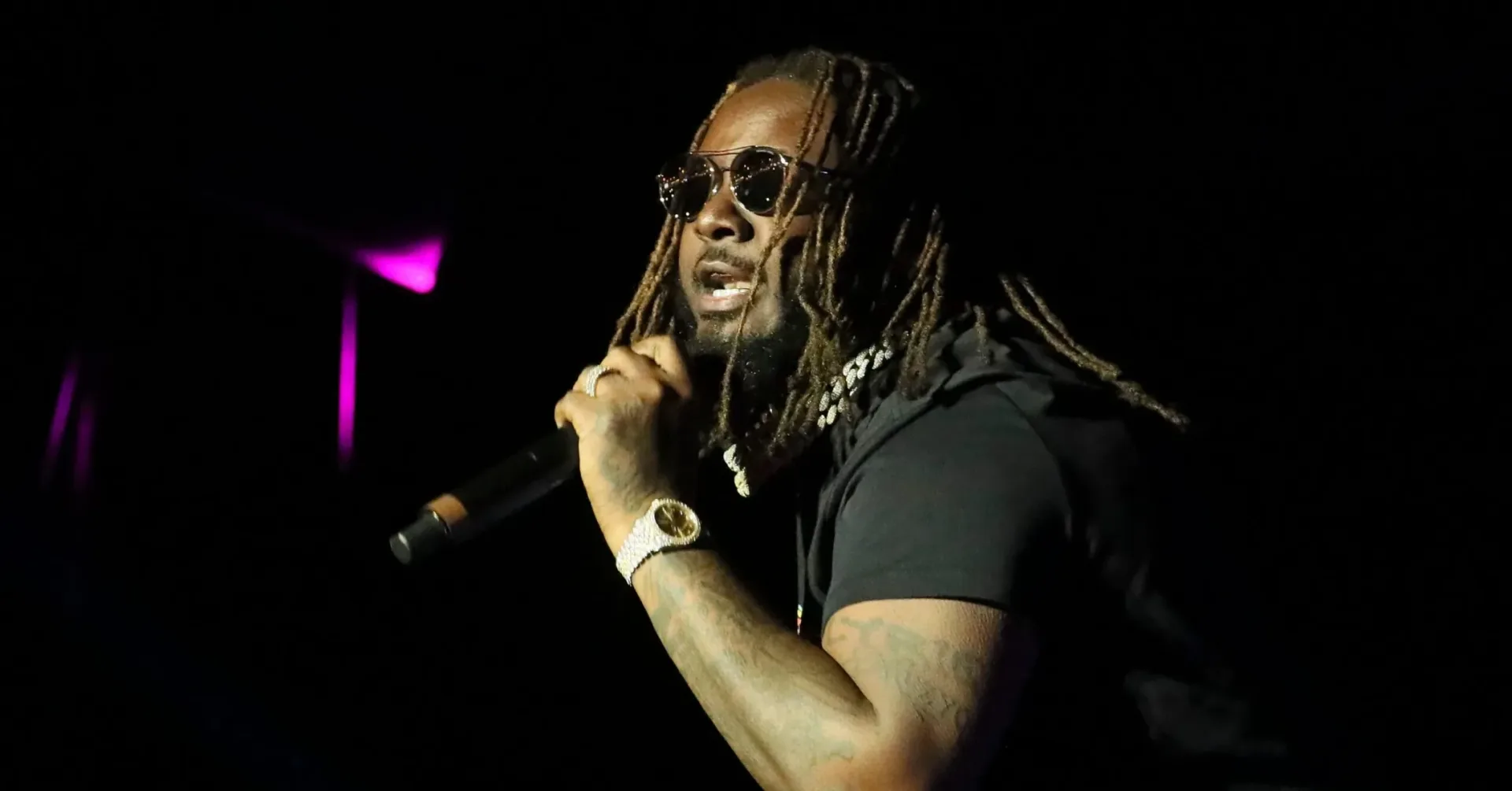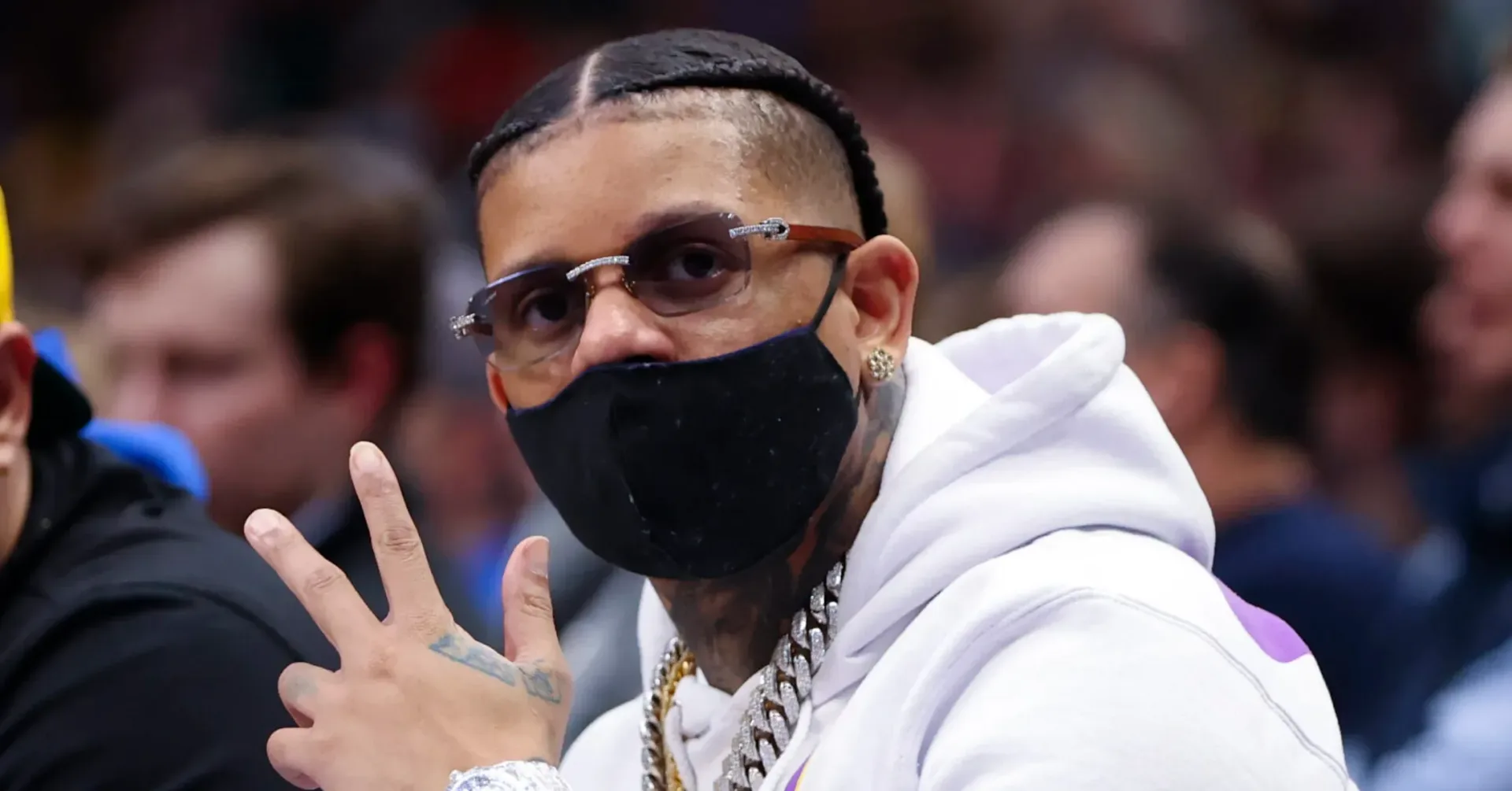
Kewon White has publicly challenged a central allegation presented by prosecutors in the case surrounding the killing of Dallas rapper Mo3: that money was paid, or promised, for the murder. White made the denial during a September 5 livestream call, one day after a jury convicted him of capital murder and he received a life sentence without the possibility of parole.
White’s statement does not undo the verdict or contest the penalty imposed on him. Instead, it focuses on the prosecution’s alleged murder-for-hire explanation and, specifically, the claimed involvement of Yella Beezy, whose legal name is Markies Conway. White said he was not paid to carry out the killing and rejected the suggestion that he was speaking in order to shield Conway.
That distinction matters because the wider case remains unresolved. Conway has pleaded not guilty to a capital murder charge, while Devin Brown, another person charged with capital murder in connection with Mo3’s death, is also still awaiting trial. The allegations against each defendant must be evaluated separately in court.
A post-verdict denial of the payment theory
White called into a livestream hosted by MrLawtonTV on September 5, following the September 4 verdict. In the call, he disputed the notion that he had received money for the killing. His position was summarized in a short, direct assertion: “I didn’t get paid to do nothing.”
It was a notable public statement because White did not take the witness stand during his own trial. Rather than hearing this denial from White under questioning before the jury, jurors heard White’s legal team argue that the state had not established the financial component of its theory. The later livestream remarks therefore add White’s own voice to a dispute his attorneys had already raised in court.
White also indicated that he was not trying to protect Yella Beezy. That is an important claim to separate from the question of what a jury found in White’s case. Public comments after a verdict are not trial testimony, and they do not determine the charges pending against other defendants. Conway’s not-guilty plea remains in place, and the prosecution bears the burden of proving its case against him.
What prosecutors alleged at trial
Prosecutors contended that a longstanding conflict involving Mo3 and Yella Beezy led to an alleged plan to kill Mo3. Mo3, born Melvin Noble, was killed in 2020. The state’s case asserted that White carried out the shooting and that the motivation included a payment or promise of payment.
During the proceedings, Detective Eric Barnes testified that investigators believed Yella Beezy and Trapboy Freddy helped finance the alleged plot. Financial records shown to jurors indicated that Yella Beezy withdrew $40,000 on November 20, 2020, nine days after Mo3 was killed.
The state did not allege that all $40,000 was handed to White. Its position was that White ultimately received $20,000. In closing arguments, Assistant District Attorney Tommy Adams argued that the evidence supported the conclusion that White killed Mo3 because he had been paid or promised payment by Yella Beezy.
That alleged financial arrangement was an important part of the state’s account of motive and planning. But it is equally important to describe it as an allegation in the pending case against Conway, not as an established finding against him. A guilty verdict against White does not itself resolve Conway’s criminal liability.
The defense’s argument on remuneration
White’s attorney, Bree West, did not argue that Mo3 had not been murdered. Instead, the defense challenged whether prosecutors had proven a payment or an agreement to pay White. The defense position was that the evidence did not demonstrate remuneration, nor did it show a promise that White would receive money for committing the crime.
That approach placed a narrow but consequential issue at the center of the trial: whether the state had connected White to an alleged financial incentive with proof sufficient for the jury. White’s September 5 remarks closely track that point, though they came after the jurors had reached their decision.
The jury deliberated for roughly three hours before returning its guilty verdict on September 4. White was then sentenced to life in prison without parole. In his livestream comments, White acknowledged that he must live with the choices he made, while continuing to dispute the prosecution’s account of why the killing occurred and whether Yella Beezy arranged or financed it.
Where the remaining cases stand
Yella Beezy has entered a not-guilty plea to the capital murder charge filed against him. At the time of White’s public comments, jury selection in Conway’s case was scheduled to begin September 14 in Dallas. Scheduling can change in criminal matters, but that was the stated timetable.
Devin Brown also faces a capital murder charge tied to the killing and is awaiting trial. Neither a prosecutor’s narrative in a co-defendant’s trial nor a convicted defendant’s post-verdict statement substitutes for the evidence and legal process in Brown’s or Conway’s cases.
For readers following the situation, several facts should remain clearly separated:
- White was convicted of capital murder on September 4 and sentenced to life without parole.
- White later denied that he had been paid to kill Mo3.
- Prosecutors alleged that White received, or was promised, $20,000 as part of a murder-for-hire scheme.
- Yella Beezy has pleaded not guilty, and his case must be proved independently.
- Devin Brown is also awaiting trial on a capital murder charge connected to the killing.
Why precise language matters in a multi-defendant case
Cases involving multiple defendants often generate an overlap of names, claims, evidence and public commentary that can make it easy to blur legal lines. Here, White’s conviction is a completed stage of the proceedings, but it is not a verdict against every person prosecutors have accused in connection with Mo3’s death.
Similarly, a livestream statement can be newsworthy without carrying the same legal weight as sworn testimony. White’s denial is his account, delivered after his trial. The jury had not heard him testify, and his statement does not replace the evidence already considered in his case. It also cannot decide whether the alleged payment ever occurred or whether another defendant was responsible for arranging it.
The contrast between the prosecution and defense theories explains why White’s remarks received attention. Prosecutors treated money as evidence of the alleged motive and arrangement. The defense argued the money connection had not been proven. White is now expressly siding with the defense’s version on that specific issue: he says he was not paid.
Music-industry legal disputes can span very different subjects, from criminal allegations to contract and royalty fights. For a separate example involving civil claims over recording compensation, see the report on T-Pain’s royalty lawsuit against Konvict Entertainment. The two matters are unrelated, but they underscore why allegations, denials, court findings and the procedural status of each case need to be kept distinct.
The immediate record
At this point, the record is straightforward on some issues and contested on others. White has been convicted and sentenced. He has said publicly that he was not paid. Prosecutors alleged that a payment or promised payment was part of the killing of Mo3. White’s defense disputed that allegation during trial. Yella Beezy denies the charge through his not-guilty plea, and his case remains to be litigated. Brown’s case is also pending.
As those proceedings continue, the most accurate framing is not to treat one defendant’s outcome as a blanket determination for everyone else. White’s conviction addresses the charge against White. His post-verdict comments challenge the alleged financial motive. The remaining defendants retain the right to have the accusations against them tested through their own proceedings.