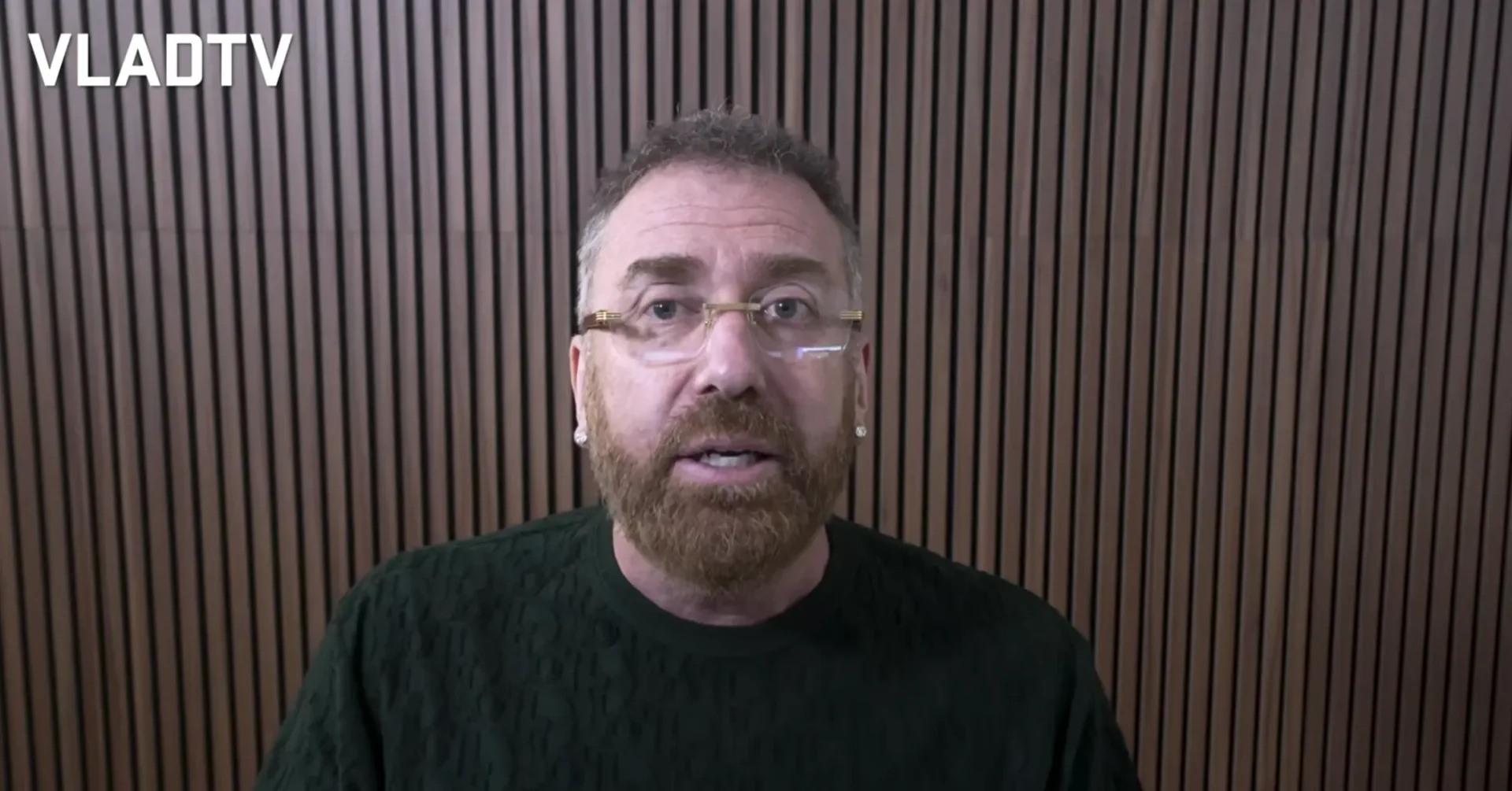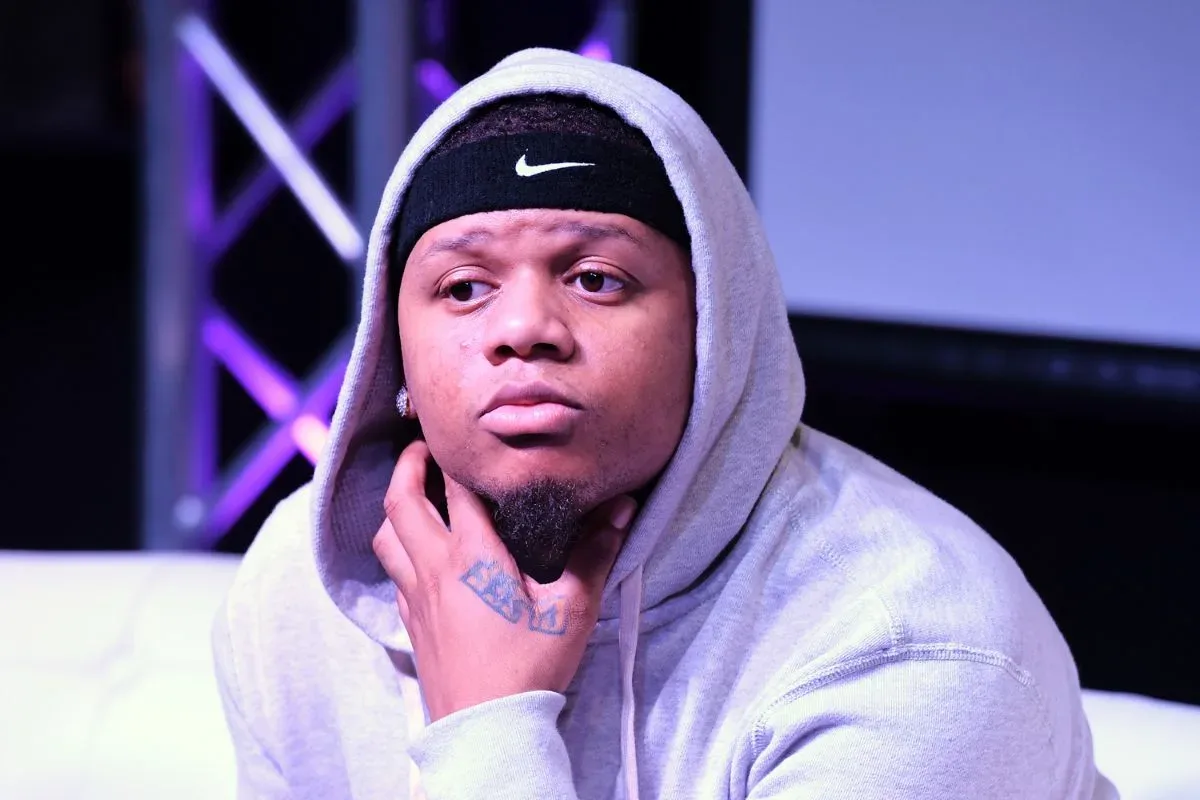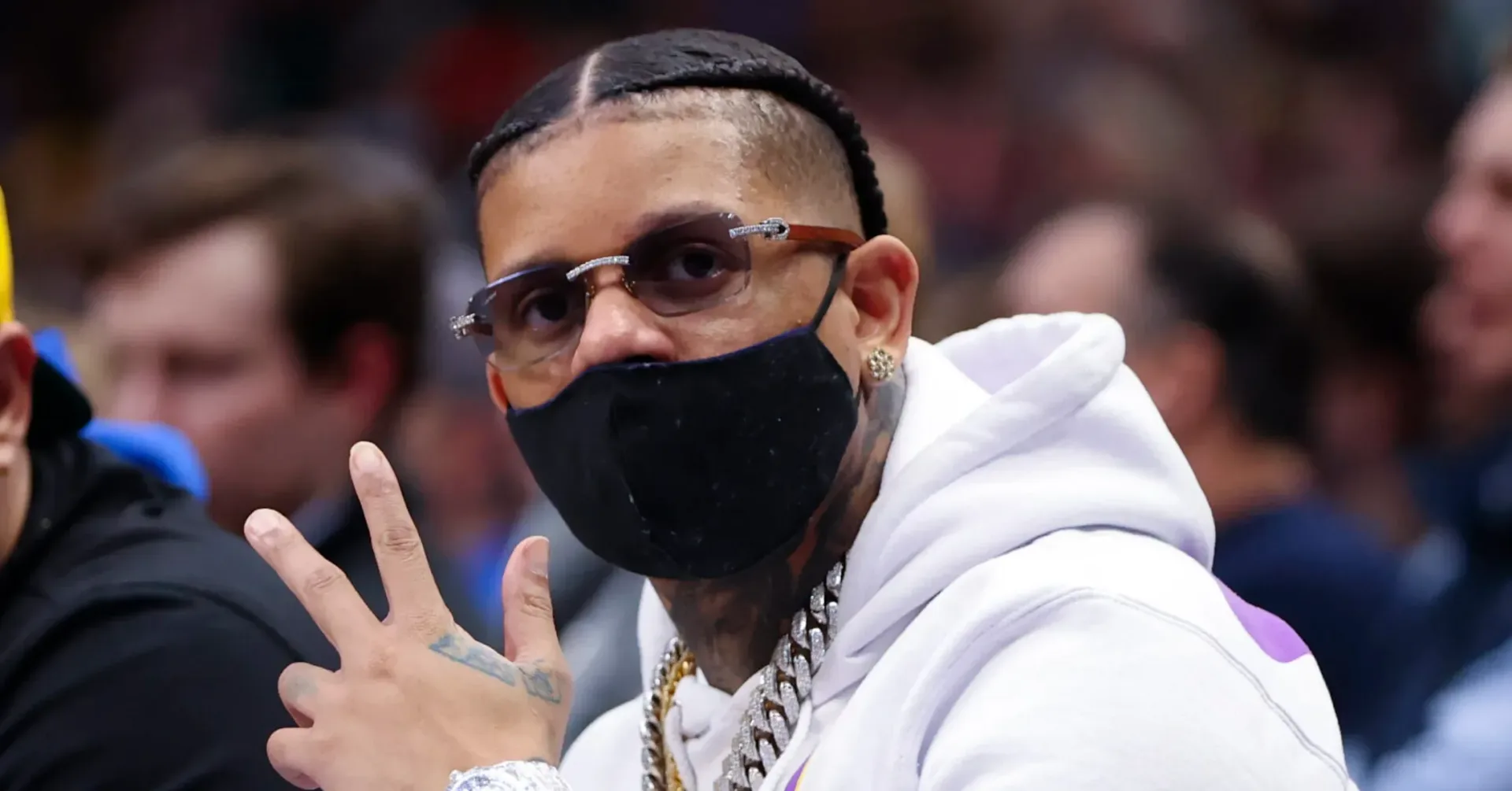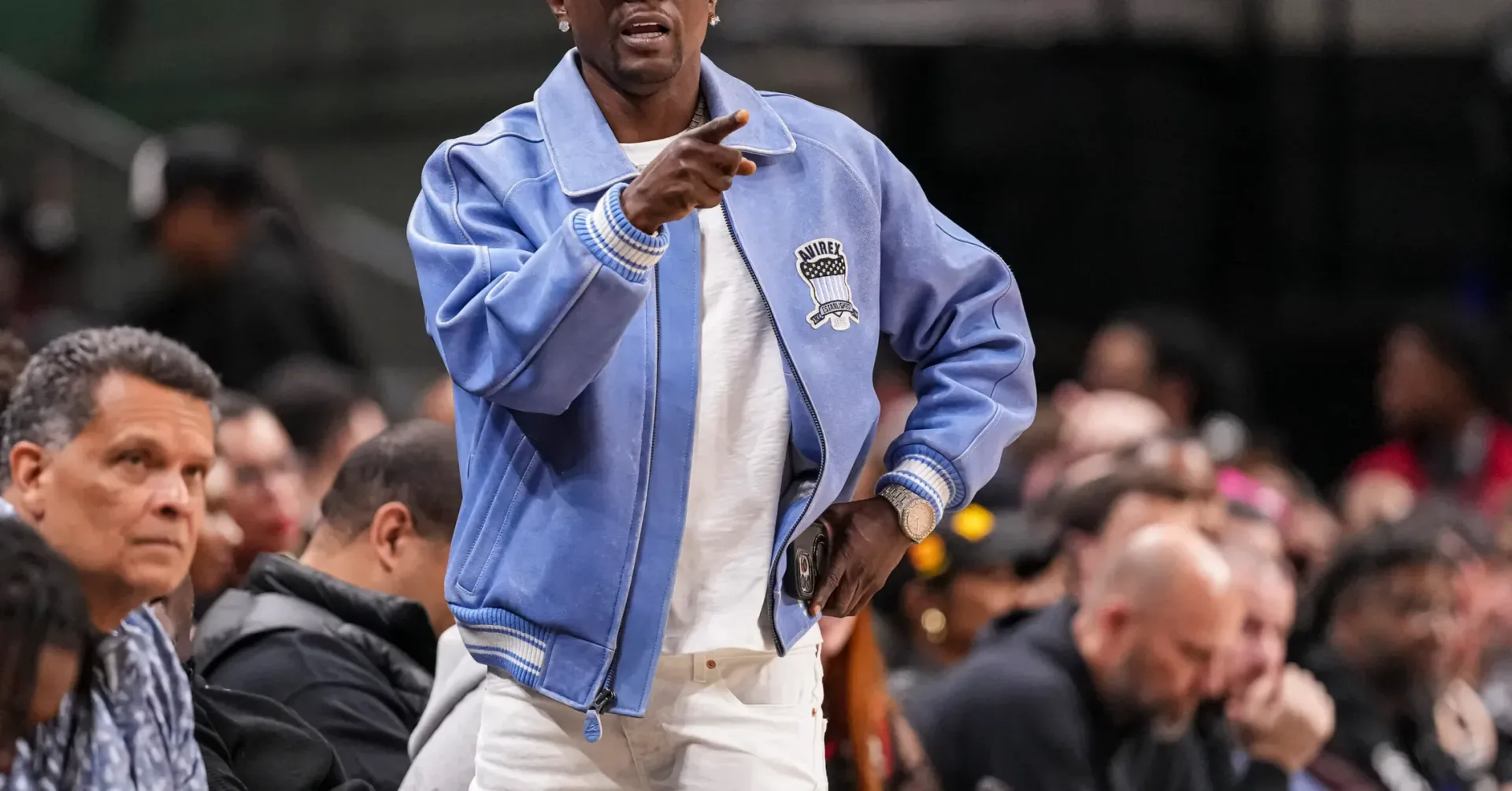
Boosie Badazz has publicly questioned the logic of Kewon White discussing the 2020 shooting that injured him while White pursues an appeal of his capital-murder conviction in the killing of Dallas rapper Mo3.
White was convicted earlier this month of capital murder for the fatal shooting of Mo3, born Melvin Noble, on a Dallas highway in November 2020. He has since filed a notice of appeal. In a jail interview, White said he fired at Boosie following Mo3’s death, claiming he shot roughly 10 times but meant to send a message rather than kill the Louisiana rapper. White also said he had three opportunities to kill Boosie.
Boosie was shot in the leg in Dallas on November 14, 2020, days after Mo3 was killed and one day after he attended a vigil for his collaborator. The new interview ties an already traumatic episode directly to a person whose case is now moving into the appellate process.
Why the appeal is central to Boosie’s response
Boosie’s reaction focused less on relitigating the 2020 events than on the apparent contradiction he sees in White’s timing. In a social-media response, Boosie asked why White would seek appellate relief while talking publicly about having had to kill Mo3 and about shooting at him.
“Why would you file an appeal if you gonna do an interview talking about you had to kill [Mo3]?” Boosie said.
That question is understandable as a personal reaction, but it also highlights the practical stakes around public statements in an active criminal matter. A notice of appeal begins the process of asking a higher court to review a conviction or another ruling. It does not itself resolve the case, and it does not necessarily mean every public statement will become part of the appeal. Whether comments made in an interview have legal consequences depends on factors not established here, including the issues raised on appeal, the governing procedure, and how either side might attempt to use those comments.
For the public, however, an interview from jail can substantially change the conversation surrounding a case. It may introduce new claims, add emotional force to known events, or create fresh questions about intent and credibility. Those are not the same thing as legal findings. White’s interview statements should be understood as his own account, while the conviction, appeal notice and documented injury to Boosie are distinct matters.
What White said about the shooting
White said he took issue with Boosie’s conduct when he came to Dallas after Mo3’s death. He stated that he shot at Boosie and characterized the act as a warning rather than an attempted killing. His claim that he had other chances to kill Boosie was likewise presented as his own assertion in the interview.
Related coverage includes Boosie Badazz Questions Kewon White’s Jail Interview Amid Appeal.
The distinction White drew between firing shots and intending to kill is important to his version of events, but it is not an independent determination of intent. Intent is a legal and factual question assessed through evidence and procedure, not simply the label a speaker later applies to conduct. The supplied reporting establishes that Boosie suffered a leg wound in Dallas on November 14, 2020; it does not provide further court findings about White’s alleged role in that shooting.
Boosie’s response was blunt and personal. He suggested White’s willingness to speak openly meant White was comfortable remaining incarcerated, using insults while directing his remarks toward the camera. The intensity fits the context: Boosie was injured shortly after losing a collaborator, and White’s comments bring that period back into public view years later.
The Mo3 case and the allegations involving Yella Beezy
At White’s trial, prosecutors alleged that rapper Yella Beezy paid White to kill Mo3. That allegation remains important context, but the parties’ positions must be kept clear. White has denied that Yella Beezy paid him, and Yella Beezy has denied any involvement in a murder plot.
Those denials matter because a prosecutor’s allegation is not interchangeable with an undisputed account of events. The reported facts support saying that prosecutors made the claim at trial and that both White and Yella Beezy rejected it. They do not support treating the allegation as settled beyond those stated positions.
Mo3’s death and the subsequent cases have remained a major point of attention in hip-hop because of the artists involved, the public nature of the allegations and the violence that unfolded in a compressed period in Dallas. Yet the human reality should not disappear beneath the online arguments. Mo3 was killed, Boosie was wounded soon afterward, and a conviction is now being appealed.
Public interviews can complicate a case without deciding it
White’s choice to speak from jail has produced a reaction that is both emotional and procedural. The emotional dimension is obvious in Boosie’s response. The procedural dimension is less certain. Publicly discussing a case during an appeal can invite attention from lawyers, courts and observers, but the record provided does not identify the grounds of White’s appeal or say whether the interview is part of any formal filing.
That uncertainty is worth preserving. An appeal commonly focuses on claimed legal errors from earlier proceedings rather than serving as a second trial in the public arena. Without details of White’s appellate arguments, it would be speculation to predict what will happen next or how the interview could affect the process.
What can be said is that White’s interview has made the dispute more direct for Boosie. The comments were not framed as a distant recounting of the past; they included White’s claimed involvement in the shooting that left Boosie injured. Boosie, in turn, challenged the wisdom of offering such statements while seeking to overturn or otherwise contest a conviction.
The episode also follows a longer public friction surrounding Boosie’s media appearances and comments, including the separate dispute examined in this look at Boosie Badazz’s fallout with DJ Vlad. This situation is categorically more serious: it concerns a homicide conviction, an appeal, and White’s claims about a shooting that injured Boosie.
What remains unresolved
- White’s appeal has been initiated through a notice of appeal, but the supplied information does not state its arguments or likely timeline.
- White said he fired at Boosie and did not intend to kill him; these are interview claims, not newly described court findings in the available material.
- Prosecutors alleged Yella Beezy paid White to kill Mo3. White and Yella Beezy have each denied that allegation.
- No additional outcome regarding the 2020 shooting of Boosie is established here.
For now, the clearest development is the collision between White’s jail-interview comments and his active appeal. Boosie sees the two as incompatible and has said so plainly. White’s conviction remains the defining legal outcome described here, while the appeal will determine what issues receive further judicial review.