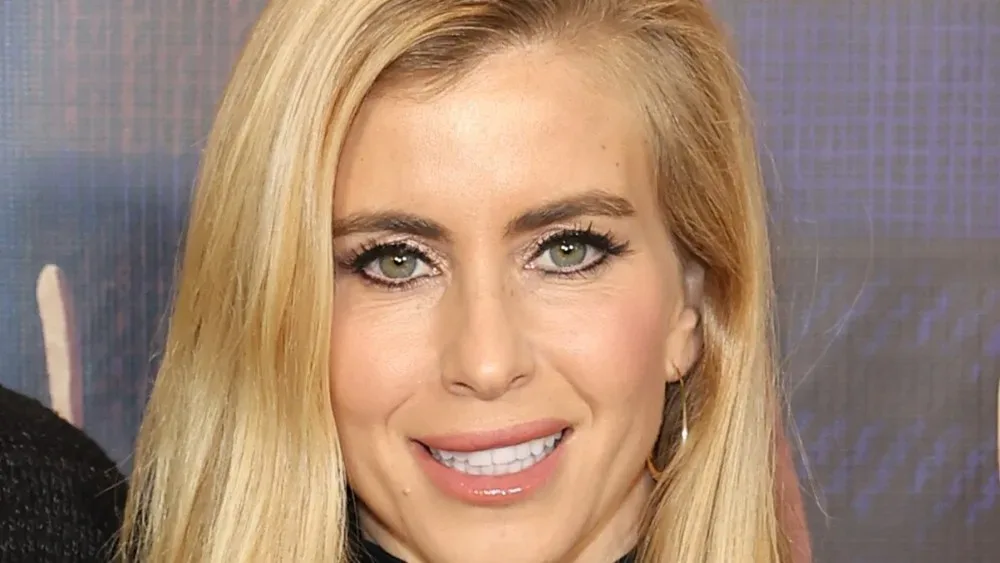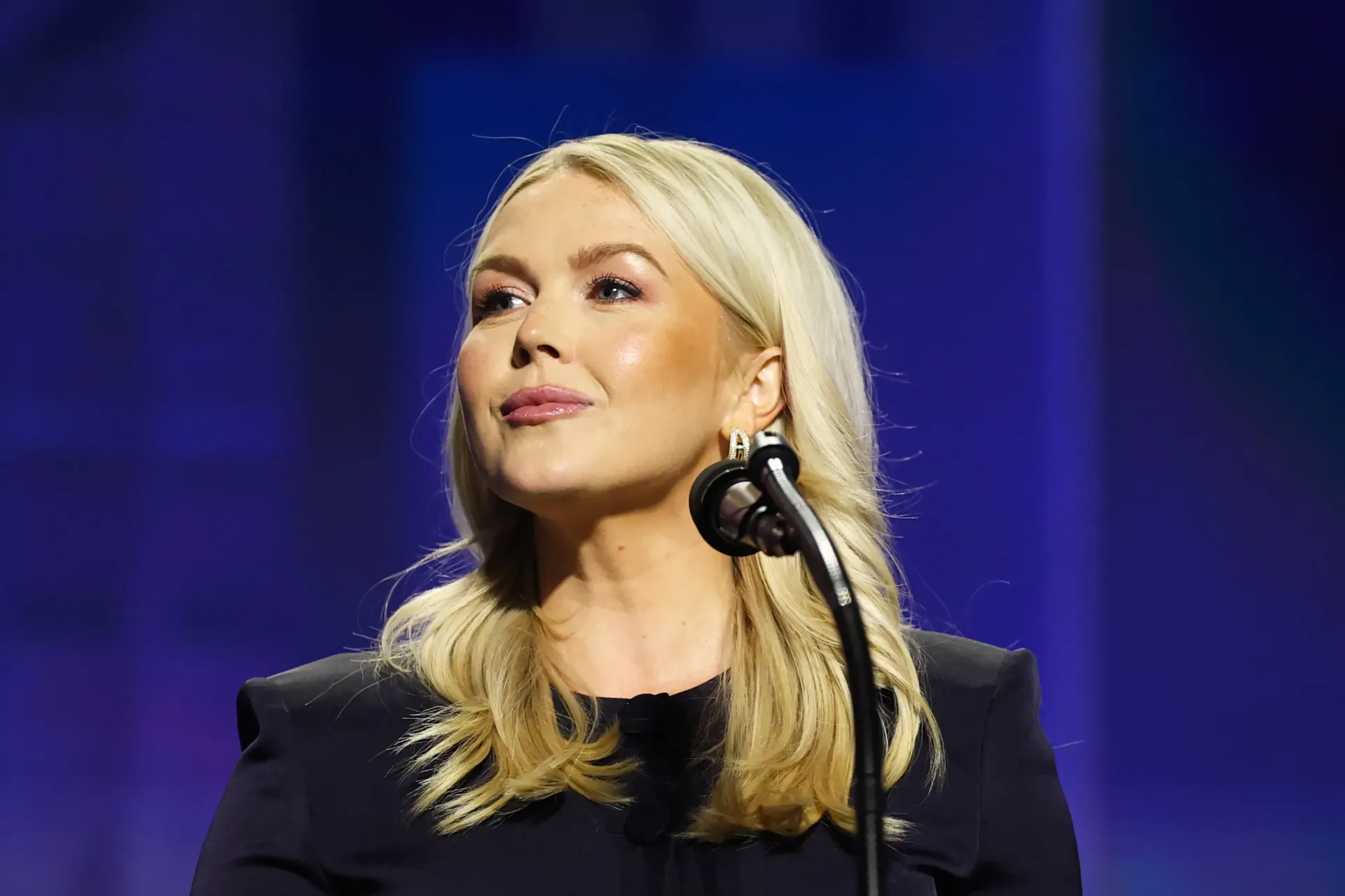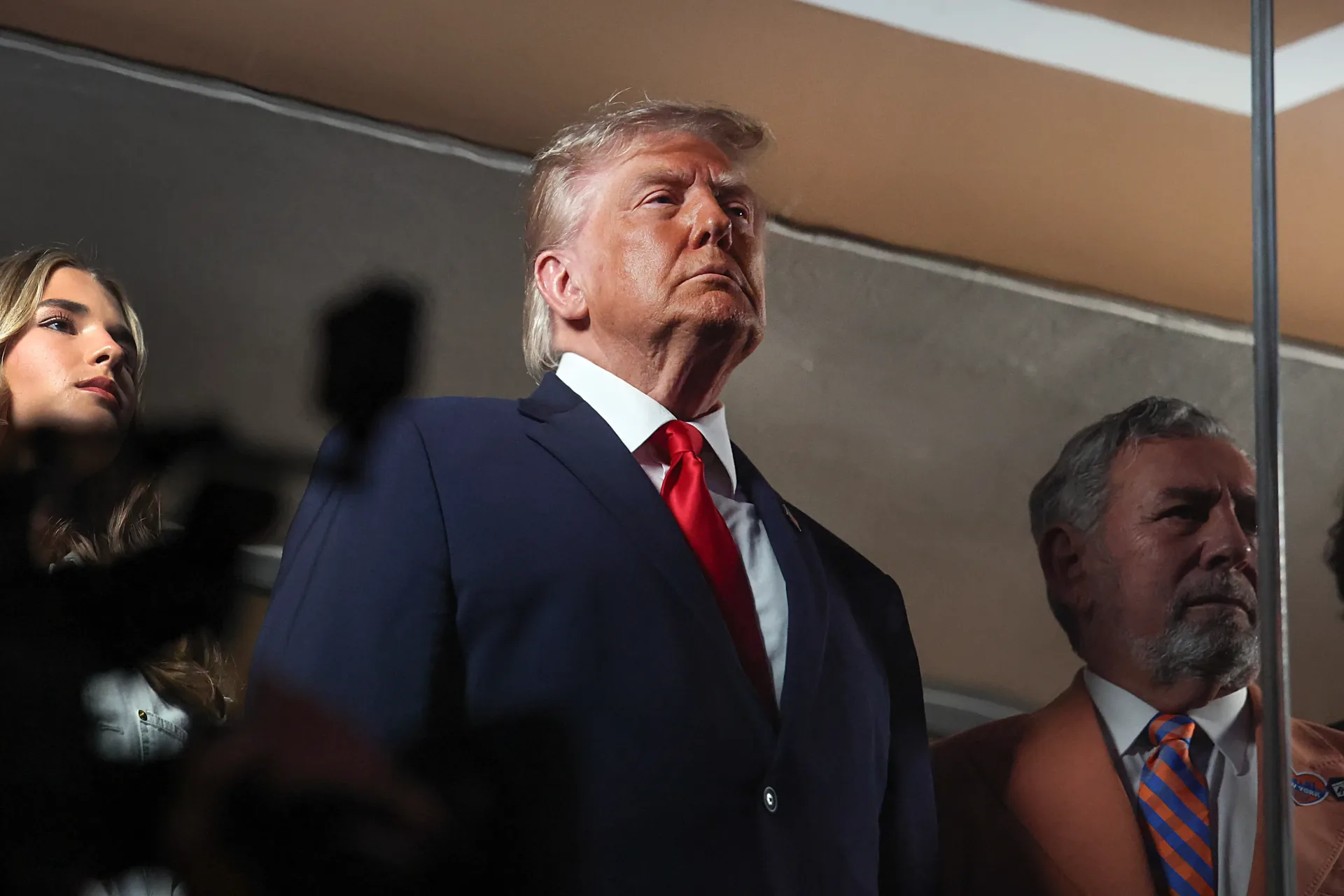
President Donald Trump has named Katie Zacharia as the next White House press secretary, installing a conservative commentator and communications adviser in one of the administration’s most visible public-facing roles.
Zacharia succeeds Karoline Leavitt, who is leaving the post to become a contributor for Fox News. The change places Zacharia at the center of the White House’s daily dealings with reporters at a time when the administration’s relationship with several major news organizations is also the subject of active litigation.
Trump announced the appointment in a Friday post on Truth Social. He highlighted Zacharia’s campaign work in swing states and described her as a frequent commentator on outlets including Fox News and Newsmax. Zacharia has also appeared on CNN.
Who is Katie Zacharia?
At the time of her selection, Zacharia was serving as senior communications adviser to Trump Media & Technology Group, the company behind the Truth Social network. That job places her close to a communications ecosystem that has been central to Trump’s direct public messaging.
Her résumé also includes a short stint at the Department of Homeland Security under then-Secretary Kristi Noem, where she served as a spokesperson and deputy assistant secretary for public affairs for two months. Earlier, she was general counsel to Fix California, a conservative political advocacy organization founded by Trump ally Ric Grenell.
Zacharia is a California native. Her LinkedIn biography says she earned a bachelor’s degree in political science and government from Pepperdine University in 2007, then received a JD from Pepperdine Caruso School of Law.
Those roles span political advocacy, legal work, government communications and television commentary. The press secretary position, however, is distinct from a traditional campaign or pundit role: it combines message discipline with the practical task of answering questions about White House actions, policy and access on an ongoing basis.
What the White House press secretary does
The press secretary is generally the administration’s principal spokesperson to the White House press corps. The role can include formal briefings, responses to breaking developments, coordination with other agency communications teams and dissemination of the president’s position across press statements, social channels and interviews.
It is also a role shaped by competing obligations. The administration wants to communicate its agenda clearly and favorably; reporters seek specifics, documentation and opportunities to question officials about disputed claims or unresolved events. Those competing aims are not unusual, but they can become especially visible during high-stakes disputes over press access.
For Zacharia, the immediate assignment will be more than simply following a predecessor’s format. She will inherit the administration’s communications posture while working with a press corps that includes both supportive and adversarial outlets. Her stated emphasis after the appointment was on conveying what she called the administration’s major wins to the public and working with the White House press corps and reporters nationwide.
“Serving President Trump and the American people at this critical 250-year mark is the honor of a lifetime,” Zacharia said in a statement posted to X and Truth Social after the appointment.
She also called succeeding Leavitt a high standard to meet. Leavitt’s departure for Fox News is part of a familiar overlap between political communications and television commentary, though each individual move is shaped by its own circumstances. For another recent example of a high-profile television staffing shift, see this report on Gail Lerner leaving NBC’s Newlyweds.
The access lawsuit is an immediate backdrop
Zacharia takes the job amid a court fight over the White House’s treatment of CNN, MS NOW and Politico. Trump announced on Sept. 18 that the three outlets were banned from the White House “effective immediately,” calling them “fake news.”
CNN, MS NOW and Politico subsequently sued Trump and three administration officials, seeking to have the ban lifted. A judge extended a temporary restraining order requiring the White House to restore the organizations’ access through Oct. 13 while considering their request for a permanent injunction.
A temporary restraining order, often shortened to TRO, is an interim court measure. It is designed to preserve the existing situation or prevent immediate harm while a court considers a broader request. It does not itself settle every legal question in the case. Here, the extension means the access-restoration requirement remains in force through the stated date as the permanent-injunction request is considered.
A permanent injunction, by contrast, is a longer-term court order that can prohibit or require conduct after the court decides the relevant legal claims. Whether one will be granted in this dispute remains unresolved in the supplied information.
The case gives the new press secretary a consequential early context. Press credentials and access are not merely ceremonial matters: they affect whether reporters can attend briefings, question officials in person and report from the White House. The dispute therefore concerns both the administration’s media strategy and the mechanics through which journalists gather information.
Why Zacharia’s communications background matters
Zacharia’s role at Trump Media & Technology Group may be particularly relevant because Truth Social has been an important venue for Trump’s own announcements, including the post naming her to the press secretary job. A press office now operates in a media environment where messages often appear first on social platforms and are then amplified, challenged or contextualized by news outlets.
That does not eliminate the importance of formal briefings. Rather, it makes coordination more complex. A White House communications operation may need to ensure that a presidential social post, a written statement, an official agency response and answers delivered in a briefing do not conflict with one another. The press secretary is commonly one of the officials responsible for making those messages intelligible and consistent.
Her television appearances could also help inform the administration’s approach to a fragmented news environment. Fox News, CNN and Newsmax serve different audiences and frequently frame political news differently. Experience appearing on multiple networks may offer familiarity with varied interview formats and editorial expectations. Still, a commentator’s role is not identical to that of an official spokesperson: as press secretary, Zacharia will be speaking on behalf of the White House rather than offering personal analysis.
A transition from Leavitt
Leavitt’s move to Fox News leaves a substantial communications post open during a legally and politically sensitive period. Zacharia’s statement indicated continuity in one sense: she praised Trump’s leadership and said her work would focus on communicating the administration’s record. Trump likewise framed his choice around loyalty, campaign experience and his belief that she would work effectively with the media, public and administration.
The practical measure of the transition will be how the White House handles routine briefing questions, urgent news events and the access dispute now before the court. The available information does not specify a start date, a schedule for Zacharia’s first briefing or changes to the structure of the press office.
What is clear is that Zacharia arrives with experience in political messaging, legal training, a government public-affairs post and a current advisory role at the company operating Truth Social. As the lawsuit proceeds and Leavitt shifts to television, those overlapping worlds of politics, social platforms and cable-news commentary will remain part of the environment Zacharia is being asked to navigate.