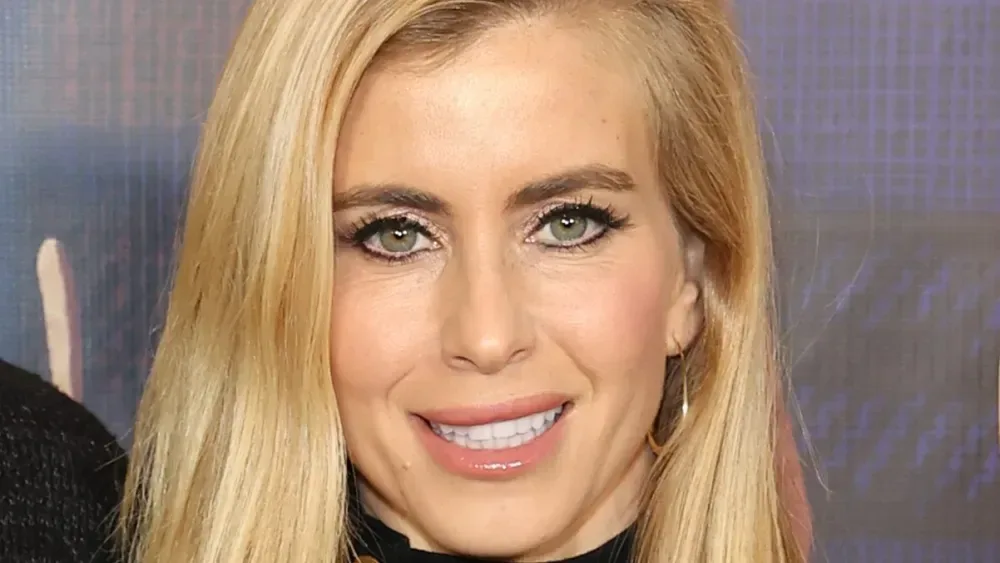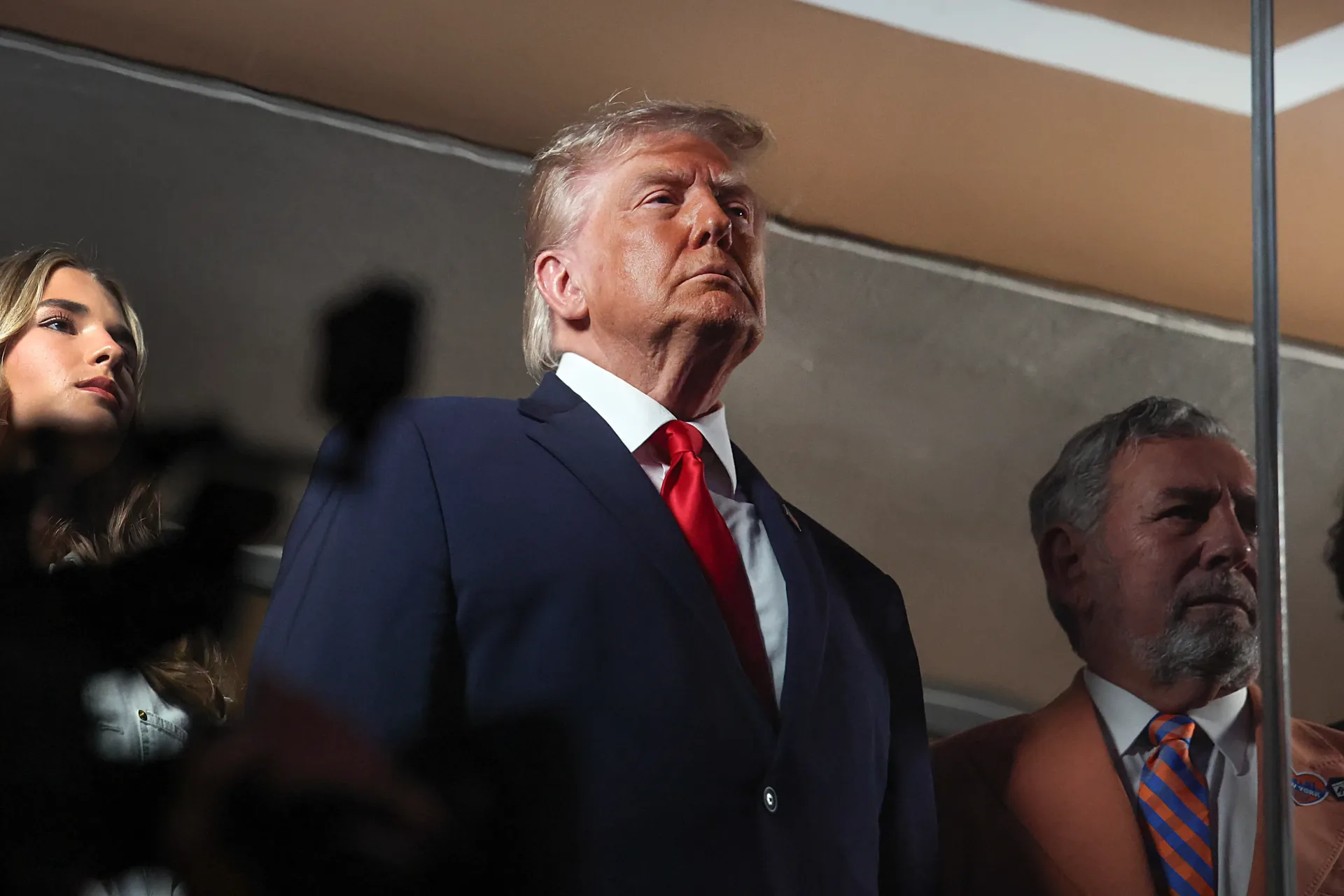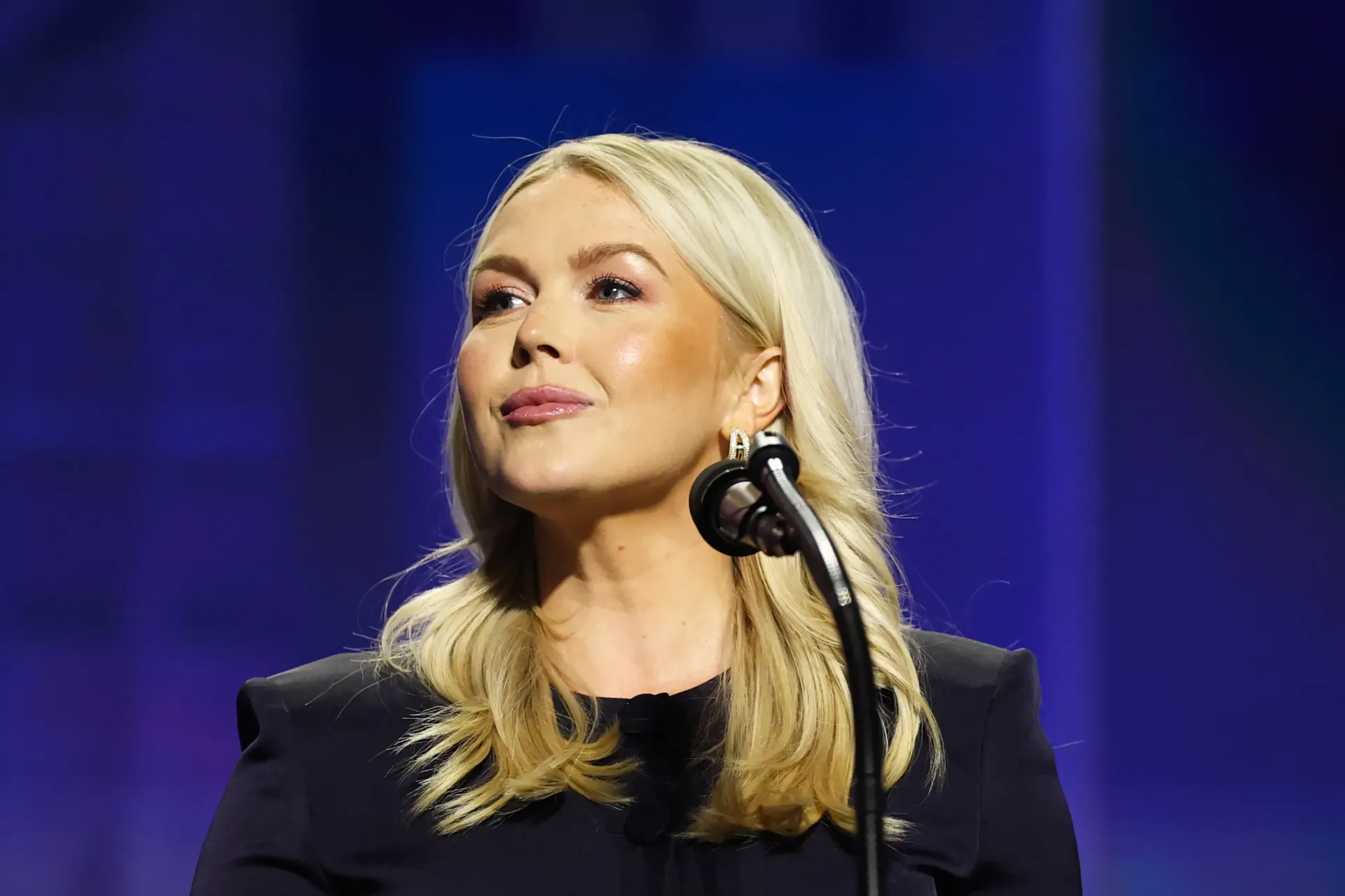
Katie Zacharia is leaving the White House press secretary position after five days in the role, ending an unusually short and intensely scrutinized tenure at one of Washington’s most visible communications jobs.
President Trump told reporters on Friday that he expects to speak with Zacharia about a different position. He said he did not believe she should have to continue enduring what he described as harsh treatment from the press.
The change comes shortly after Zacharia’s Oct. 9 appointment. She had succeeded Karoline Leavitt, who departed the job to become a contributor for Fox News. Zacharia herself had previously appeared on the network as a commentator.
A five-day tenure under an immediate spotlight
The White House press secretary is not simply a spokesperson delivering prepared statements. The role sits at the point where an administration’s policy messaging, the president’s public remarks, fast-moving events, and the press corps all collide. A briefing can require clear answers on matters that are both technically detailed and politically consequential, often with little time to prepare between developments.
For more context, explore Delonte West Says He Married Melissa Anaya Ahead of Michael Beasley Boxing Match.
That pressure became the dominant story of Zacharia’s brief period in office. Her first press conference, held Tuesday, lasted about 14 minutes and included three questions. By her own account, she had been in the job for fewer than eight hours before that appearance and received her briefing book that morning.
“I really stepped up to the plate to do the press conference” with little preparation time, Zacharia said in a subsequent television appearance, adding that she had done her best to deliver for the public.
That explanation highlights a practical challenge inherent to the post: preparation matters, but it does not erase the expectation that the person at the podium can field difficult questions immediately. A briefing book is generally a collection of talking points, background material, policy details, and anticipated questions. It can help shape a response, but it cannot fully substitute for familiarity with an administration’s positions or for experience handling follow-ups live.
In this case, Zacharia’s performance prompted swift attention to her background and credentials. The scrutiny did not remain confined to reporters at the White House. On Thursday, Fox host Sean Hannity questioned her about her qualifications in a skeptical on-air exchange.
The dispute over legal credentials
A central point of contention was Zacharia’s past self-description as an attorney or lawyer. She has acknowledged that she did not pass the bar exam and is not licensed to practice law. She defended the use of “lawyer” by pointing to her law degree.
The distinction matters because the terms are often used casually but can carry different professional implications. A law degree reflects legal education. Passing a bar examination and obtaining admission to practice are the steps typically associated with being licensed to provide legal services in a jurisdiction. The supplied account does not establish the details of Zacharia’s education, any jurisdiction involved, or how she used the terminology in particular settings. What is clear is that the difference between holding a degree and holding a license became a public issue during her time as press secretary.
For a communications official, a credentials controversy can become larger than the credential itself. The press secretary’s effectiveness depends substantially on perceived credibility: reporters need not agree with the administration’s arguments, but they do need to know who is answering questions and whether that person’s statements can be evaluated on firm terms. When discussion shifts toward a spokesperson’s résumé, less room remains for the policy message the administration intended to advance.
Trump signals a possible reassignment
Trump did not say that Zacharia would be leaving government entirely. Instead, he indicated that he would discuss a new role with her after returning. That leaves the nature, timing, and certainty of any reassignment unresolved.
The available information supports a narrow conclusion: Zacharia is transitioning out of the press secretary job, and the president has publicly raised the prospect of another position. It does not identify a successor, explain whether she has accepted another role, or provide a timetable for any transition beyond the announcement that she is out of the current position.
That uncertainty is important. In political personnel stories, phrases such as “new role” and “transitioning out” can describe very different outcomes, from an immediate internal move to an informal expression of support while details remain undecided. Until an actual job is specified, it is more accurate to treat the possible reassignment as a stated intention rather than a completed appointment.
Why the brevity is drawing comparisons
Zacharia’s five days in the position have also fueled comparisons with Anthony Scaramucci, who held the press secretary role for 11 days during Trump’s first term. Scaramucci reacted on X by acknowledging that his record had been surpassed while saying he took no pleasure in another person’s pain.
The comparison is straightforward on duration, not necessarily on circumstance. Zacharia’s departure happened after a first briefing that drew criticism and amid questioning over her legal terminology. The supplied information does not establish that the reasons or internal dynamics match those surrounding Scaramucci’s 11-day tenure. Counting the days makes for an eye-catching benchmark; it does not, on its own, explain why two personnel decisions occurred.
Still, the comparison illustrates why the story has travelled beyond a routine staffing change. Press secretaries are public-facing officials, and a change after less than a week becomes part of the administration’s messaging story as well as its personnel story. The office is designed for repetition, coordination, and rapid response. When its occupant changes almost immediately, journalists and audiences naturally focus on whether the administration can restore a predictable briefing operation.
What happens next at the podium
Several questions remain unanswered. The administration has not identified who will next take the podium, whether there will be an interim spokesperson, or when a fuller press briefing schedule might resume. Nor is there an announced description of the alternative role Trump mentioned for Zacharia.
For now, the immediate takeaway is limited but significant: Zacharia’s appointment lasted five days, and her exit follows a highly public sequence involving a short first briefing, questions about her preparation, and scrutiny of how she characterized her legal credentials.
The episode also demonstrates the unusual stakes of the press secretary job. It is a role judged in real time, with every answer examined by reporters, supporters, critics, television audiences, and social-media users. A spokesperson can be asked to communicate the administration’s position, defend it under adversarial questioning, clarify a president’s remarks, and avoid creating a new controversy—all in the same appearance. Zacharia entered that environment with little runway. Five days later, the White House is preparing for its next communications move.