John Stamos has shared an emotional tribute to Mike Love, the Beach Boys co-founder and the group’s longest-serving member, following Love’s death at age 85. Love died Saturday at his Malibu home.
Stamos’ remembrance was notably personal: not a recap of hits or a roll call of career milestones, but a reflection on what it means to lose a person associated so closely with happiness. He wrote that he expected to cry himself to sleep, then connected that grief to the joy Love had brought into his life. The thought is simple but resonant: profound sorrow can be inseparable from having cared deeply for someone.
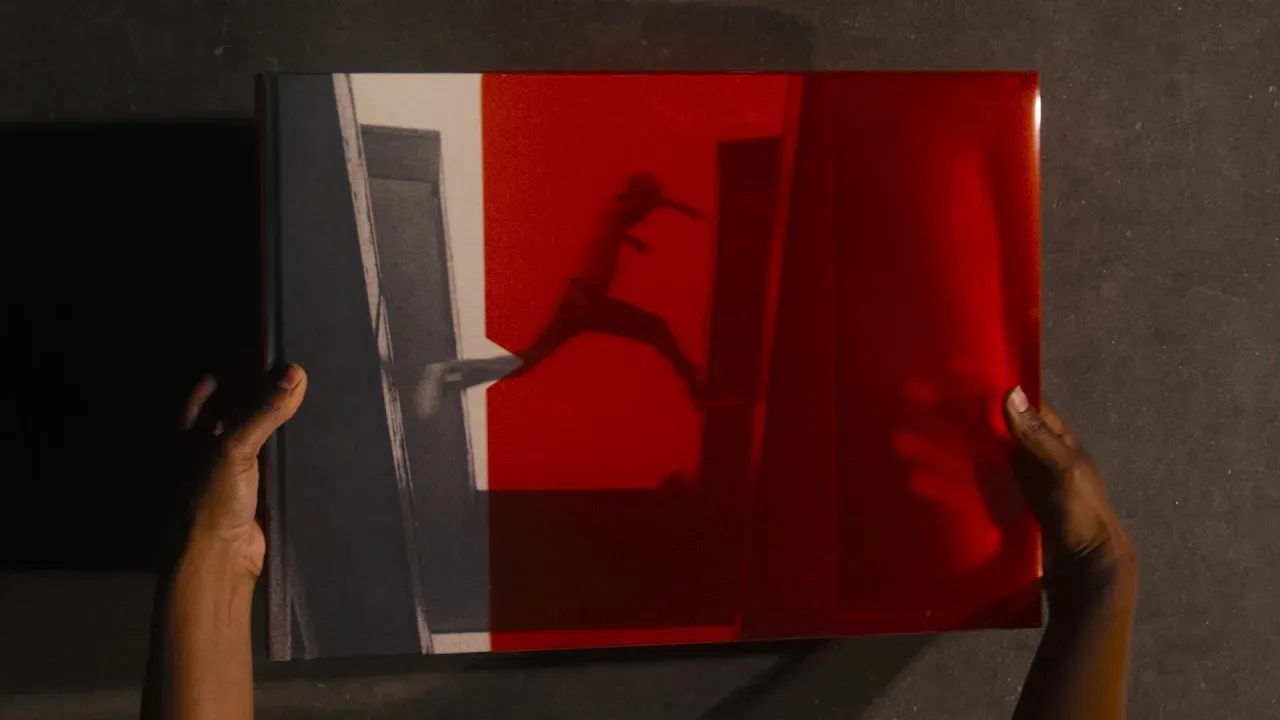
His Instagram post was accompanied by a painting captioned “Mike Love – Unfinished.” In the context of the message, that word carries considerable weight. It can describe artwork still in progress, of course, but it also suggests a relationship and musical life that had continued to move forward rather than settling into a neat, retrospective final chapter.
A relationship built on the stage, not just nostalgia
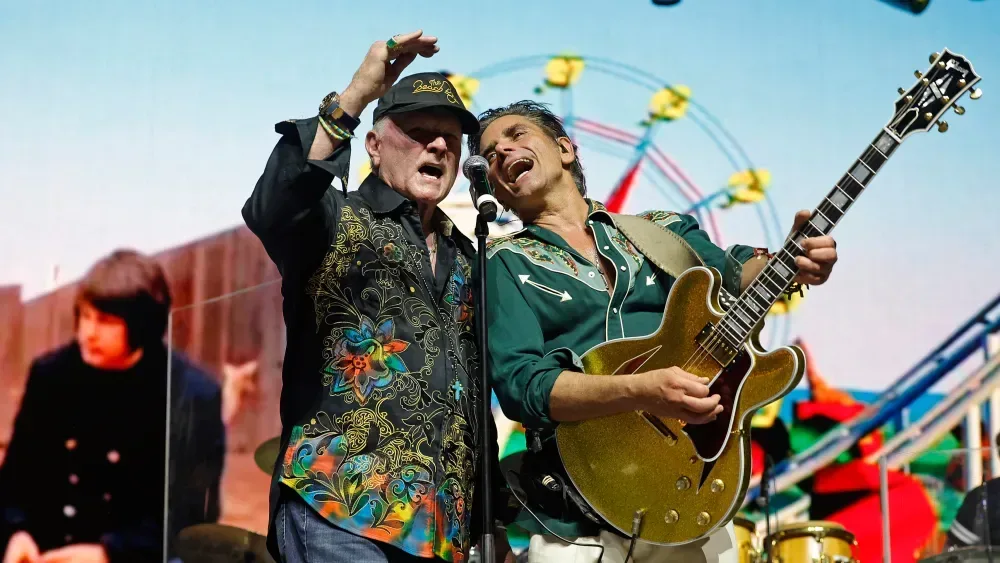
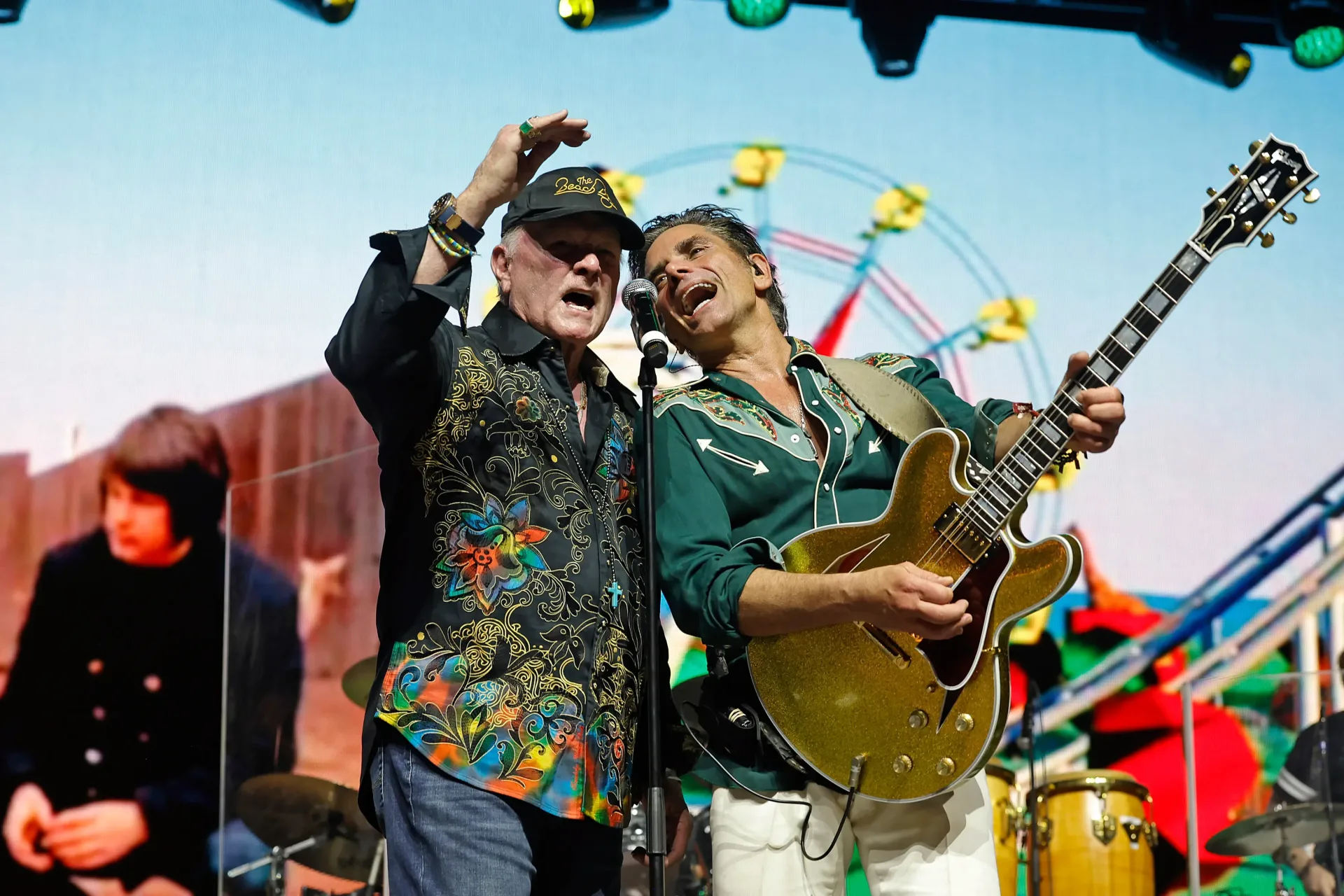
Stamos has appeared with the Beach Boys on and off since 1985. His contributions included conga drums and steel drums in the 1988 video for “Kokomo,” making his association with the group a working musical connection that spanned decades.
That distinction matters. Celebrity friendships can be reduced to old photographs and one-off cameos, especially when a beloved act is involved. Stamos’ history with Love instead included performing the songs alongside him, standing behind the drums and taking part in the mechanics that make a live set happen. It placed him close enough to observe Love’s relationship with an audience in real time.
Stamos’ friendship with the Beach Boys also crossed into his television career. The group appeared on Full House several times, including the 1988 episode “Beach Boy Bingo,” in which they performed “Kokomo.” For viewers who encountered the group through that show, those appearances connected a famous band’s catalog with family sitcom culture. For Stamos, they were part of a far longer personal and professional bond.
The crossover is also a reminder that music’s legacy is not limited to the original recording. A song can live through a video, a television performance, a concert encore or the memory attached to the people who shared it. “Kokomo” is specifically part of Stamos’ story with the band in all of those forms: video appearance, sitcom performance and a connection with the musicians themselves.
Recent concerts made the loss feel close
Love and Stamos had performed together recently. Stamos played drums with Love at two Hollywood Bowl concerts over the July 4 weekend, and later joined the group in Nashville in October.
Related coverage includes John Stamos Remembers Mike Love in Instagram Tribute.
After the Nashville date, Stamos posted a message that now reads as unusually poignant. He said he had long known circumstances would eventually change but had not allowed himself to picture how that day might feel. He also wondered whether it could be the last time he would stand behind Love, play the songs, watch him lead an audience and experience the effect of the group’s harmonies filling a room.
That earlier reflection did not present the Nashville show as a confirmed farewell. Stamos explicitly hoped it was not the end. Still, it documented an awareness shared by many artists and fans around late-career performances: every show has the ordinary energy of another night’s work, yet it may also carry an unspoken sense of rarity.
For a performer, being onstage is a different kind of proximity than listening from the crowd. Stamos’ description focused on the view from behind Love, on the work of engaging an audience, and on harmonies heard inside a shared space. Those details point to the collaborative nature of a concert. A front person may be the visible focal point, but the experience depends on everyone contributing to timing, rhythm, arrangement and atmosphere.
What “harmonies” means in this tribute
In popular music, harmony means multiple notes sounding together to support or interact with the main melody. Vocal harmony is not merely several people singing at once; its impact comes from how individual vocal lines fit together. Stamos’ reference to harmonies filling a room is therefore more than general praise for a loud crowd-pleaser. It identifies the communal sound of voices working together as one of the moments he valued most while performing with Love.
His recollections also emphasize the present tense of live music. Recordings preserve a performance, but they cannot recreate every part of the concert environment: the sightline from the drum position, the response of an audience, the interaction between musicians or the feeling that a familiar song has become newly immediate in one room on one night.
Why the “unfinished” image lands differently now
The painting’s caption avoids the usual language of a memorial portrait. “Unfinished” does not attempt to package Love’s life or make a claim about its total meaning. Instead, it leaves an open edge. That suits Stamos’ account of a friendship that was still active: they had played Hollywood Bowl dates together, and then the Nashville appearance followed.
It also avoids turning grief into a polished statement. Stamos’ message admits the disruption plainly. He said he could not remember the last time he cried himself to sleep, a detail that makes the tribute feel less like public ceremony and more like a person confronting a loss he had not fully prepared himself to imagine.
There is no indication here that Stamos is trying to offer a definitive account of Love’s career. His post does something narrower, and arguably more affecting: it records the effect Love had on one longtime friend and collaborator. In that account, Love is a musician whose work produced joy, an audience-facing performer Stamos watched closely, and a person whose absence has made the scale of that connection newly painful.
That perspective is consistent with the way durable music communities work. Songs can be shared across decades, across television and concert stages, and across generations of listeners. But relationships inside those communities are sustained through rehearsals, travel, backstage exchanges and the repeated act of playing. Stamos’ tribute keeps the focus on that human part of the story.
For another recent music story focused on the relationship between an artist’s catalog and live, archive-minded performance, see this look at Yasiin Bey’s archive-focused Blue Note Los Angeles sets.
A tribute that preserves a specific view of Mike Love
Love’s public identity included being a Beach Boys co-founder and its longest-serving member. Stamos’ words preserve a more immediate view: the musician at work in front of an audience, the bandmate heard in a room full of harmonies, and the friend whose capacity for bringing joy now makes the absence more difficult to absorb.
That is why the tribute’s emotional core is not simply sadness. It is gratitude complicated by loss. Stamos frames the hurt as evidence of how much the friendship mattered, while the “unfinished” portrait leaves room for the fact that a life in music can continue to feel active and unresolved in the memories of those who made it alongside you.