The Baseus Inspire XC1 Open Ear Clip-On Earbuds are listed at $94, a $46 reduction from the stated $140 usual price. That works out to roughly 33% off. The discount is notable, but the more important question for anyone considering them—especially for gaming, commuting, calls, or working at a desk—is whether an open-ear clip-on design fits how they actually listen.
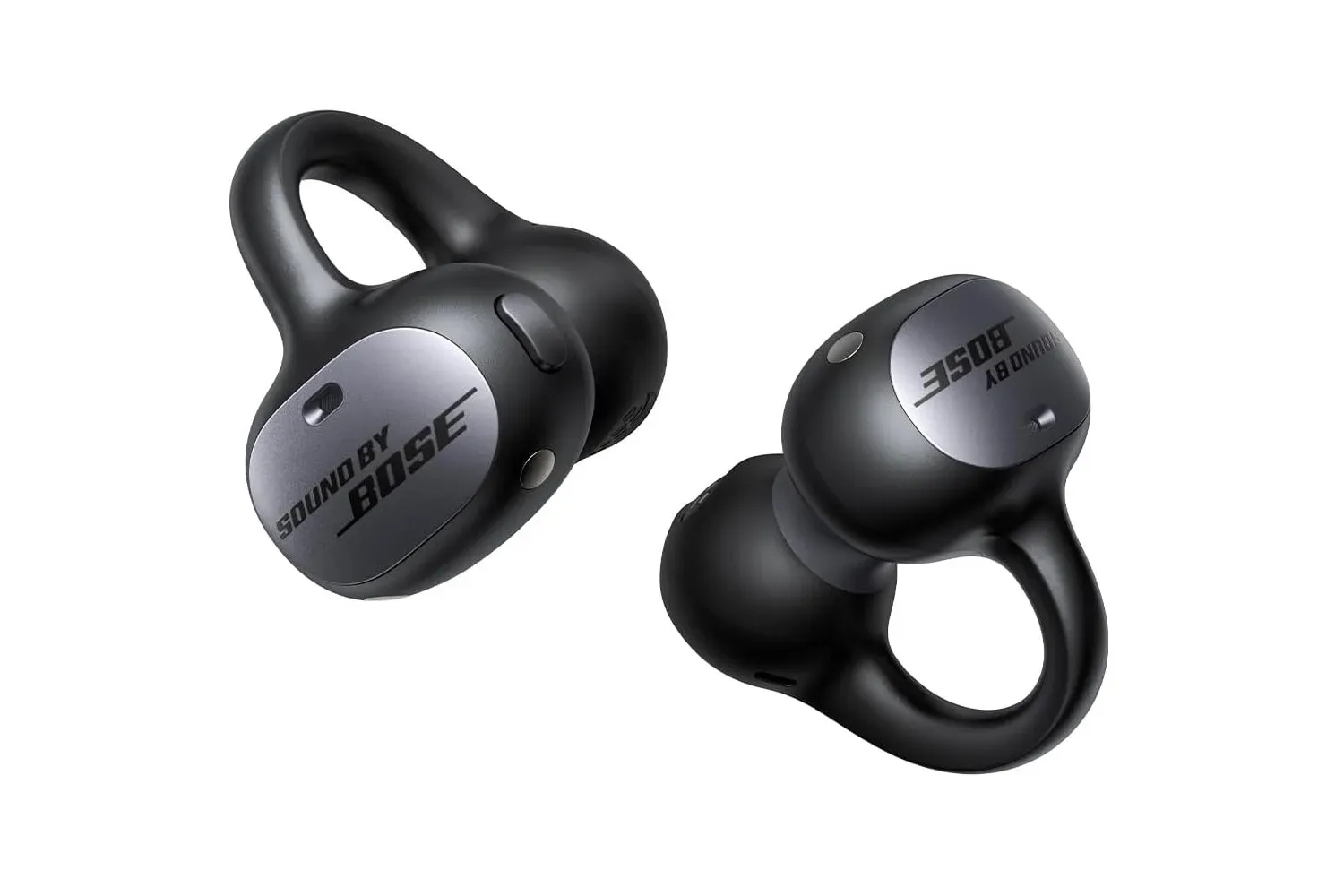
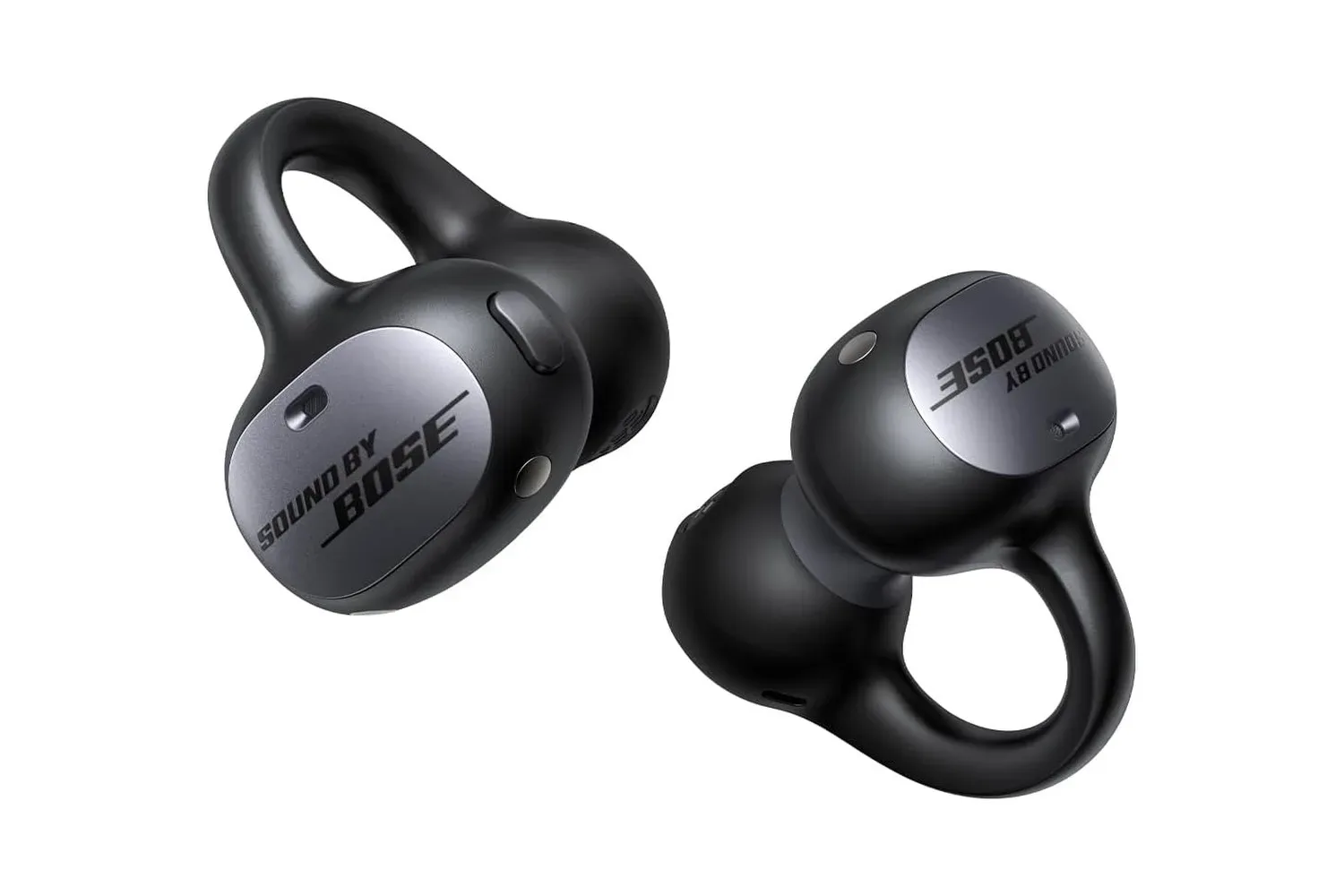
These are not conventional in-ear buds. Rather than placing a tip inside the ear canal, each Inspire XC1 clips to the outer ear and positions its speaker near the canal entrance. Music is directed inward, while the listener can still hear nearby voices, traffic, alerts, and other environmental sound. That is the entire point of the product, not a flaw to be engineered away.
For people who dislike the plugged-up feeling of sealed earbuds, or who need to remain aware of what is around them, that approach can be compelling. It also imposes a clear acoustic compromise: open-ear listening cannot provide the same isolated, pressurized low-end response as a sealed in-ear design.
What the $94 Baseus Inspire XC1 listing includes
Baseus positions the Inspire XC1 as a feature-heavy set of open-ear clip-ons. The sound tuning is credited to Bose, and each earbud uses two drivers: a dynamic woofer for lower frequencies and a Knowles balanced-armature tweeter for higher frequencies.
A driver is the miniature component that turns an electrical audio signal into sound. Using separate drivers for different frequency ranges is meant to let each component focus on part of the audible spectrum. Here, the dynamic woofer is responsible for low-end output, while the balanced-armature unit handles high frequencies. The presence of two drivers does not erase the limitations of the open design, but it describes how the earbuds are attempting to give their sound more range and definition.
- Listed price: $94, down from a stated $140.
- Fit: open-ear clip-on construction rather than an ear-canal seal.
- Audio hardware: Bose-tuned sound, with a dynamic woofer and Knowles balanced-armature tweeter in each earbud.
- Battery claim: about eight hours from the earbuds, and about 40 hours including the charging case.
- Calls: four microphones, AI-based background-noise handling, and wind-noise reduction.
- Wireless features: Bluetooth 6.1, multipoint support, and LDAC support on Android.
- Durability: IP66-rated earbuds; the charging case is not included in that rating.
The flexible clip is another major part of the design. Baseus uses soft liquid silicone at the contact area, air cushions where the clip meets the ear, and flexible ring joints that it says were tested through 10,000 bends. Those claims speak to the intended comfort and durability of the physical fit, though they do not guarantee that every ear shape will find a clip-on comfortable for the same length of time.
Open-ear audio is awareness first, isolation second
Standard sealed earbuds sit in the canal and create an enclosed space. That seal blocks some outside sound and helps preserve bass by keeping low-frequency energy close to the eardrum. The Inspire XC1 does the opposite: its speakers remain outside the canal, so the user hears both the audio and the world around them.
In practical terms, that means the earbuds may make more sense during a walk, while working around other people, or in situations where removing an earbud repeatedly would be inconvenient. Someone can listen to a podcast, soundtrack, or voice chat without entirely giving up awareness of conversation or approaching traffic.
Related coverage includes Kotaku reports $94 Baseus Inspire XC1 earbuds: What phone users should know.
There is no getting around the downside. Lower-frequency sound disperses into open air rather than being contained by an ear-canal seal. The result is less bass impact than a typical sealed pair can produce. Even though the Inspire XC1 has a dedicated woofer and a Bass Boost option, shoppers should treat the product as an awareness-focused alternative, not as a direct replacement for an isolating earbud built around deep low end.
That distinction matters for games as much as music. Open-ear audio can be useful if a player needs to hear someone in the room, a doorbell, or other real-world cues. Conversely, it is not ideal when the goal is total immersion or when environmental noise is already distracting. It also will not prevent surrounding sound from competing with quiet in-game details.
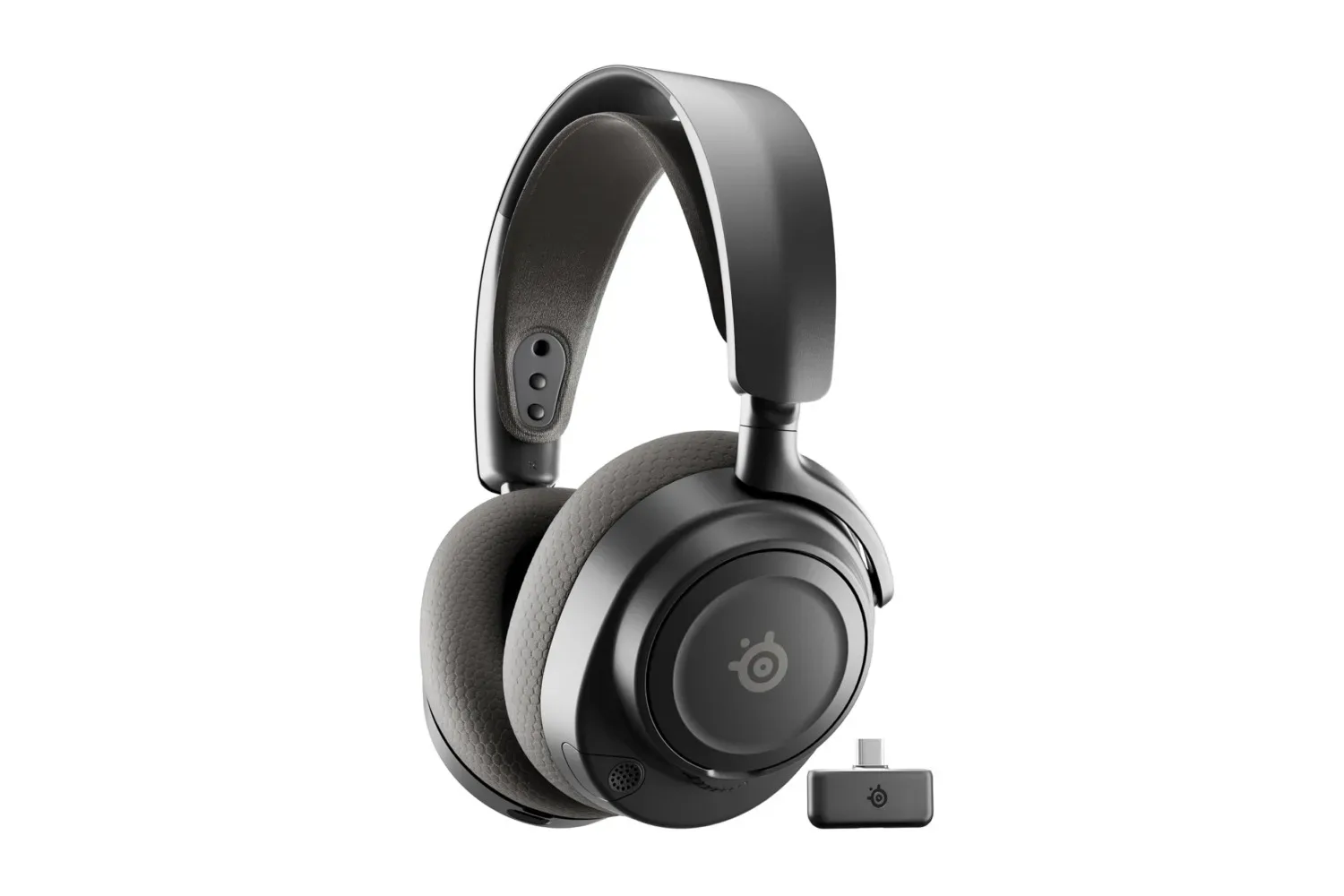
Players looking for a more conventional gaming headset comparison may also want to consider how this differs from a full headset design; the SteelSeries Arctis Nova 7P Gen 2 deal report covers a separate wireless option aimed at PC and PlayStation use.
Battery numbers need their test conditions attached
Baseus advertises approximately eight hours of use from a charge and around 40 hours when the charging case is counted. Those headline figures have an important qualification: the 40-hour total was measured at 50% volume with Bass Boost and Dolby disabled.
That does not make the claim unusable; it explains the conditions behind it. Higher volume, Bass Boost, and Dolby use can all reduce real-world runtime. For a prospective buyer, the sensible interpretation is that the quoted total is a best-case-style benchmark rather than a promise that every charging cycle will produce the same number.
Dolby in this context is an audio processing feature, while Bass Boost adjusts the emphasis on lower frequencies. Both can be attractive options, particularly given the natural bass limitations of an open design, but turning them on may change the battery outcome. Anyone deciding between these earbuds and a different model should compare battery claims with the test settings in mind, rather than simply comparing the largest number on the box.
Multipoint, LDAC and calls: who benefits?
The Inspire XC1 supports multipoint, meaning it can stay paired with more than one device simultaneously. A straightforward example is maintaining a connection to a phone and laptop at the same time. That can make the earbuds more convenient for someone who moves between computer audio and phone calls, since switching devices does not necessarily mean starting the Bluetooth pairing process again.
The earbuds also support LDAC, a Bluetooth audio codec intended to allow higher-quality wireless audio. That feature is limited to Android phones. iPhone users should not buy the XC1 expecting to use LDAC, while Android users should understand that codec support is only one part of the listening experience; the open-ear form factor still determines how much outside sound enters and how the bass behaves.
For calls, Baseus includes four microphones and says artificial intelligence is used to separate the speaker’s voice from background noise. There is also wind-noise reduction, which the company says holds up while biking at speeds of up to 5 meters per second. That is a manufacturer claim, not a guarantee of call clarity in every noisy setting. Wind, traffic, the caller’s own environment, and fit can all affect a real conversation.
IP66 is useful protection, but it has a boundary
The earbuds carry an IP66 rating. IP ratings describe resistance to ingress from dust and water. In this case, the rating applies to the earbuds themselves, not the charging case. That distinction is essential: protecting the buds does not mean the case should be treated as having the same resistance.
For buyers who exercise outdoors or use earbuds in variable weather, the rating is a relevant part of the appeal. It should not be read as blanket permission to expose every component of the package to water. Keep the case protected, and remember that a water-resistance classification is different from a statement that a device is invulnerable in every wet-use scenario.
The buying case is strongest for listeners who want to stay present
At $94, the Baseus Inspire XC1 brings dual-driver hardware, multipoint connectivity, Android-only LDAC, four microphones, and an IP66 rating for the earbuds to a category centered on open listening. The discount makes the package more attractive, but it does not change the fundamental choice: these prioritize awareness and an unsealed fit over isolation and maximum bass weight.
That makes them a potentially sensible pick for listeners who actively want environmental sound to remain audible, who prefer not to insert earbuds into their ear canals, or who value quick phone-and-laptop switching. They are less naturally suited to someone seeking a private, sealed listening bubble or the strongest possible low-frequency presence. The stated $94 price is the useful deal detail; the open-ear trade-off is the detail that should decide the purchase.
Shop the products
Check current price, model and availability at the retailer.