
Yasiin Bey is bringing two distinct views of his catalog to Blue Note Los Angeles across three late-night performances in December. The first, scheduled for December 4 at 11:30 P.M., is centered on The Ecstatic, the album originally released in 2009. Two further shows, billed as Archives & New Works, follow on December 7 and 8, also at 11:30 P.M.
The split is meaningful because it makes a clear distinction between revisiting a particular album and presenting a wider, less fixed selection of material. The December 4 date is framed around a record with its own collaborators, production credits and newly expanded physical edition. The later shows instead point toward material from Bey’s archives alongside newer work, without promising a track-by-track repeat of the album night.
It is also a format Bey recently used in New York: an Ecstatic-focused performance took place at Sony Hall on November 13, followed by a night built around archival and newer material at Blue Note’s Greenwich Village location. The Los Angeles run extends that catalog-focused approach rather than treating the three dates as identical stops.
What separates the three Blue Note LA shows
For attendees, the practical difference is straightforward. December 4 is the date for listeners specifically interested in the world of The Ecstatic. December 7 and 8 are the dates designated for a broader range of Bey material, including new work. The available details do not specify a complete set list for any of the shows, nor do they confirm that the two archive-focused nights will be the same as one another.
- December 4, 11:30 P.M.: The Ecstatic-focused performance.
- December 7, 11:30 P.M.: Archives & New Works.
- December 8, 11:30 P.M.: Archives & New Works.
That distinction matters in an era when an album anniversary or reissue show can mean several different things. It can imply a full-album performance, a set heavily shaped by an album, or simply a themed selection. Here, the booking identifies the December 4 event with The Ecstatic, but does not provide a song-by-song promise. Similarly, “Archives & New Works” tells fans where the emphasis lies without defining which unreleased, older or recent pieces will appear.
For readers following live music news around Los Angeles, this arrives amid a broader stream of artist activity in the city, including recent reactions from Wale, Kid Ink and Pressa after an earthquake shook Los Angeles. Bey’s scheduled appearances are a separate music event, but they underline the city’s continued place as a setting for both touring performances and hip-hop news.
Why The Ecstatic is back in focus
The Blue Note appearance follows a renewed release campaign for The Ecstatic through a partnership between Bey and Rhymesayers Entertainment. The album arrived on Qobuz in June, then returned in physical forms—vinyl, CD and cassette—in August.
In this case, a reissue is not merely a replacement copy of the original release. The deluxe physical package adds two songs not included on the initial album: “The Size” and “The Tournament.” Those tracks are placed on their own red seven-inch single, rather than folded into the main album sequence.
Related coverage includes Yasiin Bey Sets Three Blue Note LA Shows for December.
That configuration is worth spelling out. A seven-inch single is a smaller vinyl record format traditionally associated with one or a few tracks. Separating the two additions onto a distinct disc keeps the original album and its bonus material physically distinct. For collectors, that makes the extras a defined part of the deluxe package rather than an unmarked alteration to the 2009 record.
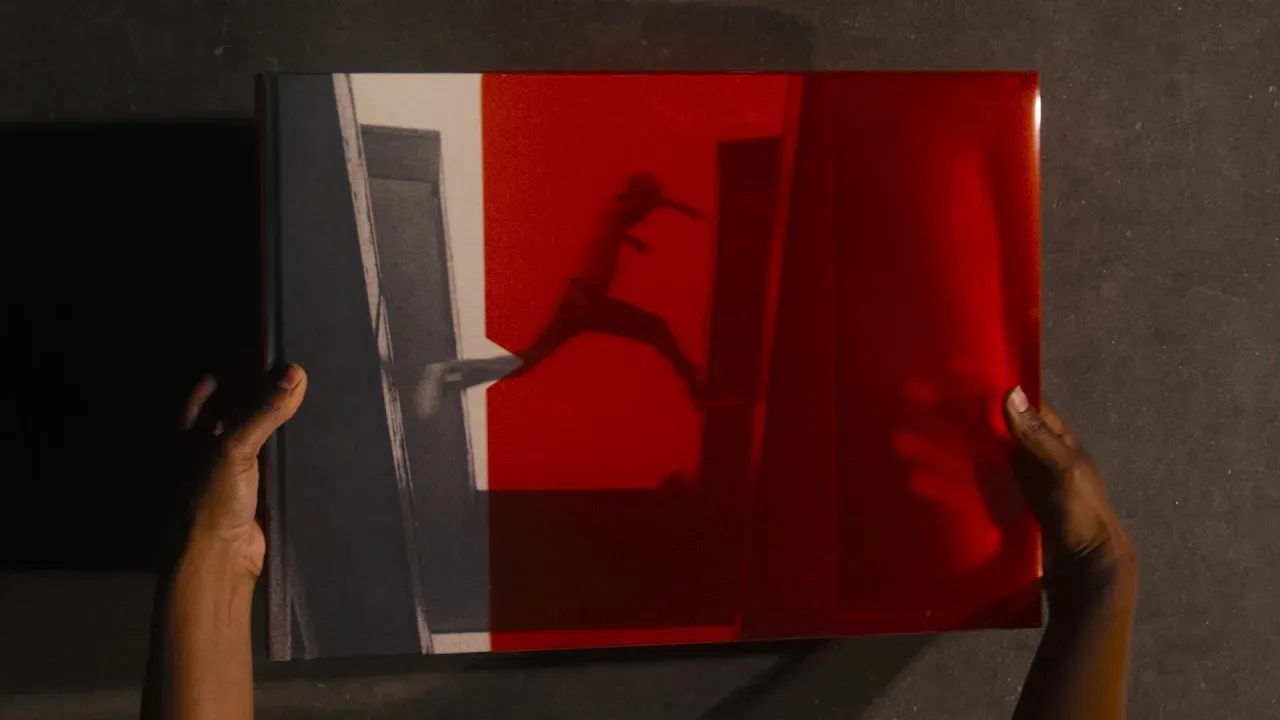
The edition also includes a 120-page hardcover book assembled around photographer Cognito’s work. The photographs document the album’s sessions and promotion over a two-year period, and the book includes handwritten notes from Bey. It adds production-era documentation to the music release: images and notes tied to the process and promotional period rather than only contemporary retrospective commentary.
Guests and producers on the original record
The Ecstatic was first released by Downtown Records. Its credited guests include Talib Kweli—Bey’s Black Star partner—on “History,” and Slick Rick on “Auditorium.” The production credits noted for those tracks are equally specific: J Dilla produced “History,” while Madlib produced “Auditorium.”
Those details help explain why an album-specific evening can have a different identity from a broad archival set. A record is not just a collection of song titles; it is also a particular network of collaborators, producers and creative choices. Whether any guests or particular production recreations will factor into the Los Angeles performance has not been stated, so fans should not assume them. But the original album’s personnel remains central to understanding the record being revisited.
Qobuz, physical media and Bey’s position on artist pay
The reintroduction of The Ecstatic has also been connected to Bey’s longstanding criticism of low streaming compensation. Rhymesayers cited his advocacy for fairer artist pay in explaining the album’s availability through Qobuz.
Streaming compensation refers to the revenue artists and rights holders receive when recordings are played through a subscription or ad-supported digital service. The amount reaching any one participant can vary based on contractual arrangements, ownership and a platform’s payment model. The supplied details do not provide a payout comparison between services, but they do establish Bey’s broader objection to payments he has characterized as extremely small.
“The music industry of now makes the one I started out in seem charitable. It’s completely exploitative.”
Bey made that criticism while discussing payments of “part of a penny” for music. His past distribution choices provide additional context for why the platform question is not incidental. Black Star initially released No Fear of Time through Luminary, a subscription podcast service. Taken together with the Qobuz rollout for The Ecstatic, the record shows a willingness to pursue release arrangements outside a simple, uniform streaming path.
That should not be read as a claim that any one platform or format solves the economics of recorded music. The available information supports a narrower conclusion: Bey has publicly criticized low streaming payouts, and the renewed circulation of The Ecstatic has been presented in a way that aligns with his stated concern for fairer compensation.
A live extension of a broader reintroduction
The three Blue Note Los Angeles shows put live performance alongside multiple ways of engaging with Bey’s work. The December 4 concert draws attention to a particular 2009 album; the December 7 and 8 bookings make room for archive material and newer pieces; and the reissue gives listeners physical and digital routes back to The Ecstatic.
For the physical-release audience, the added red seven-inch and hardcover photography book make the deluxe edition more than a standard repress. For listeners interested chiefly in performance, the key decision is between a date tied directly to The Ecstatic and one of the archive-and-new-work sets. In either case, the late 11:30 P.M. start time applies to all three Blue Note LA appearances.
What remains intentionally open is the detailed content of the performances. No complete set lists, guest appearances, durations or differences between the December 7 and December 8 programs have been announced in the supplied information. The confirmed part is the structure: one night devoted to The Ecstatic, followed by two nights looking across Bey’s older material and current creative output.