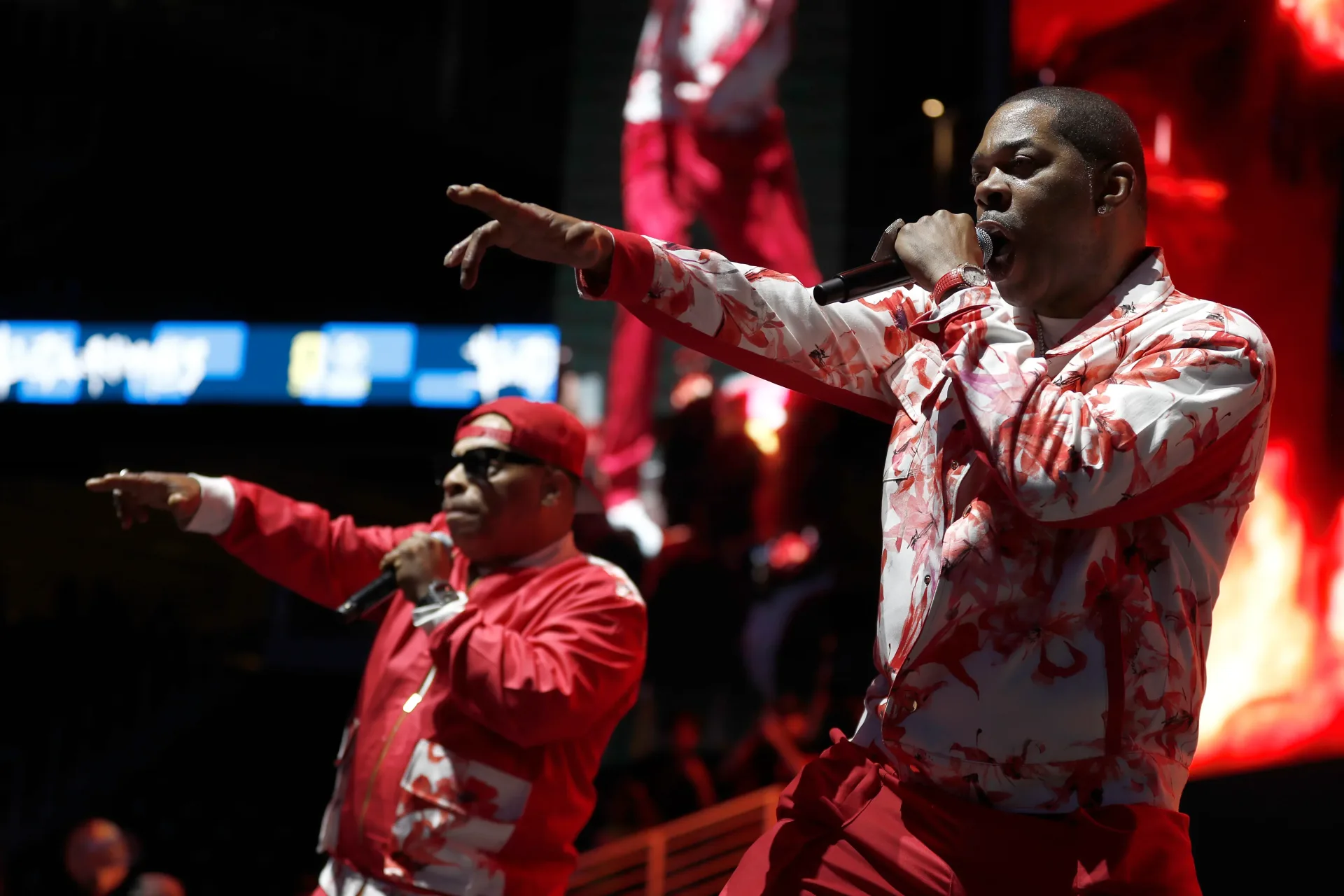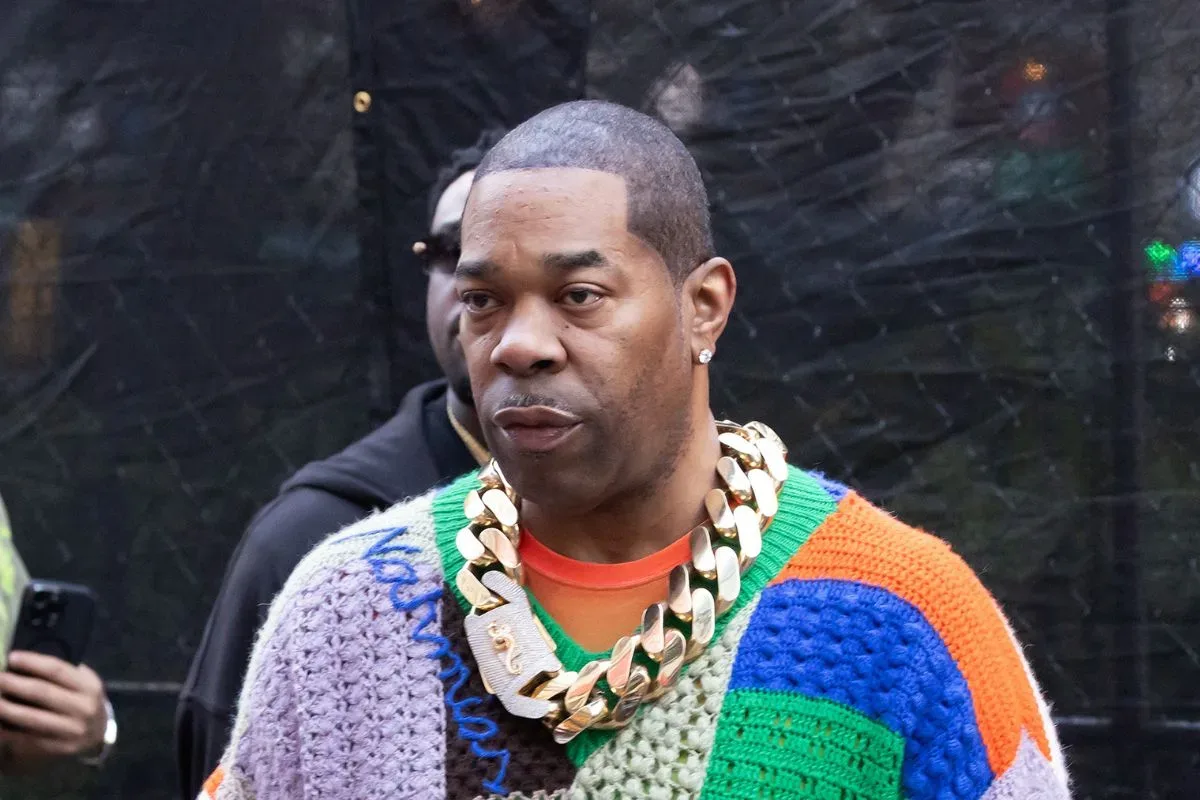
Busta Rhymes is pursuing a first Grammy win with Dillagence II, his album built around work by the late producer J Dilla—and the calendar has given that campaign unusual emotional weight. The Grammy ceremony is scheduled for February 7, 2027, the date that would have marked Dilla’s 53rd birthday.
The album is not nominated yet. It remains in contention during the Grammy voting process, with Busta aiming for a Best Rap Album nomination. But the overlap between the ceremony date and Dilla’s birthday makes even the possibility feel especially resonant: it would place a potential industry honor for their collaboration on a day already tied to celebrating Dilla’s life and influence.
“It would mean everything because neither one of us has received a Grammy,” Busta said of the prospect.
That statement captures the straightforward stakes. Busta has received 12 Grammy nominations without a win. Dilla, born February 7, 1974, and deceased February 10, 2006, likewise never received a Grammy. An award for Dillagence II would therefore carry two meanings at once: recognition for Busta’s present-day work and a posthumous acknowledgment of a producer whose catalog has continued to connect artists across generations.
From a proposed song to a 19-track album
Dillagence II arrived August 25 through Busta’s Conglomerate label. The project contains 19 tracks and runs a little more than an hour, combining Busta’s newly recorded material with beats from Dilla.
The record’s path began with a much smaller idea. Busta said Ma Dukes, Dilla’s mother, called him in November 2025 to discuss how to recognize 20 years since Dilla’s death. Busta initially intended to make one song. That plan ultimately expanded into an album.
That origin matters because it frames the release as a memorial-minded collaboration rather than simply an artist reaching into a famous producer’s archive. Dilla’s family is also embedded directly in the record’s structure: Ma Dukes opens and closes the album. Putting her voice at both ends gives the project a clear family presence, while also establishing an intentional beginning and ending for a release centered on legacy.
Busta has said he approached the guest list carefully, with the aim of protecting Dilla’s work. The featured artists named for the album are Common on “What We Got in Common,” Talib Kweli on “Love & War,” and D’Angelo on “This Woman.” Those selections place Busta alongside artists with distinct voices rather than turning the project into a crowded all-star compilation.
For listeners, the practical takeaway is that Dillagence II is designed as a full-length album with a defined tribute purpose, not a reissue or a newly released Dilla album in his own name. Busta’s new performances are paired with Dilla beats, while the guests and Ma Dukes’ appearances supply the album’s human context.
What “Best Rap Album” recognition would actually mean
Best Rap Album is the category Busta is targeting. A nomination, however, is not the same thing as an award, and no nomination has been announced for Dillagence II.
The Grammy process described for this cycle has two key stages. The first-round vote determines the nominees. The final round determines the winners. First-round voting closes October 22, and nominees are due to be announced November 16. Final-round voting runs from December 10 through January 7, 2027. The awards show follows on February 7.
In other words, the campaign has several gates before it could culminate on Dilla’s birthday. First, the record must make the nominees list. Then it would need to prevail in the final vote. Treating the album as an existing Grammy winner would be premature; its status is that it is in the running.
The distinction is more than procedural. A Grammy nomination would formally put the album into the category conversation. A win would be the eventual result of the final voting round. For a project rooted in an artist’s legacy, that sequence also separates the public symbolism of the ceremony date from the actual voting decisions that must happen beforehand.
A connection that predates the new record
Dillagence II is not Busta’s first attempt to honor or work through his connection with Dilla’s music. Their creative relationship reaches back to Busta’s early solo period, when Dilla helped shape the sound of “Still Shining” and “Show Me What You Got.” Busta later released the 2007 Dillagence mixtape, hosted by DJ Mick Boogie.
That history gives the new album a different texture from a one-off tribute made decades after the fact. Busta is revisiting a relationship that had already left a mark on his catalog and that he had previously commemorated. The “II” in the album title makes that continuity explicit: it connects the 2026 project to the earlier mixtape while expanding the scale from a tribute release into a 19-song studio album.
Dilla’s wider body of work is also central to why a Grammy campaign attached to his name attracts attention. He produced for A Tribe Called Quest, De La Soul and The Roots, and he was a founding member of Slum Village. Those credits place him within multiple important strands of hip-hop, as both a producer and a group member.
A producer’s role can be broad: it may include shaping beats, rhythm, arrangement and the musical framework a rapper or singer performs over. In the case of Dillagence II, the central creative premise is specifically the meeting of Busta’s new vocal work with Dilla beats. The record’s meaning rests on that exchange between an established archive and newly made performances.
Why the timing carries more than a campaign hook
Dilla died on February 10, 2006, three days after his birthday. The 2027 ceremony will take place just days before the 21st anniversary of his death, while landing exactly on his birthday. Busta has described the endeavor in spiritual terms, saying, “This is godly to me.”
There is an understandable temptation to reduce that timing to a neat awards-season narrative. But the chronology supplied by Busta points to something more personal. The album started with Ma Dukes asking how to commemorate two decades since her son’s death. The possible Grammy date emerged later as a striking convergence, rather than as the stated reason the project began.
That does not make recognition guaranteed, nor does it make a nomination the only measure of the album’s value. It does make the campaign legible as part of a longer act of remembrance involving Busta, Dilla’s family, and collaborators selected with care. A Grammy win would be meaningful precisely because both artists have gone without one—not because it could rewrite the existing significance of Dilla’s work.
The story also arrives during a period when entertainment companies continue to weigh how they manage creative catalogs, leadership, and long-term cultural value; recent changes in streaming-content leadership are a separate example of how decisions around creative work can have lasting consequences. In Busta and Dilla’s case, the focus is narrower and more personal: stewarding a late producer’s music in a way Busta says honors the work.
What to watch next
- October 22: First-round Grammy voting closes.
- November 16: Grammy nominations are scheduled to be announced.
- December 10 through January 7, 2027: Final-round voting takes place.
- February 7, 2027: The Grammy ceremony is scheduled for Dilla’s birthday.
Until the nominee announcement, the most accurate description is simple: Dillagence II is seeking a place among the Best Rap Album nominees. Whether it reaches the final ballot or the winner’s stage remains undecided. What is already clear is the unusual alignment of the album’s purpose, its family-centered origin, Busta’s longtime connection to Dilla, and a ceremony date that falls on the producer’s birthday.