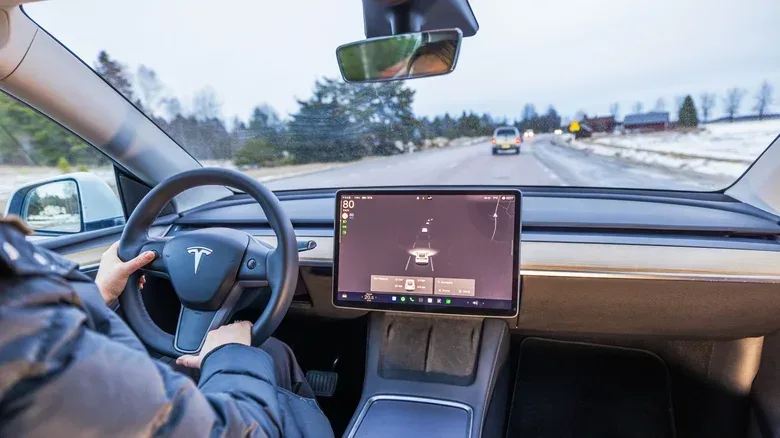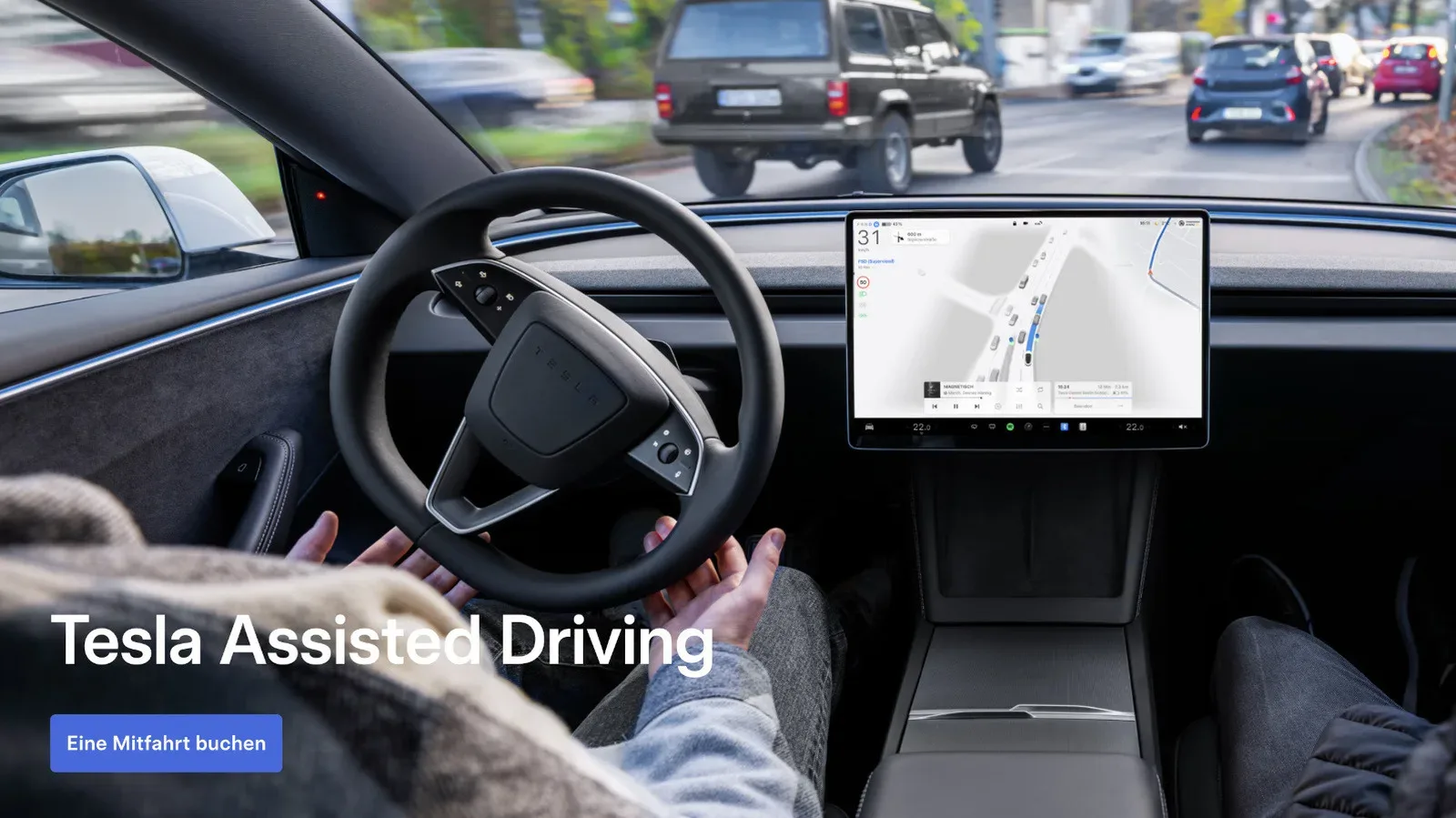
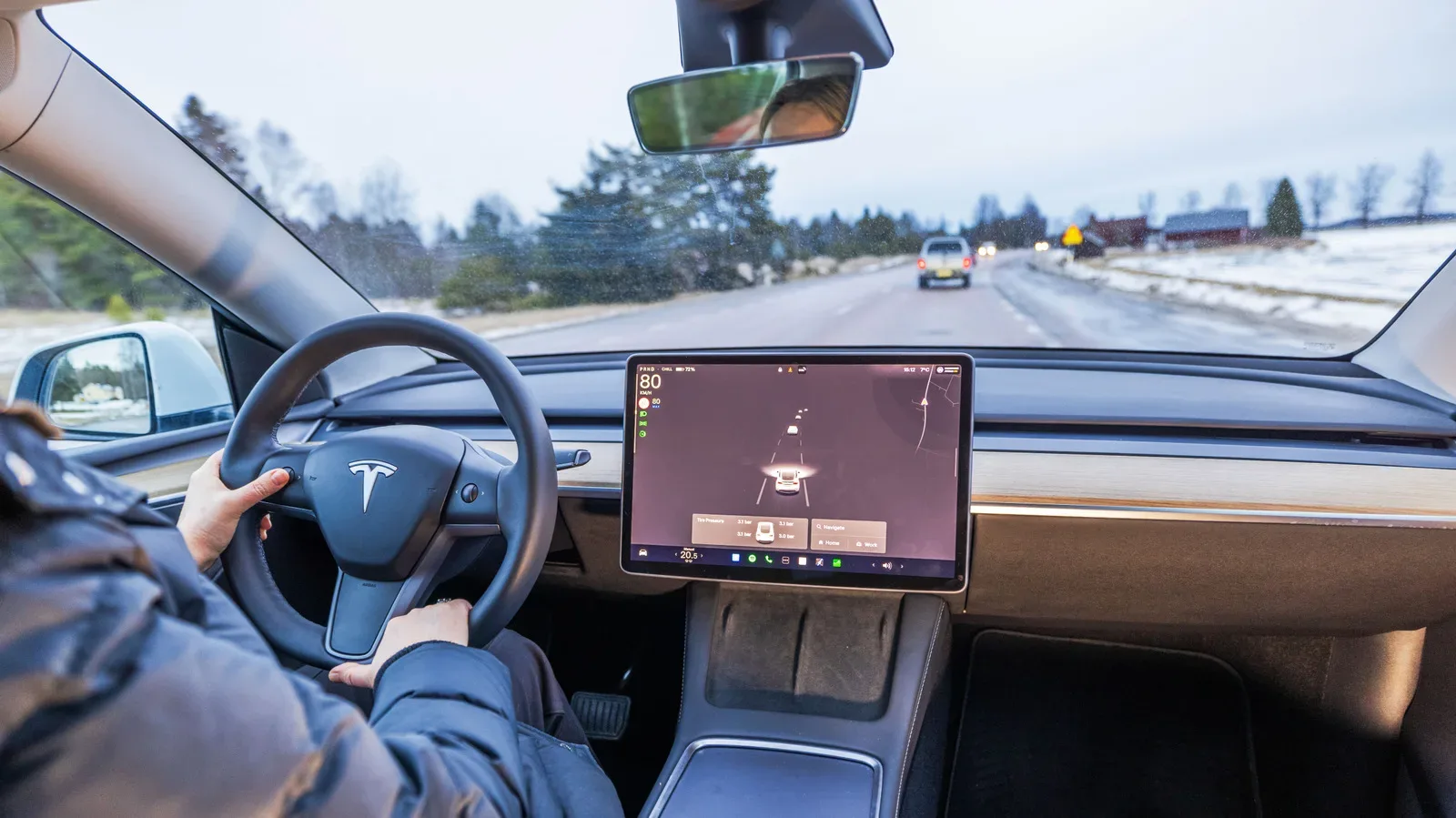
Tesla has received provisional approval to roll out its driver-assistance system in Italy, marking another step in the company’s uneven European expansion. The feature is called Full Self-Driving (Supervised) elsewhere, but Tesla has rebranded it as Tesla Assisted Driving in Europe.
Italy’s Ministry of Infrastructure and Transport granted the provisional clearance following what Transport Minister Matteo Salvini described as a timely technical-feasibility review. Tesla’s European account said the Italian rollout will begin soon and shared footage showing the system operating on roads in Italy, including near the Colosseum.
The important word, however, is provisional. Italy has opened a door for Tesla’s system, but this is not presented as a final, Europe-wide settlement of the regulatory question. Tesla is still awaiting a broader European Union decision expected before the end of the year, while major markets including Germany and France have yet to deliver their own outcomes. France is currently testing Tesla Assisted Driving.
What Italy has approved
The approval applies to Tesla Assisted Driving, the European branding for Full Self-Driving (Supervised). The “supervised” label is central: this is described as a driver-assistance system, not as an authorization for a vehicle to operate without a responsible human driver.
That distinction is worth keeping clear because product names can do a lot of rhetorical heavy lifting. “Full Self-Driving” can sound like a description of complete autonomy in ordinary conversation, whereas “Assisted Driving” puts the emphasis on the driver’s continued role. Tesla’s European name therefore more directly signals the category at issue in Italy: assisted driving under supervision.
In practical terms, the Italian decision gives Tesla a regulatory milestone in a large EU country and creates a path toward a near-term rollout there. It does not, on the facts currently available, establish that every major European market has made the same decision or that a final EU-wide vote is no longer relevant.
Why the approval matters now
Italy’s move comes before the anticipated EU vote later this year. That sequencing makes the decision notable. Rather than waiting for the wider EU process to conclude, Italy has acted on a provisional basis after its own technical-feasibility review.
For Tesla, the immediate value is clear: another national regulator has permitted progress, and Italy joins a growing group of European countries that have moved ahead with provisional approvals. For drivers, the result is more specific than a continent-wide launch: Italy is a market where Tesla says availability is coming soon, but the precise scope and timing of that rollout have not been detailed here.
Related coverage includes Italy Provisionally Approves Tesla Assisted Driving Rollout.
It is also a reminder that European deployment is progressing country by country as well as through EU-level processes. A single “Europe has approved it” headline would flatten a more complicated reality. The current picture is a patchwork: some national authorities have granted provisional approval, France is testing the system, Germany and France are still among the major countries awaiting decisions, and an additional EU vote remains expected.
Europe’s rollout so far
Tesla’s driver-assistance technology first entered Europe under a provisional approval from the Dutch regulatory authority in April. Following that decision, Denmark, Belgium and Czechia also provided provisional approvals.
- Netherlands: provisional approval in April, described as Tesla’s first European debut for the technology.
- Denmark, Belgium and Czechia: subsequent provisional approvals.
- Italy: now provisionally approved, with Tesla indicating a rollout will begin soon.
- France: testing Tesla Assisted Driving.
- Germany: among the major EU countries still awaiting a decision.
- European Union: another major vote is expected before year’s end.
That timeline matters because it shows momentum without turning it into a claim of universal access. The system has not simply appeared everywhere at once; its path has been governed through a sequence of national regulatory actions, each carrying the provisional qualifier in the approvals described so far.
“Provisional” is not a throwaway qualifier
In this story, provisional approval should be read as an essential part of the status, not fine print. It tells readers that the Italian clearance is real and meaningful, but not necessarily the last word on how the technology will be treated across Europe.
That is especially significant because Tesla’s next challenge is not only technological deployment. It is regulatory consistency. Approval in the Netherlands, Denmark, Belgium, Czechia and now Italy shows that several authorities have found a basis to permit the system. But approvals or testing in some countries do not automatically answer the remaining questions in others.
Germany and France matter because they are named among the major European markets whose decisions are still outstanding. France’s ongoing testing also underscores that evaluation can be a distinct stage from approval. A test process indicates that a regulator is examining the system; it should not be mistaken for confirmation that a public rollout has already been authorized there.
What drivers should—and should not—take from the news
For Tesla owners in Italy, the clearest takeaway is that the company has regulatory permission to begin a rollout soon. That may make Italy one of the more important European markets to watch as Tesla Assisted Driving expands beyond the countries that already granted provisional clearance.
But drivers should avoid filling in missing details. The information available does not specify an exact release date, which Tesla models will receive the system, whether availability will be simultaneous for all eligible vehicles, or what particular road situations are included in the Italian rollout. It also does not describe any revised rules for drivers beyond the defining “supervised” framing.
In other words, an approval headline is not a substitute for the eventual in-car information, rollout notice and local terms that drivers will need to review when Tesla begins distribution. The appropriate interpretation is narrow: Italy has cleared the system provisionally, and Tesla says a launch is forthcoming.
Names, interfaces and driver expectations
Tesla’s switch to the Tesla Assisted Driving name in Europe is more than a branding footnote. Names shape expectations, particularly when a feature deals with driving responsibility. Calling a system “assisted” foregrounds a partnership between person and vehicle rather than implying that the person has been removed from the task.
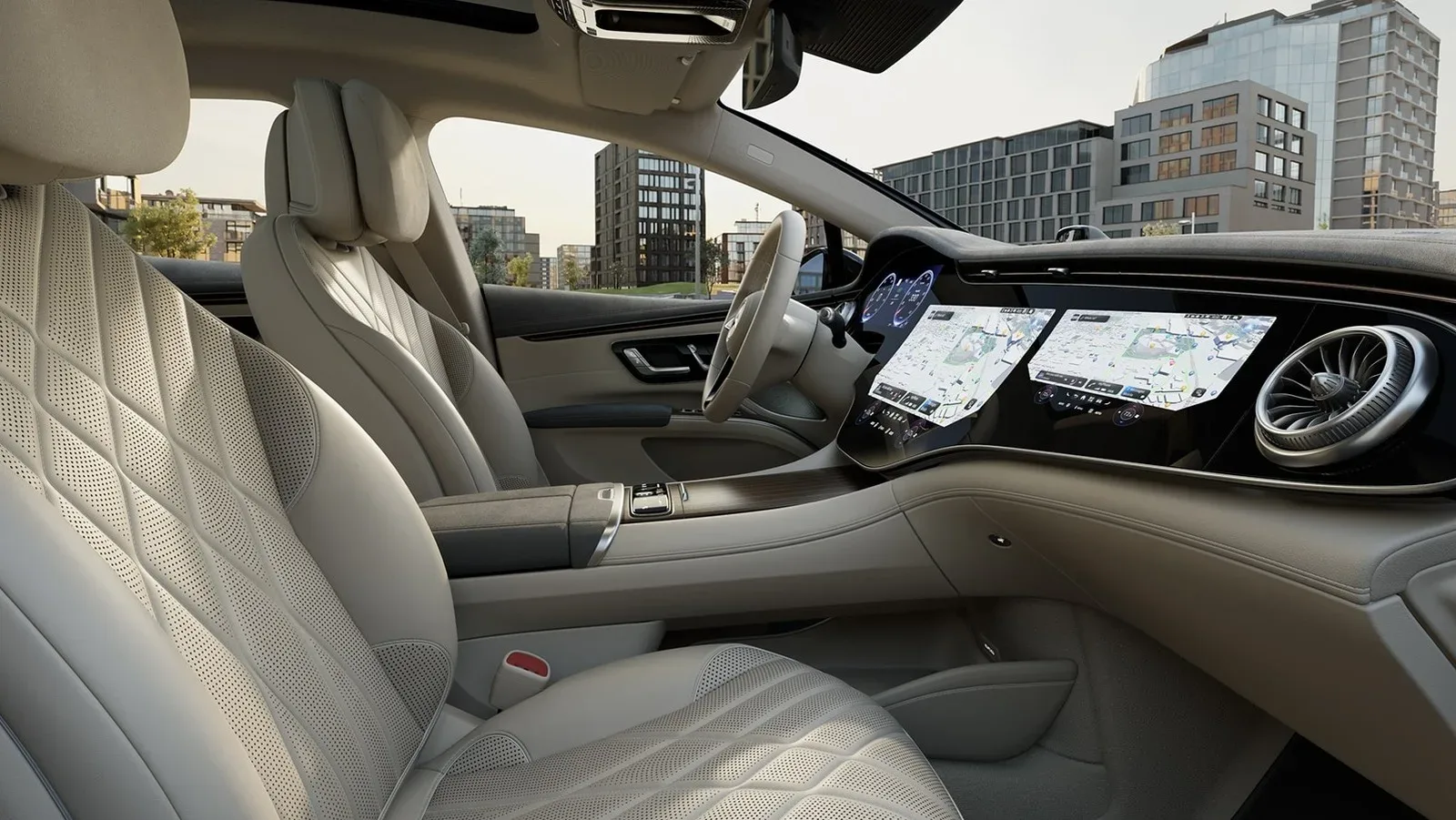
That communication challenge extends beyond the feature name. A car’s screen, alerts and controls are where a driver encounters complex technology in real time. The broader question of how a vehicle communicates its functions is relevant to any assisted-driving rollout; as explored in the debate over whether more in-car screen space automatically improves the experience, a large or sophisticated interface alone does not settle questions of usability or clarity.
That is analysis rather than a claim about Tesla’s Italian software specifically. No details have been provided here about Tesla’s interface changes, if any, for Italy. Still, the underlying implication is straightforward: when regulators approve driver-assistance technology, the feature’s label and the way its status is communicated can be just as important to public understanding as the headline capability.
The next milestones to watch
The Italian approval changes Tesla’s European position, but it does not complete the process. The next concrete developments are likely to be the beginning of Tesla’s Italian rollout, the outcome of French testing, decisions from Germany and France, and the expected EU vote before the end of the year.
Each of those developments could narrow the gap between a cluster of provisional national permissions and a more settled European regulatory picture. Until then, Tesla Assisted Driving’s status remains one of expanding access alongside unresolved decisions.
Italy has given Tesla a green light, but it is a supervised, provisional one in more than just the product’s name. The company can point to fresh momentum in Europe; drivers and observers should keep the remaining national and EU decisions firmly in view.