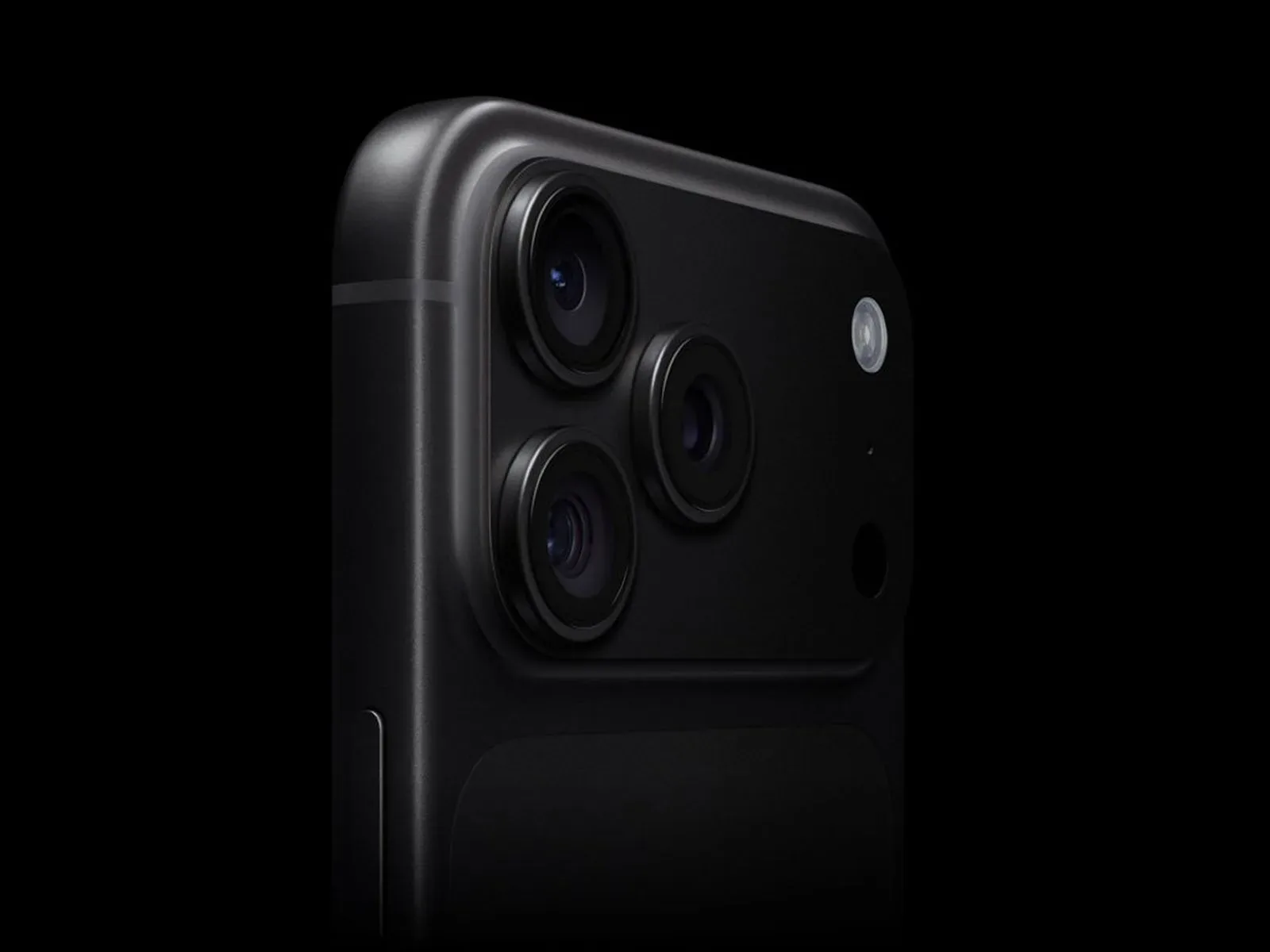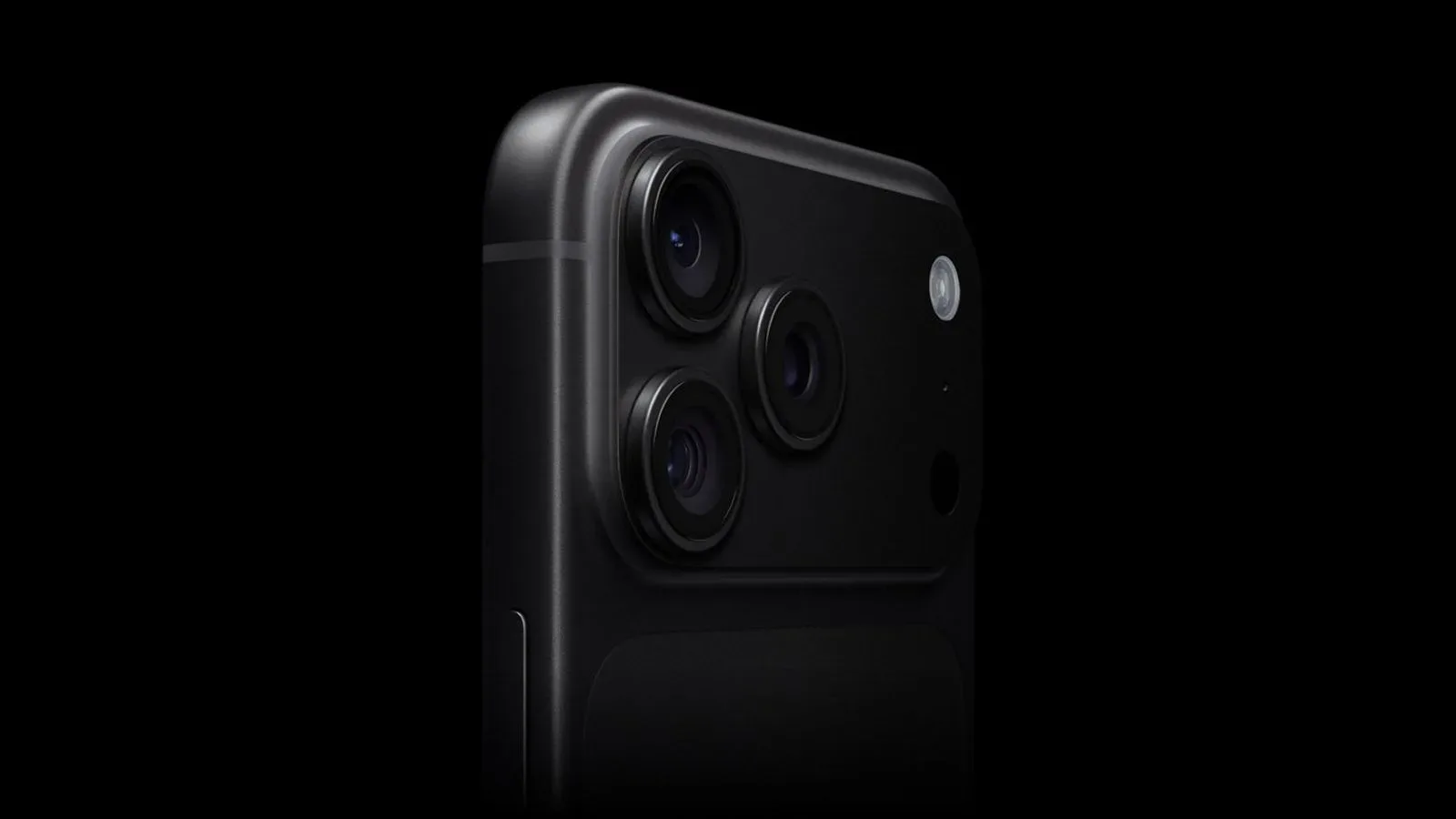
The iPhone 18 Pro Max appears to make a meaningful jump in wired charging speed, provided it is paired with the right USB-C power adapter. A video test indicates that Apple’s larger Pro model can rise from 0% to its displayed 100% charge in as little as 55 minutes. That compares with 81 minutes in a separate prior-generation test of the iPhone 17 Pro Max, a difference of 26 minutes.
That headline number needs a little context. A phone showing 100% does not necessarily mean the battery has stopped receiving energy entirely. Modern phones typically continue with a slower top-off phase after the indicator reaches full. Still, 55 minutes to reach the displayed 100% mark is a substantial result for people who charge in bursts during a day rather than leaving their phone connected overnight.
The same test puts the iPhone 18 Pro Max at 50% in 15 minutes. The comparable claim for the iPhone 17 Pro models was 20 minutes. Five minutes may not sound like a huge gap on paper, but it is exactly the sort of difference that can matter when a phone is nearly empty before a commute, a long gaming session, or a day away from an outlet.
The numbers: faster at the start, then deliberately slower
The tested iPhone 18 Pro Max reached a peak of 52W for its first 12 minutes of charging. For perspective, a separate test of the iPhone 17 Pro Max recorded a 36W peak. These figures describe peak charging power: the highest rate reached at a particular moment, rather than the speed sustained from empty to full.
That distinction is important. Charging is not a straight line. The phone can accept more power early in the process, then reduce the rate later as the battery fills. The slowdown is a normal protective measure intended to limit heat. It is therefore incorrect to take a 52W peak and assume that the device charges at 52W for the entire session.
In practical terms, the early phase is where the iPhone 18 Pro Max’s improvement looks most useful. Someone starting at 0% could potentially get to 50% in a 15-minute stop. The latter half takes longer because the device manages charging more cautiously as it approaches a full battery. This is why a phone’s “0% to 50%” figure and its “0% to 100%” figure are both useful, but answer different questions.
- 0% to 50%: the quick-emergency top-up metric.
- 0% to displayed 100%: a better indication of how long it takes to refill the phone before heading out for an extended period.
- Peak wattage: a snapshot of the fastest point in the charging curve, not a promise of constant power.
What is required for the fastest result
The test result is not a guarantee for every cable-and-charger combination. Apple’s specifications say the iPhone 18 Pro models need a power adapter capable of 60W or above and equipped with Adjustable Voltage Supply, or AVS, to attain their fastest charging speeds.
AVS is a USB-C power-delivery capability that lets the power source adjust voltage in smaller steps. Put simply, it gives the phone and adapter more flexibility to negotiate power delivery. The important takeaway for buyers is not that every adapter with a large wattage number will produce the same result. Compatibility with the stated AVS requirement matters, too.
Apple sells a relevant option in the United States: the $39 40W Dynamic Power Adapter with 60W Max. Its unusual name reflects a distinction worth noticing. It is identified as a 40W adapter with a 60W maximum capability, and it meets the condition described for the iPhone 18 Pro models’ fastest charging mode. That does not mean the iPhone is guaranteed to draw 60W continuously; the recorded test peak was 52W and charging behavior changes throughout a session.
It is also sensible to separate the capacity of an adapter from the amount of power a phone actually accepts. A 60W-capable unit has room to supply high power, but the iPhone controls what it requests. The handset’s battery level, temperature and charging-management rules all affect the result. The adapter is one piece of the system, not a magic “make battery go brrr” brick.
A gaming-use case: less time tethered to the wall
For people who use an iPhone as a gaming device, faster recovery can be more valuable than a full overnight charge figure suggests. Mobile games, streaming, controller-connected sessions and voice chat can all make it inconvenient to begin a session with a nearly depleted battery. A 15-minute charge that reaches 50% changes the planning equation more than a modest improvement measured only at the end of a long charge.
That does not turn the iPhone 18 Pro Max into a perpetual-motion handheld, nor does it mean every gaming session should be spent on the charger. The supported finding here is narrower: when the battery is low, the tested phone restored a large portion of its indicated capacity more quickly than the preceding Pro generation’s stated result.
For an iPhone owner whose usual habit is to plug in before sleep and unplug in the morning, the gain may be barely noticeable. An 81-minute full charge was already likely to finish long before an overnight charging window ended. The bigger benefit goes to people who are routinely catching up: those who forgot to charge, move between work and travel, or need a short recharge before using their phone heavily.
Do not treat a single test as a universal guarantee
The 55-minute result is an “as little as” outcome obtained with a capable charger. It establishes what the phone can achieve in favorable circumstances, not a promise that every user will see the identical number. Heat management alone means charging can vary. A device will intentionally slow charging later in the process to help prevent overheating, and its behavior may differ across charging sessions.
That is also why direct year-over-year comparisons should be read carefully. The iPhone 18 Pro Max peak of 52W came from the recent video test, while the 36W iPhone 17 Pro Max figure came from a separate test. The contrast is informative, particularly alongside the reported 55-minute versus 81-minute full-charge figures, but peak-power measurements are only one part of the overall charging curve.
Apple indicates that the smaller iPhone 18 Pro should offer similar charging speeds. Until like-for-like testing details are available for that model, however, it is best to treat “similar” as an expectation rather than substitute it for a confirmed 0% to 100% time.
Should existing iPhone users buy a new adapter?
The answer depends on what is already in the drawer. A user who wants the quickest possible result needs to check two things: whether the adapter is capable of at least 60W and whether it supports AVS. Merely owning a USB-C charger is not enough information to determine whether it can unlock the iPhone 18 Pro’s highest charging performance.
For everyone else, the practical decision comes down to routine. Overnight chargers do not suddenly become inadequate because a newer phone can charge faster. But an owner who regularly uses short charging windows may find that a compatible higher-spec adapter has real value. The iPhone 18 Pro Max’s reported 15-minute path to 50% is the figure most likely to change daily behavior.
The broader Apple-device picture is moving forward on several fronts, as seen in the company’s software ecosystem as well; macOS 27 Golden Gate’s Mac changes are another recent example of how hardware use and platform features can intersect. In this case, though, the most decisive upgrade is unusually straightforward: less waiting at a USB-C cable, assuming the charger is up to the job.