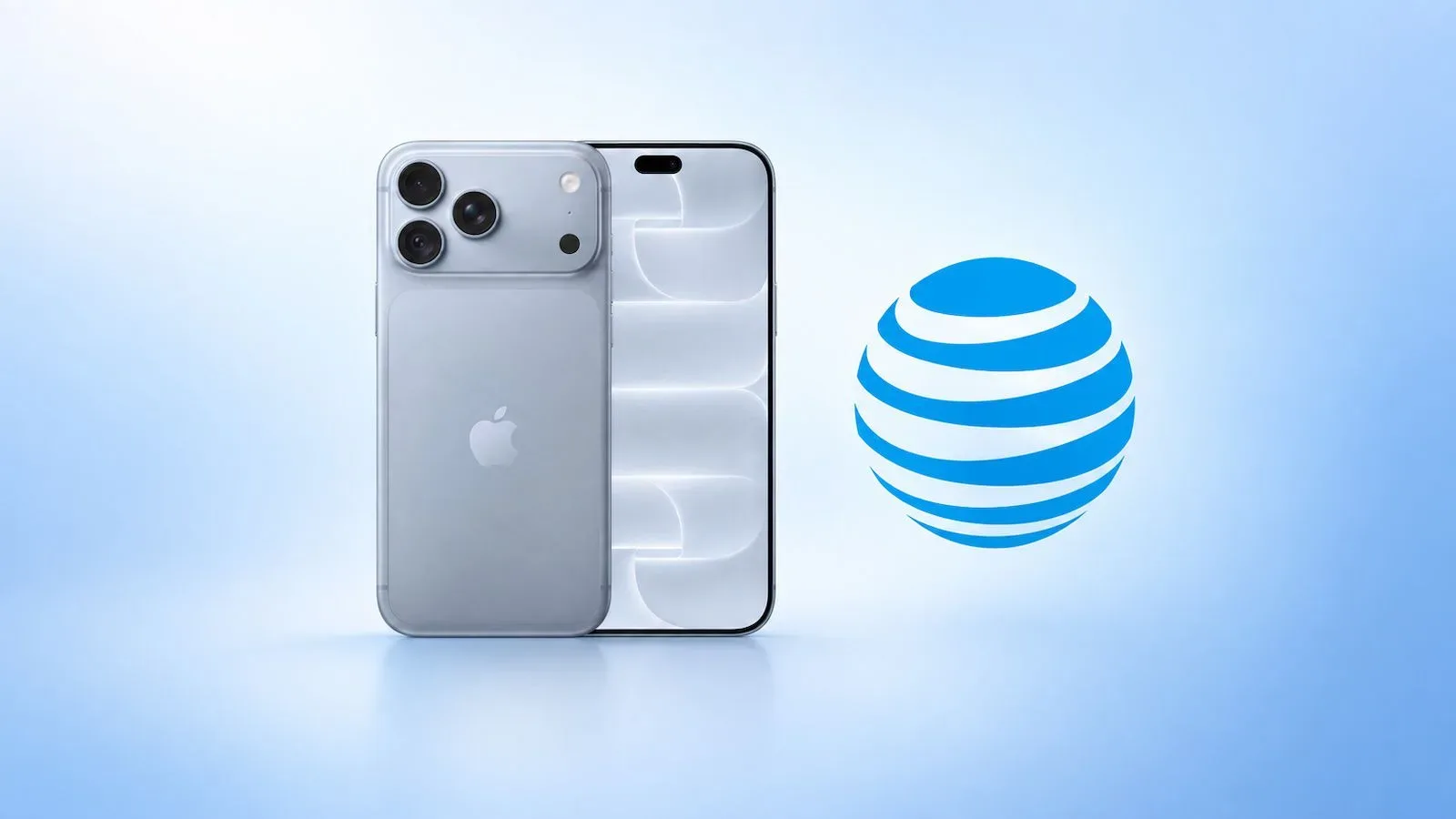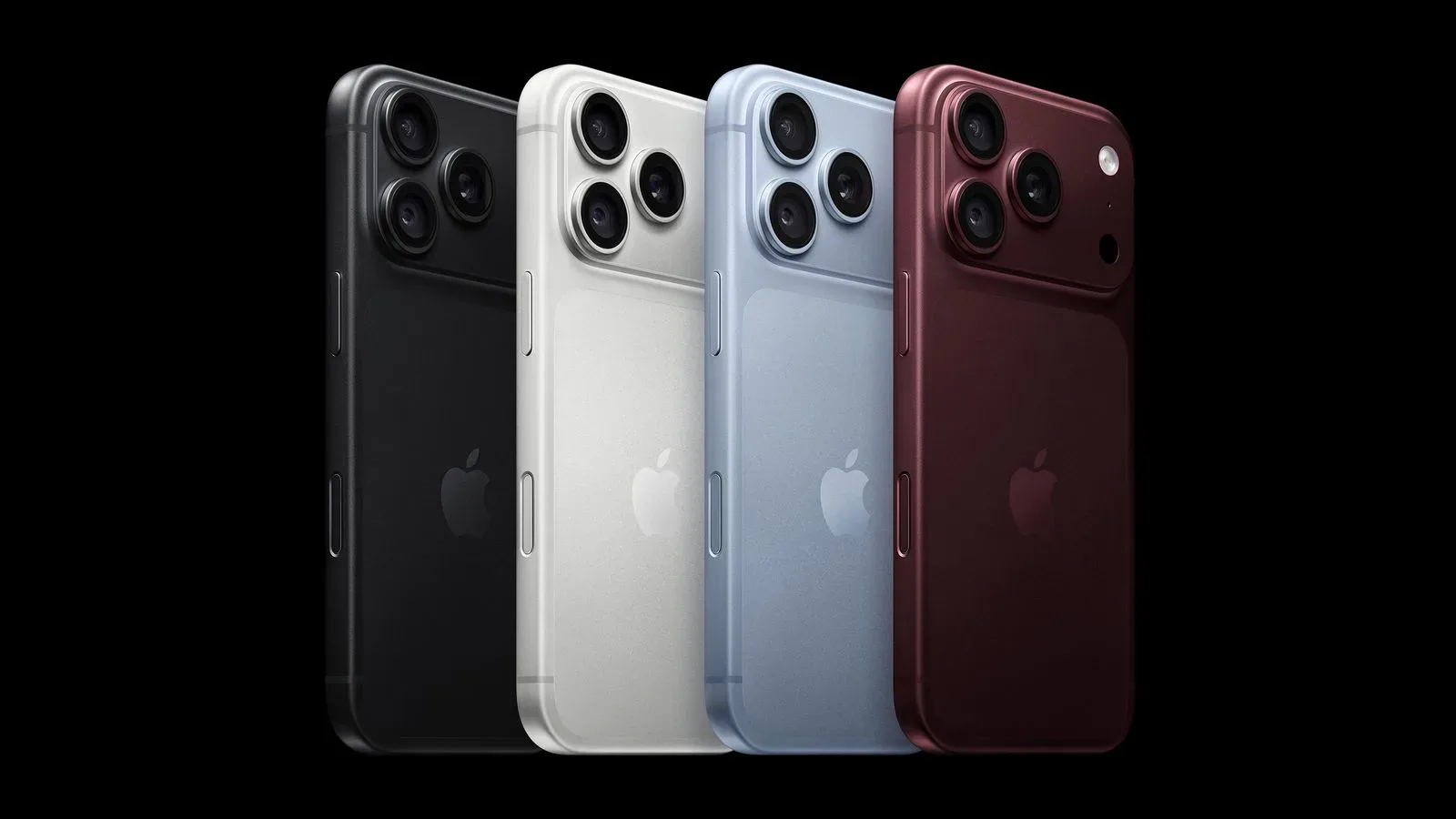
Apple says a small number of iPhone 18 Pro Max users on AT&T have encountered a severe cellular-service problem that cannot be resolved with a later software update once it occurs. The reported failure can leave calls, text messages and cellular data unavailable, and Apple’s stated remedy for an affected device is replacement.
That distinction matters. Many phone connectivity problems can be addressed by changing settings, refreshing a network connection, installing a carrier update or updating the operating system. Here, Apple has said replacement is needed after the issue appears. The company has not publicly explained the underlying cause, however, so it would be premature to characterize the fault as a confirmed modem defect or assign responsibility to a particular component.
For owners whose phones are still working normally, Apple says iOS 27.0.1 and an AT&T carrier settings update are intended to help stop the issue from occurring. The updates are preventative measures, not a claimed repair for a phone that has already lost service.
What is known about the affected devices
The observed issue is limited to the iPhone 18 Pro Max on AT&T. Apple has not identified other iPhone models or other carriers as affected. It describes the number of impacted customers as small, even as thousands of complaints have appeared across its support community and other online platforms.
“Small number” does not establish a precise scale, and the available information does not say how many units were examined, how often the failure occurs, whether it is tied to a certain production batch, or whether a particular setup triggers it. It also does not mean every AT&T customer with an iPhone 18 Pro Max should expect to lose service. The most useful immediate takeaway is narrower: the combination of model and carrier is the scope Apple has identified so far.
The practical impact of this particular fault is unusually high because it concerns core phone functions. A device without cellular connectivity may still work over Wi-Fi for some internet-based services, but ordinary cellular calling, SMS text messaging and mobile data are central functions that Wi-Fi does not simply replace in every situation. Apple’s replacement guidance reflects that severity.
The updates Apple says to install
Owners of an unaffected iPhone 18 Pro Max on AT&T should install iOS 27.0.1. On the iPhone, open Settings, select General, then choose Software Update.
The AT&T carrier settings update is separate from the iOS update. Carrier settings are configuration data used by a phone to work with a mobile network. They can include settings related to the carrier connection and network services. The supplied information does not spell out what changed in this update, so there is no basis to claim it adjusts a particular radio band, authentication process or modem behavior.
Apple says the carrier settings update will download automatically for AT&T customers within 14 days. Users who want to check for it manually can go to Settings, choose General, and open About. This is worth doing even when the phone appears healthy: Apple’s language specifically frames the software and carrier updates as steps meant to prevent the failure.
- Install iOS 27.0.1 through Settings, General, Software Update.
- Check Settings, General, About to manually prompt the AT&T carrier settings update.
- Do not assume an update will restore service if the described failure has already happened; Apple says affected units require replacement.
- Keep the scope in mind: Apple has only identified iPhone 18 Pro Max devices on AT&T.
Why replacement guidance is notable
A software fix changes code or configuration already on the device. A replacement swaps the physical unit. When a company says that a device has to be replaced after a condition occurs, it naturally raises questions about hardware, the interaction between hardware and network provisioning, or a state that cannot be recovered through ordinary updates.
Those are questions, not answers. Apple has not disclosed a root cause, and AT&T has directed questions to Apple. There is similarly no public confirmation that the trouble comes from the phone’s modem, its antenna system, the carrier network, device software, carrier configuration, or an interaction among several of those pieces.
This is an important technical distinction for affected users. A modem is the component responsible for cellular communication, but cellular service depends on more than a modem alone. The phone must also work with its network configuration and the carrier’s systems. An observed problem on one model and one carrier can be evidence worth investigating, but it does not by itself isolate the failed element.
Two modem versions, but no confirmed connection
U.S. versions of the iPhone 18 Pro Max use Qualcomm’s Snapdragon X80 modem for cellular connectivity. Models sold elsewhere use Apple’s custom C2 modem. That difference has drawn attention because the known issue has been observed with AT&T in the United States.
At present, though, the modem split is an unresolved clue rather than a conclusion. There is no public statement establishing that the Snapdragon X80 is involved, that the C2-equipped versions are immune for a modem-related reason, or that a difference in modem hardware is responsible at all. The problem could be connected to any number of layers in the phone-to-network path, and the available facts do not permit a specific diagnosis.
It is also not accurate to turn the absence of reports from other carriers or countries into proof that those configurations are incapable of experiencing a similar problem. Apple’s current observation is simply that no other model or carrier is known to be impacted. That wording leaves room for new information as investigation continues.
What affected owners should expect
For a customer who has already lost AT&T calling, text and cellular-data service in the described manner, Apple’s position is clear on the remedy: replacement, rather than waiting for a future software patch. The supplied details do not describe the replacement process, eligibility requirements, timing, data-transfer arrangements or any steps Apple may ask users to complete before a replacement is issued. Owners should therefore avoid relying on unsupported online troubleshooting claims that a reset or unrelated setting change is known to permanently cure this specific issue.
There is an important difference between the reported failure and everyday weak signal, temporary network congestion, an account issue or an isolated app problem. The information available here identifies a loss of AT&T cellular functions on the iPhone 18 Pro Max and says the affected device needs replacement. It does not provide a public diagnostic checklist for separating that issue from every other kind of connectivity complaint.
Apple and AT&T have not publicly filled in the crucial missing details: what causes the failure, why the new updates can help prevent it, and why a device that has already entered the affected state cannot be repaired by software. Until they do, users have a limited but concrete course of action—install both updates promptly if unaffected, and treat a matching total loss of AT&T cellular service as a replacement matter rather than an update-only fix.
For broader Apple-platform coverage, see our report on touch-gesture code found in the macOS Golden Gate 27.2 beta. That report concerns a separate product question and does not shed light on this iPhone cellular issue.