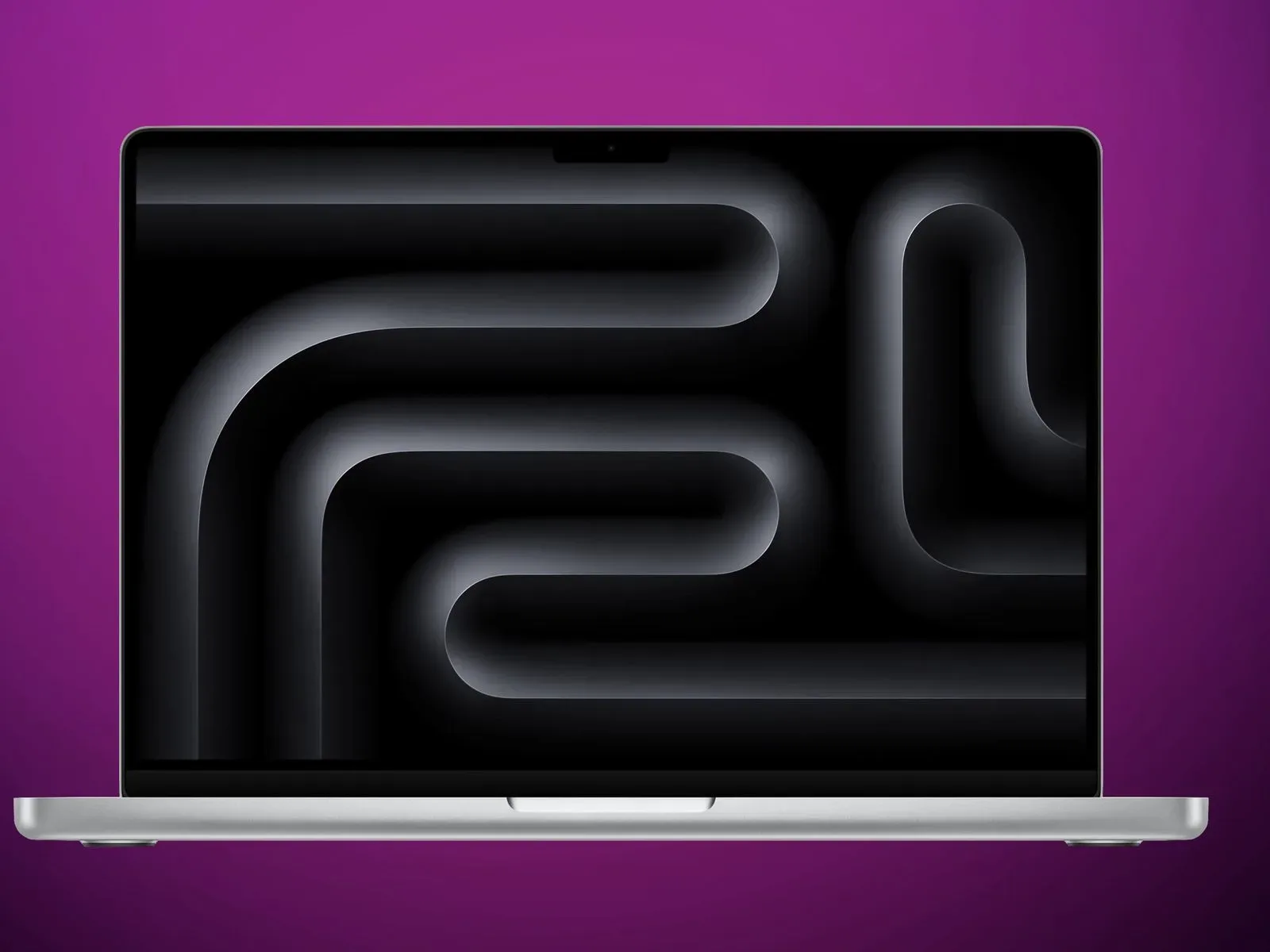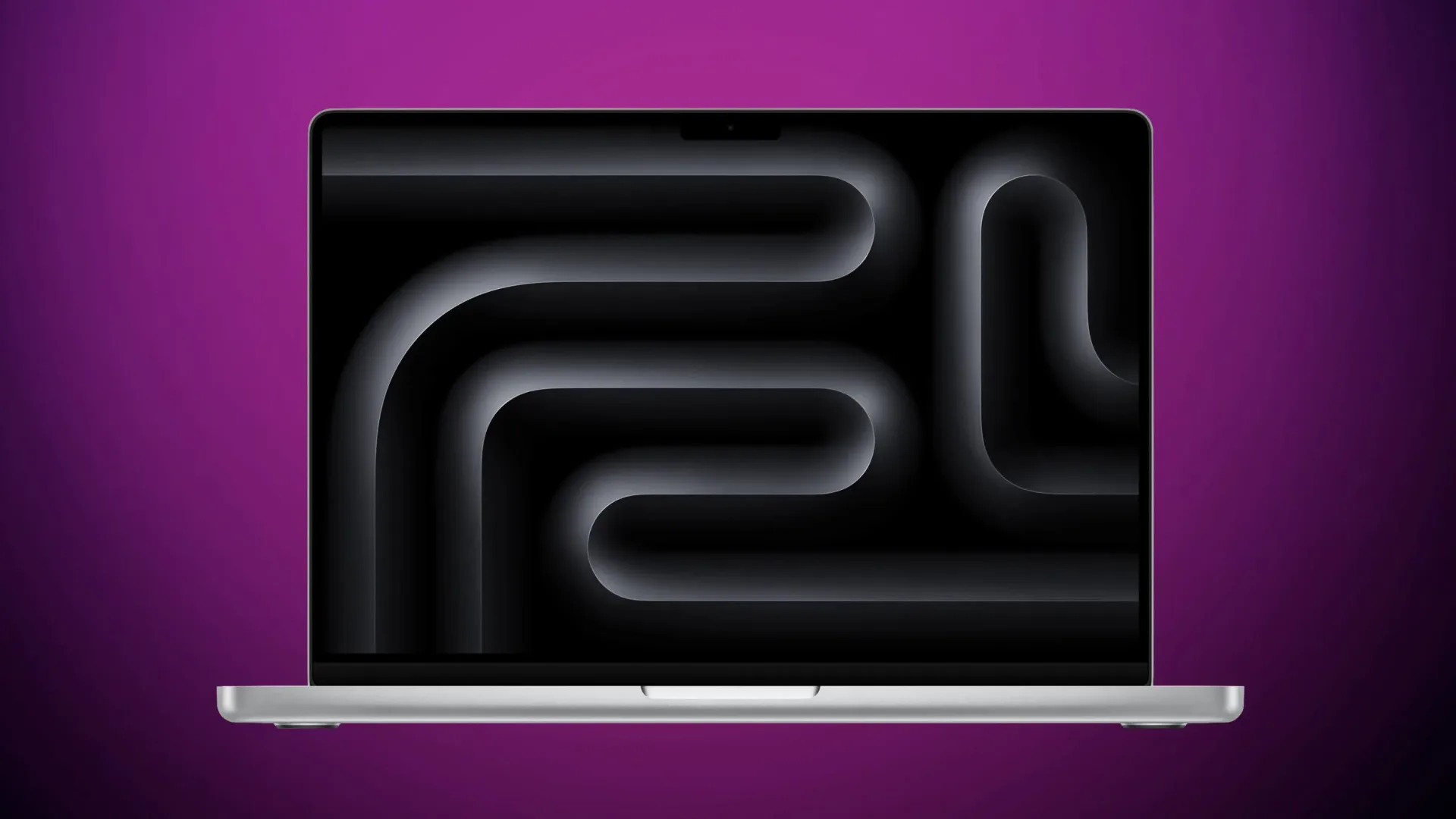
Apple’s macOS Golden Gate 27.2 beta contains several newly spotted references to touch-oriented controls in core apps, reviving the possibility that the company is laying software groundwork for a touchscreen MacBook. The evidence is intriguing, but it is not definitive: the same work could be aimed at improving Sidecar, the feature that lets an iPad act as a Mac display.
The beta includes gesture-recognition references in Safari, Notes, Photos and Quick Look. Safari has a “touch sentinel recognizer”; Photos includes PXGTouchDwellGestureRecognizer; Notes includes ICTouchPressGestureRecognizer; and Quick Look has a dragTouch capability. Those labels are technical clues rather than user-facing feature descriptions, so they establish that touch input is being considered in these apps—not precisely how the final controls would work, or even what hardware they are intended for.
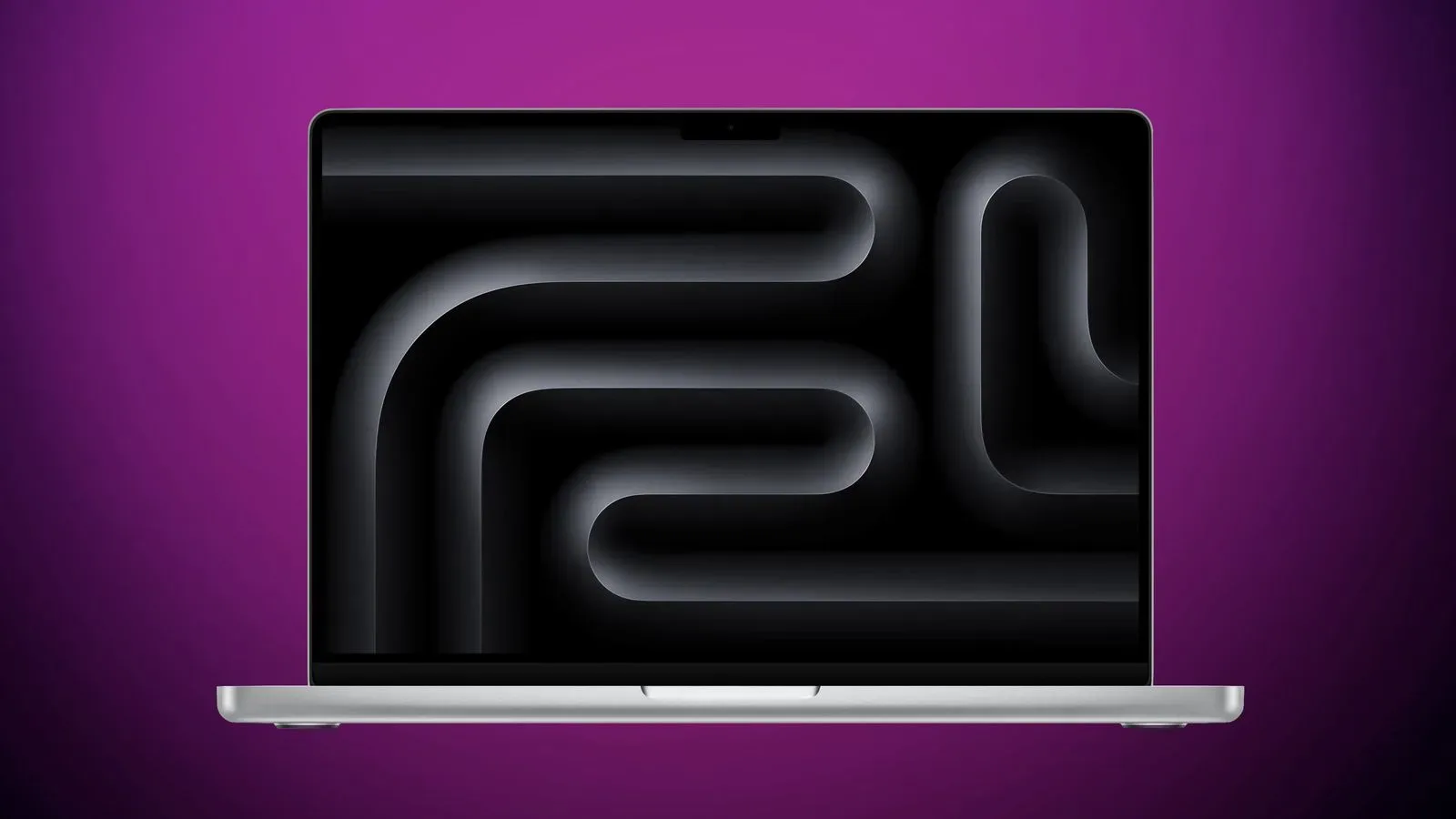
That distinction matters. Rumors have pointed to an OLED-equipped, touchscreen-capable MacBook that may be called the MacBook Ultra, potentially arriving as early as late 2026. Yet no product has been confirmed, and macOS already has a credible reason to acquire more touch-aware behavior without a touchscreen built into a Mac notebook.
What the new code references suggest
At a high level, a gesture recognizer is software that interprets input as an intentional action. A tap, a press, a drag, or holding a finger in place can be translated into distinct commands. The new labels imply that Apple is making its applications better able to identify some of those actions when the input comes from a touchscreen.
- Safari’s touch sentinel recognizer appears to be a mechanism for monitoring or recognizing touch interactions in the browser.
- Photos’ touch dwell gesture recognizer points to “dwell” input—holding a finger in one location for a period—rather than simply tapping or swiping.
- Notes’ touch press gesture recognizer suggests handling for a press-based action within the note-taking app.
- Quick Look’s dragTouch feature plainly points toward touch dragging, which could make moving through or manipulating previewed material more direct.
These names should not be read as a menu of confirmed functions. Internal naming can describe infrastructure, experiments or app-specific implementation rather than a consumer-ready interface. It also cannot tell us whether the eventual design would use a finger, support an iPad through Sidecar, or appear on a new touch-enabled Mac. What it does show is a cluster of work across multiple high-profile applications, not one isolated adjustment.
Touch support was already appearing in Golden Gate
The 27.2 references are not the first touch-friendly additions in macOS Golden Gate. The launch version added pull-to-refresh gestures to Safari, Mail and Calendar. Pull-to-refresh is a familiar touch pattern: a person drags content downward beyond its usual resting position to request updated information.
Its arrival in several first-party apps established an important precedent. macOS Golden Gate is already receiving interaction patterns that are especially natural on a touch display. The latest beta appears to extend that direction with more granular recognition of presses, dwell actions and drags.
For a potential touchscreen MacBook, that makes practical sense. A device with direct screen input needs more than a screen that accepts taps. Its apps need to tell different gestures apart consistently and react in ways that feel intentional. A drag must not be confused with a tap; a sustained press needs a defined purpose; and a refresh gesture has to coexist with normal page or list navigation.
But that same requirement applies to a Mac displayed on an iPad. Software preparation is therefore meaningful as a direction of travel, while remaining weak evidence for a specific product launch.
Sidecar is the major alternative explanation
Sidecar allows an iPad to be used as a display for a Mac, and macOS Golden Gate brought full touch input to that setup. That existing feature makes it entirely plausible that the new recognizers are part of a broader Sidecar refinement effort.
Viewed through that lens, the beta’s code could be designed to make macOS apps respond more appropriately when they are being used on an iPad display. Safari, Notes, Photos and Quick Look are logical places to improve touch behavior because they involve browsing, writing, viewing images and handling previews—tasks where people may naturally reach for taps, presses and drags.
Sidecar also explains why macOS itself, rather than a separate application, would need increasingly mature touch-aware components. A Mac app can be presented on an iPad through Sidecar, but it still needs to understand the touch interactions coming through that arrangement. Enhancing the app-level gesture machinery could make the experience more coherent without changing the Mac’s physical display at all.
The key takeaway is not that a touchscreen MacBook has been confirmed. It is that Apple is expanding touch-oriented interaction work inside macOS, and the company now has both a rumored future device and an existing Sidecar use case that could benefit from it.
Why the rumored MacBook Ultra remains plausible
The separate rumor describes a MacBook Ultra with an OLED display and touchscreen capability, potentially launching as soon as late 2026. It is also expected to be thinner and lighter than current models, to include a Dynamic Island, and to use Apple’s M5 Pro and M5 Max chips.
If that hardware arrives, the new beta references would look like sensible early compatibility work. Apps such as Safari and Photos are central to a touch-first experience, while Notes is especially relevant for direct interaction with a document. Quick Look’s apparent touch-drag support could likewise help make basic viewing and navigation feel more natural on a screen that can be touched directly.
OLED, or organic light-emitting diode, refers to a display technology in which pixels emit their own light. The beta code does not identify a display technology, however, so there is no direct software-to-OLED connection in the evidence. Likewise, a Dynamic Island is part of the rumored hardware description, not something established by the macOS 27.2 changes.
The expected M5 Pro and M5 Max chips are also a rumor-level detail. The gesture references do not validate chip names, a launch window, the MacBook Ultra name, or the expected physical design. Keeping those claims separate is essential: software clues can support the idea that work is underway, but they cannot settle the specification sheet of an unannounced computer.
What this could mean for PC and game players
The immediate significance for most Mac users is likely to be interface consistency rather than a sudden new way to play. If Apple is strengthening touch input across macOS apps, people using an iPad as a Sidecar display could eventually see more purposeful behavior in everyday Mac workflows. The present evidence does not establish changes to games, controller support, game performance or game compatibility.
Still, input flexibility is relevant to the broader PC space. A touchscreen-equipped notebook would add another interaction option alongside keyboard, trackpad, mouse and controllers. Whether that would matter much for games would depend on individual developers choosing to support it well; nothing in these code references shows that they have. For now, any gaming implications are analysis, not a confirmed feature roadmap.
Apple’s wider platform activity remains worth watching for readers following PC-adjacent game development. Recent projects such as Lie of Caelum: Spirit’s use of RPG Maker MZ for a 3D mech JRPG underline how varied the PC creation landscape can be, but the macOS beta evidence here is specifically about touch handling in Apple’s own apps—not third-party engines or games.
What to watch in future macOS builds
The next useful clues would be user-visible. New settings, accessibility options, documented developer APIs, interface adjustments, or broader touch changes beyond Sidecar would provide clearer evidence than internal recognizer names alone. A wider rollout across additional apps could show that Apple is standardizing a touch interaction layer; alternatively, a narrow set of Sidecar-focused changes would reinforce the iPad-display explanation.
Until then, macOS Golden Gate 27.2 should be treated as a meaningful but limited signal. It confirms ongoing touch-specific software work in Safari, Notes, Photos and Quick Look. It does not confirm that the work is for a MacBook Ultra, that a touchscreen MacBook will launch in late 2026, or that any of the rumored hardware details will reach a shipping product.
For now, the cleanest reading is also the most cautious one: Apple is making macOS more capable of recognizing touch gestures. The reason may become clearer as Golden Gate develops, but the beta code alone leaves both the Sidecar path and the touchscreen-Mac path open.