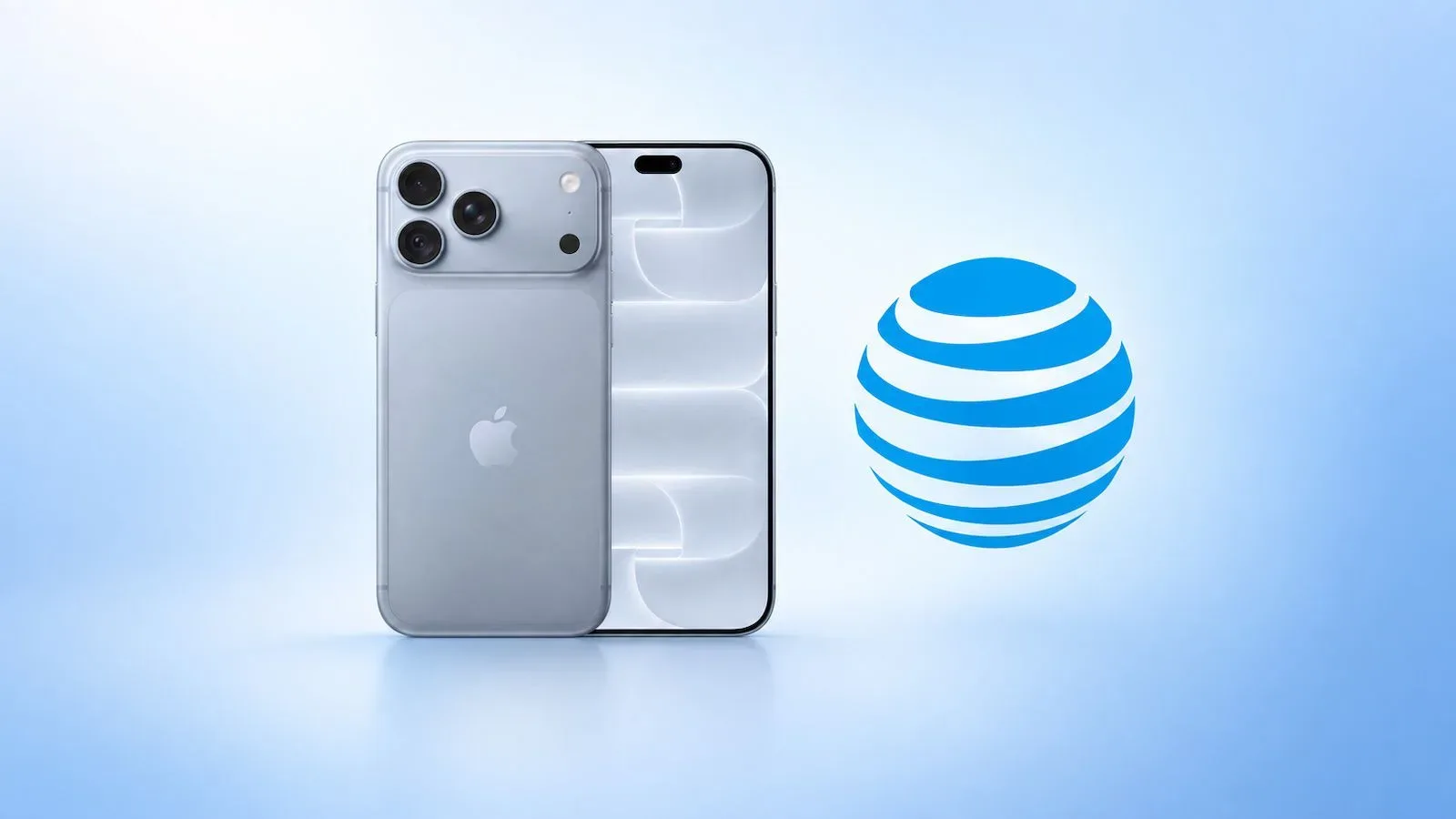
AT&T has acknowledged a serious cellular-connectivity problem affecting some iPhone 18 Pro Max devices on its network, telling customers to install iOS 27.0.1 immediately. The carrier’s message says affected phones may be unable to complete calls, texts or data sessions, and specifically warns that this can include calls to 911.
That is a far more consequential issue than the usual frustrating signal wobble. A phone’s cellular connection is the path used for ordinary voice calling, SMS and mobile data when a device is not relying on another connection. If that path fails, a flagship handset can remain perfectly capable of running apps, taking photos and playing downloaded games while losing the basic communications role people expect it to perform.
“Some phones may be unable to complete calls/text/data, including to 911. Update to iOS 27.0.1 immediately.”
The instruction applies to iPhone 18 Pro Max owners on AT&T, not to every iPhone model generally. Reports describe affected devices losing their connection persistently or intermittently, with phones typically entering SOS mode. The underlying cause has not been confirmed publicly, and Apple has not publicly commented on the matter.
What AT&T is asking customers to do
The immediate step in the carrier’s notice is to check for iOS 27.0.1 through Settings > General > Software Update. AT&T’s wording makes the urgency clear: it is treating the update as important because a failure can affect calls, messaging, data and emergency communications.
Owners should also keep the limits of that instruction in mind. The official release notes for iOS 27.0.1 identify a Face ID fix for iPhone 18 Pro models; they do not list an AT&T cellular repair. In addition, many people reporting the connectivity problem have said that installing 27.0.1 did not solve it. Updating is still the stated carrier recommendation, but it is not confirmed as a universal resolution.
That distinction matters. “Update immediately” is actionable advice, not a final technical diagnosis. A phone may receive a newer operating-system version while the particular network-registration or radio problem remains. Customers whose iPhone 18 Pro Max continues to lose service after the update are being directed to contact AT&T or Apple.
Why SOS mode is the key symptom
SOS mode is the most visible part of the reports because it signals that normal service from the customer’s carrier is unavailable. In this case, users have described an inability to connect to AT&T for calls, texts and mobile data, sometimes continuously and sometimes only at particular moments. That intermittent behavior can be especially difficult: a device can appear to recover, then fail again when someone needs to place a call, receive a verification text or load something over mobile data.
For players, the practical impact goes beyond a match disconnect or a failed login. Mobile service often handles the ordinary pieces around gaming: authentication codes, group messages, account recovery and the data connection used away from home. But the larger concern is clearly the emergency-call warning. A connectivity flaw affecting the route to 911 is not merely a convenience problem.
There is an odd communications wrinkle here, too. AT&T delivered its warning as a text message to customers who may be having trouble receiving texts. That does not make the warning unhelpful, but it illustrates the challenge of alerting people when the feature used to alert them is itself part of the reported fault.
The modem detail is notable, but not a verdict
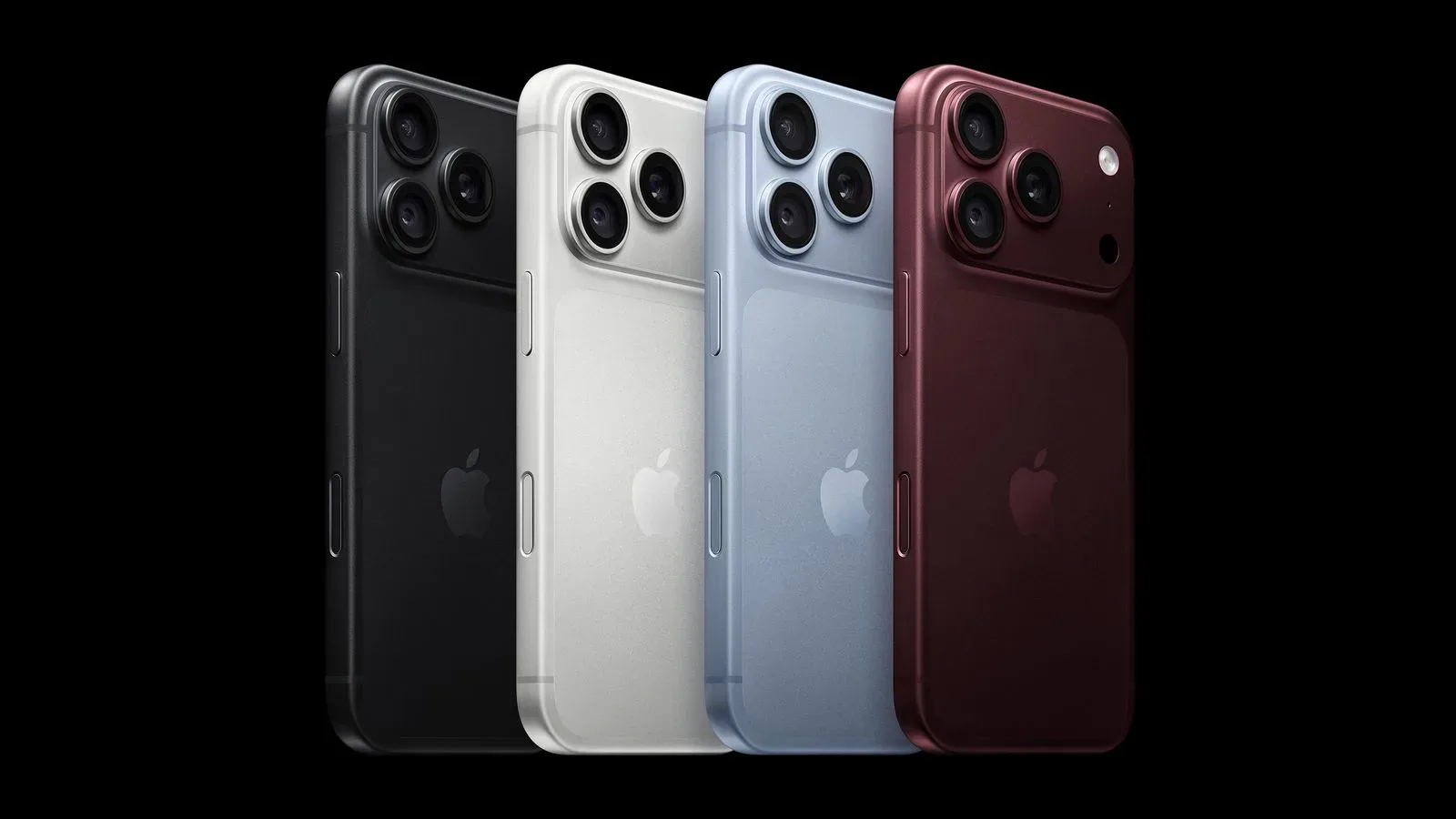
One hardware difference has drawn attention. In the United States, the iPhone 18 Pro Max is the only newly introduced iPhone model equipped with a Qualcomm cellular modem. A modem is the component responsible for communicating with cellular networks. The smaller iPhone 18 Pro and iPhone Duo use Apple’s C2 modem worldwide, while iPhone 18 Pro Max models outside the U.S. also use Apple’s C2 modem.
That makes the U.S. iPhone 18 Pro Max configuration a reasonable detail to watch as the issue is investigated. It does not establish that the Qualcomm modem is at fault. The available information does not confirm whether the cause is in iOS, carrier configuration, the network interaction, device hardware, or some combination of those factors. A distinctive component is a clue for diagnosis, not proof of causation.
That uncertainty also explains why the next move matters. If the issue turns out to be software-related, another update—potentially iOS 27.0.2—could be needed. Software generally means code or configuration can be changed through an update. A hardware issue would point to a different and more substantial problem, because it concerns physical device components rather than a bug addressed solely through the operating system.
What affected owners can reasonably do now
There is no confirmed workaround in the available information, so the most sensible approach is narrow and practical rather than speculative:
- Install iOS 27.0.1 using the route in AT&T’s notice: Settings > General > Software Update.
- Pay attention to whether calls, texts and mobile data remain stable afterward, particularly if the phone had entered SOS mode before.
- Contact AT&T or Apple if the connection problem persists after updating, as the carrier instructs.
- Treat the emergency-services warning seriously rather than assuming a temporary return of signal means the issue is resolved.
It is equally important not to overstate what is known. The issue has been reported by at least thousands of users across support and discussion communities, but no public explanation has confirmed the scope among all iPhone 18 Pro Max devices on AT&T. Nor is there a public confirmation that a particular modem, manufacturing batch or iOS component is responsible.
A small update with unusually high stakes
Software updates are routine enough that many people delay them until a convenient moment. This situation is different because the carrier is explicitly connecting the update to a problem that can disrupt core network functions, including emergency calls. The absence of a cellular fix in Apple’s published iOS 27.0.1 notes—and the reports that some affected users remain affected after updating—means the situation should be viewed as ongoing rather than closed.
For now, AT&T’s message provides a clear immediate action, while the explanation remains unsettled. iPhone 18 Pro Max owners on AT&T should update, monitor whether service returns reliably and seek help from the carrier or Apple if it does not. Anyone keeping up with game updates while waiting for firmer answers can also follow news on Doom: The Dark Ages – Revelations’ planned Endless Slaughter Mode—the considerably less alarming kind of update news.