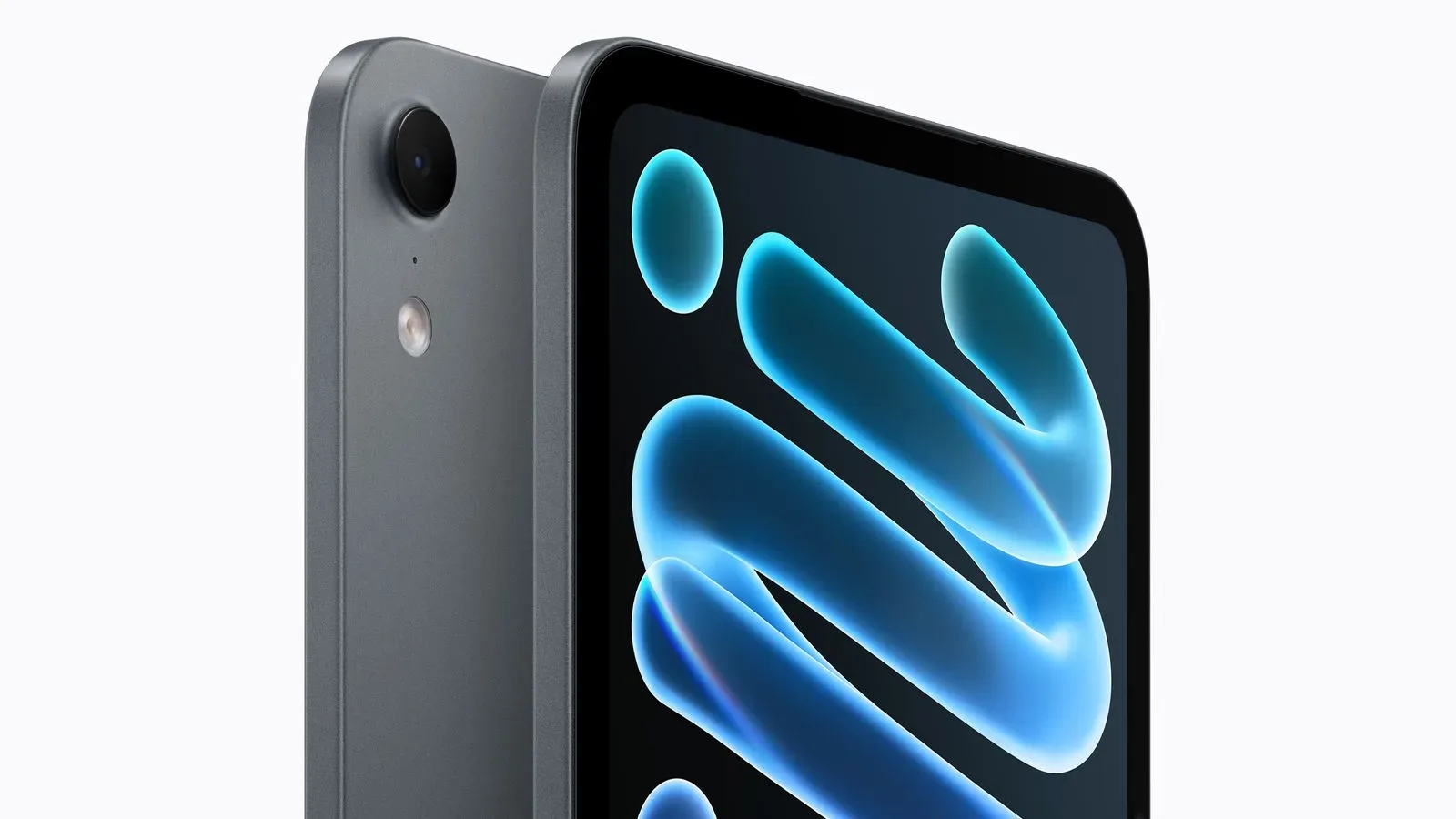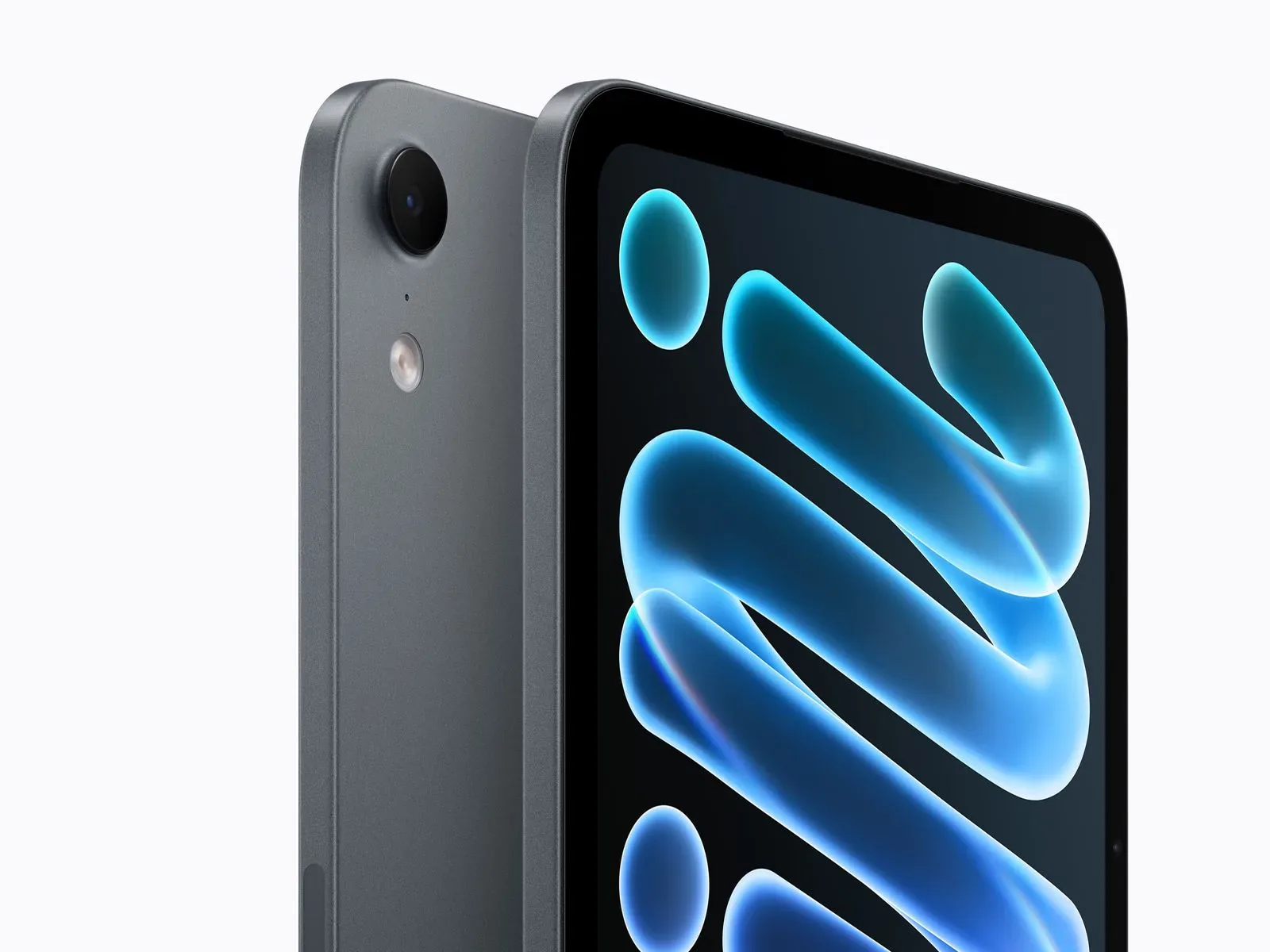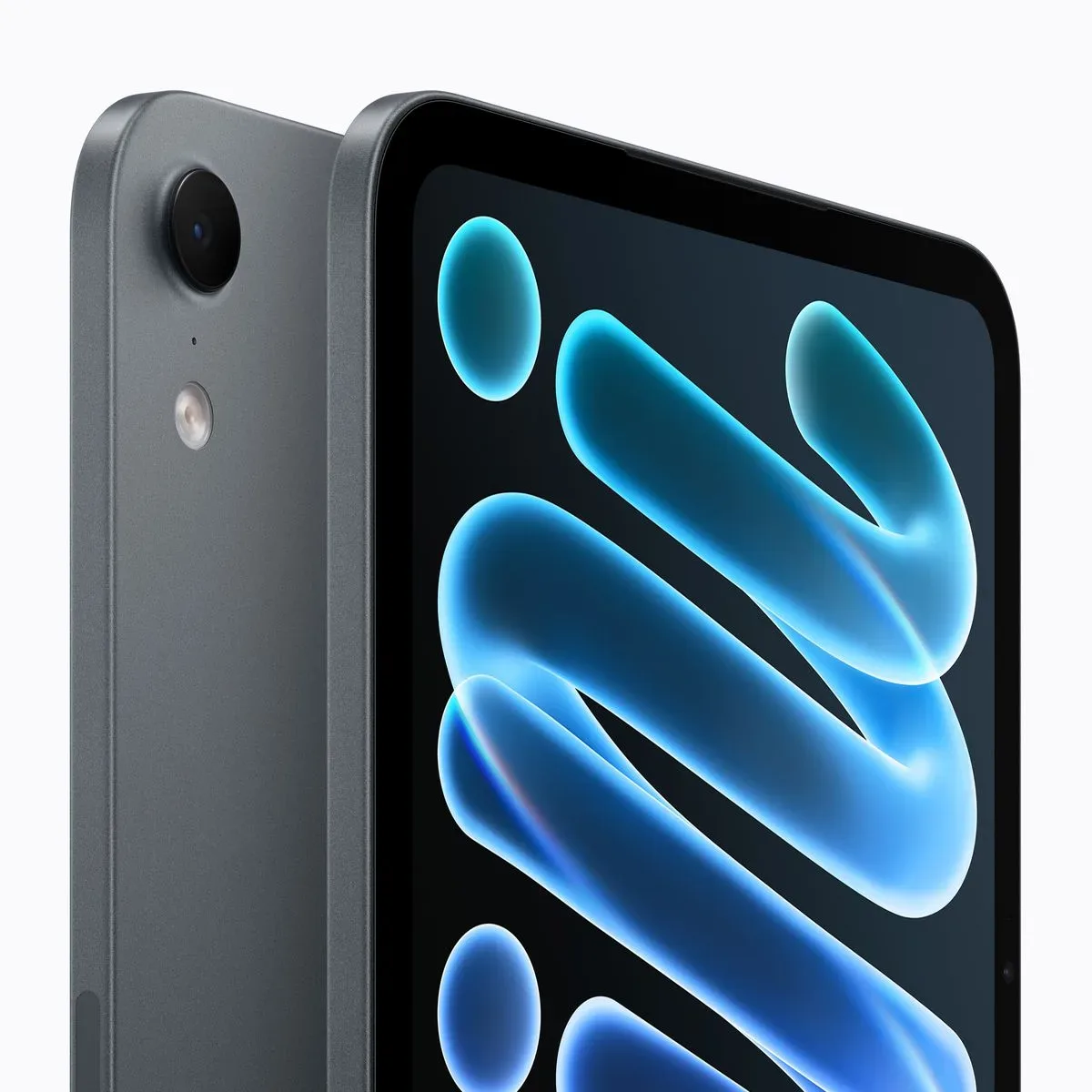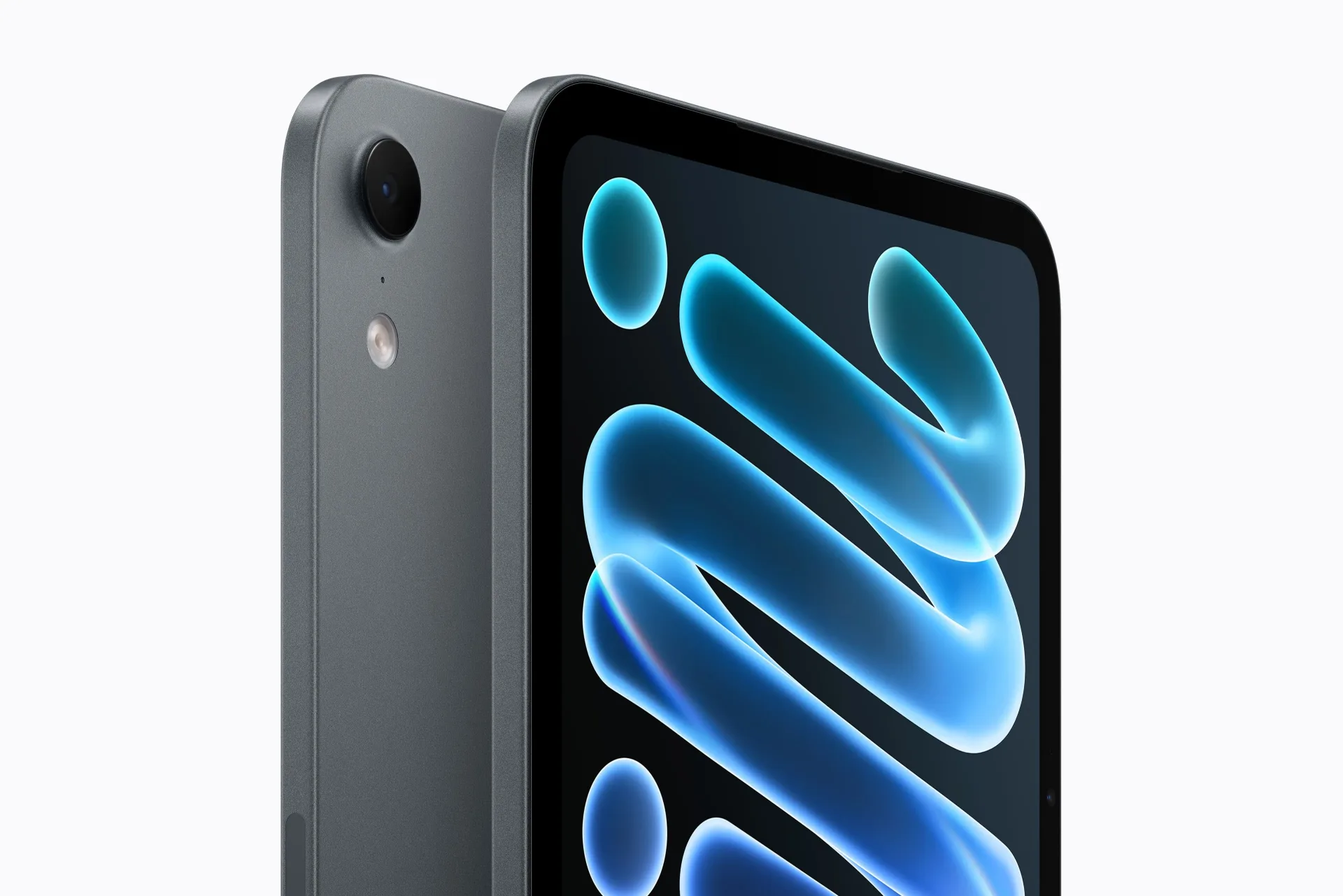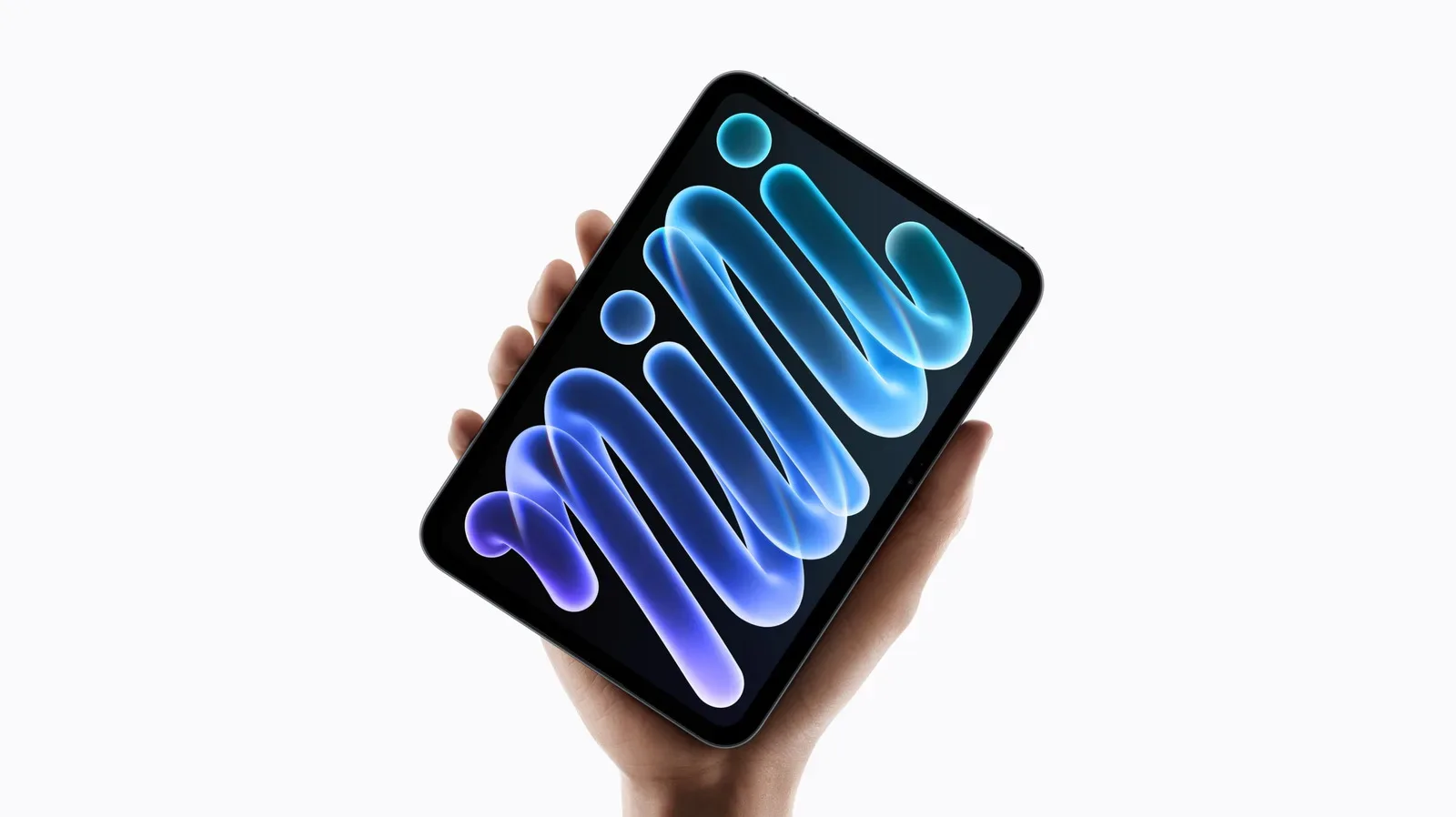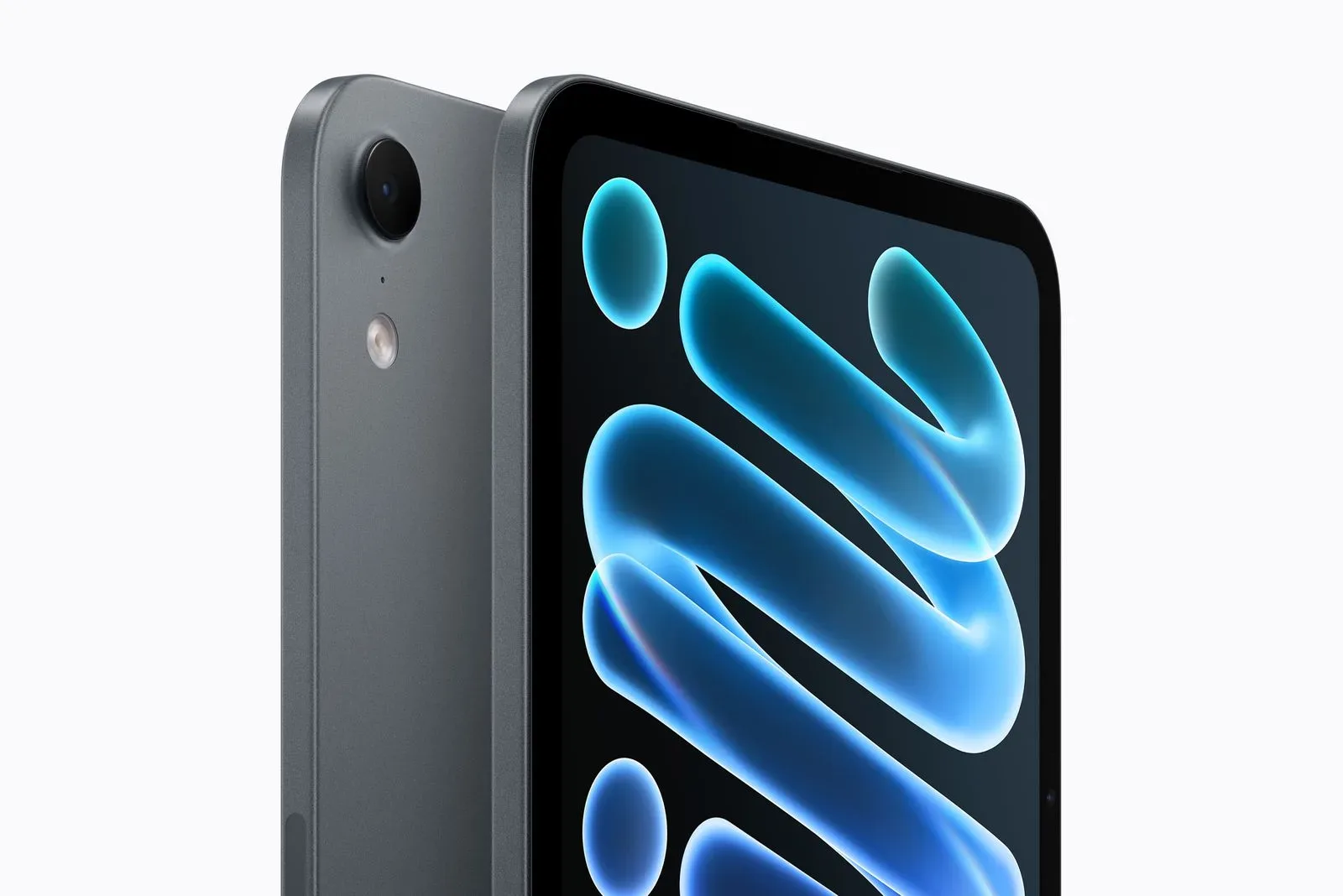
The new OLED-equipped iPad mini supports a notably quicker charging target than its bundled power brick can provide. Apple lists a charge of up to 50% in around 30 minutes, but that result requires a USB-C power adapter capable of delivering at least 35W. The iPad mini ships with a 20W USB-C adapter instead.
That distinction matters because “fast-charge capable” describes what the tablet can do under the right power conditions, not necessarily what every buyer will experience straight from the box. A buyer using the included 20W adapter has a charger that can power the device, but it does not meet the 35W threshold attached to the stated 30-minute, 50% charging figure.
A qualifying 35W USB-C power adapter is sold separately for $59. The Wi-Fi version of the new iPad mini starts at $699, so shoppers who specifically want the faster charging setup should consider the additional adapter cost as part of the practical purchase total.
What the 35W requirement actually means
Watts, written as W, measure electrical power: in plain terms, the rate at which energy can be supplied. A 35W-or-higher adapter has enough available power to meet the adapter side of the iPad mini’s fast-charging requirement. The included 20W adapter falls below that stated requirement.
That does not mean a 35W adapter pushes 35W into the iPad mini at every moment, or that a higher-wattage adapter automatically makes the tablet charge faster than its designed limit. The important supported point is narrower: Apple’s quoted up-to-50%-in-around-30-minutes result is tied to a USB-C adapter rated for 35W or more.
The phrase “up to” deserves attention too. It signals a best-case ceiling rather than a promise that every charge session will land at exactly 50% in exactly 30 minutes. Charging behavior can vary over a session, and the stated figure should be read as the manufacturer’s performance target under its specified adapter condition, not as a stopwatch guarantee for all circumstances.
Included charging versus the advertised fast-charge scenario
The packaging decision creates two different starting points for new owners:
- Included setup: a 20W USB-C adapter comes with the iPad mini.
- Fast-charge setup: a separate USB-C adapter that can provide 35W or more is needed for the advertised up-to-50%-in-around-30-minutes result.
For someone who mostly charges a tablet overnight or keeps it connected at a desk, the included adapter may be sufficient for their routine. The advantage of the 35W-or-higher option is most relevant when time at an outlet is limited: a quick top-up before heading out, an intermission between classes or meetings, or a short window before using the tablet away from a plug.
It is also worth separating adapter rating from the iPad mini’s battery capacity. The tablet has an 18.9-watt-hour battery. Watt-hours, abbreviated Wh, measure energy capacity rather than the speed at which energy is delivered. The 18.9Wh figure describes the battery’s stored-energy capacity; the 20W and 35W figures refer to adapter power ratings. They are related in charging discussions, but they do not mean the same thing.
Battery rating and the role of OLED
The new iPad mini pairs its OLED display with an 18.9Wh battery rated for up to 10 hours of web browsing or video. That is the stated endurance rating, while the 35W adapter requirement addresses charging speed. Buyers should avoid treating the two specifications as interchangeable: a 30-minute fast-charge claim says something about recovery time at a wall outlet, while the up-to-10-hour rating concerns how long the tablet may run during the named activities.
OLED is a display technology in which pixels produce their own light, rather than relying on a separate backlight layer. That description helps identify the new iPad mini’s display change, but it does not, by itself, establish a particular charging result or battery-life outcome. The published battery specification remains the useful reference point here: up to 10 hours for web browsing or video.
Similarly, the battery’s 18.9Wh capacity is a measurement, not a direct prediction of how many hours every owner will get. The listed use cases are web browsing and video, and the manufacturer’s rating is framed as “up to” 10 hours. Workloads and usage patterns can differ, so a buyer deciding between charging accessories should focus on the parts of the specification that are explicit: 20W is included; 35W or above is required for the faster advertised charging benchmark.
What to check before buying another adapter
The simplest checklist is not complicated. First, confirm that the adapter uses USB-C. Second, confirm that it is capable of providing at least 35W. Those are the two conditions connected to the iPad mini’s fast-charging claim.
Buyers may already own a compatible USB-C power adapter, in which case a second one may not be necessary solely to pursue the quicker charging target. On the other hand, the wattage printed on an adapter matters more than an assumption based on its size, age, or the device it originally came with. The bundled 20W model illustrates why: it is USB-C and included with the tablet, yet it remains below the stated 35W threshold.
A charging setup also involves a cable, but no cable-specific requirement is provided alongside this fast-charge claim. It would therefore be premature to declare that any particular cable type, brand, or separately sold accessory is required beyond the supplied information. The evidence-supported buying decision is about the power adapter’s USB-C connection and 35W-or-higher capability.
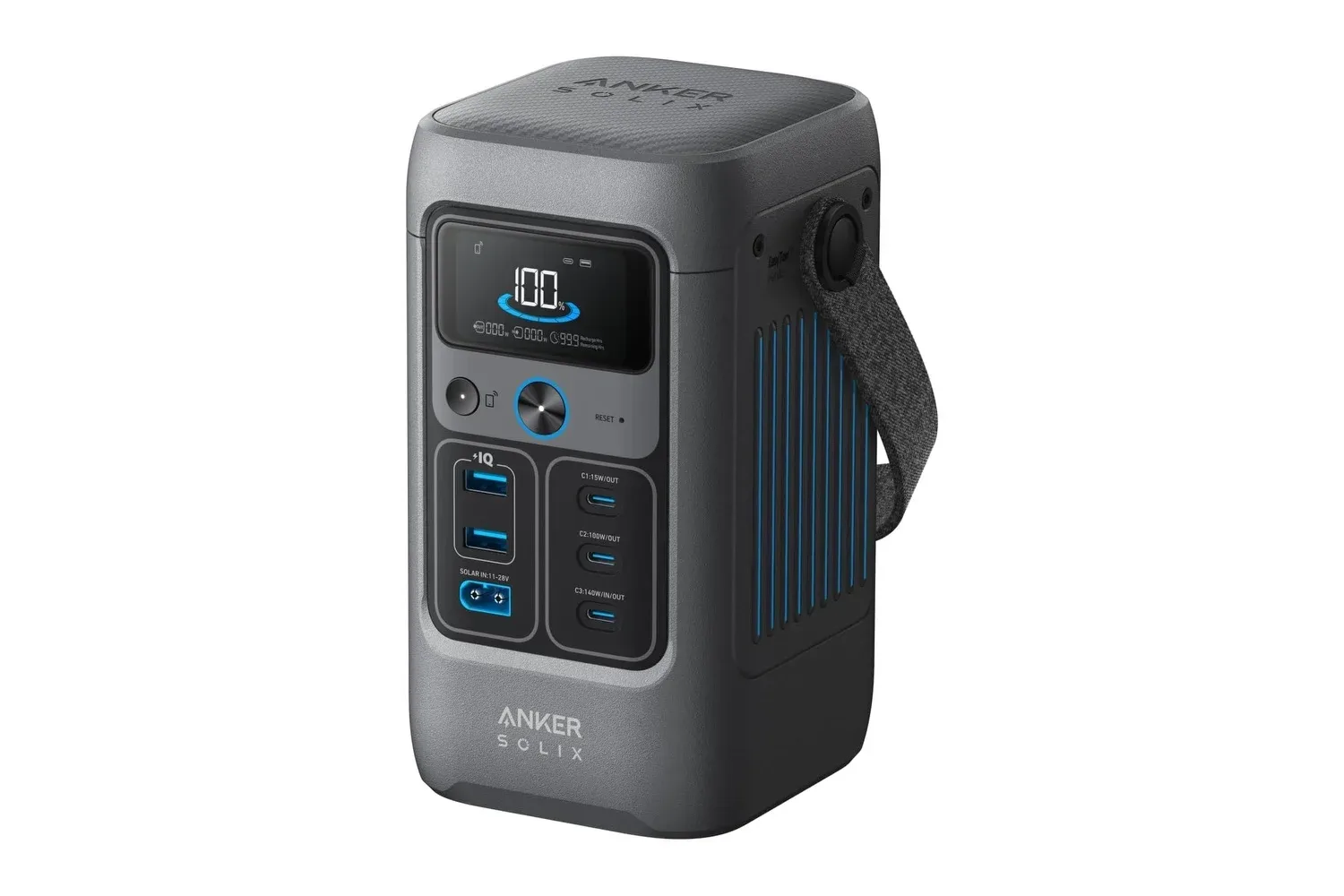
For broader context on high-power USB-C gear, see this look at the Anker SOLIX C200 DC and its 140W USB-C charging. That product is a different category of device, but it underscores why power figures should be read carefully: a number expressed in watts identifies power capability, while a number expressed in watt-hours identifies stored energy capacity.
Purchase timing and cost implications
The Wi-Fi iPad mini begins at $699. Pre-orders open Wednesday, October 28, with availability set for Friday, November 6. For buyers who value the advertised fast-charge pace, the separately sold $59 35W USB-C adapter is a meaningful accessory rather than a trivial specification footnote.
There is no conflict in the published details: the tablet includes a charger, and it can fast-charge under a different, higher-power charging setup. Still, the distinction is easy to miss when a headline charging result is presented beside a product that arrives with a lower-rated adapter. A prospective owner should decide which routine applies. If charging largely happens when the iPad is idle for long stretches, the box includes a workable 20W USB-C adapter. If a roughly half-charge in 30 minutes is a priority, plan on a USB-C adapter capable of 35W or more.
The practical takeaway is concise. The new OLED iPad mini is fast-charge capable, but the fastest stated result is not enabled by the included power brick. Its 18.9Wh battery is rated for up to 10 hours of web browsing or video, the Wi-Fi model starts at $699, and the 35W adapter tied to the fast-charge claim is an extra $59 purchase for buyers who do not already have a qualifying USB-C adapter.