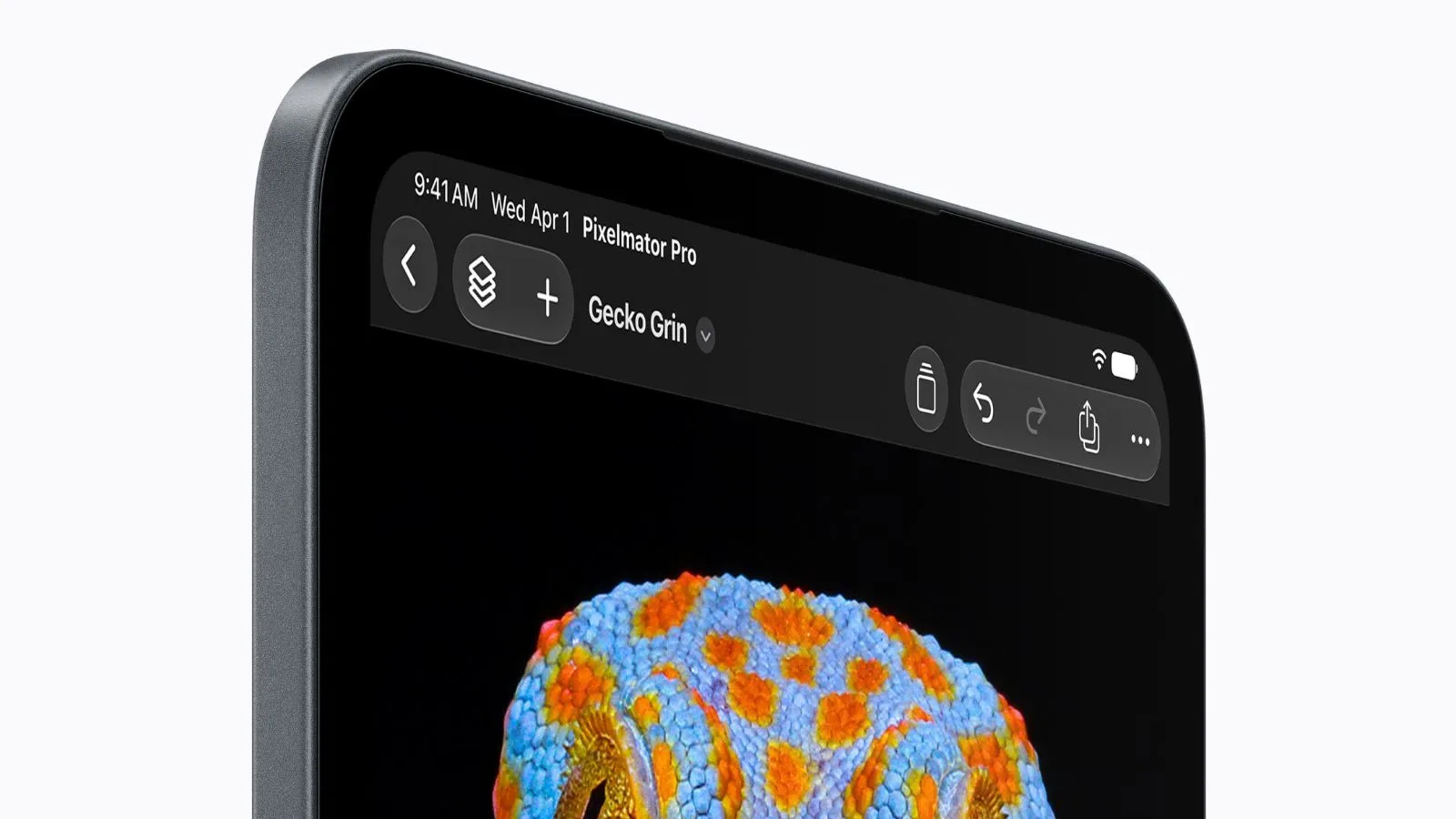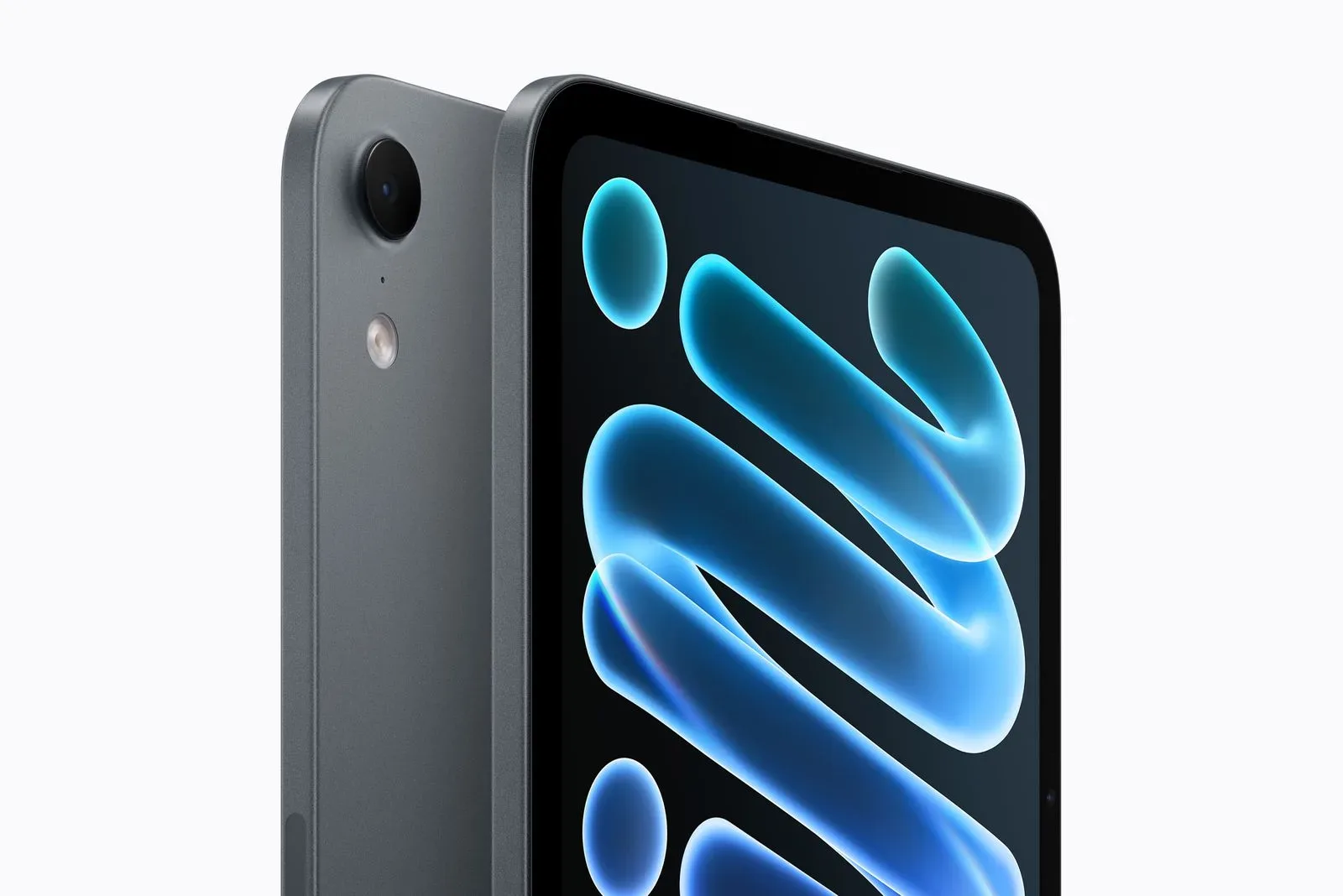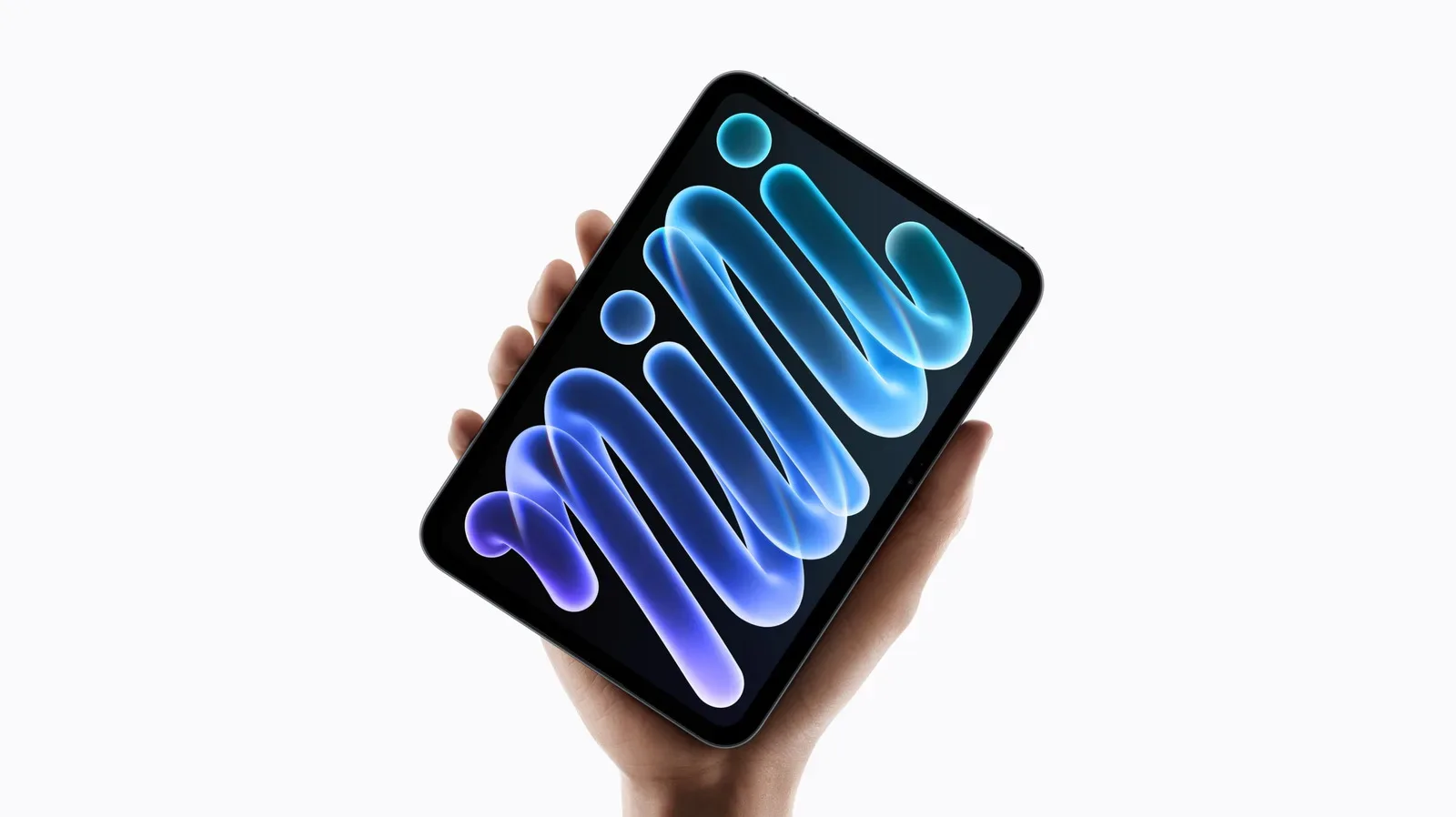
Apple’s new iPad mini introduces an option that has usually lived much higher up the configuration ladder: nano-texture glass. The anti-glare display finish is available on 256GB and 512GB versions of the tablet, rather than only on ultra-high-capacity configurations. There is a catch, naturally. Buyers cannot select it on the 128GB base model, and the option adds $100 in the U.S.
That makes the least expensive nano-texture iPad mini a 256GB Wi-Fi model priced from $899. The standard-glass 128GB Wi-Fi version begins at $699. The $100 is only part of the effective jump for someone starting from the entry configuration: choosing nano-texture means stepping up to the 256GB tier first, then adding the display treatment. Apple includes a polishing cloth with nano-texture models.
The more meaningful story is not the cloth—welcome though it may be—but the new iPad mini’s display package. The tablet moves to an 8.5-inch OLED Super Retina XDR display, with Apple citing deeper blacks, up to 1,200 nits of peak HDR brightness, 600 nits of full-screen brightness for SDR and HDR material, and a minimum brightness of 1 nit. Nano-texture is intended to make that panel more usable where reflections are the enemy, including outdoors and in field-work situations.
Nano-texture is an anti-glare option, not a storage feature
Nano-texture refers to a glass finish designed to reduce glare. In plain terms, it is aimed at limiting the distracting reflections that can wash across a display when a bright sky, window, overhead light, or nearby lamp is hitting the screen. That is a different objective from increasing the display’s brightness. The two can complement one another: brightness helps a screen compete with surrounding light, while a glare-reducing surface addresses reflections on the glass itself.
Apple positions the finish for outdoor editing and work in the field. Those are sensible examples because screen visibility can become the immediate practical limitation in brightly lit locations. A compact tablet also travels easily, so the option may matter most to people who expect to use their iPad mini away from a desk rather than in carefully controlled indoor lighting.
It is important not to overstate what the specification establishes. The available details identify the intent—reduced glare and improved bright-environment visibility—but do not quantify how much reflection is reduced versus standard glass, describe trade-offs in appearance, or establish whether every type of lighting will produce the same result. Buyers should view nano-texture as a targeted usability choice, not a blanket promise that a screen will remain perfect under every sunbeam and fluorescent panel.
The capacity restriction changes the buying calculation
The most consequential limitation is simple: 128GB buyers are out of the nano-texture pool. The finish begins at 256GB and continues at 512GB. Therefore, the decision is really a bundle of two decisions—whether more storage is warranted, and whether the display finish is worth the extra $100 once that storage tier has been selected.
That structure differs from the iPad Pro, where nano-texture is limited to 1TB and 2TB configurations. On the iPad mini, Apple has made the finish available at notably lower capacities. For a person who has a genuine anti-glare need but does not require terabyte-class storage, that is the key change. It makes the feature less tied to a top-end capacity purchase, even if it is still unavailable on the least costly mini.
Storage capacity and display use do not automatically move together. Someone may need 256GB or 512GB because of their own files and apps while using the tablet mostly inside; another person may work outdoors often but have modest storage needs. Apple’s configuration rule means the latter buyer must pay for capacity they might otherwise skip in order to gain access to the display treatment.
For prospective purchasers, the cleanest way to approach the lineup is to separate requirements:
- Choose 128GB standard glass if the $699 starting configuration suits the storage requirement and reflections are not a central concern.
- Consider 256GB standard glass if capacity, rather than glare reduction, is the reason to move beyond the entry model.
- Consider 256GB nano-texture if regular work in bright environments makes display reflections a material problem and the $899 starting point is acceptable.
- Consider 512GB nano-texture only when both substantially larger storage and the anti-glare finish fit the intended use.
This is not a recommendation to buy more storage than necessary. It is a way to make clear that nano-texture has a gatekeeper: the 256GB configuration. Treating the $100 as the entire premium risks obscuring that distinction.
What the OLED specifications mean in practice
OLED is a display technology whose pixels emit their own light. Apple highlights deeper blacks on the new iPad mini’s OLED Super Retina XDR panel. The quoted brightness figures describe several different conditions, so they should not be collapsed into one headline number.
Peak HDR brightness of up to 1,200 nits refers to the display’s highest quoted brightness in HDR circumstances. HDR, or high dynamic range, is content designed to represent a wider range between dark and bright parts of an image. A “nit” is a measurement of display luminance, or emitted light. The word “peak” matters: it is not equivalent to saying the entire screen sustains 1,200 nits all the time.
Apple also lists 600 nits of full-screen brightness for both SDR and HDR content. Full-screen brightness is a particularly useful separate figure because it concerns the panel across the whole display area rather than a peak condition. SDR means standard dynamic range, the more conventional content range. The iPad mini’s 600-nit full-screen specification therefore applies to both SDR and HDR material.
At the opposite end, the screen can reach 1 nit minimum brightness. That specification matters in dark settings, where an overly bright display can be uncomfortable or intrusive. The mix of low minimum brightness, high quoted HDR peak, and 600-nit full-screen brightness describes a broad stated luminance range—but it does not make nano-texture redundant. Brightness, deep blacks, and reflection control address related yet distinct parts of the viewing experience.
The display and storage news sits alongside other configuration details for this new model. The 512GB OLED iPad mini also has a separate hardware distinction involving its processing configuration; readers comparing the upper tier can find that detail in our report on the 512GB OLED iPad mini’s extra CPU core and dual Neural Engine. That is a useful reminder that capacity tiers can carry differences beyond the amount of available space.
Pencil support gives the display option a narrower audience than “everyone outside”
The new iPad mini supports Apple Pencil Pro, Apple Pencil (USB-C), and Apple Pencil hover. Those support details make the tablet’s outdoor-editing and field-work framing easier to understand. Pencil compatibility is relevant to users who annotate, sketch, mark up documents, or navigate precise on-screen work with a stylus.
Hover is worth distinguishing from ordinary Pencil input. Apple Pencil hover is a feature in which the iPad can detect the Pencil before it touches the display, allowing the system to respond to the nearby stylus position. The supplied information confirms support, but does not identify individual apps or workflows that take advantage of it. Likewise, Pencil support should not be mistaken for a claim that the nano-texture surface is specifically optimized for a particular drawing feel; no such comparison is provided.
Still, the combination creates a coherent option for a limited but real group of buyers: people who use a small tablet with a Pencil in variable lighting. For them, a finish that reduces glare may have more direct value than it will for a buyer whose iPad mini stays on a couch, bedside table, or indoor office desk.
The price ladder and launch timing
The standard-glass 128GB Wi-Fi iPad mini starts at $699 in the U.S. Nano-texture costs an additional $100, but only after selecting a 256GB or 512GB configuration. The first stated nano-texture price is therefore $899 for the 256GB Wi-Fi model. Nano-texture configurations include Apple’s polishing cloth in the box.
Pre-orders begin Wednesday, October 28, with availability beginning Friday, November 6. The provided launch information does not detail every connectivity variant, regional price, accessory bundle beyond the included polishing cloth, or the relative pricing of all capacities, so buyers should avoid assuming that the Wi-Fi starting price answers every configuration question.
The headline decision is pleasantly concrete. The new iPad mini is not merely receiving a brighter-sounding panel; it is getting OLED alongside an optional reflection-reducing finish. But nano-texture remains a premium configuration choice, tethered to 256GB and 512GB storage. For people who truly work under bright, uncontrolled light, it may be the display detail that matters most. For everybody else, the standard-glass 128GB model remains the actual entry point—and the new OLED specifications are there either way.