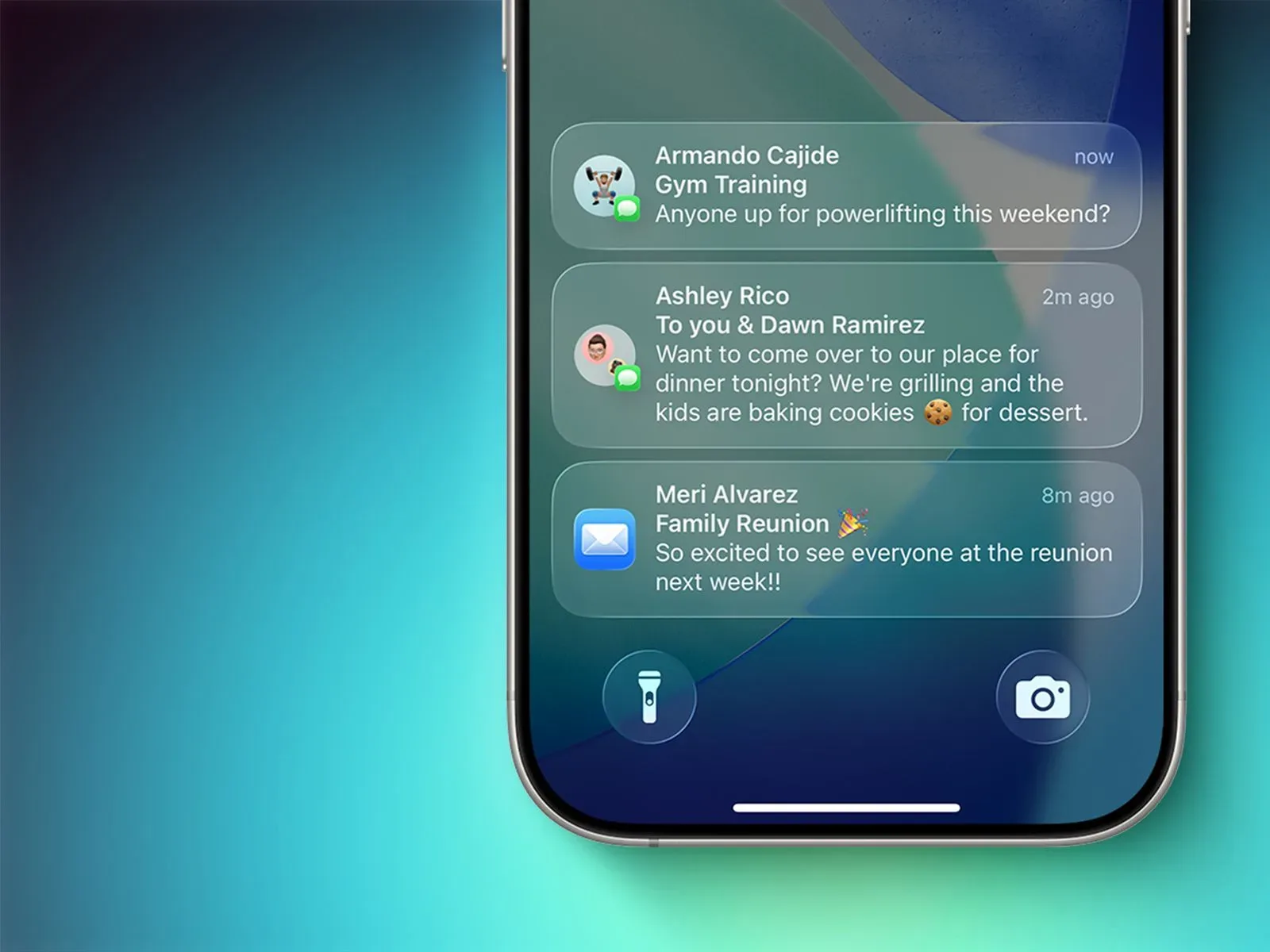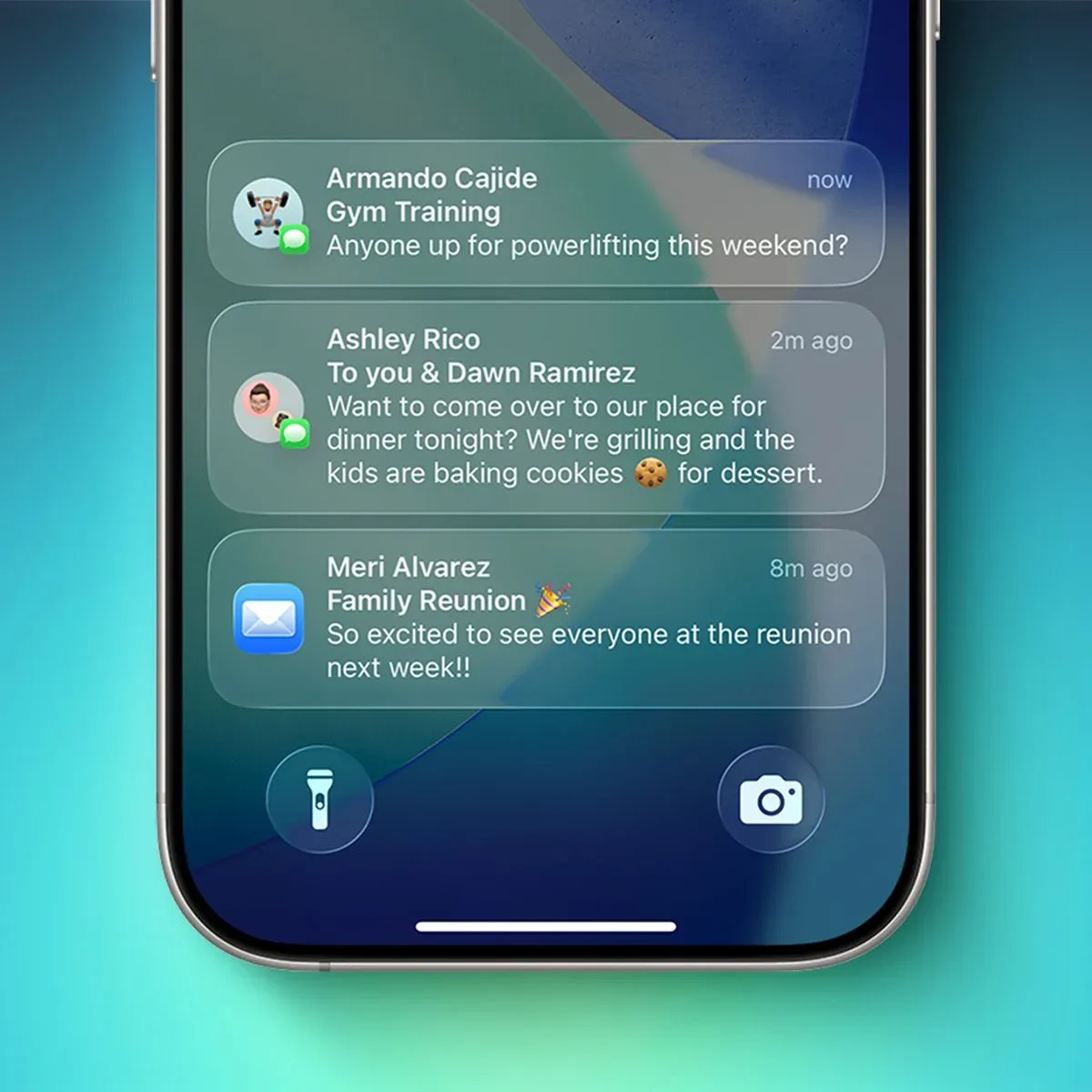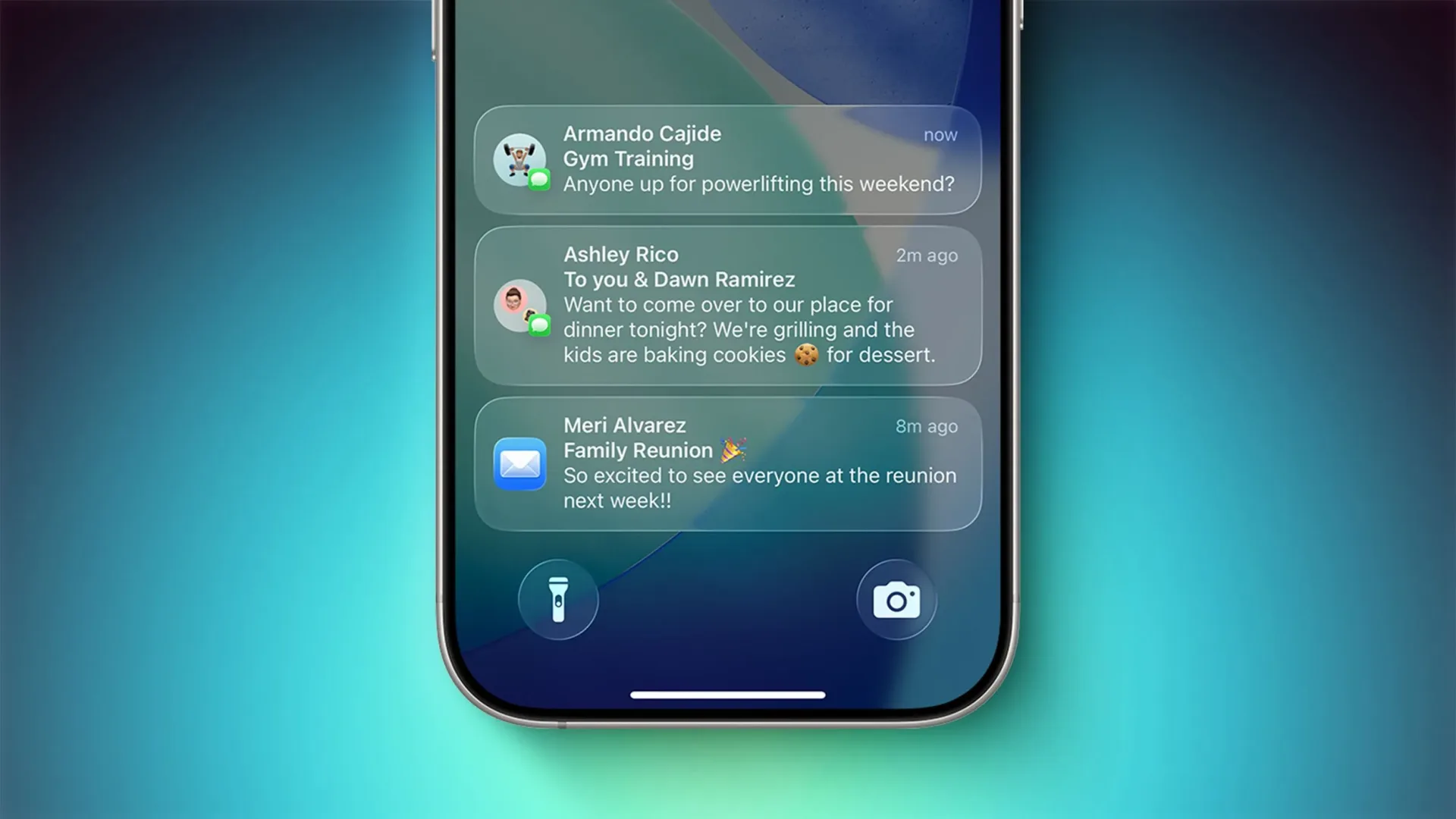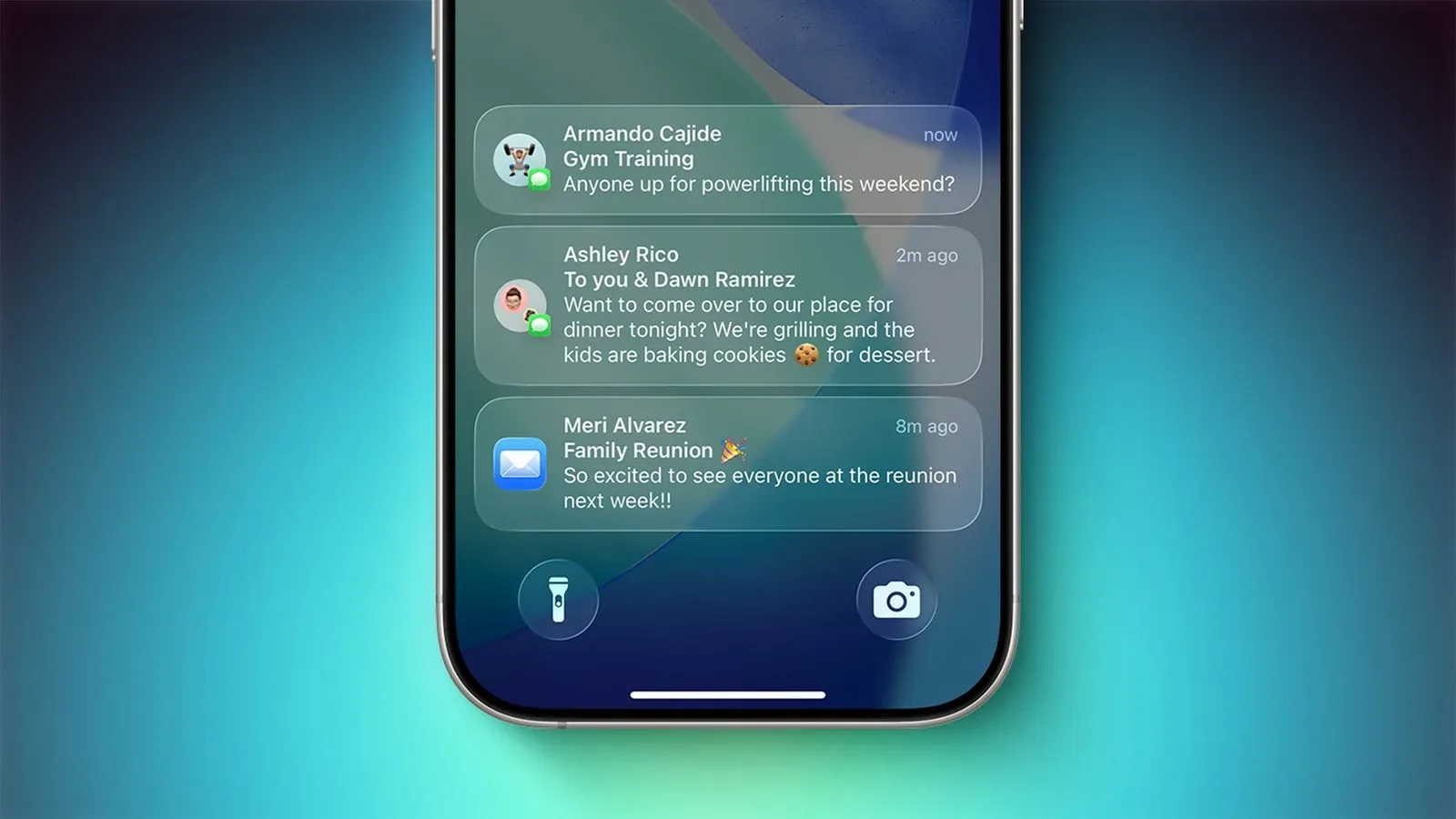
A rumor says Apple is preparing significant changes to the iPhone’s Notification Center for iOS 28, expected next year. That is the entirety of the firm information presently available: the change is rumored, the Notification Center is the target, and specific features have not been described.
Even at this early stage, the idea has obvious relevance to people who play games on their phones. Notifications sit in an awkward place between genuinely useful reminders and promotional noise. A player may want a warning that a limited-time event is ending, that friends have sent something, or that a scheduled activity is about to begin. The same device can also surface repeated attempts to bring someone back into an app, sell an offer, or advertise a general promotion. Those are very different kinds of messages, even when they arrive through the same notification system.
Nothing in the rumor confirms that Apple will add categories, promotion filters, or game-specific controls. Those are possibilities to evaluate, not announced features. Still, the stated possibility of a substantial Notification Center overhaul raises a practical question: could iOS make it easier to keep alerts that matter while pushing aside the ones that do not?
What is actually rumored
The report points to a major revision of Notification Center in iOS 28, but it does not say how notifications would look, how they would be sorted, or what new settings might appear. It also does not establish whether the changes would affect every app in the same way, whether developers would need to classify their alerts, or whether users would receive new controls.
That uncertainty is important because notification redesigns can mean very different things. A visual refresh changes the presentation of alerts. A sorting system changes their order or grouping. A filtering system decides which alerts receive less prominence. An app-control update gives the user more choices over what can interrupt them. These approaches can overlap, but they solve different problems.
For now, it would be premature to promise a cleaner iPhone lock screen, a dedicated games category, or a way to silence all marketing messages automatically. The rumor only supports the broader expectation of notable Notification Center changes.
Why notification clutter has become a meaningful issue
The immediate backdrop is concern that rules around iPhone apps using notifications for advertising have not always been enforced consistently. That distinction between an alert and an advertisement is central to why a system-level rethink could matter.
A notification is simply a message delivered by an app through the phone’s alert interface. It can be informational, social, transactional, or promotional. A message telling someone that an action they requested is complete serves a different purpose from a message designed chiefly to prompt another visit or purchase. Yet both can compete for the same attention at the same time.
In games, that overlap can be particularly pronounced. Mobile games often run live events, timed modes, social systems, seasonal activities, and rotating in-app offers. The format makes timely reminders potentially useful. It also creates a strong incentive to send frequent engagement messages. The problem is not that every game reminder is unwanted; it is that the player’s reason for wanting one alert may be entirely separate from an app’s reason for sending five more.
A well-designed notification system should recognize that attention is not an unlimited resource. If the important message is buried beneath a stream of low-priority prompts, the value of notifications declines for the player and for the apps trying to deliver genuinely time-sensitive information.
The Android comparison, explained carefully
Android 16 and later can filter notifications into News, Promotions, Social, and Suggested categories. That example offers a useful way to think about what an iOS change could prioritize, though it is not evidence that iOS 28 will replicate Android’s approach.
Category filtering means the operating system treats notifications as different types of communication rather than one undifferentiated pile. News might cover informational updates. Social would cover interactions with other people. Promotions would cover advertising or marketing-oriented messages. Suggested is a broader label for alerts the system presents as recommendations or prompts.
The practical benefit of this model is separation. A user does not necessarily need to disable every alert from an app. They may instead want to reduce the visibility of promotional notices while preserving the notices that support an ongoing activity. In gaming terms, a player might value a message connected to friends or a specific event while having little interest in recurring sales prompts.
Whether categorization works well depends on implementation. A category is useful only if it is understandable to users, applies consistently, and does not make essential alerts disappear without a clear choice. It also has to handle edge cases. A notification about a time-limited game event can be both informative and engagement-driven. A social prompt can be useful to one player and unwelcome to another. The best system would not pretend every message fits perfectly into one box; it would give people straightforward control when the labels do not match their preferences.
What an iOS 28 overhaul could mean for game players
If Apple’s rumored changes include stronger separation between promotional and non-promotional alerts, mobile players could spend less time micromanaging notifications at the app level. That is a conditional outcome, not a confirmed feature.
There are several ways such a system might help in principle:
- Less promotional clutter: Marketing-driven alerts could become easier to keep out of the main notification flow.
- More visible time-sensitive notices: Alerts a player deliberately wants could be less likely to be lost among repeated engagement prompts.
- Clearer choices: Users could potentially decide what type of contact they accept instead of choosing only between all alerts and no alerts.
- More accountability for apps: Distinguishing promotion from utility could make it harder for an app to present advertising as though it were an essential update.
There are trade-offs, too. A filter that is too aggressive could cause users to miss information they care about. A system that relies heavily on app-provided labels could be only as reliable as those labels. And a cluttered interface full of obscure exceptions could defeat the simplicity that filtering is meant to provide.
For players, the ideal result is not necessarily fewer notifications in every situation. It is better control over relevance. Someone deeply invested in a particular live-service game may actively choose frequent reminders. Someone else may want nothing beyond direct social interactions. Both should be possible without forcing either player into a one-size-fits-all setting.
A broader design question: interruption versus information
Notifications are an interface for interruption. That does not make them inherently bad. An interruption can be valuable when it arrives at the right moment and conveys something the recipient considers important. The trouble starts when the cost of being interrupted exceeds the value of what was delivered.
A Notification Center redesign can address this in two broad ways. It can improve organization, making a crowded set of alerts easier to scan after the fact. Or it can improve interruption management, reducing the chance that lower-value messages demand immediate attention. These are related but distinct goals. Better grouping helps users find information; better filtering protects their focus.
The advertising concern makes the second goal especially relevant. A platform-level system has more leverage than an individual app setting because it can establish a consistent framework across many apps. But the specifics matter: a useful framework must be transparent about why something is sorted, quieted, or emphasized, and it must leave the user with meaningful control.
That conversation also extends beyond games. The same person may receive alerts from entertainment, shopping, social, news, and productivity apps. A promotional message is still promotional whether it advertises an in-game bundle, a subscription, or a retail sale. A system that helps distinguish purpose instead of merely counting alerts could improve the overall phone experience.
What to watch for before treating the rumor as a feature list
Until Apple provides official details, the most useful stance is cautious interest. The meaningful questions are not simply whether Notification Center changes, but how it changes.
- Will iOS 28 sort alerts by category, priority, app, or some combination?
- Will promotional messages receive their own treatment?
- Will users be able to adjust those decisions easily?
- Will the system explain how and why an alert was categorized?
- Will controls work consistently across game and non-game apps?
Answers to those questions would determine whether the redesign is primarily cosmetic or a real quality-of-life improvement. For the moment, the rumor supports an expectation of significant Notification Center work and little more.
Mobile games will remain part of the conversation because they often depend on timely communication while also operating in an environment full of promotional pressure. That tension is visible in the wider mobile-games landscape, including coverage of live events and community-focused game projects. A future notification system that separates useful participation alerts from advertising clutter would be valuable—but whether iOS 28 does that remains unknown.