Apple has released the first developer betas for iOS 27.3 and iPadOS 27.3, beginning the next testing cycle just one week after the public arrival of iOS 27.2 and iPadOS 27.2. At this stage, the betas are available to registered developers rather than positioned as a finished feature announcement.
The early build matters less for a confirmed list of new buttons and more for what could still arrive in the iOS 27 generation. Apple has yet to deliver several previously announced additions: a redesigned Health app with Apple Intelligence-based insights and guidance, reachability support on the iPhone Duo, and a Safari capability intended to address weak or compromised passwords with Apple Intelligence.
There are also two region- and carrier-specific possibilities attached to iOS 27.3. Apple plans to expand Apple Intelligence to China with this update, while RCS messaging support could arrive for Australian carrier Telstra. Neither possibility should be read as confirmation that every iOS 27.3 tester will see either change immediately, but both point to the less glamorous, highly practical work that platform updates often contain: expanding services by market and improving interoperability with carriers.
What the first iOS 27.3 beta actually means
A beta is pre-release software: an in-progress version distributed for testing before a wider release. The first beta establishes the initial build developers can inspect, test against their apps, and use to identify compatibility or stability problems. It does not, by itself, guarantee that every feature discovered, expected, or previously discussed will ship in the final update.
Registered developers can opt into the developer beta from Settings > General > Software Update. That route is useful for people building and maintaining apps because operating-system changes can affect permissions, background behavior, messaging workflows, account sign-ins, and other elements software may rely on. It is not the same thing as a promise that the build is appropriate for every daily-use device.
For ordinary iPhone and iPad owners, the sensible headline is simply that the 27.3 cycle has started. The more useful details will be which features Apple documents or enables in subsequent beta builds, whether the outstanding iOS 27 additions appear, and what restrictions apply by hardware, language, region, or carrier.
Three pending iOS 27 features to watch
Health app redesign and Apple Intelligence guidance
Apple previously announced a redesigned Health app that would add Apple Intelligence insights and guidance. “Insights” and “guidance” suggest an attempt to turn collected health information into more understandable patterns or prompts, rather than leaving people to interpret a stream of isolated data points on their own.
The distinction is important. A redesigned interface changes where data and controls appear; intelligence-based guidance implies that the software may help organize or contextualize information. The beta’s arrival does not confirm that this health feature is now present. It remains among the announced iOS 27 elements still awaited.
That makes it a feature to assess carefully if and when it appears. Users will want to know what data it draws upon, how it presents its reasoning or limitations, and whether the guidance is available in their region and language. None of those implementation details have been established by the current beta information, so they should not be assumed.
Reachability on iPhone Duo
Reachability is also still pending for the iPhone Duo. In broad practical terms, reachability is an accessibility and one-handed-use concept: it helps make interface elements easier to reach when a device’s display area would otherwise put them out of comfortable thumb range. Apple has not yet reintroduced it for the iPhone Duo.
Its absence is a reminder that an operating-system version number is not a single, identical checklist across all Apple hardware. Features can be tailored to a particular device, arrive later than the broader software release, or require interface changes that take more time to complete. Until Apple enables reachability in a tested build or formally details its return, iPhone Duo owners should treat it as forthcoming rather than available.
Safari password repair with Apple Intelligence
Apple also has not reintroduced the Safari feature designed to fix weak or compromised passwords using Apple Intelligence. Weak passwords generally refer to credentials that are easy to guess, reused, or otherwise inadequate for protecting an account. Compromised passwords are credentials exposed through a breach or another security incident.
A tool that can help repair such passwords could reduce friction at exactly the moment many people postpone action: changing credentials across accounts. But the phrase “fix” leaves meaningful questions about how the workflow will operate, including what account support is needed and how much control the user retains at each step. The first iOS 27.3 beta does not answer those questions because the feature has not yet returned.
China expansion could be iOS 27.3’s most consequential change
Apple plans to expand Apple Intelligence to China with iOS 27.3. That is a significant geographic expansion, even though the available information does not specify a rollout timetable within the beta process, the exact feature set, or the requirements users will need to meet.
Apple Intelligence is Apple’s umbrella name for its AI-powered capabilities. Availability can be more complicated than installing a new version of iOS: language support, local service arrangements, regional rules, and device eligibility can all shape whether a specific feature is accessible. The planned China expansion therefore should not be reduced to a routine toggle appearing in every iOS 27.3 installation.
For developers, a broader Apple Intelligence footprint may eventually matter when they consider supported markets and the different experiences customers can receive. For users, the practical question is straightforward: availability may be approaching, but the exact boundaries of that availability still need to be confirmed in Apple’s release details.
Telstra RCS support would address a messaging gap
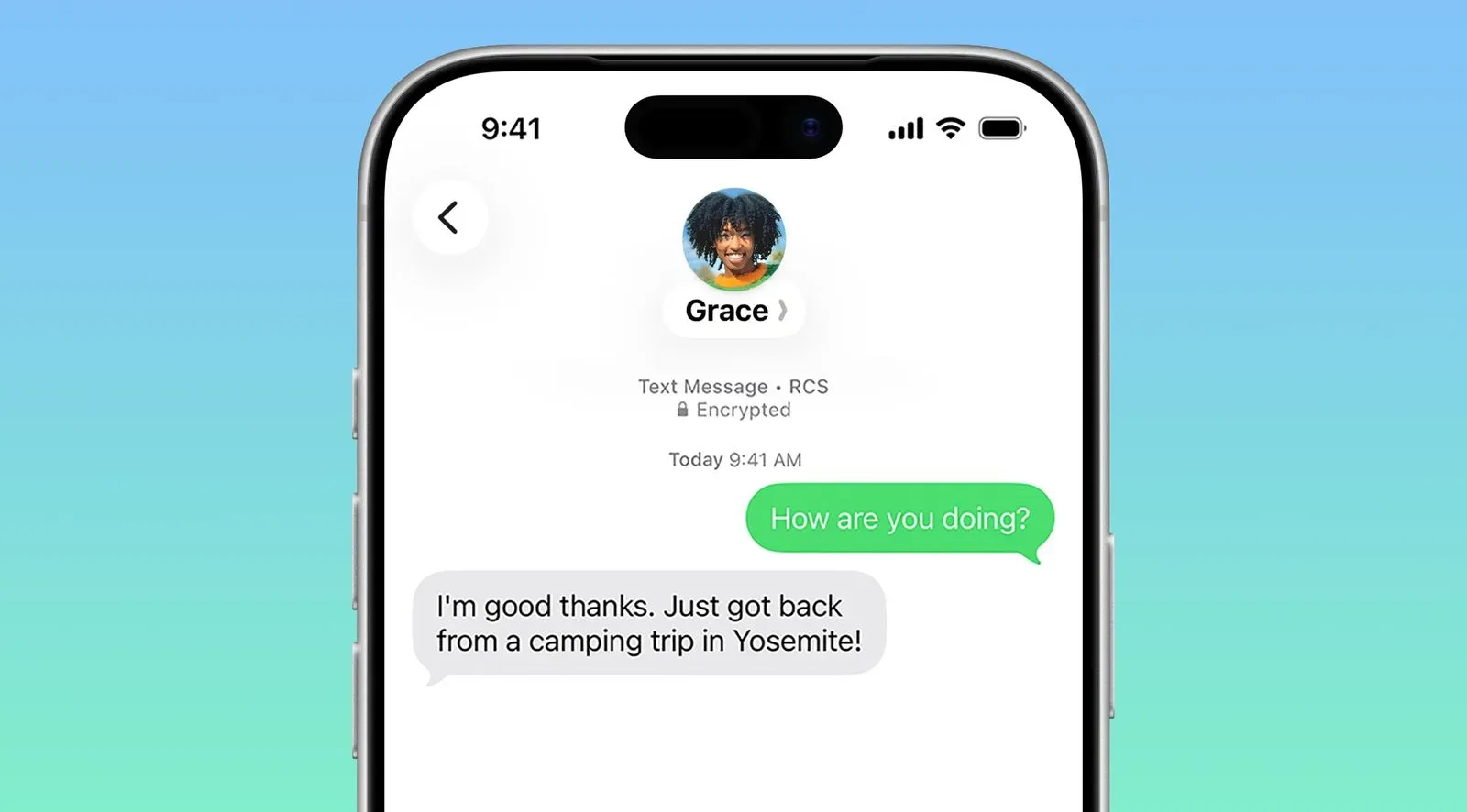
iOS 27.3 could also add RCS support for Telstra in Australia. RCS, or Rich Communication Services, is a messaging standard intended to provide a more modern carrier messaging experience than traditional SMS and MMS. Carrier participation is central to its availability, which is why a Telstra-specific change matters rather than being a blanket claim about all Australian messaging.
If the support arrives, Telstra customers would have a notable interoperability change to watch for. The important caveat is that it is described as a possibility for the update, not as a confirmed feature in the initial beta. Users should wait for carrier and software-release confirmation before expecting it on their devices.
Carrier-dependent features can be easy to overlook in broad software-update coverage, but they can have outsized value for the people affected. A platform’s headline additions may grab attention, while communication improvements often depend on the slower coordination among operating-system maker, carrier, device setup, and local support.
How to read this beta without overpromising it
The iOS 27.3 cycle currently has a clear set of signposts: Apple has begun developer testing; the 27.2 release came a week earlier; Apple Intelligence expansion to China is planned; and Telstra RCS support could be included. Just as notable is the list of absent items: Health’s planned Apple Intelligence guidance, iPhone Duo reachability, and Safari’s AI-assisted password repair have not been reintroduced.
That split is useful for separating established facts from reasonable anticipation. A beta release is evidence that engineering and compatibility testing are moving forward. It is not evidence that every previously announced iOS 27 feature is complete, enabled, or scheduled for the final 27.3 release.
The same restraint is worth applying across software platforms. Updates can contain consumer-facing features, regional expansions, carrier integrations, and behind-the-scenes fixes at the same time; a version number alone does not reveal which will matter to a particular device owner. For a wider example of how platform updates can target specific hardware constraints, see this look at Windows 11 changes for 8GB PCs.
For now, developers have a new iOS 27.3 and iPadOS 27.3 build to evaluate. Everyone else has a focused watchlist: whether the long-awaited iOS 27 features surface, how Apple Intelligence’s China rollout is defined, and whether Telstra RCS support makes the cut when the update moves closer to public release.