A multi-device setup has a way of turning a perfectly ordinary power outlet into a tiny logistics problem. A phone may use USB-C, while an older cable or accessory still needs USB-A; add a tablet, earbuds, a watch or a handheld gaming device and spare wall chargers stop feeling excessive very quickly.
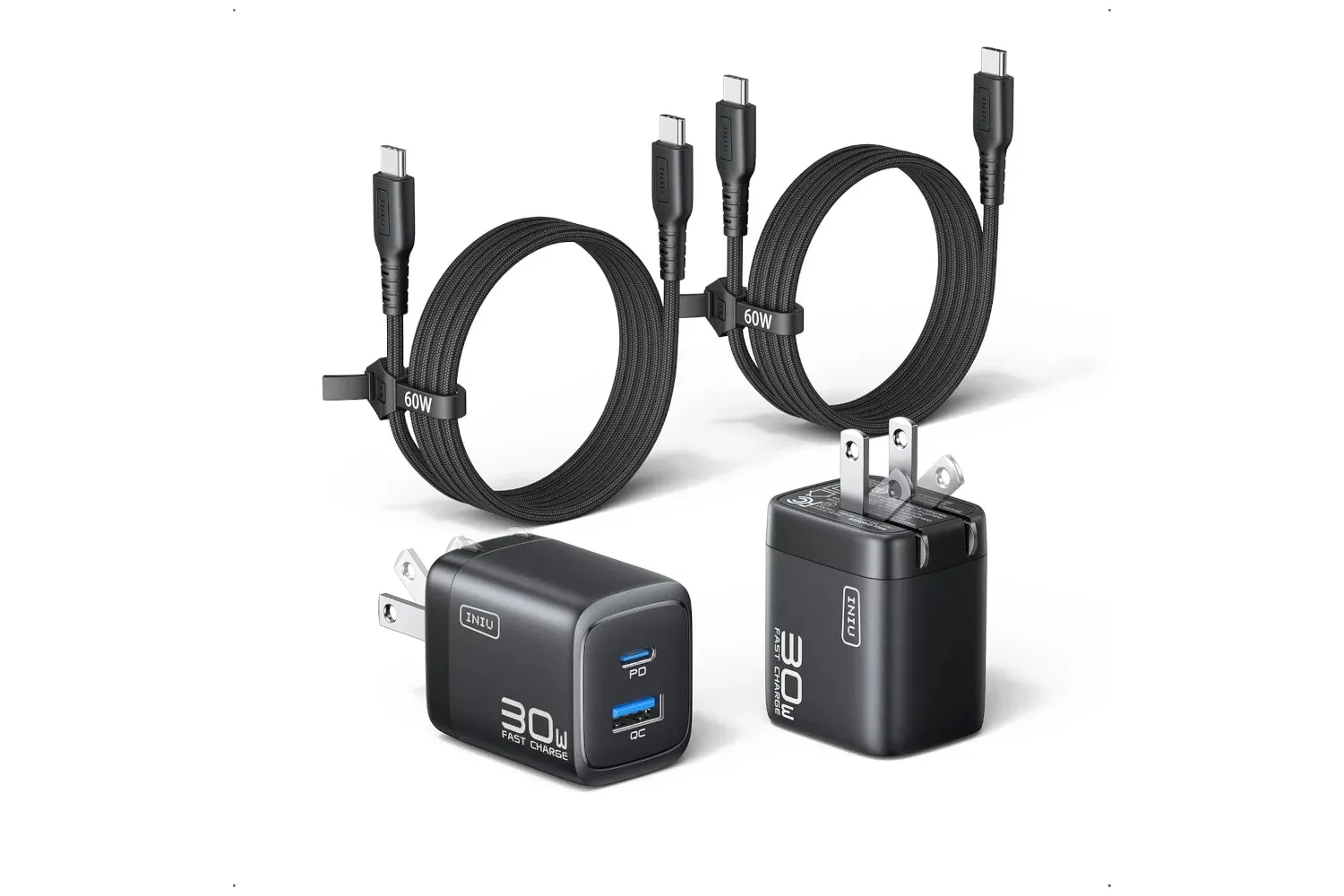
A current listing puts a two-pack of INIU USB-C Dual-Port Chargers at $15, with cables included. That works out to $7.50 per charger before any consideration of the included cables, while each individual charger has two output ports. The original deal framing refers to the pair as costing only a dollar more than one unit, though shoppers should note a conflicting reference to a $16 price later in the deal information. As with any retail promotion, the listed price and stock can change, so it is worth confirming both at checkout.
What is in the two-charger bundle?
The key appeal here is not a complicated dock or a collection of proprietary connectors. It is a pair of compact wall chargers, each with one USB-C port and one USB-A port. That combination matters for households and travel bags where cables do not all belong to the same generation.
- Two INIU wall chargers: useful for separating a home charging spot from a desk, bedside table or travel kit.
- USB-C and USB-A on each charger: allowing a newer USB-C cable and a legacy USB-A cable to be connected at the same time.
- 30W output: the stated output capacity for charging portable devices, including phones and some handheld consoles.
- Included cables: the bundle is described as coming with two cables.
- Foldable prongs: intended to make the chargers easier to pack and to avoid snagging or damaging the prongs in a bag.
- Listed safety provisions: ETL certification, temperature management, and protections for overcurrent and short circuits are all cited for the chargers.
That port layout is especially practical when the aim is to use existing cables rather than replace everything at once. USB-C is the newer connector in the pair, while USB-A remains common on older cables and accessories. A charger with both means the outlet can serve two devices without requiring an adapter merely because their cable ends differ.
What 30W means in everyday charging
“30W” means 30 watts, a measurement of electrical power. In simple terms, it gives a ceiling for the charger’s available output; it does not promise that every connected device will always receive 30W. The actual charging result depends on what the device and cable support, and on whether both ports are in use.
For the everyday devices named in the listing—phones, tablets, earbuds and smartwatches—the stated 30W output makes the chargers a plausible all-purpose option. The source material also positions them for some handheld consoles. There is an important distinction, however, between being able to charge a device and delivering its fastest possible charge rate. Larger handheld hardware may not fast-charge at the charger’s stated level. It can still be useful as a steady charging option when the device can remain connected until its battery is replenished.
For gaming use, that makes this more of a flexible utility purchase than a guarantee of maximum charging speed for every system. Someone who needs one outlet solution for a phone plus headphones, or a handheld plus a second small device, is closer to the intended use case than someone trying to make broad assumptions about fast-charge performance across every console.
Two ports are helpful, but not a substitute for checking a device’s needs
A dual-port charger solves a cable-compatibility problem and can reduce outlet clutter, but it does not eliminate the need to match the charger to the device. The useful question is straightforward: does the device charge over USB-C or USB-A through the cable already on hand, and is ordinary charging sufficient for where it will be used?
That is particularly relevant for travel. A compact charger can cover two devices at once, and a second charger can be kept separately rather than being unpacked and repacked between rooms. Foldable prongs also make more sense in this context than as a headline feature: they help the chargers sit more neatly in a pouch or backpack and reduce the chance of exposed metal prongs catching on other gear.
Safety claims and how to read them
The chargers are described as ETL certified and as having safeguards against overcurrent and short circuits, alongside measures intended to keep temperature in a safe range. Those are meaningful product claims because chargers are often left connected for long stretches and may be used to power several types of portable electronics over their life.
It is worth reading these terms plainly. Overcurrent protection refers to a safeguard for situations where too much current is drawn. Short-circuit protection addresses an electrical fault where current takes an unintended low-resistance path. Temperature management concerns heat during use. None of those phrases mean a user can disregard a damaged cable, a visibly damaged charger or poor placement around heat; rather, they describe protections built into the product as presented.
ETL certification is listed as part of the product’s safety case. Since charging accessories are equipment people may buy with little thought beyond port type and price, seeing a certification claim alongside specific fault protections is more useful information than a generic “safe charging” promise. Buyers who consider that claim essential should still verify the current product listing and packaging details before purchase.
Why the second charger is the practical part of the deal
The value of a two-pack is not only the lower per-unit price. A spare charger changes how inconvenient a lost, failed or misplaced charger can be. One can stay at a regular charging location while the other lives in a bag, or the pair can split between two people without either person needing to give up compatibility with USB-A cables.
That flexibility is relevant to game players who rotate between a primary phone, a handheld and smaller accessories, but it is equally useful in a mixed-device household. The core advantage is coverage: two charging locations, two sets of ports, and two included cables rather than a single point of failure.
It also means prospective buyers should judge the bundle as two modest chargers, not as one high-powered desktop charging station. The product’s strengths are its two-port design, compact form and packable prongs, plus a price that makes stocking a backup less painful. Its stated 30W output is presented as adequate for a broad range of portable devices, while the available information stops short of making a universal fast-charging promise for larger hardware.
A sensible fit for a portable gaming setup
For a travel kit, the most convincing arrangement is simple: use one charger for a handheld or phone and the other for a second device or as a backup. The mixed USB-C and USB-A ports make that setup more forgiving when cables are old, new or borrowed. Included cables add to the immediate usefulness of the bundle, though buyers should check connector types and length in the live listing if those details matter to their setup.
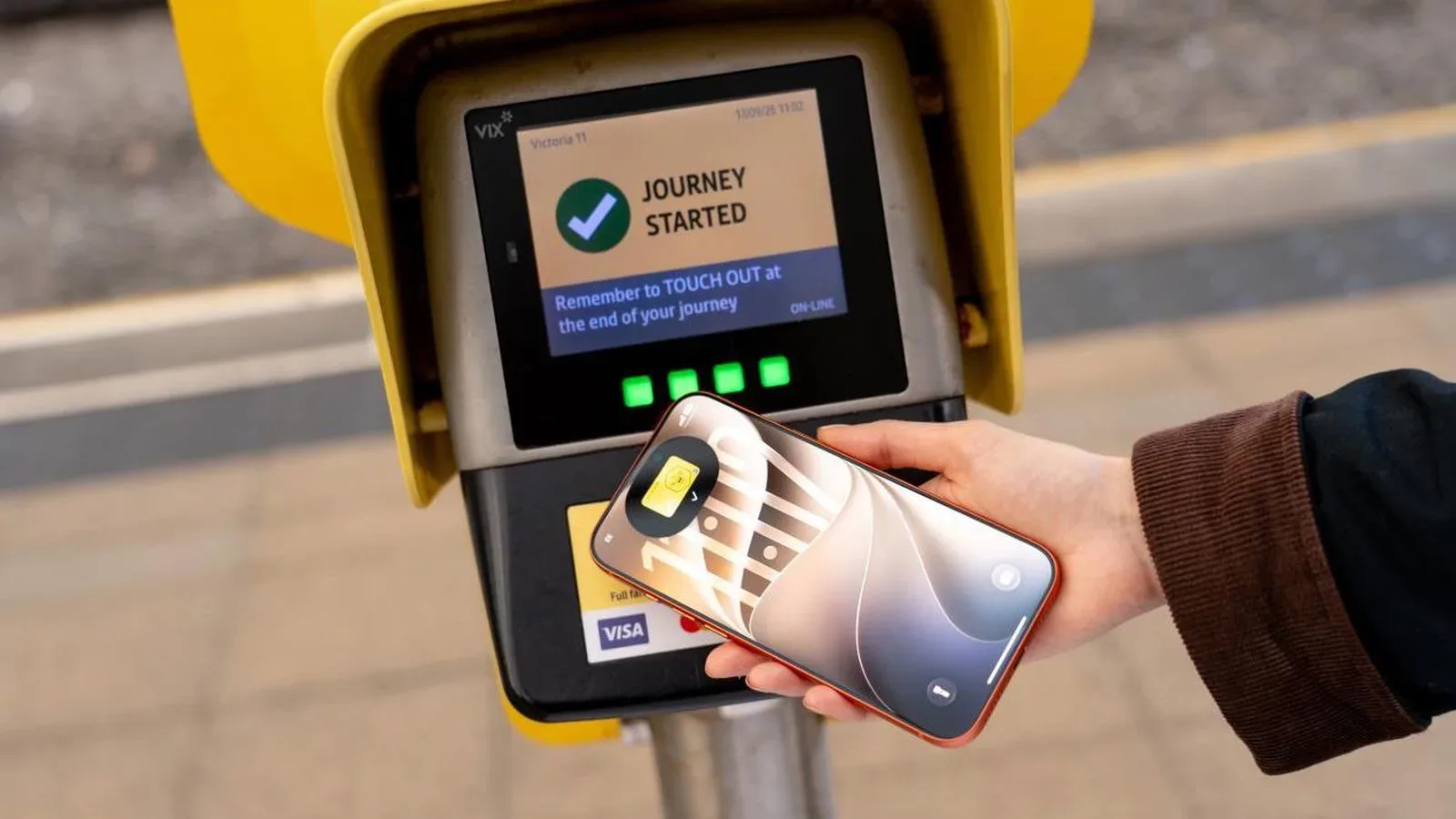
The same device ecosystem that makes a charger two-pack useful is also why a second unit can make sense as a contingency item. Phones remain central to digital tickets, maps and communication while travelling; for an example of how phone-based passes are expanding, see the update on Bee Card support in Apple Wallet. A spare charger is not exciting hardware, but it can be the item that keeps a portable setup working when the primary brick is elsewhere.
At the reported $15 listing, the INIU two-pack is chiefly a budget-minded way to add USB-C and USB-A charging capacity in two places. Confirm the live price, compatibility with the devices and cables you intend to use, and the current contents of the bundle before treating the promotion as a final purchase decision.
Shop the products
Check current price, model and availability at the retailer.