Young Money APAA Sports is expanding the business surrounding its athlete roster with a new Influencer and Brand Partnerships division. The agency has appointed entertainment attorney Brooke Soliz Bremmer to lead the unit, which is intended to find and manage sponsorship, endorsement and other commercial opportunities for both professional and college clients.
Bremmer will be based in Los Angeles and report to agency CEO Adie von Gontard. Her role places her at the meeting point between companies seeking athlete partners and an agency that says it represents more than 100 people across football, basketball, soccer and college name, image and likeness arrangements.
The move does not change the central purpose of a sports agency: representation for playing contracts remains its own discipline. Instead, it creates a dedicated lane for work beyond the team deal. For a pro athlete, that can mean pitching a brand relationship and handling the commercial partnership alongside the agent responsible for the player’s contract with a club. For college athletes, it includes sponsorships connected to their name, image and likeness, commonly shortened to NIL.
What the new division is designed to do
In straightforward terms, the division is built to translate athlete visibility into paid, organized brand work. That can encompass a sponsor looking for an athlete to appear in a campaign, promote a product, take part in a social-media initiative, or participate in a broader commercial relationship. The available information does not identify particular companies or prospective campaigns, so the scope should not be mistaken for a list of deals already completed.
The key distinction is between on-field or on-court representation and commercial representation. The first concerns an athlete’s playing employment. The second concerns deals tied to a person’s public profile. Those areas can overlap in an athlete’s career, but they involve different conversations, goals and contracts. A dedicated brand-partnerships lead can focus on the latter while player agents continue to handle team negotiations.
Von Gontard framed the appointment around an increasing need for brand partners able to present stories authentically. Bremmer said her experience on the media and contract sides of entertainment makes the assignment a natural fit, with an emphasis on building durable rather than merely momentary partnerships.
Bremmer brings legal, media and social experience
Bremmer’s background is unusually aligned with a role that requires both relationship building and deal awareness. Before entering law, she worked as a television reporter in Texas and covered entertainment in Dallas and Los Angeles. She later founded The Zilos Group, a public-relations and social-media agency.
Her client roster includes wrestlers, television hosts, actors and online creators. That experience matters because athlete partnerships frequently require more than identifying a recognizable name. Brands and talent need an arrangement that is understandable to audiences, suitable to the campaign, and workable for all of the people and businesses involved. Bremmer’s experience with creators and entertainment figures gives the agency a wider pool of potential collaboration points than a traditional athlete-only operation.
Related coverage includes Young Money APAA Sports Launches Influencer and Brand Partnerships Division.
Young Money APAA Sports said Bremmer will explore projects that connect athletes with clients from that entertainment roster, including digital creator Cam J and actor Matthew Sauvé. That is an area to watch rather than a confirmation of any specific pairing or production. The agency has described the potential direction, but it has not announced individual collaborations, sponsors or launch dates.
NIL remains a central part of the assignment
NIL refers to an athlete’s name, image and likeness: the aspects of identity that can be used in marketing and commercial arrangements. In this context, an NIL deal is separate from payment for playing on a professional team. It is a sponsorship or promotional opportunity built around the athlete as a public-facing individual.
The new division is not Young Money APAA Sports’ first involvement in that market. The agency had already represented college players in NIL before the unit was established; an agency NIL executive discussed that work in 2023. The significance of the new division is therefore organizational. It signals a more formal structure for commercial opportunities across the agency’s college and professional client base, rather than the beginning of its NIL activity.
For college players, having a focused point of contact for brands could make the commercial side of representation easier to navigate. It also underscores why athletes’ platforms matter beyond their performance in competition. An NIL arrangement is not simply a popularity contest: the fit between an athlete, a campaign and a company’s message remains crucial. The agency’s stated aim is to create partnerships that have longevity, which suggests it is looking beyond one-off endorsements.
A roster with prominent football clients
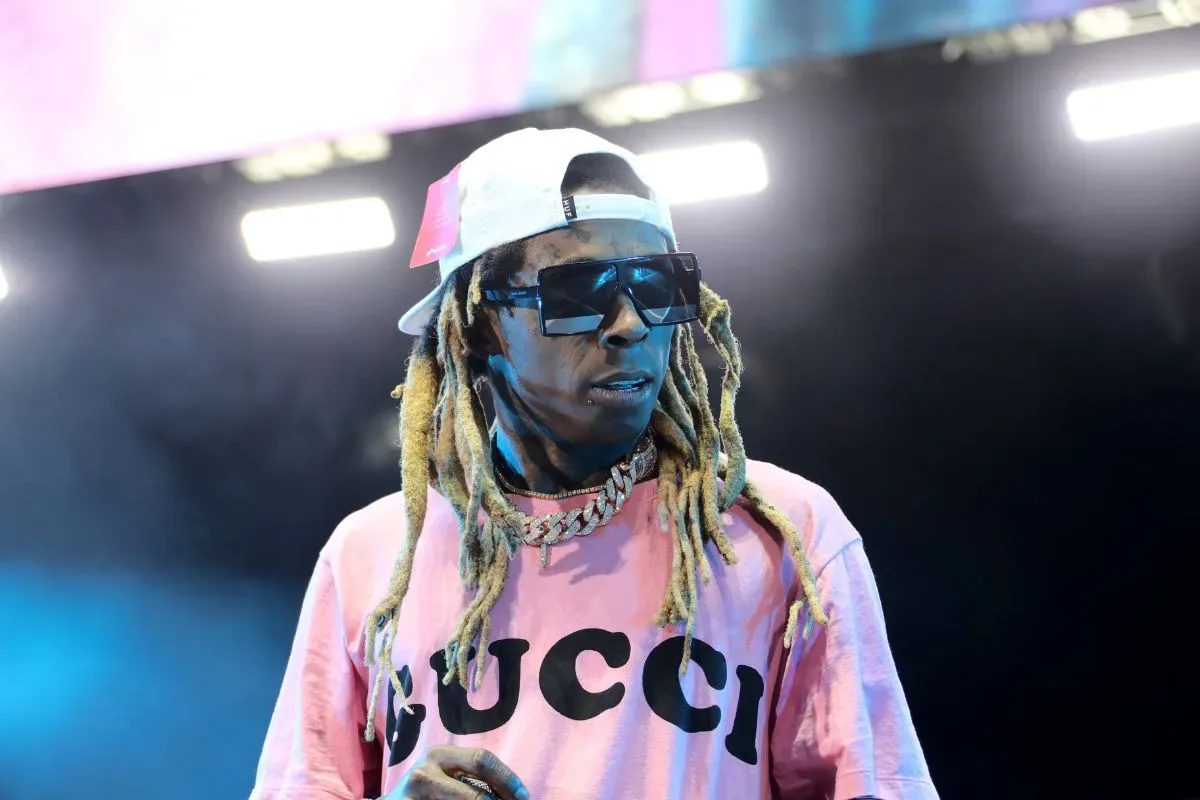
The agency was created through the partnership of Young Money and APAA Sports Group, with Lil Wayne and the von Gontard family behind the combined business. The companies joined in 2017. Young Money’s sports activity initially grew through basketball before it expanded into NFL representation through the acquisition of PlayersRep Sports Management, adding agents and players.
Its recent football roster activity includes Travis Hunter, whom the company signed for NFL playing-contract representation before the 2025 draft. Jacksonville selected Hunter second overall. Cleveland Browns quarterback Shedeur Sanders later hired von Gontard as his first NFL agent in October, joining his former Colorado teammate at the agency.
Those player signings concern football representation, not newly disclosed brand deals. Still, they illustrate why a separate commercial division can be meaningful for the agency. High-profile clients may attract interest that extends past a team contract, while younger college athletes are also operating in a sponsorship environment shaped by NIL. Keeping that commercial work coordinated with the athletes’ broader representation is the practical objective of Bremmer’s post.
Why the expansion matters
The agency’s decision reflects an entertainment-business reality: athletes can be competitors, public figures and creators of audience attention at the same time. Brand partnerships draw on that public role, while legal and agency oversight helps make those arrangements more structured. Bremmer’s appointment combines an attorney’s contract perspective with a background in reporting, publicity and social media.
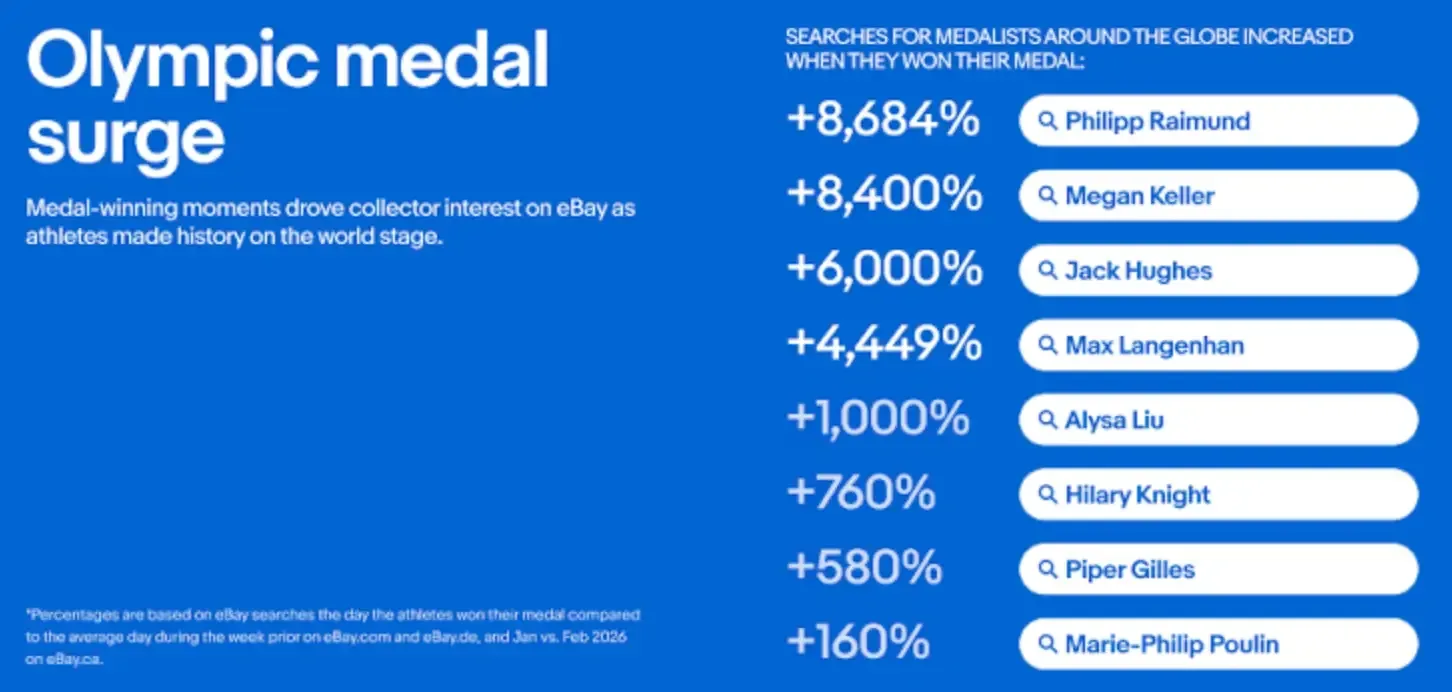
There is also a wider cultural connection between sports personalities, audience attention and markets built around athlete identity. That attention can show up in commercial campaigns as well as fandom-driven categories; recent collector-search trends involving Michael Jordan and live sports moments offer a separate example of how sports prominence can extend beyond the game itself.
For Young Money APAA Sports, the immediate, concrete development is the creation of the division and Bremmer’s leadership appointment. The outcomes—specific sponsors, athlete campaigns and entertainment crossovers—remain to be seen. What is clear is that the agency is setting up a specialized operation to pursue those opportunities for a roster spanning pro sports and college NIL.