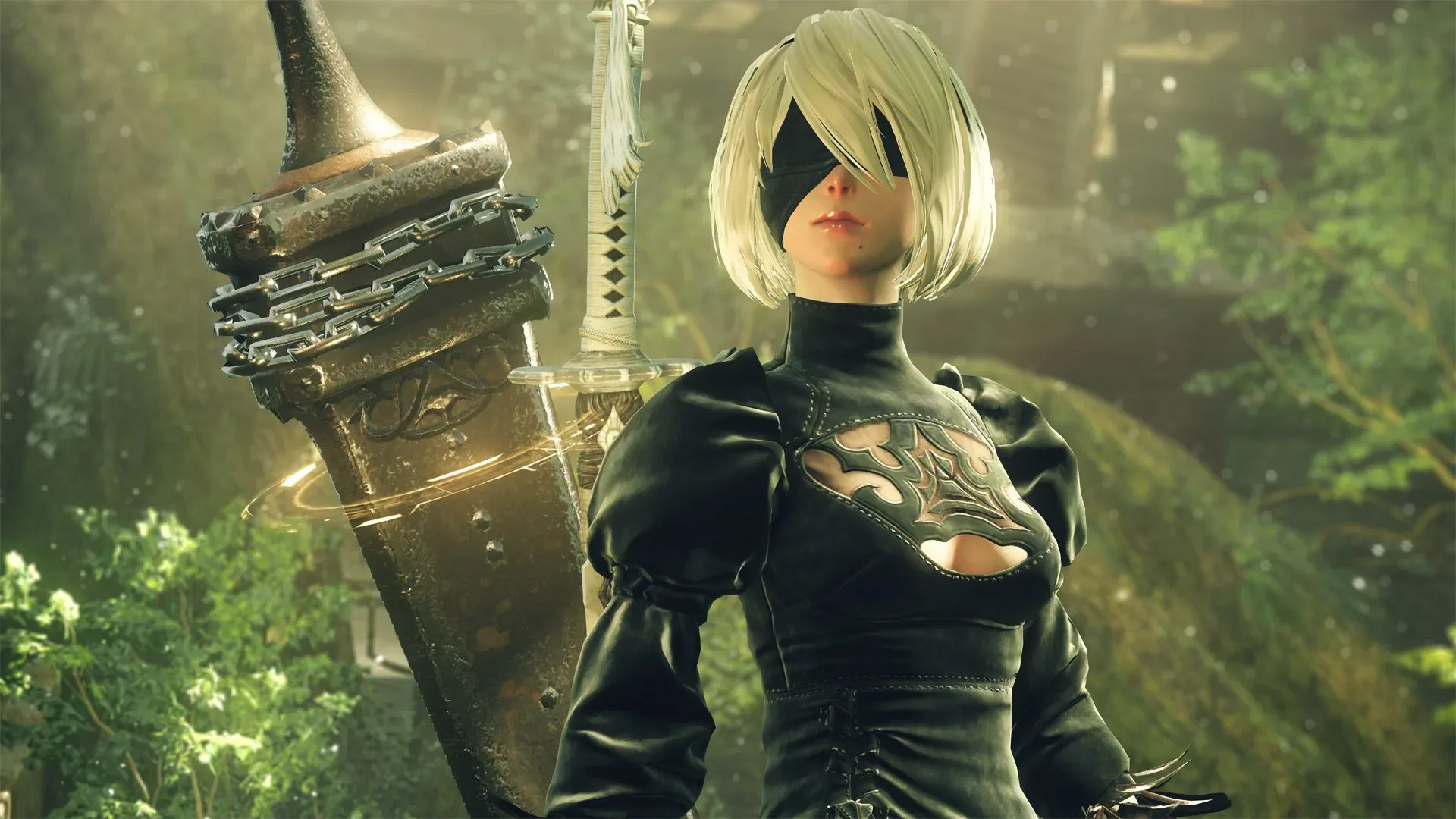
Yoko Taro’s comments on his career contain a striking distinction: he has not necessarily stopped making games, but he says he has already accomplished the central creative goal he set for himself. In a recent public conversation with EnderLilies director Keisuke Okabe, Taro described the first Drakengard as the work that distilled what he wanted to express in the medium. Everything made after that, in his telling, belongs to the remainder rather than the mission.
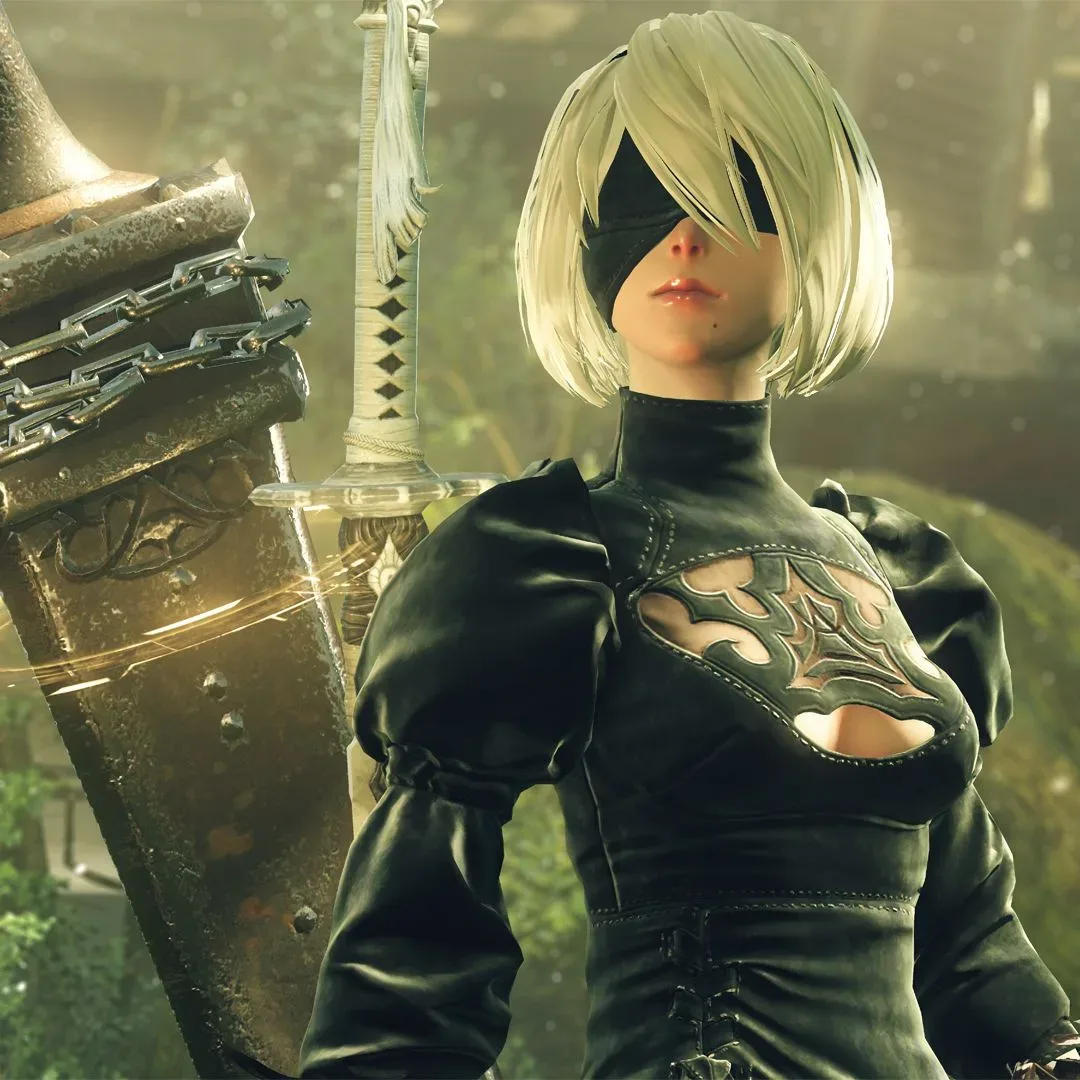
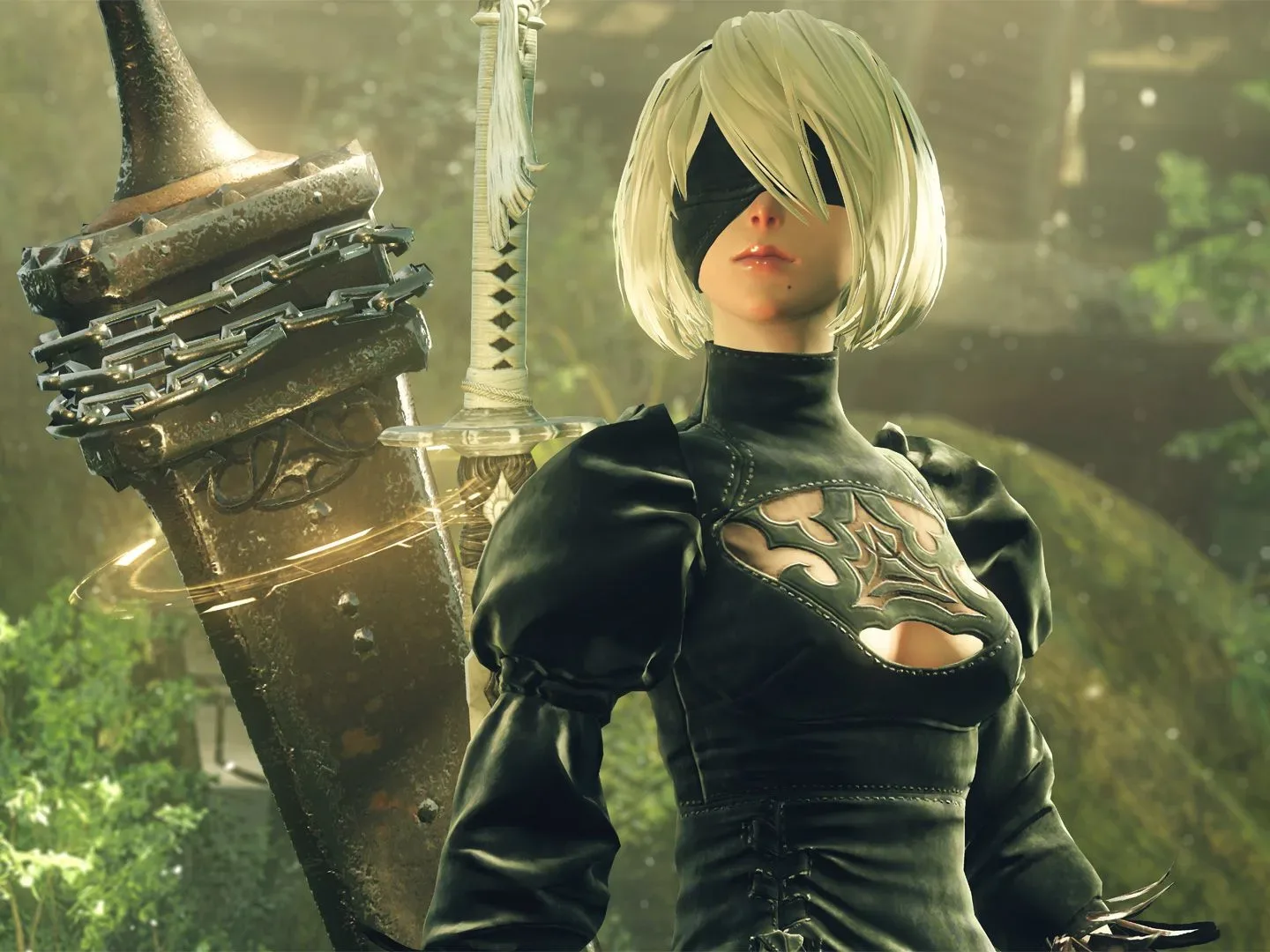
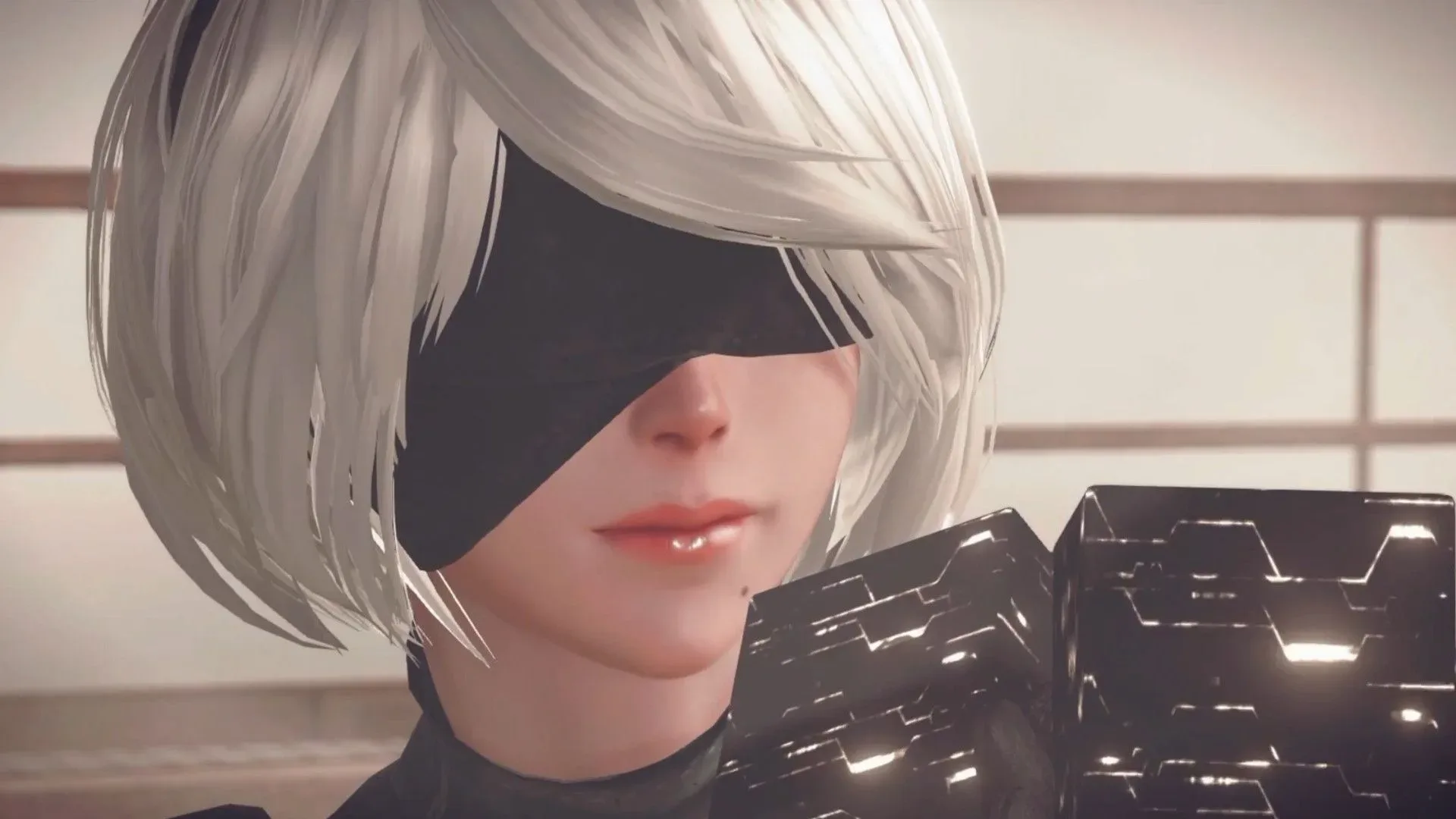
That reframes a career many players chiefly associate with Nier: Automata. The later action RPG turned the wider Drakengard/Nier lineage into a global success and placed Taro among gaming’s most recognizable creative figures. Yet the creator himself points back to the original Drakengard, not Automata, as the project that fulfilled his personal ambition.
It is an important clarification for anyone attempting to read these remarks as a teaser, a retirement notice, or a promise that another Nier is around the corner. They are none of those things. Taro said there is not much currently happening on the project front by his own choice, and he expressed a desire to move away from full-time game development. But he also described continuing to work in limited terms. The result is less a clean ending than a candid account of an artist reconsidering how much work he wants in his life after reaching a creative milestone long ago.
Drakengard, not Automata, as the personal destination
Drakengard is the starting point of the lineage discussed here. The supplied record identifies three Drakengard games and two Nier installments dating from the early 2000s onward, with Nier: Automata positioned as a spin-off connected to the earlier series. In that framework, Taro’s remark is not a dismissal of the later games. It is a statement of authorial intent: the first game was, for him, the concentrated form of the ideas he had hoped to pursue through interactive work.
That distinction matters because commercial visibility and personal completion are different measures. A game can be the title that reaches the largest audience without being the title its creator sees as the purest expression of an original objective. Nier: Automata clearly broadened the franchise’s reach and elevated Taro’s public profile, but the comments suggest that its role in his career is not simply “the masterpiece that completed everything.” By his own account, that sense of completion came much earlier.
There is no contradiction in that view. Creators can revisit, revise, extend, or transform their interests after initially articulating them. A series can develop a new audience, new collaborators, and new practical possibilities over time without changing the project an individual regards as their defining artistic statement. Taro’s framing instead gives the later work an unusual context: it follows an endpoint he believes he had already reached.
What he did—and did not—say about retirement
Taro was frank about the emotional side of work. “It’s over,” he said in the conversation, adding that he does not want to work anymore. He also said that his financial situation increasingly makes stepping away viable, and that he is not enthusiastic about adhering to a strict work schedule.
Those are significant personal remarks, but they should not be stretched beyond what they establish. He did not identify a final project, announce the cancellation of a named game, or confirm a sequel to anything. Nor did he set a timetable for leaving game development. The available information supports a narrower reading: he hopes to retire from full-time game-making and feels creatively satisfied, while leaving room for some work to continue.
Related coverage includes Yoko Taro Reflects on Retirement, Drakengard's Legacy and Why He Still Keeps Creating.
That nuance is particularly useful in an industry where any prominent developer comment can instantly be processed as a binary: either a new release is imminent or the creator is gone forever. Development careers are rarely that tidy. The details supplied here instead point to a spectrum between full-time production and total departure. Taro’s own language sits in that space.
For players, the practical implication is patience rather than prediction. There is no basis here to infer that a third Nier is in active development. It is equally inaccurate to say Taro has definitively ceased making games. A creator’s satisfaction with past work can coexist with future work, especially when that future work is approached on different terms.
“Dementia prevention” as motivation, not a medical conclusion
The most unusual part of Taro’s explanation is the reason he gives for continuing through work frustrations. He said he thinks about dementia prevention, citing a belief that retiring early can raise the risk of developing the condition. When difficult moments arise at work, he says he gets through them by telling himself that the effort is good for preventing dementia.
“This is good for preventing dementia.”
That is best understood as Taro’s stated personal motivation rather than medical guidance. The conversation provides no clinical evidence, definition of “early” retirement, or explanation of how health research was assessed. It therefore cannot establish that remaining in game development prevents dementia, or that retirement by itself determines anyone’s health outcome. What it does establish is that Taro uses the idea of staying mentally active as a private counterweight to the parts of work he finds frustrating.
That distinction is not mere cautionary wording. It preserves the heart of what he said. He is not presenting game production as an effortless pastime or pretending that professional dissatisfaction has vanished. He explicitly acknowledges the frustrations. His point is that he has found a way to interpret those frustrations as a reason to keep his mind engaged rather than as an automatic cue to stop.
It is also notable that this motivation differs from the usual language around a major series. The comments are not framed around market demand, franchise obligation, or an escalating production roadmap. They are framed around an individual’s appetite for work, financial independence, creative fulfillment, and desire to stay occupied. That is a far more human—and far less easily marketable—way to explain why a veteran creator may still choose to make things after saying the main artistic task is complete.
Why this does not amount to a Nier roadmap
The temptation to turn any Taro comment into a forecast for Nier is understandable. Nier: Automata was the installment that brought the franchise to a much wider global audience, and it remains the clearest reference point for many fans. But the information available here offers no title, platform, release window, publisher plan, or development status for another game.
More broadly, the story is a reminder that successful creative identities can outgrow the simple expectation of perpetual sequels. A recognizable creator can have a globally celebrated work behind them and still feel that the essential statement was made elsewhere, years earlier. They can also prefer occasional work to a conventional full-time role. That may be difficult for audiences seeking certainty, but it is a more faithful reading of the circumstances than treating every reflective comment as an announcement.
The wider games business is full of examples of how fragile certainty can be when projects are in flux; recent reporting on the canceled Perfect Dark reboot is a useful reminder that public anticipation and confirmed production are not the same thing. In Taro’s case, the gap is even clearer: the conversation is reflective rather than promotional.
A creator defining success on his own terms
Taro’s remarks ultimately offer a counterpoint to the notion that a developer’s career must continually build toward a bigger, busier, more visible future. By identifying Drakengard as the place where he had already placed everything he wanted to do in games, he gives himself permission to treat subsequent work differently. It can be exploratory, occasional, practical, or simply part of the remaining time he has chosen to spend creating.
That does not lessen the significance of Nier: Automata or the broader legacy of the games that followed. If anything, it makes the path more interesting. The public breakthrough did not erase the importance of the earlier work, and financial security has not automatically converted into a simple departure. Instead, Taro describes an in-between state: emotionally done with the idea of work as an obligation, yet still able to find a reason to continue.
For now, that is the clearest takeaway. The original Drakengard remains, in Taro’s own view, the project where his ambitions were fulfilled. He would like to leave full-time development behind. And, despite the frustrations he associates with work, he still sees value in keeping active. Fans can appreciate the candor without turning it into a sequel confirmation—or a definitive goodbye.