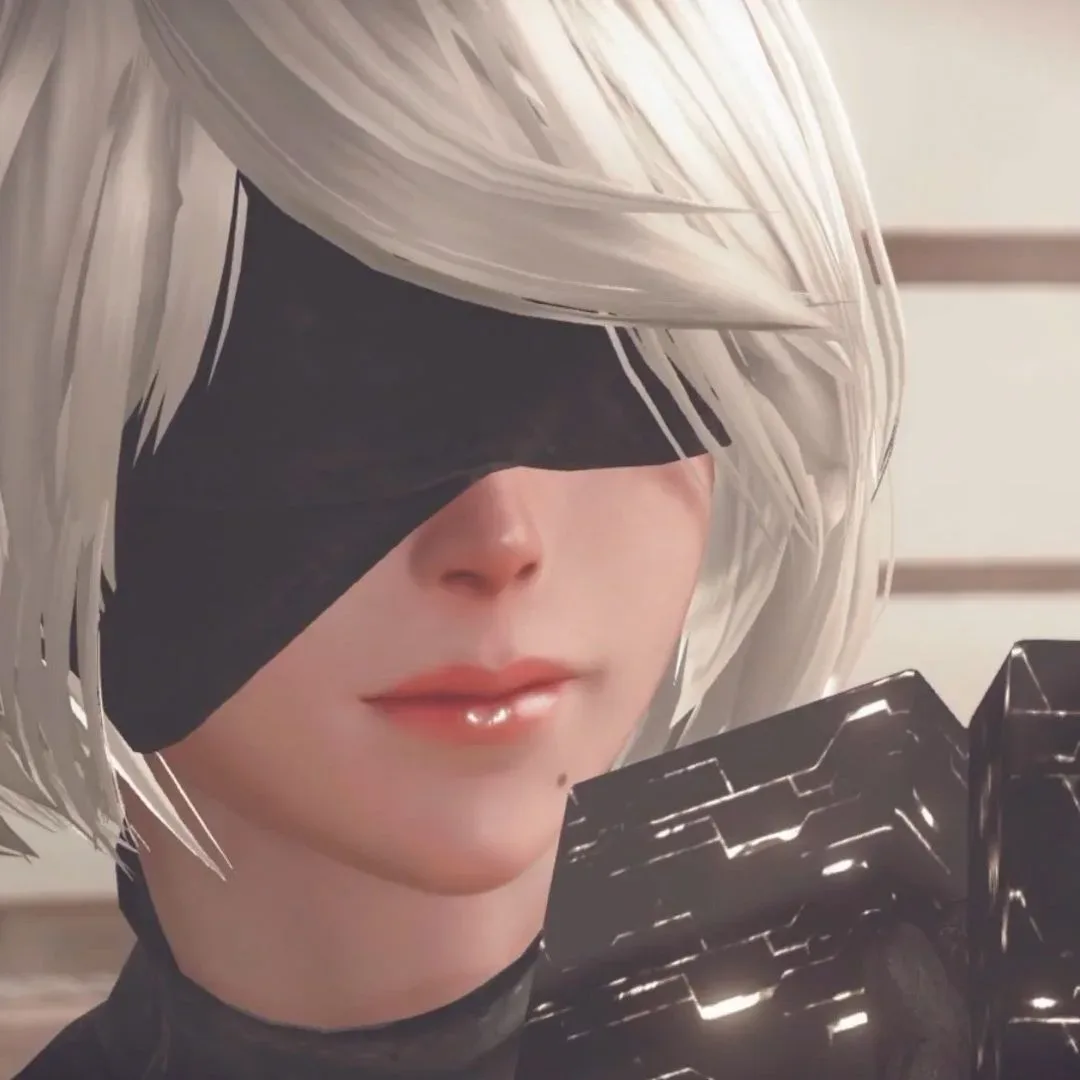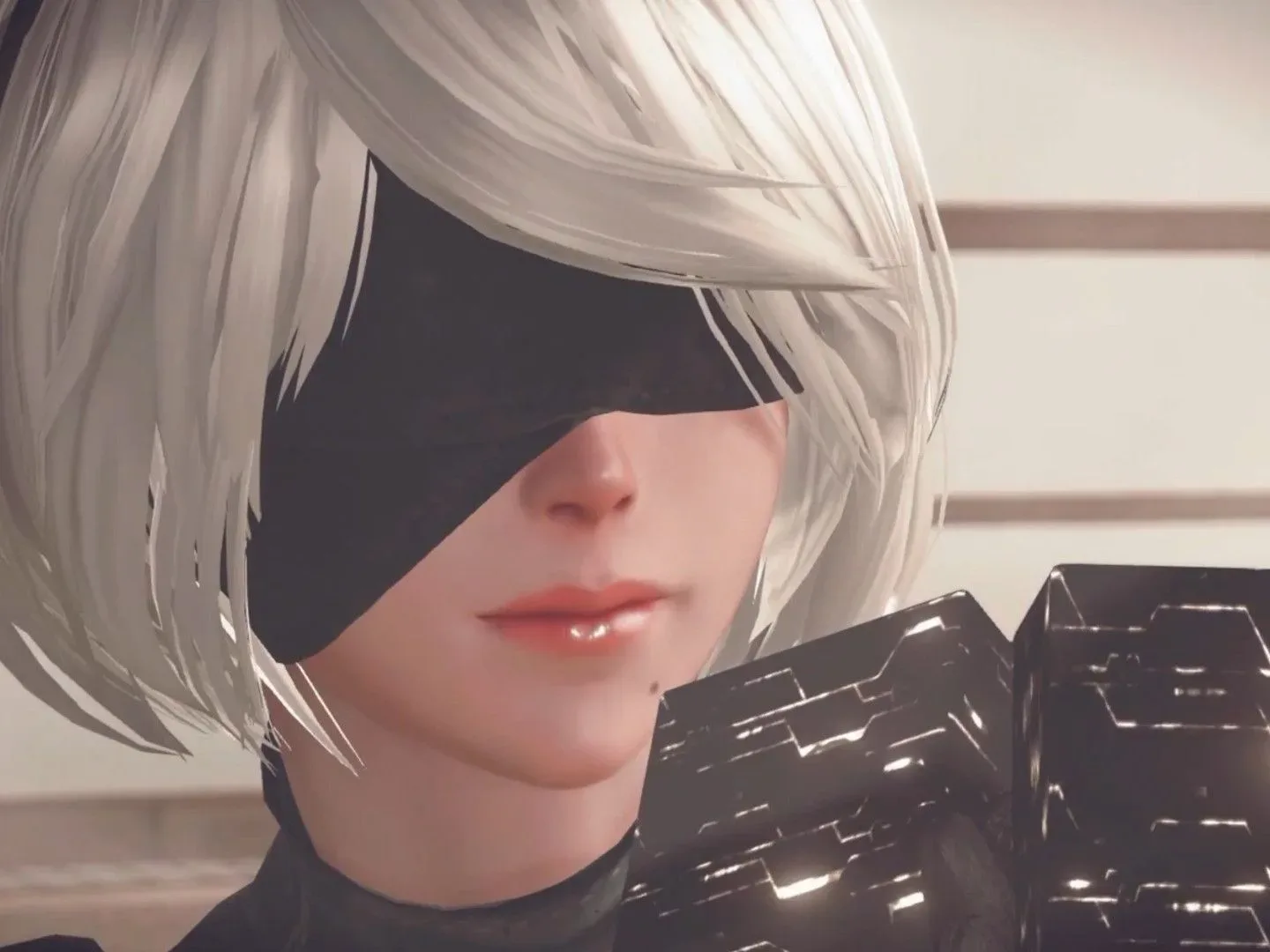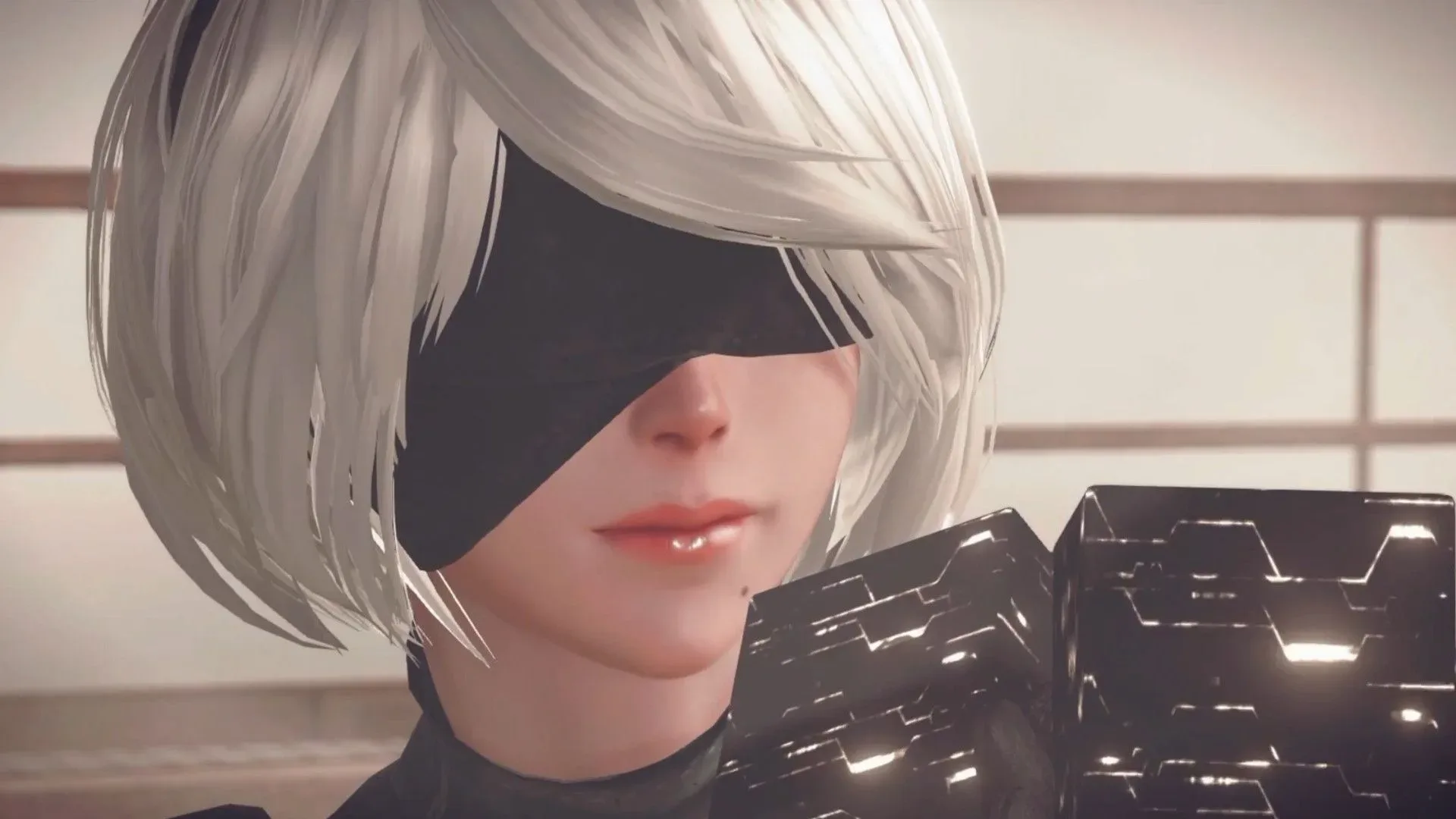
Yoko Taro’s explanation of Nier: Automata’s creative direction is disarmingly straightforward: he says he was not instructed to pursue a particular audience for the 2017 RPG. Instead, he made the game he wanted to make—and, by his own account, attempted to stay out of Square Enix’s way while doing it.
“For Nier: Automata, I wasn't told to target anyone. I just made what I wanted to, and I tried to stay hidden from Square Enix as much as possible.”
It is a memorable description of a development philosophy, particularly because Nier: Automata did not remain a small, specialist release. The game became a breakout success, selling more than 10 million copies. Its reach extended beyond the kind of devoted cult audience commonly associated with unconventional RPGs, while retaining the unusual, philosophical storytelling for which Taro’s work is known.
That combination is the real point of interest. The story is not simply that a creator made something strange and found an audience for it. It is that a game with an idiosyncratic identity also delivered action that was approachable enough to welcome players who might not normally seek out a narratively challenging RPG.
From a difficult sales lesson to a less calculated sequel
The first Nier, released in 2010, took a notably different approach between platforms. It had two protagonists: an older, rougher central character on Xbox 360 and a younger lead on PlayStation 3. In Western markets, the older version was used on both platforms.
Taro has said that decision did not lead to strong sales. His retrospective explanation was blunt: the team stopped overthinking it. That statement provides useful context for how he frames Nier: Automata. The later game was not presented as the result of a newly perfected consumer-targeting formula. If anything, it came after an earlier attempt to make audience-facing distinctions had failed to produce the desired commercial result.
There is an important distinction here. “Not targeting anyone” does not necessarily mean a game was made without planning, collaboration, or practical constraints. It means Taro describes the project’s core creative impulse as something other than a narrowly defined demographic strategy. He was not working backward from a presumed customer profile; he was working forward from the kind of RPG he wanted to create.
That is an unusually candid way to discuss a major release. Games are often described in the language of market segments, platform plans, genres, and broad commercial positioning. Those factors can be real and consequential, but they do not alone explain why people become attached to a particular game. Nier: Automata’s outcome suggests that clarity of voice can be commercially meaningful without being designed as a calculated appeal to a single audience.
Related coverage includes Yoko Taro Says Nier: Automata Came From Making the Game He Wanted.
What “esoteric” means in this case
Taro is frequently associated with work that is dark, emotionally difficult, and philosophically inclined. In games criticism, esoteric generally refers to material that does not make every meaning immediately obvious. It can involve themes, structures, or emotional payoffs that ask the player to interpret what they have seen rather than simply receive a clean, uncomplicated resolution.
That reputation might make it tempting to treat Nier: Automata as inaccessible by definition. Its performance tells a more complicated story. The game combined Taro’s characteristic storytelling with action that was easier to approach, creating a bridge between demanding narrative ideas and immediately readable play.
Approachable action does not mean that a game has no depth. It means its basic interaction is legible: players can understand the essential rhythm of moving, attacking, and responding without first mastering a dense layer of systems. That accessibility matters because it gives a wider group of players a reason to stay with a game long enough to encounter its stranger or more challenging narrative material.
For players, the practical implication is simple: a reputation for being “weird” need not be treated as a warning label. In this case, the game’s unusual identity and its broad reception were not opposing facts. They were part of the same story. A familiar action-game entry point can make room for an unfamiliar narrative destination.
“Normal games” for an audience that likes the unusual
Taro’s own description of his work is even more self-effacing than the public perception surrounding it. He has said he believes he makes normal games for normal people, only for “weird people” to find them weird and enjoy them.
“To be honest, I think I am making normal games targeted towards normal people. But ultimately when I release those normal games, weird people find them to be weird games and enjoy them. Which probably means there's something wrong with me.”
The joke lands because it reverses the usual prestige narrative. Rather than portraying himself as an artist heroically rejecting convention, Taro frames the disconnect as a problem with his own perspective. Yet the comment also points to something valuable about creative work: what feels ordinary to the people making it may feel distinctive to everyone else.
That does not make “weirdness” a product strategy. Trying to manufacture eccentricity is not the same as following a coherent creative instinct. The more useful lesson is that an individual perspective may appear unconventional precisely because it is not assembled from the safest, most familiar choices.
For studios and publishers, that is not an argument against planning or accountability. It is a reminder that a project’s distinctiveness can be an asset rather than an obstacle. A game does not have to sand away every unusual idea in pursuit of the broadest imaginable appeal. Its appeal may come from the elements that are most recognizably its own.
A director’s persona, and the person behind it
Taro’s public image is inseparable from the large Emil mask he wears during appearances. It is an unmistakable piece of presentation, but his comments also resist treating the persona as a simple gimmick. He has spoken of becoming a director not through a grand plan, but because he was the person who regularly voiced opinions. He has also described himself as warped and difficult to work with.
Those remarks should be read as self-deprecation, not as a production manual. Being outspoken is not automatically good leadership, and calling oneself “insufferable” is hardly proof of a productive process. But the comments do underline a basic reality of game direction: a director must make choices, articulate a point of view, and repeatedly push a project from possibility toward a specific form.
In an industry where a game is made by many disciplines and many people, authorship is never a solitary act. Still, a strong directing perspective can help a project retain a recognizable center. The mask may be the public symbol, but Nier: Automata’s success points more persuasively to the value of a work with a clear internal identity.
Why the 10 million figure changes the conversation
More than 10 million copies sold is not merely a celebratory number. It changes what can be said about the series’ place in the RPG landscape. The original Nier is associated with disappointing sales, while Nier: Automata reached a vastly larger audience. That does not erase the importance of the first game, but it does demonstrate that the sequel’s blend of action and unconventional storytelling travelled much further.
It also complicates the old assumption that mass success demands maximum narrative simplicity. A game can be emotionally bleak, structurally unusual, and interested in philosophy while still finding a large audience. The caveat is important: one success does not create a universal formula. The particulars of a game—the quality of its action, the way its themes are delivered, the timing of its release, and how players respond—cannot be reduced to a single slogan.
But it is reasonable to draw one narrower conclusion from the available facts. Creative specificity did not prevent Nier: Automata from becoming popular. Its specificity coexisted with, and may have helped define, the experience that so many players sought out.
The broader industry reading
Taro’s comments arrive as discussions about game development frequently turn toward risk, consolidation, and the desire for dependable results. Recent publishing uncertainty has also put renewed attention on projects that can lose backing before reaching players, as seen in the uncertainty surrounding Armed Fantasia and the end of publisher support from Digital Bros.
That wider backdrop gives the Nier: Automata story some extra resonance, even if it does not turn Taro’s approach into an easy prescription. The lesson is not that creators should literally avoid their publishers, nor that every project becomes a hit by refusing to identify an audience. Development is more complicated than that.
Rather, the case shows why projects should not be judged only by how easily they fit a predetermined segment. A game can have a strong commercial outcome while still carrying an unusual creative signature. Its mechanics can invite new players in, while its narrative can offer more than a conventional happy ending. Its creator can even insist it is normal, leaving players to decide whether normal has become a much more interesting word than it used to be.